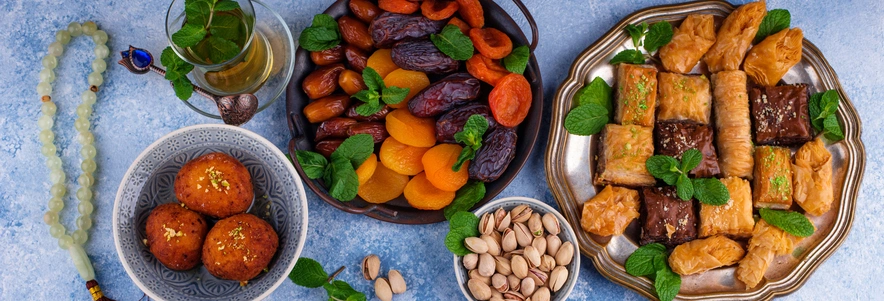
Zabiha Traditions Around the World

Zabiha, the Islamic method of slaughtering animals for food, is more than a dietary requirement—it is a tradition rooted in faith, ethics, and community values. While the fundamental principles of Zabiha remain consistent across the globe, cultural expressions and culinary traditions vary widely from region to region. From South Asia to the Middle East, Africa to Western countries, Zabiha traditions reflect the diversity of the global Muslim community.
Understanding how Zabiha is practiced around the world reveals not only religious devotion but also rich culinary heritage and community spirit.
The Core Principles of Zabiha
At its heart, Zabiha requires:
-
Invocation of the name of Allah before slaughter
-
Humane treatment of the animal
-
Use of a sharp instrument for swift slaughter
-
Complete drainage of blood
These guidelines are derived from Islamic teachings and are observed by Muslims globally. Regardless of geography, these foundational principles remain unchanged.
However, the way communities prepare, distribute, and celebrate Zabiha meat reflects local culture and history.
South Asia: Community and Celebration
In countries like Pakistan, India, and Bangladesh, Zabiha traditions are deeply integrated into social life.
During Eid al-Adha, families often perform Qurbani locally. It is common to see neighbors helping one another with distribution and preparation. Meat is divided into portions for family, relatives, and the needy.
Popular dishes prepared from Zabiha meat in this region include:
-
Biryani
-
Nihari
-
Korma
-
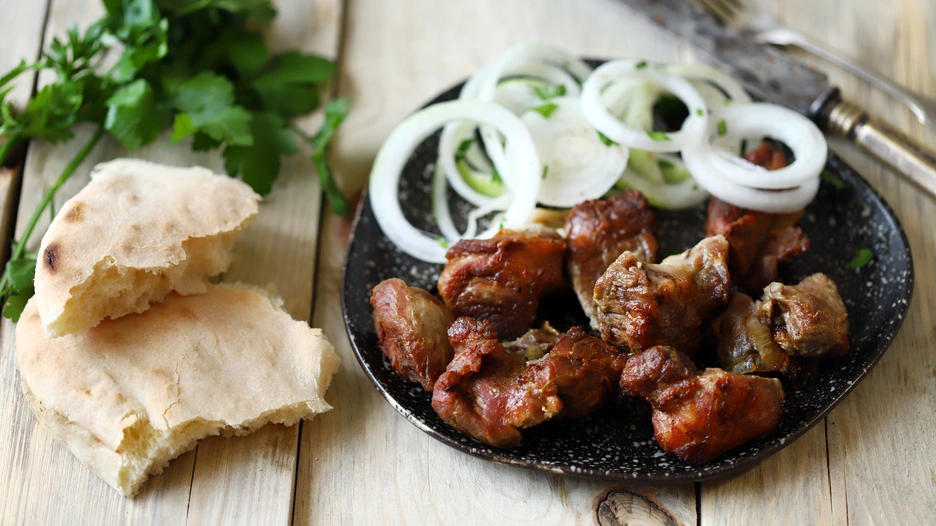
Kebabs
The atmosphere is festive, with strong emphasis on sharing and hospitality.
Middle East: Heritage and Hospitality
In countries such as Saudi Arabia, Turkey, and Lebanon, Zabiha practices are closely tied to hospitality traditions.
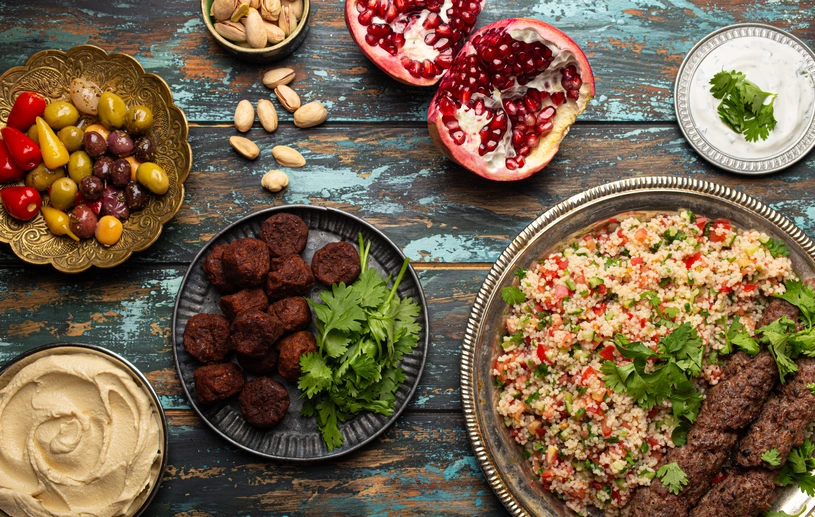
Large communal meals are common, especially during Eid and family gatherings. Whole lambs may be roasted and served on large platters with rice, reflecting generosity and honor toward guests.
Dishes like:
-
Kabsa
-
Mandi
-
Shawarma
-
Kofta
are popular expressions of Zabiha cuisine. In many Middle Eastern communities, professional slaughterhouses handle the process under strict supervision to ensure compliance.
Africa: Tradition and Community Sharing
Across African nations such as Nigeria and Morocco, Zabiha traditions combine Islamic practice with local cultural customs.
In Morocco, for example, families may perform Qurbani at home and prepare traditional dishes like tagine. In West Africa, community slaughter events are common, with meat distributed widely among neighbors and those in need.
The emphasis remains on:
-
Respect for the animal
-
Community involvement
-
Sharing with the less fortunate
Southeast Asia: Organized Systems
In countries like Indonesia and Malaysia, Zabiha practices are often highly organized.
Mosques coordinate Qurbani programs, collect donations, and manage distribution systems efficiently. Volunteers package meat into standardized portions and ensure proper hygiene.
Dishes such as rendang (slow-cooked beef) are commonly prepared during Eid celebrations. The combination of strong religious structure and community organization makes Zabiha distribution smooth and systematic.
Western Countries: Certification and Compliance
In countries like United States, United Kingdom, and Canada, Muslim communities rely heavily on certified halal slaughterhouses and retailers.
Because Muslims often live as minorities in these regions, Zabiha certification plays a major role. Halal certification bodies inspect facilities to ensure compliance with Islamic guidelines.
Eid celebrations in Western countries often involve:
-
Ordering Qurbani through online platforms
-
Donating meat internationally
-
Hosting multicultural community dinners
These practices demonstrate adaptation while maintaining religious principles.
Cultural Variations in Cooking
Though the slaughter method remains consistent, cooking styles differ widely:
-
Spiced curries in South Asia
-
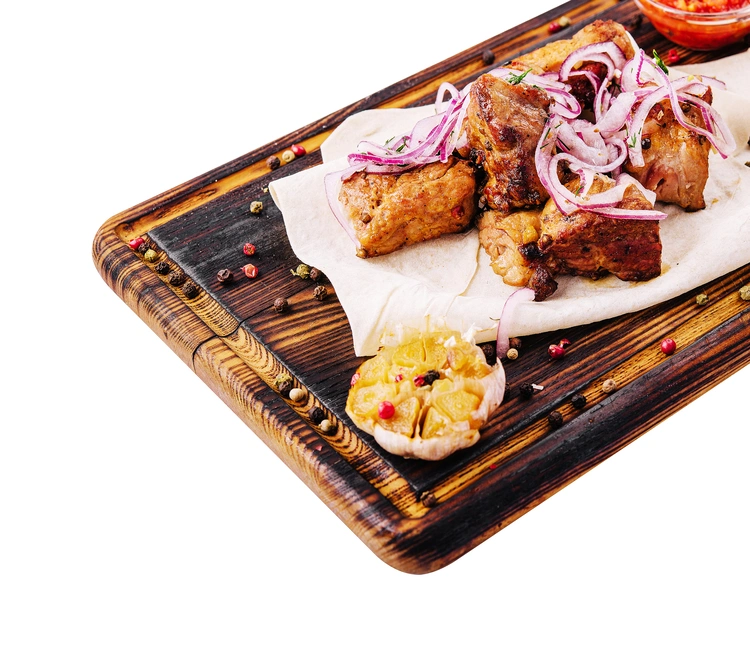
Herb-infused grilled meats in the Middle East
-
Slow-cooked stews in North Africa
-
Barbecue styles in Western countries
These variations highlight the flexibility of Zabiha meat within diverse cuisines while maintaining religious compliance.
The Shared Spirit of Zabiha
Despite cultural differences, the spiritual essence of Zabiha remains universal. It symbolizes:
-
Obedience to Allah
-
Gratitude for sustenance
-
Compassion for animals
-
Charity toward the needy
During Eid al-Adha especially, the global Muslim community participates in a unified act of worship, even though traditions and dishes may differ.
Modern Innovations in Zabiha Practices
Globalization has introduced new developments:
-
Online Qurbani services
-
International meat distribution programs
-
Vacuum-sealed packaging
-
Export-quality halal standards
These innovations make it easier for Muslims worldwide to fulfill religious obligations while ensuring food safety and transparency.
Conclusion
Zabiha traditions around the world reflect both unity and diversity. While the religious guidelines remain constant, cultural expressions—from festive meals in South Asia to organized mosque programs in Southeast Asia and certified systems in Western countries—demonstrate how faith adapts to different environments.
Ultimately, Zabiha is more than a method of slaughter. It is a global tradition that brings families together, strengthens communities, supports the needy, and connects Muslims worldwide through shared faith and shared meals.