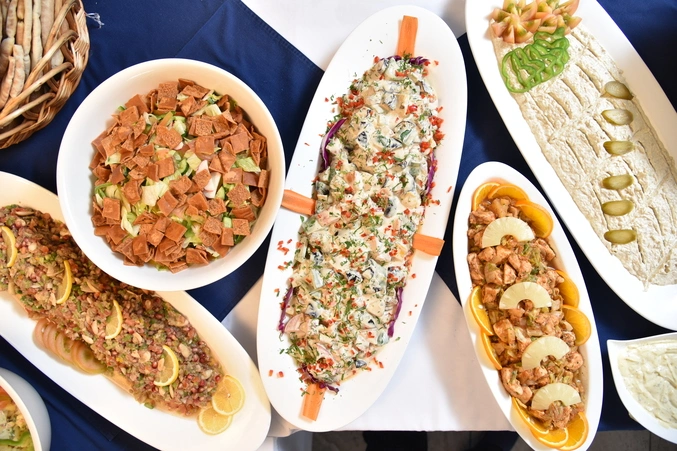
Presentation Tips for Zabiha Dishes

Food presentation is an art that enhances the dining experience long before the first bite is taken. When it comes to Zabiha dishes, presentation carries even deeper meaning. It reflects gratitude for the blessing of halal sustenance and respect for the effort involved in ethical slaughter and preparation. Whether you are serving a simple family dinner or hosting a festive gathering during Eid al-Adha, thoughtful presentation can elevate your Zabiha dishes from ordinary to memorable.
Here are practical and creative tips to present Zabiha meals beautifully while maintaining authenticity and flavor.
1. Choose the Right Serving Dish
The foundation of food presentation begins with the plate or platter. Different Zabiha dishes call for different serving styles:
-
Large platters for biryani, mandi, or kabsa
-
Deep bowls for curries and stews
-
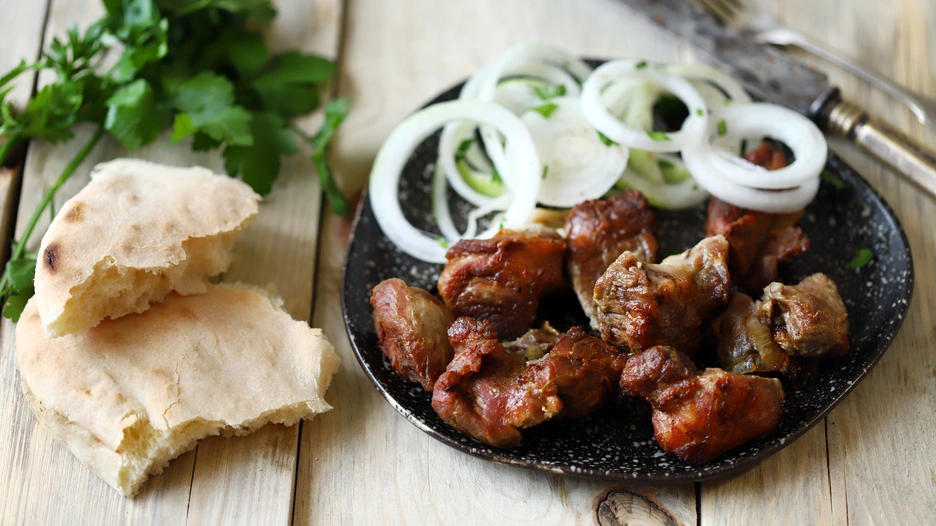
Flat plates for grilled meats like kebabs or chops
-
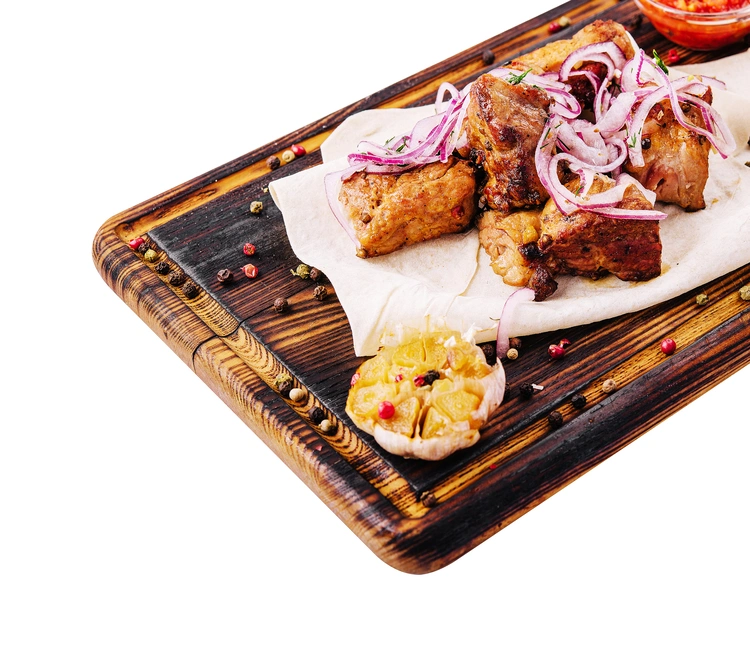
Wooden boards for rustic barbecue spreads
White or neutral-colored plates often work best because they make the colors of the dish stand out. For traditional meals, decorative metal trays or ceramic dishes can add cultural elegance.
Remember, the serving dish should complement—not overpower—the food.
2. Focus on Color Contrast
Color plays a major role in visual appeal. Zabiha meat dishes are often rich in browns and reds, so balancing them with fresh colors enhances presentation.
Add contrast using:
-
Fresh green herbs like cilantro or parsley
-
Bright lemon wedges
-
Thinly sliced red onions
-
Pomegranate seeds
-
Light yogurt drizzle
For example, a dark beef karahi topped with chopped green coriander instantly looks fresher and more inviting.
3. Use Garnishes Purposefully
Garnishing should enhance flavor, not just appearance. Avoid overloading the dish with random decorations. Instead, use ingredients that complement the taste.
Good garnish ideas include:
-
Toasted almonds on rice dishes
-
Crispy fried onions for biryani
-
Fresh mint for lamb curries
-
Light cream swirl for gravies
-
Charred tomato halves alongside grilled meats
Keep garnishes neat and evenly distributed. A light touch creates elegance, while too much can make the dish look cluttered.
4. Pay Attention to Portion Placement
How you place the food matters as much as what you serve. Instead of dumping everything in the center:
-
Arrange kebabs in a straight or circular pattern
-
Place rice as a base and layer meat attractively on top
-
Stack grilled pieces slightly overlapping
-
Keep sauces in small bowls on the side
Negative space (empty space on the plate) creates a clean, professional look. Avoid overcrowding the plate.
5. Highlight Texture
Texture adds depth and makes dishes visually interesting. Zabiha meals often include a mix of soft, crispy, and tender elements. Showcase these contrasts.
For example:
-
Pair crispy samosas with smooth chutney
-
Serve tender roast lamb with crunchy salad
-
Combine fluffy rice with glossy gravy
A mix of textures not only enhances taste but also creates an appealing visual structure.
6. Keep It Fresh and Clean
Presentation is closely tied to cleanliness. Before serving:
-
Wipe plate edges to remove spills
-
Remove excess oil pooling on top
-
Trim uneven or burnt edges of meat
-
Ensure rice grains are not scattered around
Clean plating reflects care and professionalism, especially when hosting guests.
7. Add Height and Layers
Professional chefs often add height to create dimension. You can do this at home by:
-
Layering rice first, then topping with meat
-
Stacking grilled items slightly
-
Serving meat on a bed of sautéed vegetables
-
Using small bowls placed inside larger platters
Height makes the dish look more dynamic rather than flat and plain.
8. Consider Cultural Authenticity
Zabiha dishes are deeply rooted in cultural traditions. Respecting traditional presentation styles adds authenticity.
-
Middle Eastern dishes often use large communal platters
-
South Asian meals may be served in decorative steel trays
-
Turkish-style grilled meats are often presented with bread and dips
If serving dishes inspired by Pakistan, Turkey, or Saudi Arabia, consider incorporating elements from those cuisines for a more immersive experience.
9. Use Lighting to Enhance Appearance
If hosting a dinner, lighting plays an important role. Warm lighting enhances the richness of grilled and roasted meats. Natural daylight works beautifully for lunch gatherings or food photography.
Avoid overly harsh white lighting that washes out the food’s natural tones.
10. Pair with Complementary Side Dishes
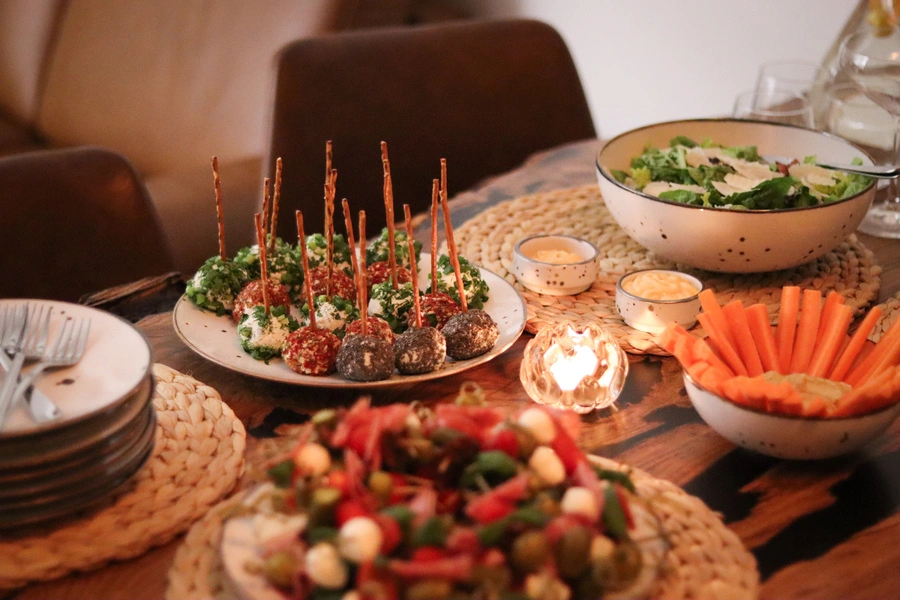
Presentation improves when the entire table looks coordinated. Pair Zabiha meat dishes with:
-
Fresh salads
-
Raita or yogurt dips
-
Pickles
-
Flatbreads arranged in baskets
-
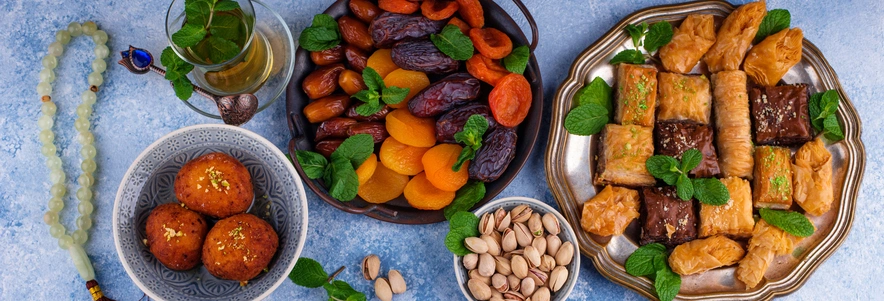
Simple desserts
Balanced sides create a visually complete spread rather than a single heavy centerpiece.
11. Minimalism Over Excess
Modern presentation trends favor simplicity. Instead of crowding the table with too many items, choose a few well-presented dishes. Quality presentation always looks better than quantity.
Let the Zabiha dish remain the hero of the table.
12. Presentation Reflects Gratitude
In Islam, food is a blessing. Presenting it beautifully shows appreciation for the sustenance provided. Even a simple home-cooked meal can feel special with thoughtful plating.
When guests see care in presentation, they feel honored and welcomed. This transforms a meal into an experience.
Conclusion
Presenting Zabiha dishes beautifully does not require expensive tools or professional training. With attention to color, cleanliness, portioning, and cultural authenticity, you can turn everyday meals into elegant displays.
Thoughtful presentation enhances not just visual appeal but also respect for the ethical and spiritual values behind Zabiha meat. Whether for daily meals or festive occasions, a well-presented dish nourishes both the body and the soul.