How to Prepare Zabiha Meat for Eid

Eid, especially Eid al-Adha, is a time of worship, gratitude, and sharing. One of the most important aspects of this celebration is the preparation of Zabiha meat from Qurbani. Proper preparation ensures that the meat is handled hygienically, cooked safely, and shared thoughtfully with family, friends, and those in need.
Preparing Zabiha meat for Eid involves more than cooking—it requires planning, cleanliness, organization, and respect for the blessing of food. Here is a complete guide to help you prepare Zabiha meat efficiently and responsibly.
Understanding the Significance of Zabiha
Zabiha refers to the Islamic method of slaughter, where the name of Allah is invoked and the animal is treated humanely. During Eid al-Adha, Muslims commemorate the willingness of Prophet Ibrahim (AS) to sacrifice in obedience to Allah.
The meat from Qurbani is traditionally divided into three parts:
-
One-third for the household
-
One-third for relatives and friends
-
One-third for the poor and needy
Preparing Zabiha meat properly ensures that all portions remain safe, fresh, and suitable for distribution.
Step 1: Organize Your Space
Before bringing the meat home, prepare a clean and organized workspace.
Make sure you have:
-
Clean cutting boards
-
Sharp knives
-
Gloves
-
Storage containers
-
Zip-lock freezer bags
-
Labels and markers
Clean all surfaces thoroughly with disinfectant. Keep raw meat separate from vegetables and cooked foods to prevent cross-contamination.
Step 2: Sorting and Portioning the Meat
Once the Zabiha meat is received:
-
Sort different cuts (bones, steaks, mince pieces).
-
Remove excess fat if desired.
-
Divide into family, gift, and charity portions immediately.
Portioning early helps avoid confusion later. Label bags clearly (e.g., “curry cut,” “kebabs,” “bones for broth”).
If you plan to distribute meat to others, ensure it is packed neatly and hygienically in sealed bags.
Step 3: Proper Refrigeration and Freezing
Fresh Qurbani meat is often warm when first received. Allow it to cool naturally in a clean, covered area before refrigeration.
Storage guidelines:
-
Refrigerate meat you plan to cook within 24–48 hours.
-
Freeze meat that will be used later.
-
Store in airtight bags to prevent freezer burn.
-
Remove excess air from packaging before sealing.
Avoid stacking warm meat directly into the freezer, as this can affect temperature stability.
Step 4: Tenderizing Fresh Meat
Fresh Qurbani meat can sometimes be firmer than store-bought meat because it hasn’t aged.
To tenderize:
-
Let meat rest in the refrigerator for 24 hours before cooking.
-
Use marinades with yogurt, lemon juice, or vinegar.
-
Cook slowly using low heat methods for tougher cuts.
Resting and proper marination improve both flavor and texture.
Step 5: Choosing Eid Recipes Wisely
Plan your Eid menu according to the cuts available.
Popular first-day dishes include:
-
Karahi (quick cooking method)
-
Grilled chops
-
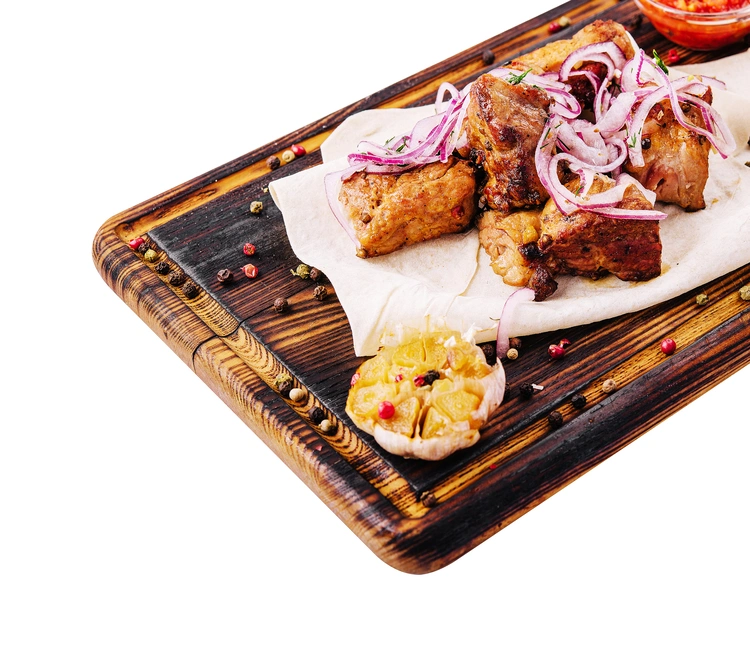
Kebabs
-
Stir-fried liver
For larger meals, consider:
-
Biryani
-
Korma
-
Nihari
-
Roast lamb
Different cultures have their own specialties. Families in Pakistan often prepare spicy curries and biryani, while households in Saudi Arabia may cook Kabsa or mandi-style rice dishes.
Step 6: Maintaining Hygiene During Cooking
Hygiene is crucial when handling large quantities of meat.
Best practices:
-
Wash hands frequently
-
Use separate utensils for raw and cooked food
-
Cook meat thoroughly (internal temperature should be safe)
-
Avoid leaving meat at room temperature for long periods
Proper hygiene protects your family and guests from foodborne illness.
Step 7: Preparing Meat for Distribution
If sharing raw meat:
-
Use clean, sealed bags
-
Distribute promptly
-
Keep portions equal and fair
-
Deliver in a respectful and discreet manner
If sharing cooked meals:
-
Use food-safe containers
-
Label dishes if needed
-
Deliver while still fresh
Charity and sharing are central to Eid, so thoughtful preparation enhances the spirit of giving.
Step 8: Minimizing Waste
Islam encourages avoiding waste. To make full use of Qurbani meat:
-
Use bones for broth or soup
-
Store fat for cooking if suitable
-
Plan meals for the week ahead
-
Freeze extra portions properly
Careful planning ensures that no part of the sacrifice goes unused.
Step 9: Preparing Ahead for Guests
Eid often involves hosting many visitors. To reduce stress:
-
Pre-marinate meat a day before
-
Chop vegetables in advance
-
Prepare desserts early
-
Set serving dishes ahead of time
Good preparation allows you to focus on hospitality and celebration.
Spiritual Reflection While Preparing
Preparing Zabiha meat for Eid is not just a physical task—it is a spiritual act. Approach it with gratitude and mindfulness. Remember the purpose of Qurbani and the importance of sharing blessings with others.
Cooking with intention transforms ordinary meal preparation into an act of worship.
Conclusion
Preparing Zabiha meat for Eid requires organization, hygiene, thoughtful planning, and a spirit of generosity. From sorting and storing to cooking and distributing, each step plays an important role in honoring the significance of Qurbani.
With proper handling and careful preparation, your Eid meals can be safe, delicious, and meaningful—bringing families together while spreading joy and compassion throughout the community.