Benefits of Giving Zabiha Meat to the Needy

Giving Zabiha meat to the needy is a deeply meaningful act rooted in Islamic values of compassion, generosity, and social responsibility. Whether during Eid al-Adha or throughout the year, sharing halal meat with those who are less fortunate strengthens communities, reduces inequality, and brings spiritual reward. Beyond fulfilling a religious obligation, this act carries social, economic, and humanitarian benefits that extend far beyond a single meal.
This article explores the many benefits of distributing Zabiha meat to those in need and why it remains an essential part of Muslim life.
1. Fulfilling a Religious Duty
During Eid al-Adha, Muslims commemorate the sacrifice of Prophet Ibrahim (AS) by offering Qurbani. A core principle of Qurbani is sharing the meat:
-
One portion for the family
-
One portion for relatives and friends
-
One portion for the needy
This distribution ensures that the act of sacrifice is not solely personal but communal. Providing Zabiha meat to the poor reflects obedience to Allah and gratitude for His blessings. It transforms an act of worship into a means of uplifting others.
2. Promoting Social Equality
Meat can be expensive and is often considered a luxury for low-income families. By giving Zabiha meat to the needy:
-
Families who rarely consume meat can enjoy nutritious meals.
-
Economic disparities are reduced, even if temporarily.
-
Communities experience a sense of shared celebration and unity.
Sharing food narrows social gaps and reminds everyone that wealth and blessings are a trust from Allah, meant to be shared.
3. Providing Essential Nutrition
Zabiha meat is a rich source of essential nutrients:
-
High-quality protein for muscle growth and repair
-
Iron to prevent anemia
-
Vitamin B12 for brain and nerve health
-
Zinc and other minerals for immunity
For underprivileged families, especially children and elderly individuals, receiving meat can significantly improve dietary quality. In many regions, protein deficiency is a serious concern. Donating Zabiha meat directly supports better health and nutrition for vulnerable populations.
4. Strengthening Community Bonds
Sharing Zabiha meat fosters a culture of care and compassion:
-
Neighbors look after one another.
-
Community ties are reinforced.
-
Feelings of isolation are reduced among the poor.
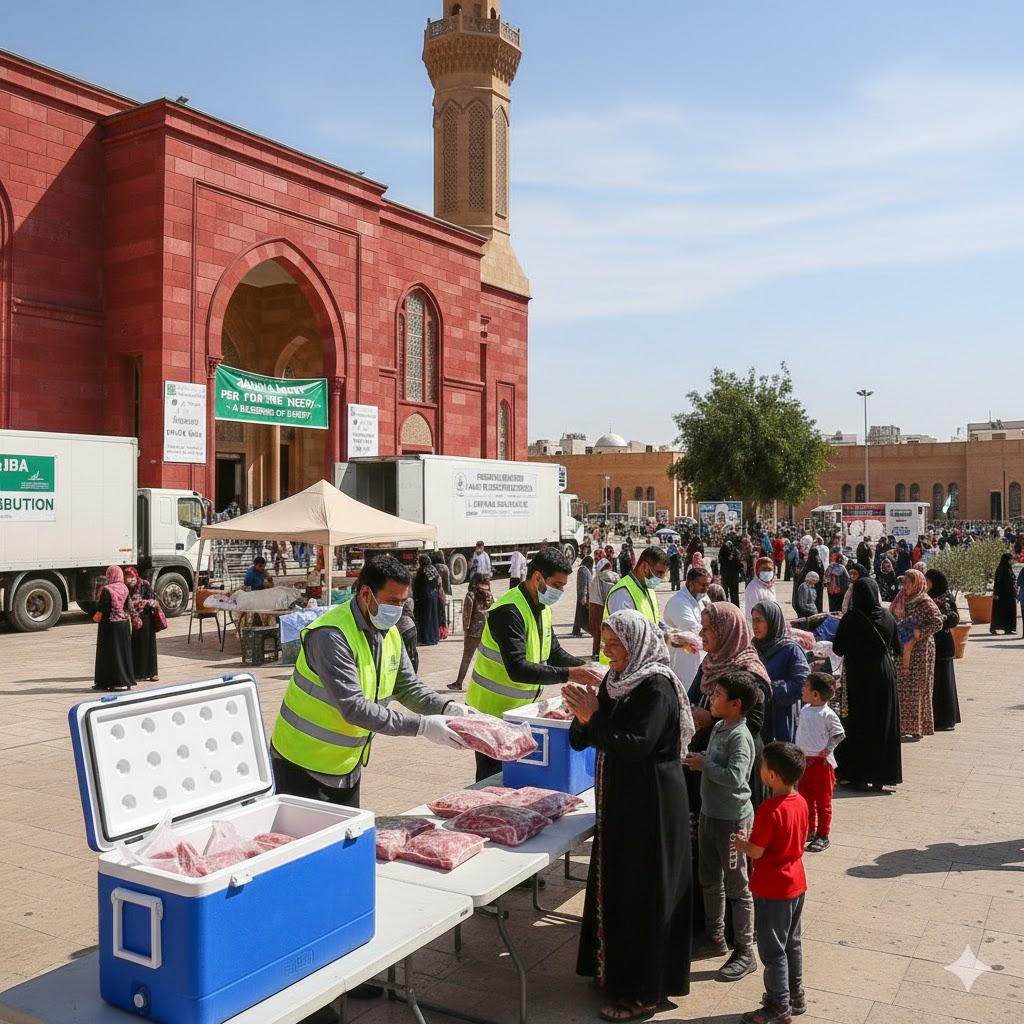
When families deliver meat personally or participate in organized distribution programs, it creates meaningful interactions. These moments build trust, gratitude, and unity within the community.
5. Encouraging Gratitude and Humility
Giving to the needy nurtures humility in the giver:
-
It reminds individuals of their own blessings.
-
It develops empathy for those facing hardship.
-
It shifts focus from materialism to service.
Acts of charity soften the heart and promote a mindset of gratitude. Sharing Zabiha meat becomes not just a physical act, but a spiritual exercise in compassion.
6. Reducing Food Waste
In some households, large quantities of Zabiha meat are prepared during Eid or other occasions. Without proper distribution, excess meat may spoil or go unused. Donating surplus meat:
-
Ensures it is consumed responsibly.
-
Prevents waste of a valuable resource.
-
Honors the sanctity of the sacrifice.
Islam strongly discourages waste (israf), and sharing extra meat aligns with responsible stewardship of food.
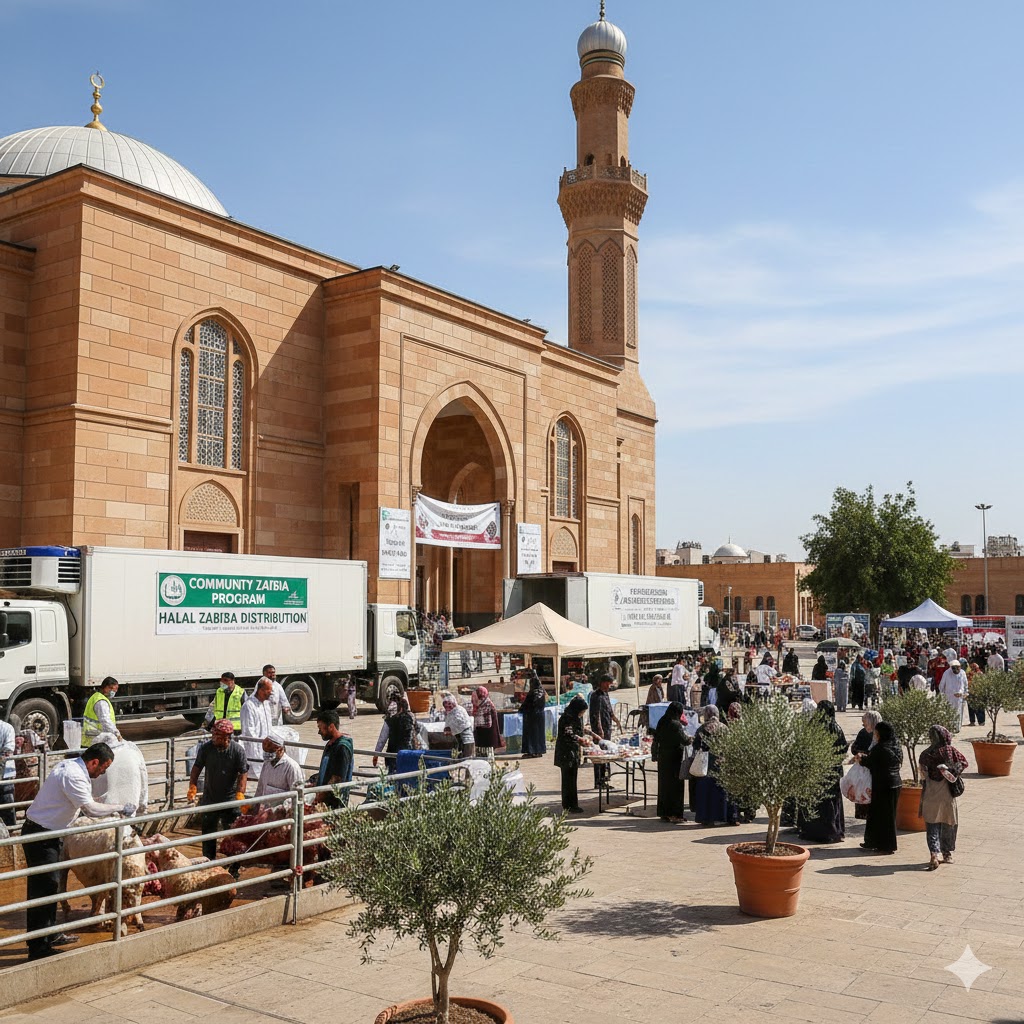
7. Supporting Global Humanitarian Efforts
Many organizations facilitate international Qurbani and Zabiha meat distribution:
-
Meat is delivered to refugee camps and impoverished regions.
-
Remote communities gain access to protein-rich meals.
-
Emergency relief efforts incorporate halal meat distribution.
Through these initiatives, a single act of sacrifice can benefit families thousands of miles away, turning a local practice into a global impact.
8. Teaching Generosity to Future Generations
When children witness their families sharing Zabiha meat:
-
They learn the importance of charity.
-
They understand the value of helping others.
-
They develop empathy and social responsibility.
Involving children in packaging and distributing meat can be a powerful lesson in kindness and faith-based service.
9. Creating Long-Term Social Impact
While the immediate benefit is a nutritious meal, the broader impact includes:
-
Strengthened trust within communities
-
A culture of consistent giving
-
Encouragement for others to contribute
When generosity becomes a shared norm, communities become more resilient and compassionate.
Conclusion
Giving Zabiha meat to the needy is far more than a charitable gesture—it is an act of worship, a source of nourishment, and a powerful tool for social unity. It fulfills religious obligations, supports nutrition, reduces inequality, strengthens community bonds, and fosters gratitude.
By sharing Zabiha meat, Muslims transform a sacred tradition into a meaningful act of service. The benefits extend beyond the table, touching hearts, improving health, and building stronger, more caring communities.