Tips for Buying Verified Zabiha Meat Online

In today’s fast-paced world, purchasing Zabiha meat online has become increasingly popular. It offers convenience, a wide variety of cuts, and access to trusted halal sources without leaving home. However, buying Zabiha meat online requires extra care to ensure the meat is authentically halal, fresh, and of high quality. From checking certifications to understanding delivery methods, there are several strategies to make sure your online purchase meets both ethical and nutritional standards.
This guide provides practical tips for buying verified Zabiha meat online, helping families, individuals, and community kitchens make safe, informed choices.
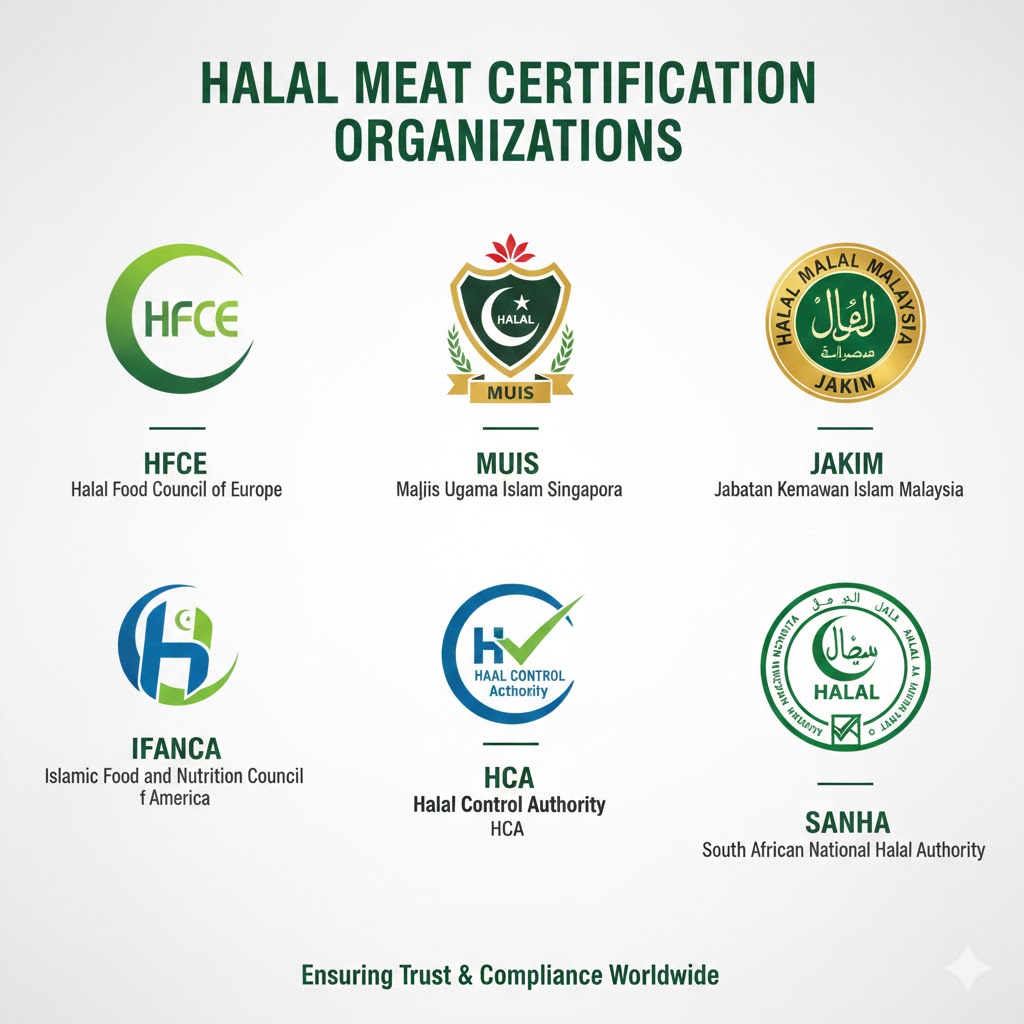
1. Look for Halal Certification
The first step in buying Zabiha meat online is ensuring it is certified halal by a trusted authority:
-
Check for certifications from recognized halal organizations or local halal boards.
-
Reputable sellers display certificates and verification numbers on their websites.
-
Certification ensures the meat is slaughtered according to Zabiha standards, treated ethically, and free from prohibited substances.
Verified certification is the most reliable way to avoid meat that is only labeled “halal” without proper compliance.
2. Choose Reputable Online Sellers
Selecting a trusted online platform is crucial for quality and reliability:
-
Look for sellers with positive reviews and consistent customer feedback.
-
Established vendors often provide details about farm sources, processing, and storage.
-
Avoid unknown sellers with limited transparency, as these may compromise authenticity or freshness.
A reputable online source ensures the meat you receive is safe, fresh, and ethically sourced.
3. Check for Farm Transparency
Verified Zabiha meat often comes from farms that are open about their practices:
-
The website or seller should provide information about animal rearing, feed, and living conditions.
-
Grass-fed or free-range animals generally provide leaner meat with higher nutrient quality.
-
Transparency about the farm allows buyers to assess ethical standards and meat quality.
When possible, choose sellers who share farm visits or photos, demonstrating humane and sustainable practices.
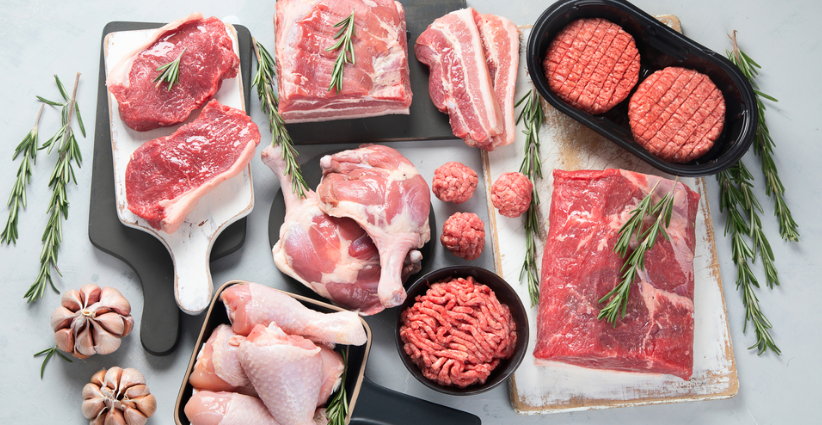
4. Understand Meat Cuts and Quality
Before placing an order, verify the type of cuts available:
-
Chicken: Breast, thigh, drumstick, wings
-
Lamb: Loin, shoulder, leg, chops
-
Beef: Sirloin, ribeye, tenderloin, ground beef
Check product descriptions for fat content, portion sizes, and freshness. Verified Zabiha meat vendors often provide nutritional details, helping families make informed dietary choices.
Additionally, avoid packages that are overly processed or frozen for extended periods, as freshness can impact flavor and nutrient content.
5. Review Packaging and Delivery Options
Proper packaging and delivery are essential to maintain meat quality:
-
Look for vacuum-sealed packaging or insulated boxes with ice packs.
-
Check whether the vendor offers next-day or same-day delivery to preserve freshness.
-
Avoid sellers that ship without proper temperature control, as meat may spoil or lose nutrients during transit.
Some online platforms offer tracking and delivery notifications, which ensures timely receipt and reduces the risk of spoilage.
6. Verify Storage and Handling Instructions
Even verified Zabiha meat requires proper storage:
-
Refrigerate fresh meat at ≤4°C / 40°F and freeze if not used immediately.
-
Follow thawing instructions: Thaw in the refrigerator rather than at room temperature to prevent bacterial growth.
-
Use meat within recommended timeframes (2–3 days refrigerated, 3–6 months frozen depending on the cut).
Reliable online sellers provide clear storage and handling guidance, ensuring families receive meat that is safe and nutritious.
7. Check Return or Refund Policies
Purchasing meat online carries risks such as delivery delays or spoiled products. Verified sellers often offer:
-
Return or replacement guarantees for spoiled or damaged meat
-
Refund policies if meat quality does not meet advertised standards
-
Customer support to address concerns about packaging, cuts, or freshness
Understanding these policies gives buyers peace of mind and protects them from potential issues.
8. Consider Subscription or Bulk Orders
Some verified Zabiha meat vendors offer subscription plans or bulk orders:
-
Regular deliveries ensure consistent supply of fresh, ethical meat.
-
Bulk orders often come with special cuts, discounts, and proper packaging.
-
Subscription services often include quality checks and farm information, reinforcing trust.
This approach is ideal for families, community kitchens, or those preparing for special events like Eid.
9. Seek Reviews and Recommendations
Word-of-mouth and online reviews are invaluable:
-
Ask friends, family, or local community members for trusted online Zabiha meat suppliers.
-
Read reviews about taste, freshness, delivery reliability, and customer service.
-
Verified sellers often have social media presence or testimonials, which can be additional reassurance.
Combining certification, transparency, and customer feedback ensures a reliable purchase.
Conclusion
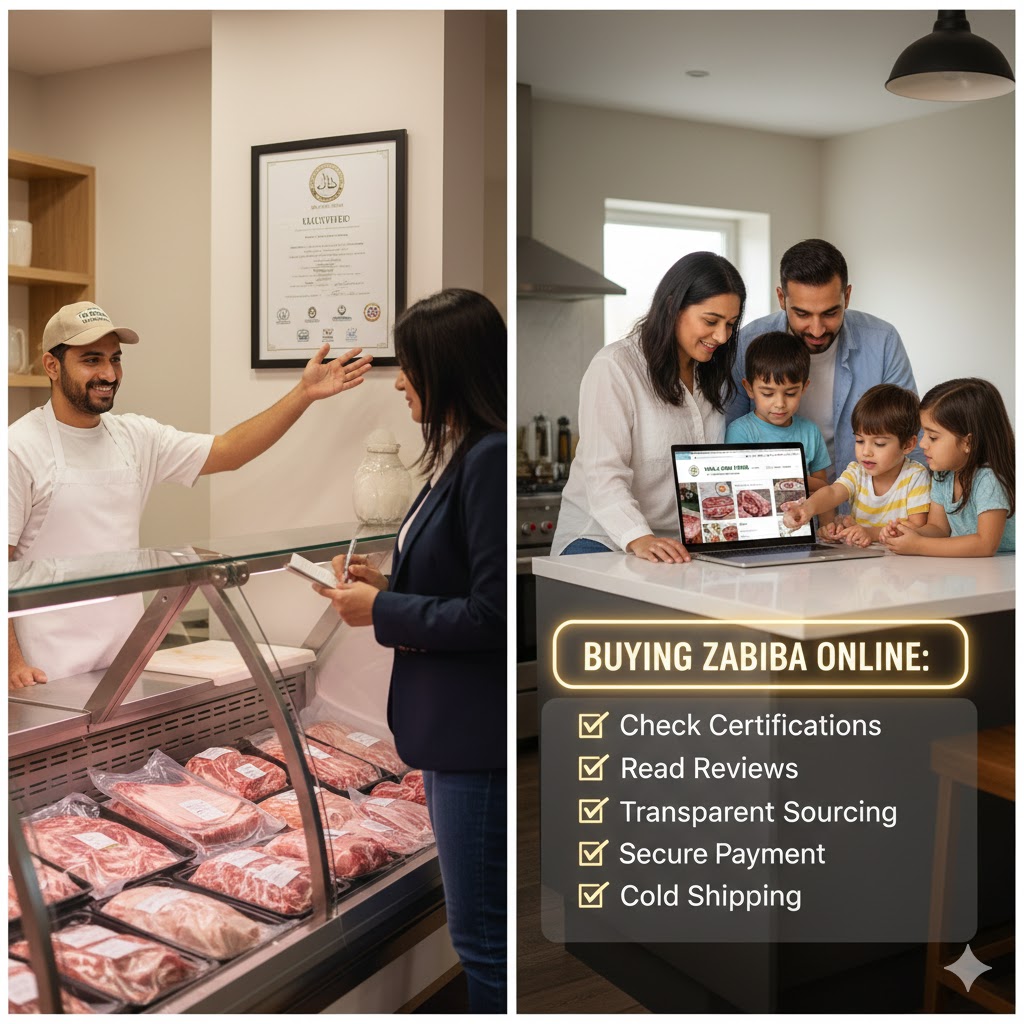
Buying Zabiha meat online can be convenient and rewarding, but it requires careful verification and attention to quality. Key tips include:
-
Check for halal certification
-
Select reputable, transparent sellers
-
Verify cuts, fat content, and nutritional details
-
Ensure proper packaging, delivery, and storage
-
Review return policies and customer feedback
Following these steps ensures families receive authentic, fresh, and nutritious Zabiha meat that supports both health and ethical eating practices. By choosing verified online sources, you can enjoy the flavor, quality, and peace of mind that comes with Zabiha meat — all from the comfort of your home.