Zabiha Traditions in Islamic Communities

Zabiha meat holds a unique and sacred place in Islamic communities around the world. More than just a dietary practice, it represents faith, ethical treatment of animals, and social responsibility. Rooted in centuries of religious guidance, Zabiha traditions are observed not only for religious compliance but also to strengthen community bonds, celebrate festivals, and maintain cultural identity. Exploring these traditions reveals the rich spiritual and cultural significance behind Zabiha practices in different Islamic communities.
Understanding Zabiha
The term Zabiha originates from the Arabic word “ذَبْح” (dhabḥ), meaning “slaughter.” In Islamic law, Zabiha refers to meat obtained from animals slaughtered according to specific guidelines:
-
The animal must be alive and healthy at the time of slaughter.
-
A trained Muslim performs the slaughter using a sharp knife to swiftly cut the throat, windpipe, and major blood vessels.
-
Blood must be fully drained from the animal.
-
The name of Allah (Bismillah) is recited during the process.
Zabiha meat differs from general halal meat by emphasizing strict adherence to these principles, ensuring ethical treatment and spiritual compliance.
Zabiha in Daily Life
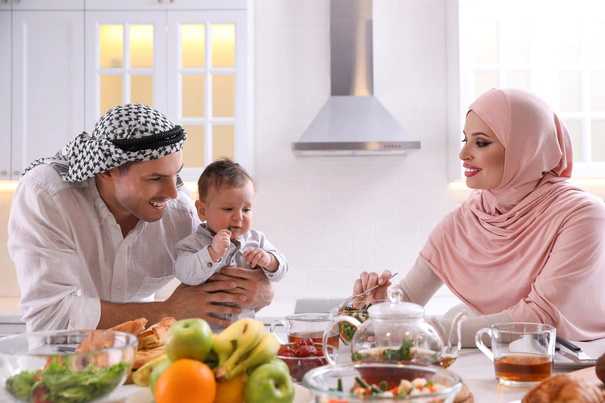
In many Islamic communities, Zabiha is not limited to festivals—it is also part of daily life. Families prioritize Zabiha meat for everyday meals to ensure spiritual and ethical compliance.
-
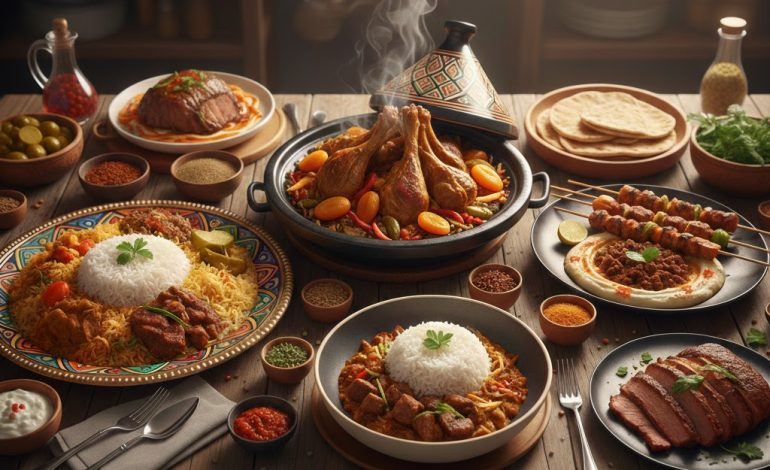
Household meals: Regular preparation of curries, kebabs, and biryanis using Zabiha meat reinforces faith-based practices.
-
Community gatherings: Serving Zabiha meat during shared meals or local events reflects hospitality and social cohesion.
-
Charity and giving: Portions of Zabiha meat are often distributed to neighbors, the needy, and local charities, upholding the Islamic principle of generosity.
These daily practices help embed Zabiha traditions into both spiritual and social life.
Festivals and Zabiha Traditions
The most prominent occasions for Zabiha are religious festivals:
Eid al-Adha – The Festival of Sacrifice
Eid al-Adha commemorates Prophet Ibrahim’s willingness to sacrifice his son in obedience to Allah. Zabiha traditions during this festival include:
-
Slaughtering animals such as sheep, goats, cows, or camels according to Zabiha guidelines.
-
Dividing meat into three parts: one for family, one for relatives and friends, and one for the poor.
-
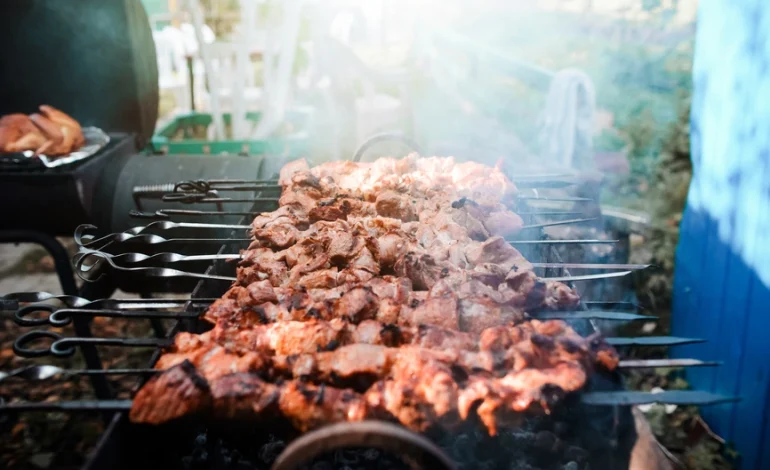
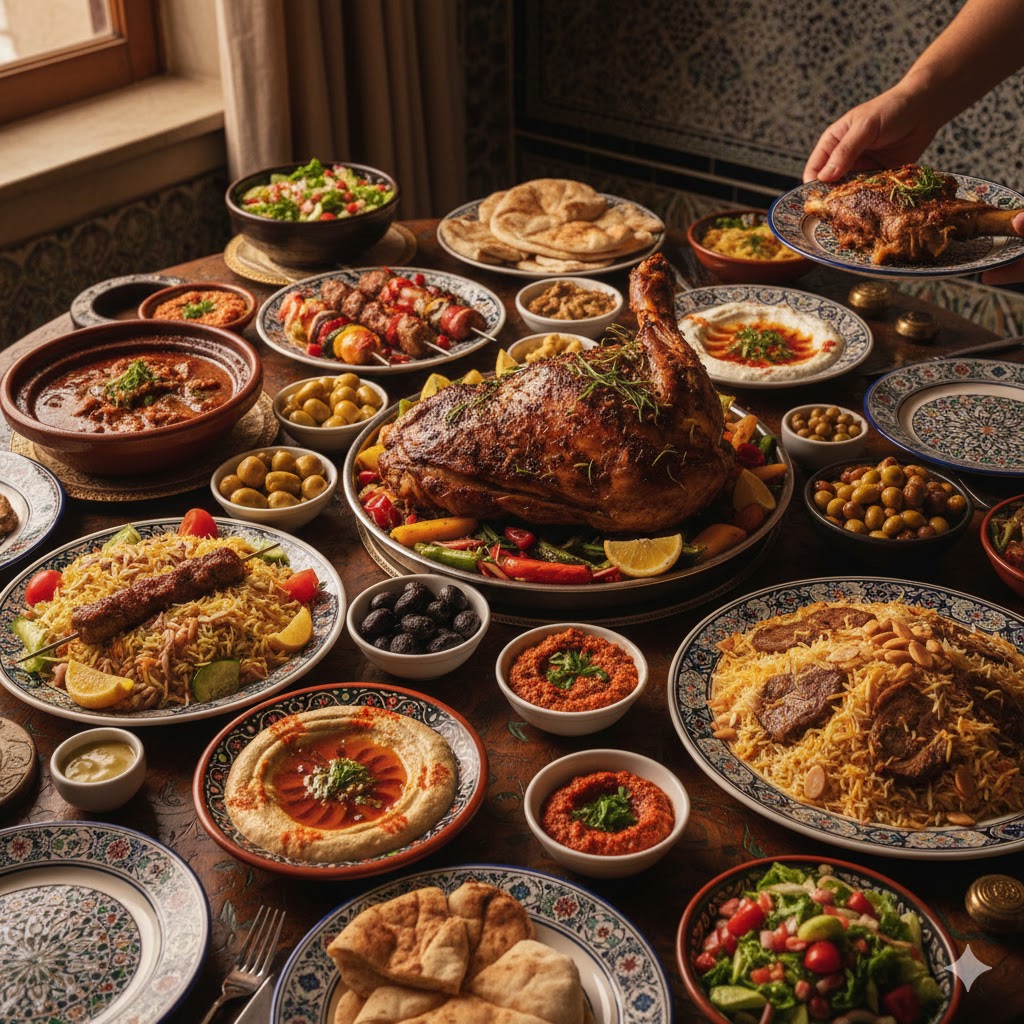
Community gatherings and feasts where dishes like biryani, kebabs, and roasted lamb are prepared.
The festival highlights charity, communal bonding, and spiritual devotion through Zabiha practices.
Ramadan & Iftar
During Ramadan, Zabiha meat is often used in Iftar meals to break fast with nutritious, flavorful dishes. Families may prepare traditional meat-based dishes to enjoy together, strengthening both spiritual and familial bonds.
Regional Zabiha Traditions
Different Islamic communities add unique cultural elements to Zabiha practices:
South Asia
-
Zabiha meat is central to family gatherings, weddings, and festivals.
-
Traditional dishes like karahi, nihari, and mutton biryani are prepared with fresh Zabiha meat.
-
Communities may organize group slaughtering events for distribution to the needy.
Middle East
-
Strict halal and Zabiha certification ensures religious compliance.
-
Meals such as mansaf, lamb stew, and grilled kebabs are commonly prepared during festivals.
-
Local butchers often perform Zabiha slaughter following centuries-old techniques.
Southeast Asia
-
Zabiha meat is incorporated into local cuisine with regional spices.
-
Communal sharing of Zabiha meat during festivals reinforces social cohesion.
-
Religious authorities oversee certification to maintain faith-based compliance.
These regional traditions highlight how local culture and Islamic practices intertwine in Zabiha observances.
Ethical and Spiritual Dimensions
Zabiha is not only about following rules—it carries ethical and spiritual values:
-
Humane treatment of animals: Animals are treated respectfully, minimizing suffering during slaughter.
-
Mindfulness and gratitude: Reciting Allah’s name reminds practitioners to act consciously and with reverence.
-
Charity and social responsibility: Distributing meat to the needy reinforces community values and helps those less fortunate.
-
Cultural identity: Recipes and traditional methods preserve the culinary heritage of Islamic communities.
Through these values, Zabiha traditions extend beyond dietary laws, shaping social and spiritual life.
Modern Practices and Global Zabiha
With globalization, Zabiha practices have adapted to modern contexts:
-
Halal certification authorities ensure exported Zabiha meat complies with religious guidelines.
-
Cold chain logistics enable communities worldwide to access fresh Zabiha meat.
-
Educational initiatives promote awareness about ethical and spiritual aspects of Zabiha slaughter.
Even in modern settings, the core principles of Zabiha—ethical treatment, religious compliance, and charity—remain central.
Conclusion
Zabiha traditions in Islamic communities reflect a blend of spirituality, ethics, and culture. From daily meals to major festivals like Eid al-Adha and Ramadan, Zabiha meat is a symbol of faith, generosity, and communal harmony. Regional variations add richness, showing how local culture and religion intertwine.
Understanding these traditions highlights that Zabiha is not merely a dietary practice—it is a living cultural and spiritual heritage. For Muslims, it embodies devotion, ethical responsibility, and social values, ensuring that every meal is a reflection of faith, compassion, and community.