Stories Behind Zabiha in Local Cultures

Zabiha meat is more than just a dietary requirement for Muslims—it carries deep spiritual, ethical, and cultural significance. While its religious rules are well-known, the stories and practices surrounding Zabiha vary across local cultures, reflecting centuries of tradition, community values, and culinary heritage. Understanding these cultural dimensions gives a richer perspective on why Zabiha meat holds a special place in Muslim life worldwide.
The Spiritual Origins of Zabiha
The term Zabiha comes from the Arabic root “ذَبْح” (dhabḥ), which means “slaughter.” In Islamic tradition, Zabiha meat refers to meat from animals slaughtered according to strict guidelines in the Quran and Hadith.
The process emphasizes:
-
Humane treatment of animals
-
Recitation of Allah’s name (Bismillah)
-
Proper draining of blood
-
Slaughter by a trained Muslim
These guidelines are designed to ensure that life is respected, the meat is clean, and the act of slaughter is a form of worship. Beyond the physical aspects, Zabiha embodies mindfulness, ethical treatment of animals, and spiritual discipline.
Zabiha in South Asian Culture
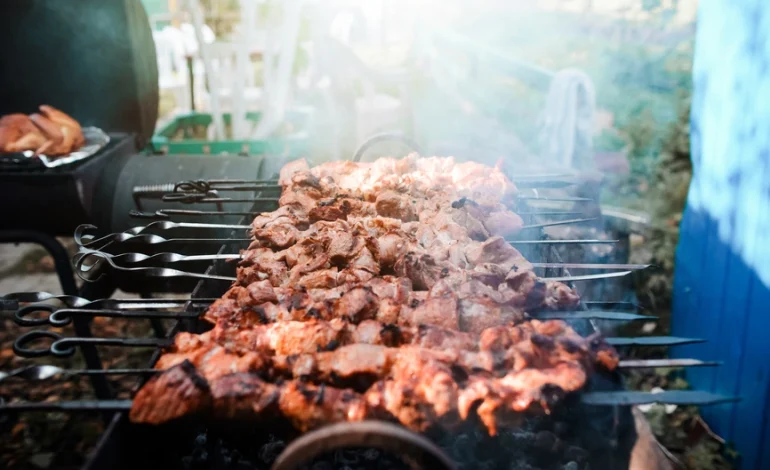
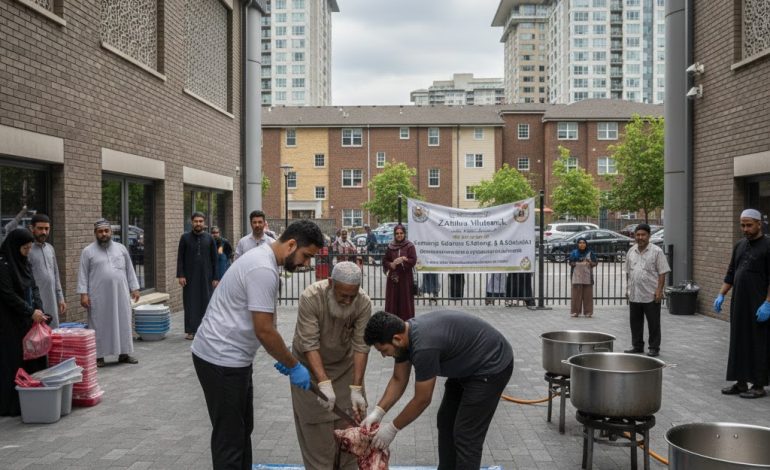
In countries like Pakistan, India, and Bangladesh, Zabiha is deeply intertwined with local customs and festivals. During Eid al-Adha, communities gather for the ritual sacrifice of animals, often distributing meat to family, friends, and the needy.
Cultural significance:
-
Community bonding: Neighbors often share the meat, fostering solidarity.
-
Charity (Sadaqah): Portions are given to those in need, reinforcing social responsibility.
-
Culinary tradition: Families prepare traditional dishes such as biryani, karahi, and kebabs using freshly slaughtered Zabiha meat, celebrating both religious observance and local flavors.
In South Asia, Zabiha is not only a spiritual act but also a way of honoring hospitality and generosity.
Zabiha in Middle Eastern Cultures
Middle Eastern countries such as Saudi Arabia, UAE, and Egypt have their own unique traditions around Zabiha meat. Here, the practice is closely linked to daily life and religious festivals, and is often supported by robust certification systems for meat sold in markets.
Key cultural aspects:
-
Religious adherence: Consumers prioritize certified Zabiha meat to ensure full compliance with Islamic law.
-
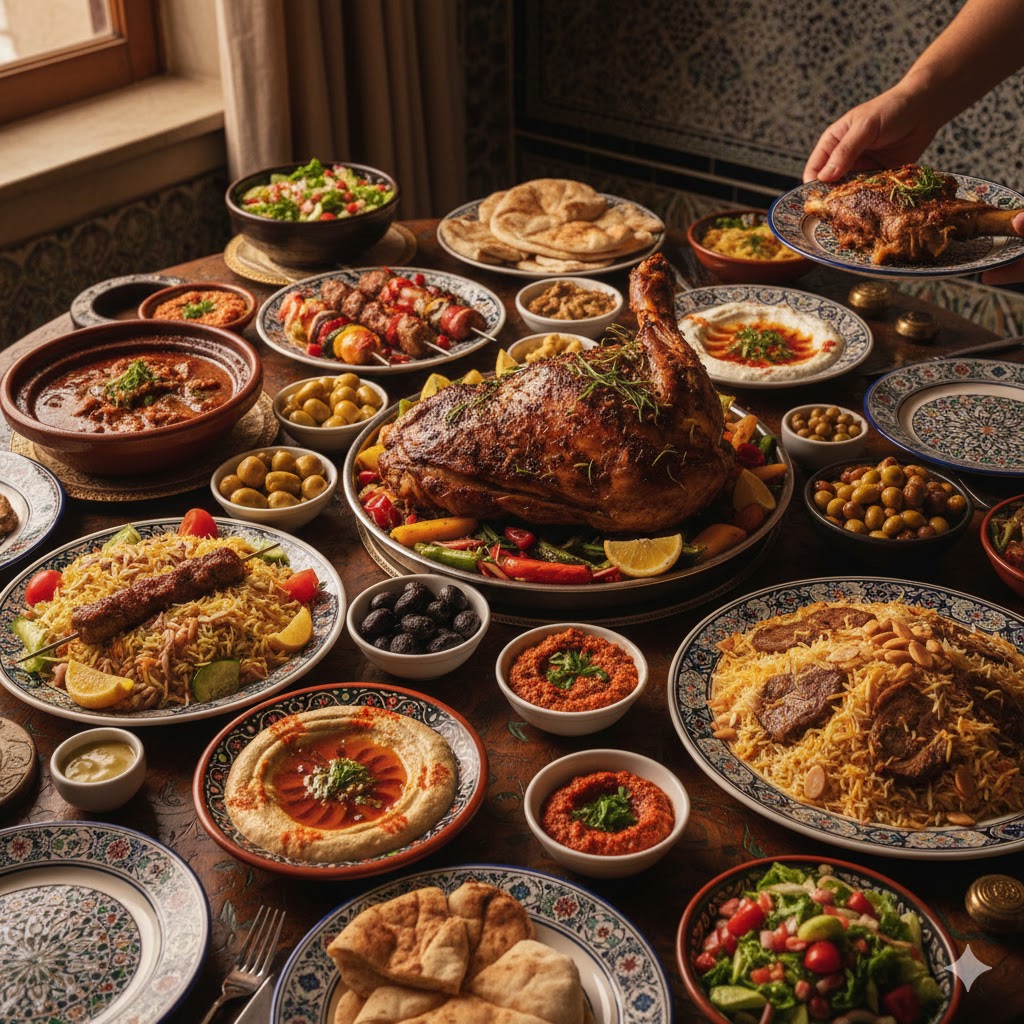
Festive cuisine: During Ramadan and Eid, dishes like lamb mansaf, roasted goat, and grilled kebabs are prepared from freshly slaughtered Zabiha animals.
-
Market culture: Local markets often have butchers trained specifically in Zabiha slaughter, preserving centuries-old techniques and practices.
Here, Zabiha meat represents both faith and the region’s rich culinary heritage.
Zabiha Practices in Southeast Asia
In countries like Malaysia, Indonesia, and Singapore, Zabiha meat has been incorporated into local diets with cultural adaptations.
-
Integration with local spices: Zabiha meat is often marinated in regional spice blends before cooking.
-
Community rituals: Certain villages or towns have communal slaughtering events, reinforcing social cohesion.
-
Regulatory frameworks: Government and religious authorities work together to certify Zabiha meat, ensuring it meets religious standards while maintaining hygiene and public trust.
In Southeast Asia, Zabiha meat is a bridge between religion, tradition, and local gastronomy.
Stories and Symbolism
Across cultures, Zabiha is associated with:
-
Respect for life: Humane treatment of animals before and during slaughter is central.
-
Mindfulness and gratitude: Reciting Allah’s name and performing the act with care reflects spiritual discipline.
-
Sharing and charity: Zabiha meat is often distributed to the poor, symbolizing generosity.
-
Cultural identity: Traditional recipes using Zabiha meat preserve culinary heritage while honoring faith.
Many families recount stories of generations preparing Zabiha meat during Eid or community feasts, keeping the practice alive as part of their cultural identity.
Modern Implications
In today’s globalized world, Zabiha practices have adapted to modern supply chains:
-
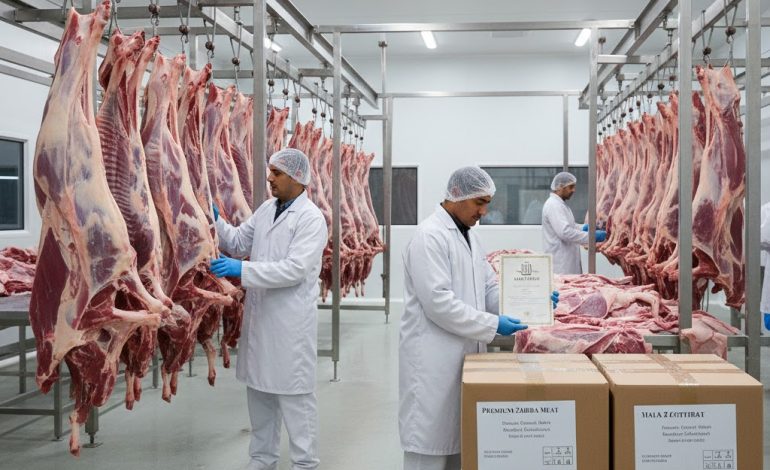
Halal certification bodies ensure that meat sold internationally meets Zabiha standards.
-
Export and import guidelines allow consumers worldwide to access authentic Zabiha meat.
-
Educational campaigns help communities understand both the spiritual and practical significance of Zabiha.
Despite modernization, the cultural stories and local traditions continue to influence how Zabiha meat is perceived and consumed.
Conclusion
Zabiha meat is far more than a religious requirement—it carries centuries of cultural narratives, spiritual meaning, and ethical practice. From South Asia to the Middle East, and Southeast Asia to global markets, local traditions shape how Zabiha is performed, celebrated, and consumed.
Understanding these stories allows us to appreciate the deeper significance of Zabiha meat: it is a symbol of faith, community, charity, and respect for life. For consumers, butchers, and businesses, recognizing these cultural dimensions ensures that the practice remains meaningful, authentic, and cherished across generations.