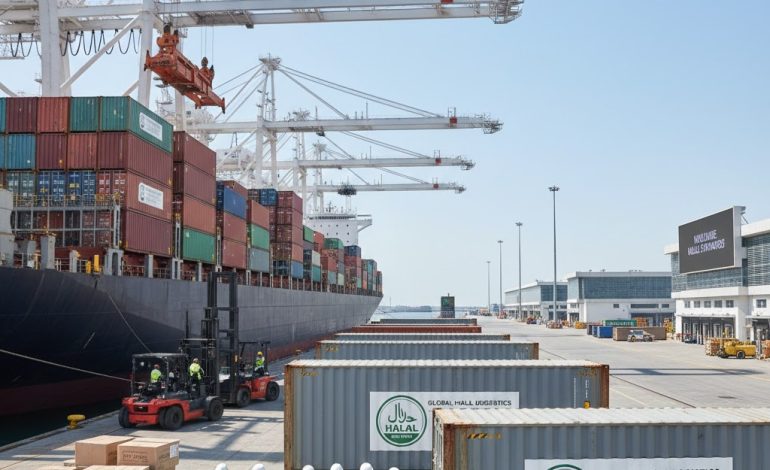
Import Export Guidelines for Halal Meat

The global demand for halal meat is rising rapidly, driven by Muslim populations worldwide and increasing consumer preference for ethically and religiously compliant food. Halal meat is not just a dietary requirement—it’s also a significant trade commodity, with strict standards and regulations governing its import and export. Understanding these guidelines is crucial for exporters, importers, and businesses looking to operate in the halal meat market.
What is Halal Meat?
Halal meat refers to meat sourced from animals slaughtered according to Islamic law. Key requirements include:
-
The animal must be healthy and alive at the time of slaughter.
-
A sharp knife must be used to swiftly cut the throat, windpipe, and major blood vessels.
-
Blood must be fully drained from the animal.
-
The name of Allah (Bismillah) must be recited at the time of slaughter.
Halal meat is also often certified by recognized authorities to ensure it meets religious and ethical standards.
Global Demand for Halal Meat
The halal meat industry is expanding due to growing Muslim populations in Asia, the Middle East, and Africa. Non-Muslim consumers also increasingly seek halal meat due to perceptions of higher hygiene and ethical standards. Countries like Australia, New Zealand, Brazil, and the United States are major exporters, while countries in the Middle East and Southeast Asia are among the largest importers.
This growth has made compliance with international halal regulations and trade guidelines essential for businesses.
Import Guidelines for Halal Meat
When importing halal meat, countries enforce strict guidelines to protect public health, ensure religious compliance, and maintain quality. Common requirements include:
1. Halal Certification
Imported meat must come with a certificate from a recognized halal authority in the exporting country. This certificate verifies that the animal was slaughtered according to Islamic law.
2. Health and Safety Compliance
Meat must meet the importing country’s food safety regulations, including:
-
Veterinary health certificates
-
Proof of disease-free livestock
-
Proper handling and storage during transportation
3. Packaging and Labeling
Imported meat must be packaged to maintain hygiene and freshness. Labels should include:
-
Halal certification details
-
Country of origin
-
Type of meat and cut
-
Storage instructions
4. Customs and Inspection
Customs authorities may inspect shipments upon arrival. This ensures compliance with halal certification, food safety standards, and legal import requirements.
Export Guidelines for Halal Meat
Exporting halal meat involves meeting both local production standards and the importing country’s requirements. Key considerations include:
1. Compliance with Local Halal Standards
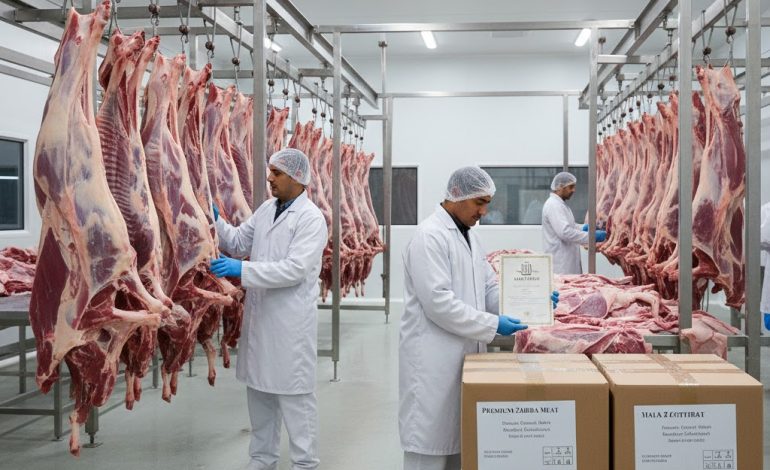
Exporters must ensure animals are slaughtered under certified halal conditions. This includes proper training for slaughterhouse staff, correct slaughtering methods, and proper recording of halal compliance.
2. Export Documentation
Proper documentation is critical, including:
-
Halal certification from recognized authorities
-
Veterinary health certificates
-
Export permits and customs documentation
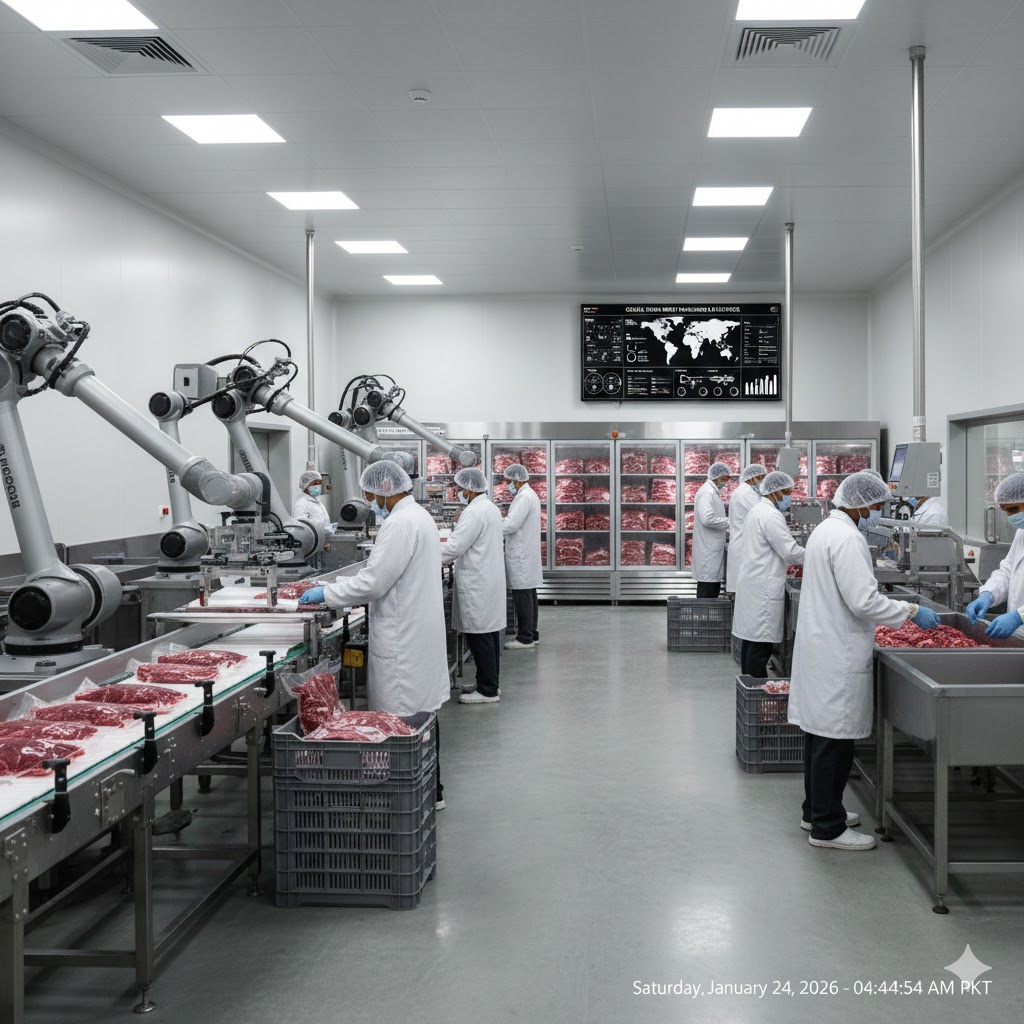
3. Packaging and Cold Chain Management
Maintaining product quality during transit is essential. Exporters must:
-
Use hygienic and secure packaging
-
Maintain appropriate temperature throughout storage and transport
-
Ensure traceability from slaughterhouse to destination
4. Regulatory Compliance
Exporters must be familiar with the regulations of the destination country, including import quotas, tariffs, and any additional labeling or certification requirements.
Challenges in Halal Meat Trade
While the halal meat market is lucrative, exporters and importers face several challenges:
-
Varying Halal Standards: Different countries recognize different halal certifying bodies, requiring exporters to navigate multiple standards.
-
Cold Chain Logistics: Maintaining proper temperature during long shipments is critical to prevent spoilage.
-
Documentation Compliance: Missing or incorrect certificates can result in shipment delays or rejections.
-
Consumer Trust: Mislabeling or non-compliance can damage reputation in a competitive market.
Tips for Smooth Halal Meat Trade
-
Work with Certified Suppliers: Ensure suppliers are recognized by reputable halal authorities.
-
Understand Destination Regulations: Research the importing country’s halal and food safety requirements thoroughly.
-
Maintain Traceability: Keep detailed records from farm to fork to assure compliance and consumer confidence.
-
Invest in Quality Logistics: Reliable cold chain management reduces spoilage and ensures product quality.
Conclusion
The halal meat industry is a growing global market, but success depends on adherence to strict import and export guidelines. Both importers and exporters must ensure compliance with halal certification, food safety regulations, and international trade rules.
For businesses, understanding these guidelines is more than a legal requirement — it builds trust with consumers and establishes credibility in the global halal market. By following proper procedures, maintaining rigorous documentation, and ensuring ethical handling and slaughter practices, companies can thrive in the lucrative and expanding halal meat trade.