
How Zabiha is Prepared in South Asia

Zabiha meat holds a central place in South Asian Muslim communities, not only as a dietary staple but also as a symbol of faith, tradition, and cultural identity. Countries like Pakistan, India, and Bangladesh have rich Zabiha practices that combine Islamic law with local culinary and social customs. From daily meals to festive celebrations, the preparation of Zabiha meat in South Asia reflects both religious adherence and centuries of cultural heritage.
Understanding Zabiha
The term Zabiha comes from the Arabic root “ذَبْح” (dhabḥ), which means “slaughter.” In Islamic law, Zabiha refers to meat from animals slaughtered according to specific guidelines:
-
The animal must be alive and healthy at the time of slaughter.
-
A trained Muslim performs the slaughter using a sharp knife to cut the throat, windpipe, and major blood vessels.
-
Blood must be fully drained from the animal.
-
Allah’s name (Bismillah) is recited during the process.
These principles ensure the meat is halal, ethically sourced, and spiritually compliant.
Animals Commonly Used
In South Asia, the choice of animal often depends on cultural preference, availability, and occasion:
-
Goats and Sheep: Most commonly used for daily meals, festivals, and Eid al-Adha sacrifices.
-
Cows: Often used for larger gatherings and special events, particularly in urban centers.
-
Buffalo: Popular in parts of Pakistan and India for meat with richer flavor and higher fat content.
-
Chicken: Increasingly used as a more affordable and convenient option for daily meals.
Each animal type has specific preparation techniques and cooking traditions in South Asian households.
Step-by-Step Zabiha Preparation in South Asia
The preparation of Zabiha meat in South Asia combines religious precision with local practices.
1. Selecting the Animal
Families or butchers carefully select healthy animals, free from disease or injury. In rural areas, animals may be raised within the household, while urban areas often rely on certified livestock markets.
2. Slaughtering
-
Training: A trained Muslim, often called a Halal butcher, performs the slaughter.
-
Method: The throat, windpipe, and major blood vessels are cut with a sharp knife in a swift motion.
-
Invocation: The name of Allah (Bismillah) is recited before making the cut.
-
Blood Drainage: Complete drainage of blood is ensured, as per Islamic requirements.
3. Initial Cleaning
Once slaughtered, the carcass is carefully cleaned:
-
Hair or feathers are removed, depending on the animal.
-
Internal organs are inspected and separated.
-
The carcass is washed to remove any remaining impurities.
4. Butchering
The carcass is then divided into smaller portions suitable for cooking or storage. In South Asia:
-
Meat is often cut into cubes for curries, stews, or kebabs.
-
Special cuts like ribs, legs, and shoulder portions are reserved for specific dishes.
-
Bones may be used for soups or slow-cooked dishes.
5. Storage and Preservation
Fresh Zabiha meat is typically used immediately, especially during festivals. For longer storage:
-
Refrigeration or freezing is common in urban households.
-
In rural areas, meat may be preserved using traditional methods such as salting or marinating with spices.
Culinary Traditions
South Asian cuisine greatly influences how Zabiha meat is prepared:
-
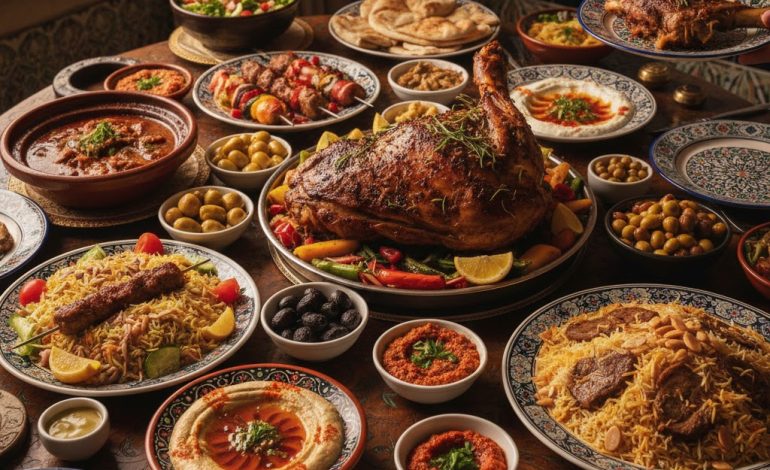
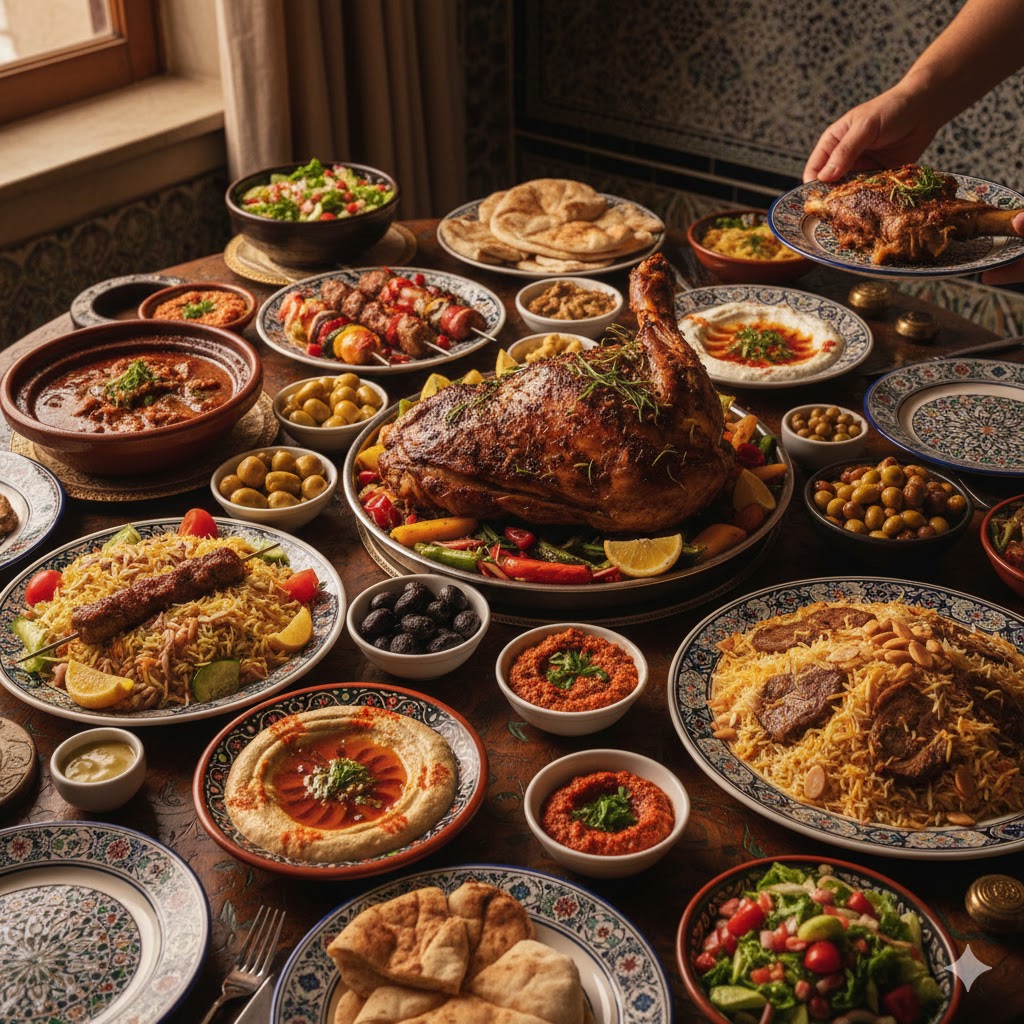
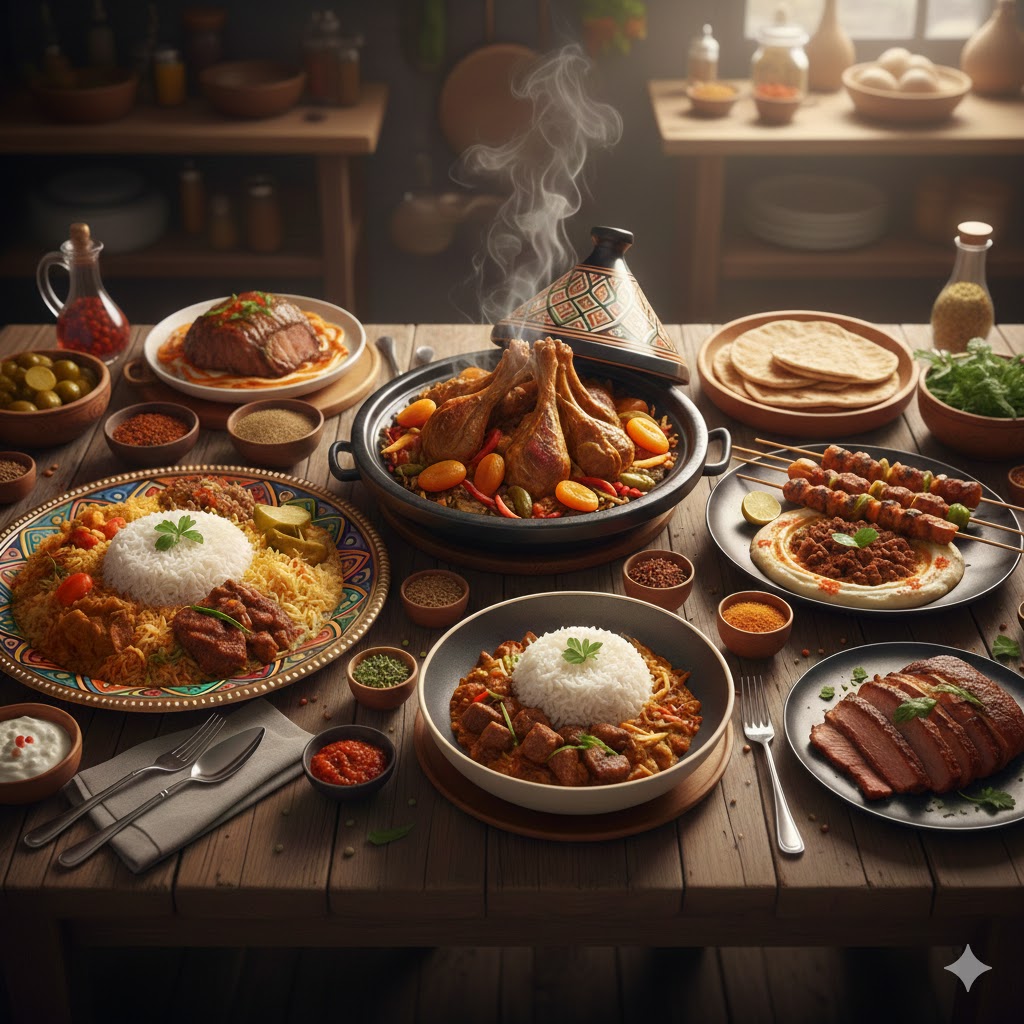
Curries and Stews: Dishes like karahi, nihari, and mutton curry use slow-cooked Zabiha meat with aromatic spices.
-
Grilled and Roasted Meat: Kebabs, tandoori meats, and roasted lamb are popular festive dishes.
-
Rice-Based Dishes: Biryani and pulao often feature Zabiha meat, blending rich flavors and spices.
These culinary practices reflect the fusion of religious adherence with regional taste preferences.
Festivals and Community Practices
Eid al-Adha
The preparation of Zabiha meat reaches its peak during Eid al-Adha, also known as the Festival of Sacrifice:
-
Animals are sacrificed following Zabiha guidelines.
-
Meat is divided into three parts: family, relatives/friends, and the needy.
-
Community celebrations include shared meals featuring dishes like biryani, kebabs, and curries.
Weddings and Special Occasions
-
Zabiha meat is integral to wedding feasts and family gatherings.
-
Traditional dishes prepared from Zabiha meat highlight both hospitality and cultural heritage.
Modern Adaptations
In urban South Asia, modern Zabiha practices incorporate hygiene standards and convenience:
-
Certified slaughterhouses ensure compliance with religious and food safety regulations.
-
Packaged Zabiha meat is available in supermarkets, often frozen for longer shelf life.
-
Online delivery services now provide Zabiha meat to urban households, combining tradition with convenience.
Conclusion
Zabiha meat preparation in South Asia is a rich blend of religious devotion, culinary tradition, and community practice. From careful selection of animals to skilled slaughtering and traditional cooking methods, every step reflects centuries of faith and cultural heritage. Festivals like Eid al-Adha, family celebrations, and daily meals all incorporate Zabiha meat, making it a symbol of ethical practice, spiritual observance, and social unity.
For South Asian Muslims, Zabiha is more than food—it is a tradition that connects faith, family, and culture in every meal.