
Global Zabiha Meat Standards Explained

Zabiha meat is a cornerstone of halal dietary practices, observed by millions of Muslims worldwide. Ensuring that meat is not only halal but also meets strict Zabiha standards is vital for both religious compliance and consumer trust. While the term “halal” refers broadly to permissible food under Islamic law, Zabiha meat refers specifically to meat from animals slaughtered according to detailed Islamic guidelines. Understanding these global standards is essential for consumers, retailers, and producers alike.
What is Zabiha Meat?
The word Zabiha comes from the Arabic root “ذَبْح” (dhabḥ), which means to slaughter. Zabiha meat is meat from animals slaughtered in the prescribed Islamic manner, ensuring the animal’s life is respected, the process is humane, and the meat is halal.
Key points of Zabiha meat:
-
The animal must be alive and healthy at the time of slaughter.
-
A sharp knife is used to swiftly cut the throat, windpipe, and major blood vessels.
-
Blood is fully drained from the animal.
-
The name of Allah (Bismillah) is recited at the time of slaughter.
Unlike general halal meat, Zabiha emphasizes the method of slaughter and handling to ensure strict compliance with Islamic teachings.
Core Principles of Zabiha Meat
-
Health and Welfare of the Animal
Zabiha standards require that animals are treated with care throughout their life and are free from disease or injury. Stress, pain, or mistreatment prior to slaughter is discouraged as it may affect both the animal’s well-being and the meat’s quality. -
Method of Slaughter
A trained Muslim must perform the slaughter using a sharp knife to minimize suffering. The cut is swift, severing the jugular vein, carotid artery, and windpipe while avoiding the spinal cord. This method ensures a humane and efficient process. -
Drainage of Blood
Draining blood is a key requirement. Blood is considered impure in Islam, and proper drainage is necessary to make the meat halal and safe for consumption. -
Invocation of Allah’s Name
Reciting “Bismillah” at the moment of slaughter is an essential component of Zabiha standards, acknowledging the sanctity of life and adherence to religious practice.
Global Zabiha Meat Standards
While Zabiha meat principles are rooted in Islamic law, different countries and certifying bodies have established standards and certifications to ensure compliance. Here’s how it works globally:
1. North America
In the United States and Canada, organizations like the Islamic Food and Nutrition Council of America (IFANCA) and the Halal Monitoring Authority (HMA) certify Zabiha meat. They inspect slaughterhouses, monitor processing, and verify that both the halal and Zabiha requirements are met.
2. Europe
European countries often have stricter regulations on animal welfare alongside Zabiha standards. Organizations like the Halal Certification Europe (HCE) ensure that slaughtering practices meet both Islamic guidelines and local legal requirements.
3. Middle East & South Asia
Countries like Saudi Arabia, Pakistan, and the UAE follow local religious authorities for certification. These bodies often maintain detailed records of slaughter practices, ensuring animals are healthy and slaughtered according to Zabiha principles.
4. Australia & New Zealand
These countries are major exporters of halal and Zabiha meat. Certification is provided by authorities such as Halal Australia and Halal Meat Authority, combining international Zabiha compliance with high standards of food safety and animal welfare.
Why Certification Matters
Zabiha certification provides assurance to consumers that:
-
The meat is halal and religiously compliant.
-
The slaughtering process was humane.
-
Food safety and hygiene standards are maintained.
Certification often includes:
-
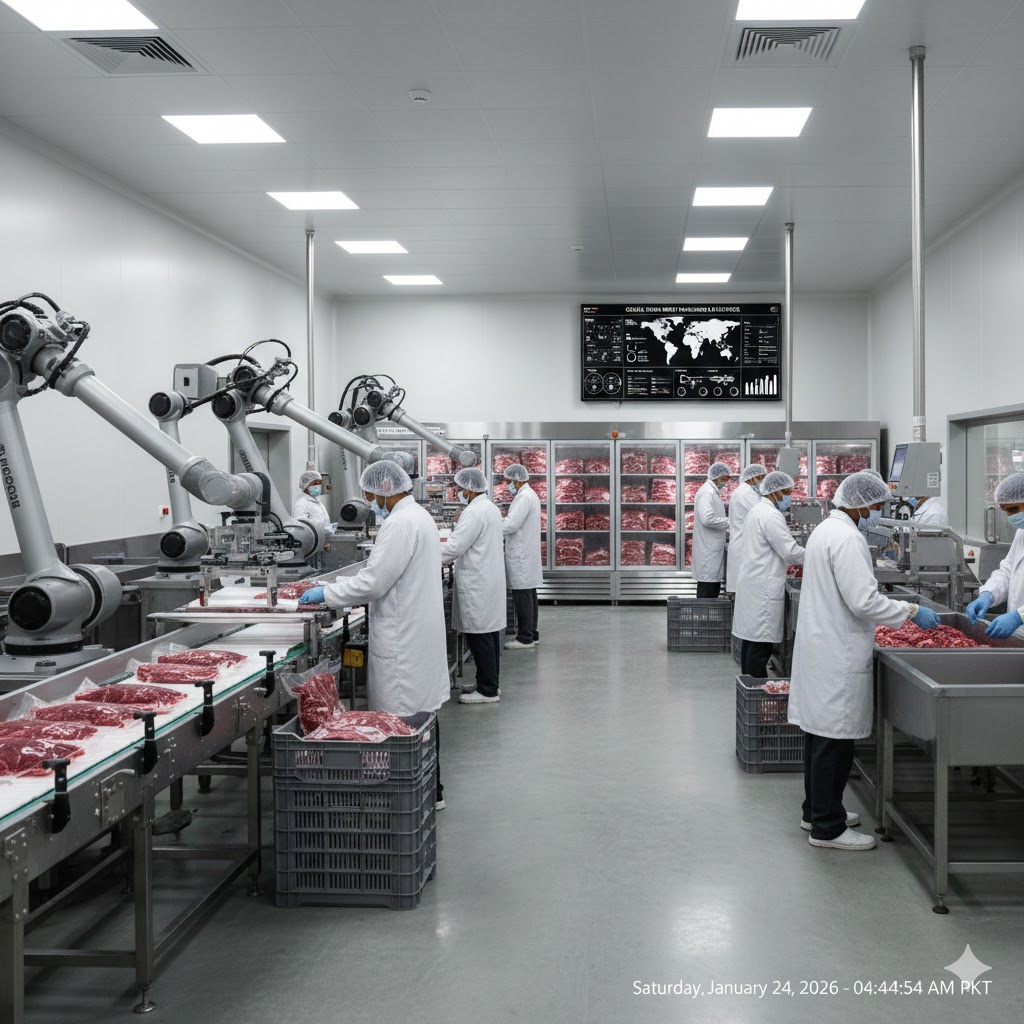
Audits of slaughterhouses
-
Verification of training for staff performing the slaughter
-
Tracking and labeling for transparency
Consumers can confidently purchase Zabiha meat knowing that it meets both religious and ethical standards.
Common Misconceptions
-
All halal meat is Zabiha – Not all halal-labeled meat meets strict Zabiha criteria. Zabiha specifically requires the proper method of slaughter and invocation of Allah’s name.
-
Zabiha is only about religion – While religious compliance is central, Zabiha standards also emphasize animal welfare, hygiene, and ethical practices.
-
Zabiha meat is more expensive without reason – The cost reflects careful handling, training, inspection, and certification to ensure both halal compliance and quality.
How to Identify Zabiha Meat
-
Look for certified labels from recognized organizations (e.g., IFANCA, HCE, Halal Australia).
-
Check for details on the slaughterhouse and certification body.
-
Verify that the meat is fresh, hygienically handled, and packaged properly.
Final Thoughts
Zabiha meat represents the highest standard of halal meat, combining religious adherence, humane practices, and quality assurance. For Muslims around the world, consuming Zabiha meat is not just about dietary law — it’s about respect for life, ethical food sourcing, and trust in the food supply.
Whether you are buying locally or importing from international suppliers, understanding global Zabiha meat standards ensures that the meat you serve is both religiously compliant and of the highest quality. Proper certification and awareness empower consumers to make informed choices, guaranteeing that every meal meets the ethical and spiritual standards of Zabiha.