Best Countries to Source Zabiha Meat

Zabiha meat is a crucial requirement for Muslims worldwide, ensuring that meat is slaughtered according to Islamic principles. With the growing demand for halal and Zabiha meat globally, sourcing high-quality meat that meets religious, ethical, and safety standards has become increasingly important. Not all meat suppliers adhere to Zabiha practices consistently, so knowing the best countries to source Zabiha meat can help importers, retailers, and consumers make informed choices.
What is Zabiha Meat?
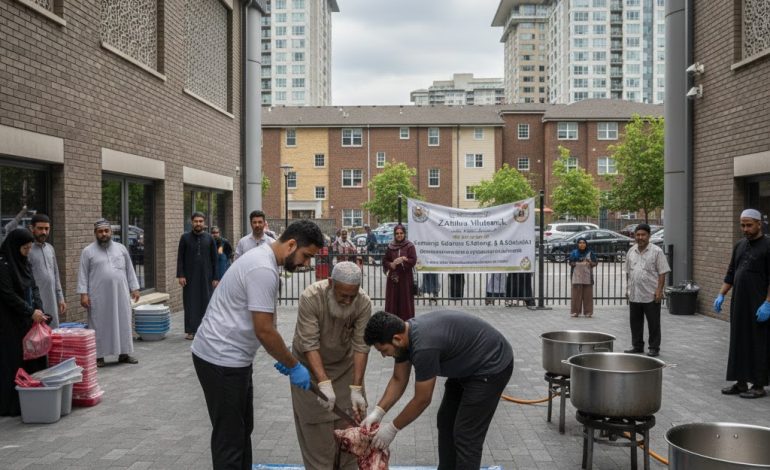
Zabiha meat is meat obtained from animals slaughtered according to Islamic law. Key principles include:
-
The animal must be alive and healthy at the time of slaughter.
-
A trained Muslim performs the slaughter using a sharp knife to cut the throat, windpipe, and major blood vessels.
-
Blood must be fully drained from the animal.
-
The name of Allah (Bismillah) is recited at the moment of slaughter.
Zabiha meat differs from regular halal meat in its strict adherence to these slaughtering rules, ensuring ethical treatment, religious compliance, and high-quality meat.
Factors to Consider When Sourcing Zabiha Meat
Before exploring the best countries, it’s essential to understand what makes a country a reliable source:
-
Halal Certification & Standards
Countries with well-established halal certification authorities ensure compliance with both religious laws and food safety standards. -
Animal Welfare
Healthy, stress-free animals produce better quality meat. Countries with strict animal welfare laws generally provide more humane slaughtering practices. -
Traceability & Transparency
Traceability ensures that every step, from farm to processing plant, is documented. This builds trust for importers and consumers alike. -
Global Reputation & Export Infrastructure
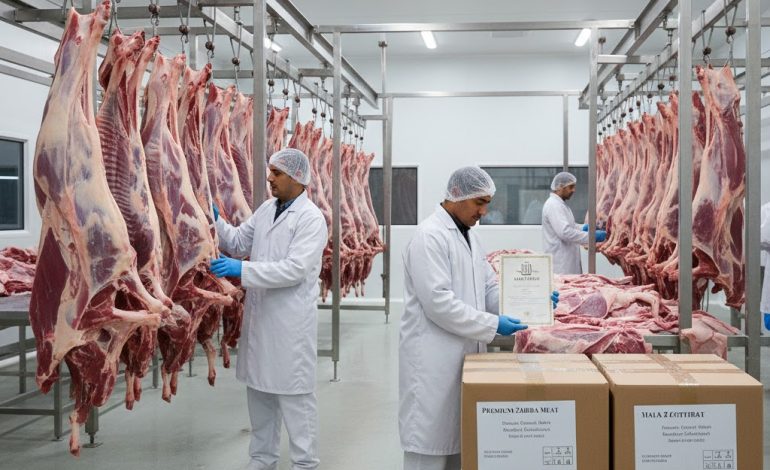
Countries with strong export networks, proper cold chain management, and international recognition are ideal for reliable Zabiha meat sourcing.
Top Countries to Source Zabiha Meat
1. Australia
Australia is one of the world’s leading exporters of halal and Zabiha meat, particularly beef and lamb.
Why Australia is a top choice:
-
Strict government food safety regulations
-
Recognized halal certification authorities (e.g., Halal Australia, IFANCA)
-
High standards of animal welfare and traceability
-
Advanced cold chain infrastructure for export
Australian beef and lamb are renowned for their quality, consistency, and strict adherence to Zabiha standards, making the country a preferred supplier for Middle East and Southeast Asian markets.
2. New Zealand
New Zealand is another major exporter of high-quality Zabiha meat, especially lamb and beef.
Advantages:
-
Well-regulated meat industry with robust certification programs
-
Commitment to animal welfare and humane handling
-
Strong international halal recognition
-
Efficient logistics and cold chain for global exports
New Zealand’s meat is highly regarded for its tenderness, flavor, and consistent adherence to religious guidelines.
3. Brazil
Brazil is one of the largest beef exporters in the world, including Zabiha-compliant products.
Strengths:
-
Large-scale, modern slaughterhouses capable of certified Zabiha slaughter
-
Export-oriented practices with established halal certification
-
Competitive pricing for bulk orders
-
Recognition in Middle East and Asian markets
Brazil offers a cost-effective option for importing high-volume Zabiha beef, though due diligence is needed to verify halal certification.
4. Pakistan
Pakistan is a key source for mutton, beef, and poultry, particularly for local and regional Zabiha markets.
Highlights:
-
Strong tradition of Zabiha slaughter and Islamic compliance
-
Recognized certification bodies for halal meat
-
Fresh meat exports to Middle East and Europe
-
Domestic production emphasizes religious adherence
For buyers seeking authentic Zabiha meat with traditional practices, Pakistan is a reliable and culturally aligned source.
5. Saudi Arabia & Gulf Countries
Some Gulf nations, including Saudi Arabia and UAE, export Zabiha meat sourced locally or from controlled farms.
Advantages:
-
Direct compliance with Islamic law
-
Strong certification and monitoring by religious authorities
-
High trust in Zabiha authenticity
Although production volumes may be smaller, sourcing from these countries ensures maximum religious compliance.
Tips for Sourcing Zabiha Meat
-
Verify Certification
Always check for recognized halal and Zabiha certification from reputable authorities. -
Assess Quality and Handling
Ensure suppliers maintain proper cold chain logistics and handle meat hygienically. -
Check Traceability
A transparent supply chain ensures accountability from farm to export. -
Consider Logistics & Cost
Choose countries with reliable shipping infrastructure and manageable costs for your target market.
Conclusion
Sourcing Zabiha meat requires careful consideration of religious compliance, quality, animal welfare, and logistics. Australia, New Zealand, Brazil, Pakistan, and Gulf countries are among the top reliable sources for Zabiha meat, offering high-quality products, internationally recognized certification, and robust export infrastructure.
For importers and retailers, choosing the right country ensures that consumers receive meat that is not only halal but also ethically sourced, hygienically handled, and consistent in quality. With proper due diligence and trusted suppliers, sourcing Zabiha meat globally can meet both religious and commercial needs effectively.