Tips for First-Time Zabiha Meat Cooks

Cooking Zabiha meat for the first time can feel both exciting and overwhelming. Zabiha meat, prepared according to Islamic guidelines, carries deep spiritual significance, but it also requires careful handling to ensure the best flavor, tenderness, and safety. Whether you are preparing it for daily meals or festive occasions like Eid al-Adha, following the right techniques can make a big difference in your cooking experience. This guide provides essential tips for first-time Zabiha meat cooks.
Understanding Zabiha Meat
Before cooking, it’s important to understand what makes Zabiha meat unique:
-
Religious Compliance: Zabiha meat comes from animals slaughtered according to Islamic law, ensuring spiritual adherence.
-
Quality and Freshness: Properly prepared Zabiha meat is fresh, ethically sourced, and drained of blood.
-
Variety: Common animals include lamb, goat, beef, chicken, and sometimes camel, each with different textures and cooking requirements.
Knowing these fundamentals helps first-time cooks select, handle, and prepare Zabiha meat correctly.
Selecting the Right Meat
The first step in cooking Zabiha meat is choosing the right cut:
-
Freshness Matters: Always select fresh meat with a bright color and firm texture. Avoid meat with a strong odor or discoloration.
-
Cut Type: Different dishes require different cuts:
-
Stews and Curries: Choose bone-in pieces for extra flavor.
-
Grilling or Roasting: Opt for tender cuts like lamb leg, shoulder, or chicken breast.
-
Rice-Based Dishes: Cubed meat from boneless cuts works best.
-
-
Fat Content: Some fat is desirable as it adds flavor, but avoid excessive fat, which can make dishes greasy.
Essential Preparation Steps
Proper preparation is key to ensuring the meat is tender and flavorful:
1. Cleaning
-
Rinse the meat gently under cold water.
-
Pat dry with a clean towel to remove excess moisture.
2. Marination
Marinating Zabiha meat not only enhances flavor but also tenderizes it:
-
Use yogurt, lemon juice, or vinegar as tenderizers.
-
Incorporate regional spices such as cumin, coriander, turmeric, garam masala, or chili powder.
-
Let meat marinate for at least 1–2 hours, or overnight for tougher cuts like goat or beef.
3. Proper Portioning
-
Cut meat into uniform pieces to ensure even cooking.
-
Separate bones from boneless pieces if your recipe requires it.
Cooking Techniques
The cooking method you choose depends on the cut and dish:
-
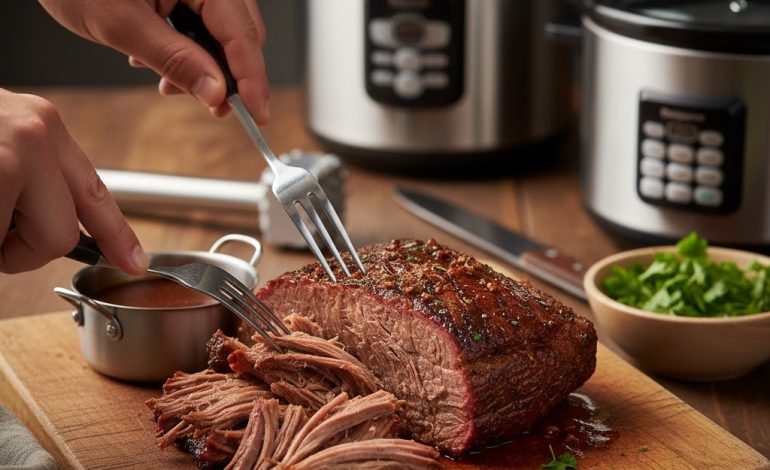
Slow Cooking/Stewing
-
Ideal for tougher cuts like goat or lamb shoulder.
-
Cook over low heat with spices, tomatoes, and onions until tender.
-
Use a heavy-bottomed pot to prevent burning and retain flavor.
-
Grilling and Roasting
-
Suitable for tender cuts and kebabs.
-
Marinate meat well and cook over medium heat to avoid dryness.
-
Rotate meat frequently for even browning.
-
Stir-Frying or Quick Sautéing
-
Works best with chicken or boneless lamb cubes.
-
Cook on high heat for short durations to preserve tenderness and moisture.
-
Rice-Based Dishes
-
For biryani or pulao, partially cook meat with spices before layering with rice.
-
Simmer slowly to allow flavors to blend.
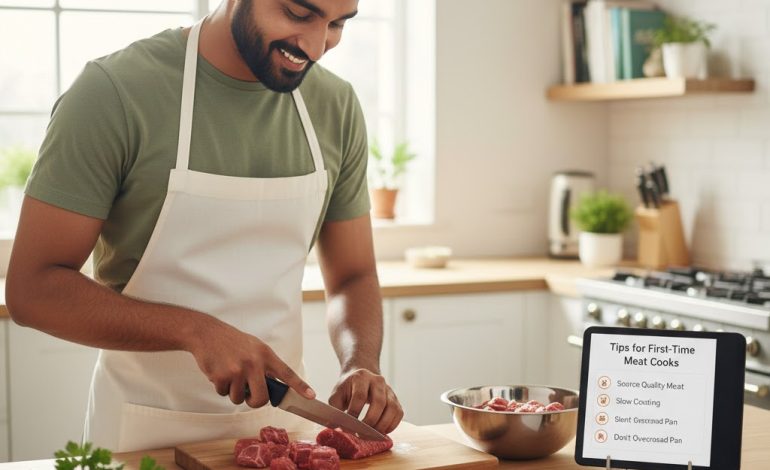
Tips for First-Time Zabiha Cooks
-
Start Simple: Begin with easy dishes like chicken curry or kebabs before tackling complex recipes like biryani or slow-cooked lamb.
-
Measure Spices Carefully: South Asian and Middle Eastern recipes can be spice-intensive. Adjust gradually to taste.
-
Use Fresh Ingredients: Fresh herbs, onions, garlic, and tomatoes enhance flavor and aroma.
-
Monitor Cooking Times: Overcooking can make meat tough, while undercooking can leave it chewy. Follow recommended times for each cut.
-
Layer Flavors: Build taste by sautéing spices, onions, and garlic before adding meat.
-
Rest Before Serving: Allow meat to rest for a few minutes after cooking to retain juices.
Common Mistakes to Avoid
-
Skipping Marination: Leads to less tender meat and weaker flavor.
-
High Heat for Tough Cuts: Tough cuts like goat or beef require slow cooking; high heat can make them chewy.
-
Overcrowding the Pan: Crowding prevents even cooking and proper browning.
-
Ignoring Bone-in Cuts: Bones enhance flavor, so don’t remove them unnecessarily for stews or slow-cooked dishes.
Serving and Presentation
-
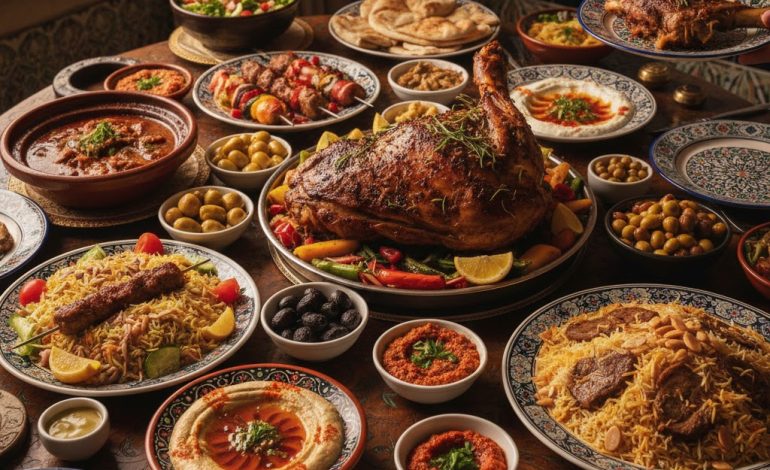
Serve Zabiha meat dishes with rice, bread, or traditional sides to complete the meal.
-
Garnish with fresh herbs, fried onions, or nuts for a professional touch.
-
For festive occasions, portion meat attractively and combine with colorful accompaniments to impress guests.
Conclusion
Cooking Zabiha meat for the first time may seem daunting, but understanding the basics of selection, preparation, and cooking makes the process manageable and enjoyable. Whether preparing daily meals or festive dishes for Eid al-Adha, following these tips ensures tender, flavorful, and spiritually compliant results.
By starting simple, respecting cooking techniques, and embracing the rich flavors of South Asian and Middle Eastern traditions, first-time Zabiha meat cooks can confidently create delicious meals that honor both faith and culture.