How to Handle Overcooked or Tough Meat

Cooking meat to perfection can be challenging, even for experienced cooks. Overcooked or tough meat is a common problem that can affect flavor, texture, and overall enjoyment. Whether it’s beef, lamb, chicken, or Zabiha meat, knowing how to handle tough or overcooked meat can save a meal and enhance your culinary confidence. This guide provides practical tips and techniques to rescue overcooked or tough meat and make it tender, flavorful, and enjoyable.
Understanding Why Meat Becomes Tough
Before learning how to fix tough meat, it’s important to understand why it happens:
-
Overcooking: Cooking meat for too long, especially at high heat, causes proteins to tighten and squeeze out moisture.
-
Poor Cut Selection: Some cuts naturally have more connective tissue and require slow cooking.
-
Inadequate Marination: Tough cuts benefit from acids or enzymes in marinades to break down fibers.
-
Improper Resting: Cutting meat immediately after cooking can cause juices to escape, leading to dryness.
Recognizing the cause helps you choose the most effective method to rescue your meat.
Immediate Solutions for Overcooked Meat
If you notice your meat is overcooked while still hot, you can take steps to improve its texture and moisture:
1. Slice Against the Grain
-
Identify the direction of the meat fibers.
-
Slice perpendicular to the grain to shorten fibers and make meat easier to chew.
2. Use Moist Cooking Techniques
-
Simmer over low heat in broth, stock, or sauce for 10–20 minutes.
-
The liquid helps rehydrate the meat and infuse flavor.
3. Shred or Chop the Meat
-
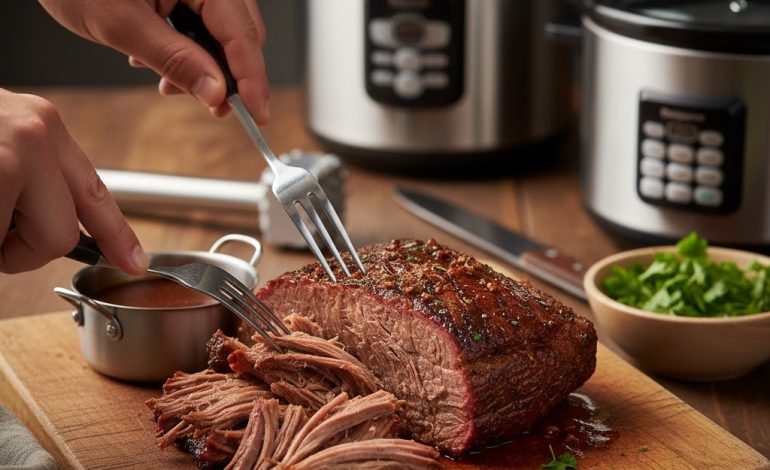
Convert overcooked meat into shredded meat for tacos, sandwiches, or stews.
-
Shredding disguises dryness and allows it to absorb sauces better.
4. Add Moisture-Rich Ingredients
-
Mix meat with vegetables, sauces, or gravies to improve texture.
-
Ingredients like tomatoes, onions, or yogurt help tenderize and add flavor.
Techniques for Tough Cuts
Tough meat often comes from muscles with high connective tissue. These cuts include beef chuck, lamb shoulder, goat leg, or certain Zabiha cuts.
1. Slow Cooking
-
Use a slow cooker or simmer gently on the stove.
-
Cooking at low heat over several hours breaks down collagen, making meat tender.
-
Ideal for stews, curries, and braised dishes.
2. Pressure Cooking
-
Pressure cookers reduce cooking time while effectively tenderizing tough meat.
-
Retain moisture and flavor by adding broth, spices, and aromatics.
3. Marination and Acidic Solutions
-
Use yogurt, lemon juice, vinegar, or tomato-based marinades.
-
The acids break down tough fibers and add flavor.
-
Marinate for at least 1–2 hours, or overnight for very tough cuts.
4. Mechanical Tenderizing
-
Use a meat mallet to pound tough cuts before cooking.
-
Scoring the surface or cutting into smaller pieces also helps improve texture.
Flavor Recovery for Overcooked Meat
Even if texture is compromised, flavor can be enhanced:
-
Sauces and Gravies: Rich, aromatic sauces like curry, tomato-based stews, or gravies complement dry meat.
-
Herbs and Spices: Fresh herbs, garlic, onions, and spices enhance taste and mask dryness.
-
Slow Braising: Combine meat with vegetables and stock; simmer gently to allow flavors to infuse.
-
Moisture-Rich Cooking Methods: Poaching, stewing, or even adding a small amount of wine or yogurt can restore flavor.
Repurposing Overcooked Meat
Overcooked or tough meat doesn’t have to go to waste. Some creative ideas include:
-
Soups and Stews: Cut meat into cubes or shred it for flavorful soups.
-
Sandwiches and Wraps: Use shredded meat with sauces, cheese, or veggies.
-
Casseroles: Mix meat into rice, pasta, or baked dishes for added protein.
-
Tacos or Burritos: Flavored shredded meat works perfectly in wraps or flatbreads.
Repurposing allows you to salvage meals and minimize waste.
Prevention Tips
While rescuing meat is possible, prevention is the best approach:
-
Choose the Right Cut: Tender cuts like ribeye, tenderloin, or chicken breasts cook quickly. Tough cuts benefit from slow cooking.
-
Monitor Cooking Times: Use timers and meat thermometers to avoid overcooking.
-
Marinate Tough Cuts: Adds flavor and aids in tenderizing.
-
Allow Resting: Let meat rest after cooking to redistribute juices.
By combining prevention with recovery techniques, you can consistently achieve tender, flavorful meat.
Conclusion
Overcooked or tough meat is a common challenge, but it doesn’t have to ruin your meal. By understanding why meat becomes tough and using the right techniques—slicing against the grain, slow cooking, marination, or creative repurposing—you can restore tenderness, flavor, and moisture. Whether you are working with beef, lamb, chicken, or Zabiha meat, these tips help first-time cooks and seasoned chefs alike turn a potentially disappointing dish into a delicious success.
With the right preparation and techniques, every cut of meat can become a flavorful, enjoyable part of your meal. Overcooked or tough meat is not a failure—it’s an opportunity to get creative in the kitchen.