Supporting Sustainable Meat Production

Meat production is a vital part of the global food system, providing protein, nutrients, and culinary diversity. However, traditional meat production practices can have significant environmental and ethical impacts. From deforestation to greenhouse gas emissions, conventional methods often strain natural resources. Supporting sustainable meat production ensures that meat consumption is environmentally responsible, ethically sound, and socially beneficial. This blog explores the key ways consumers, farmers, and industries can contribute to sustainable meat practices.
What Is Sustainable Meat Production?
Sustainable meat production focuses on meeting current food needs without compromising the ability of future generations to do the same. It emphasizes:
-
Environmental Stewardship: Reducing land degradation, water usage, and carbon emissions.
-
Animal Welfare: Ensuring livestock are raised humanely, with adequate space, nutrition, and veterinary care.
-
Economic Viability: Supporting farmers and local communities through fair practices.
-
Health and Nutrition: Producing meat that is safe, wholesome, and responsibly sourced.
By combining these principles, sustainable meat production addresses ecological, ethical, and economic concerns.
Key Strategies for Sustainable Meat Production
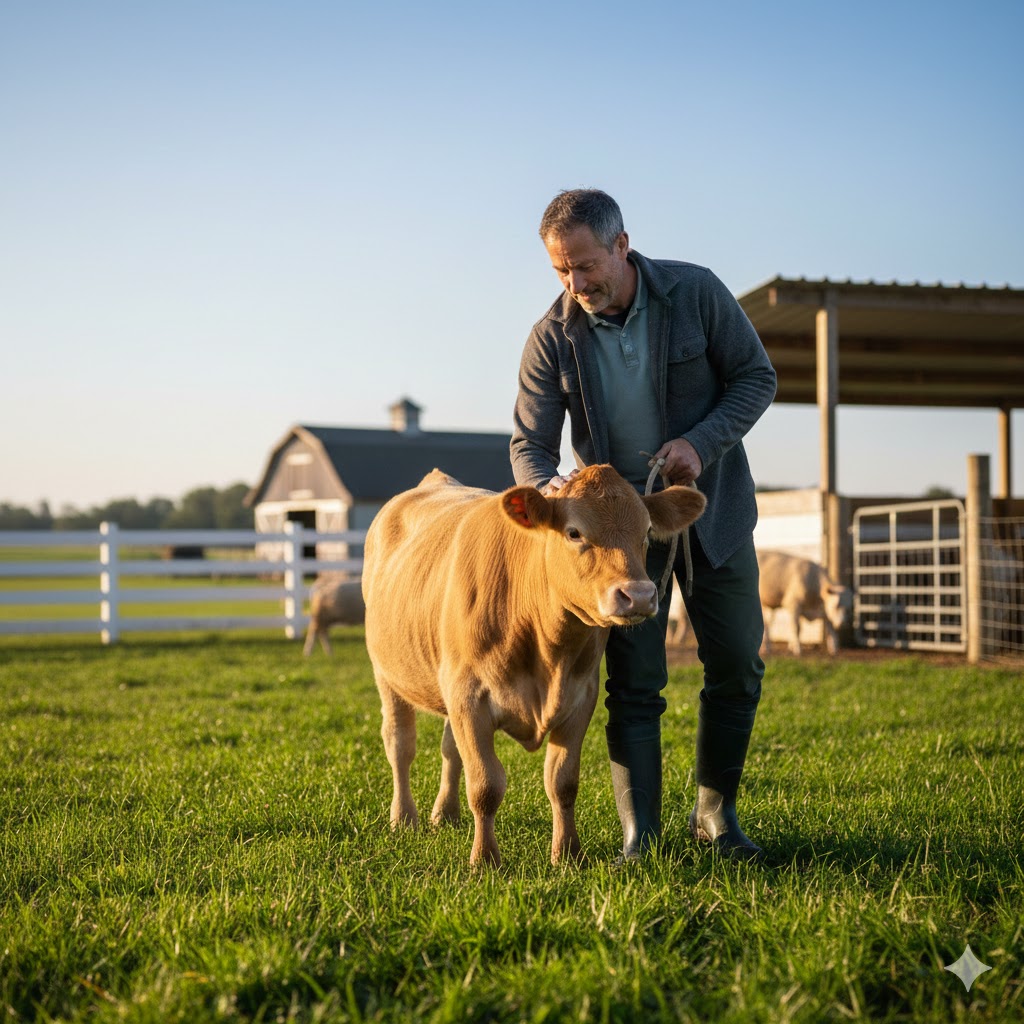
1. Ethical Animal Husbandry
Animal welfare is a cornerstone of sustainability:
-
Humane Living Conditions: Providing animals with space to move and express natural behaviors reduces stress and improves meat quality.
-
Balanced Nutrition: Proper feeding reduces the need for antibiotics and promotes healthy growth.
-
Health Monitoring: Regular veterinary care ensures animals remain disease-free and reduces environmental contamination from untreated waste.
Ethically raised animals produce better meat while minimizing the ecological footprint of meat farming.
2. Efficient Resource Management
Sustainable farms optimize land, water, and feed usage:
-
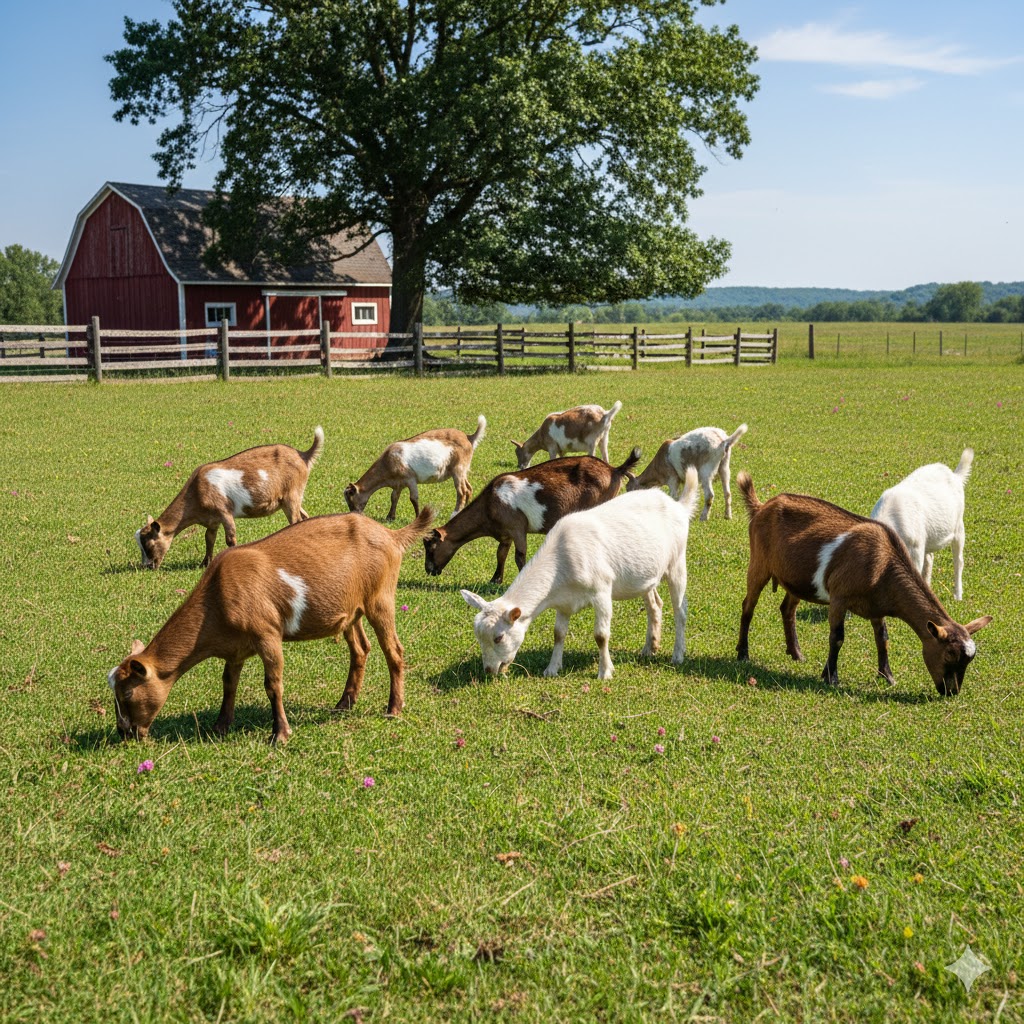
Rotational Grazing: Livestock are moved between pastures to prevent overgrazing, promote soil fertility, and protect biodiversity.
-
Water Conservation: Efficient irrigation, rainwater harvesting, and water recycling reduce consumption.
-
Feed Optimization: Using locally sourced or alternative feed reduces transportation emissions and land use.
Efficient resource management lowers environmental impact while maintaining productivity.
3. Reducing Greenhouse Gas Emissions
Meat production contributes to greenhouse gas emissions, primarily methane from ruminants and CO₂ from energy use. Sustainable practices include:
-
Manure Management: Composting or biogas production reduces methane release.
-
Energy Efficiency: Solar, wind, and other renewable energy sources power farms with minimal carbon footprint.
-
Feed Innovations: Adding specific supplements can reduce methane emissions from ruminants.
These steps help mitigate climate change without compromising meat production.
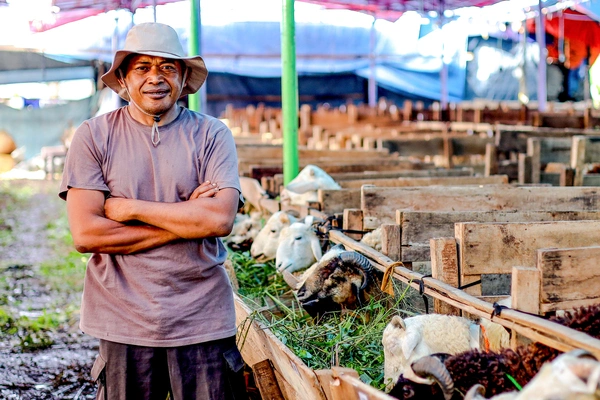
4. Supporting Local and Small-Scale Farmers
Local farmers often follow more sustainable and ethical practices than large industrial operations:
-
Shorter Supply Chains: Reduces transportation emissions and preserves freshness.
-
Community Impact: Supports local economies and livelihoods.
-
Transparency: Easier to verify animal welfare, feed quality, and environmental practices.
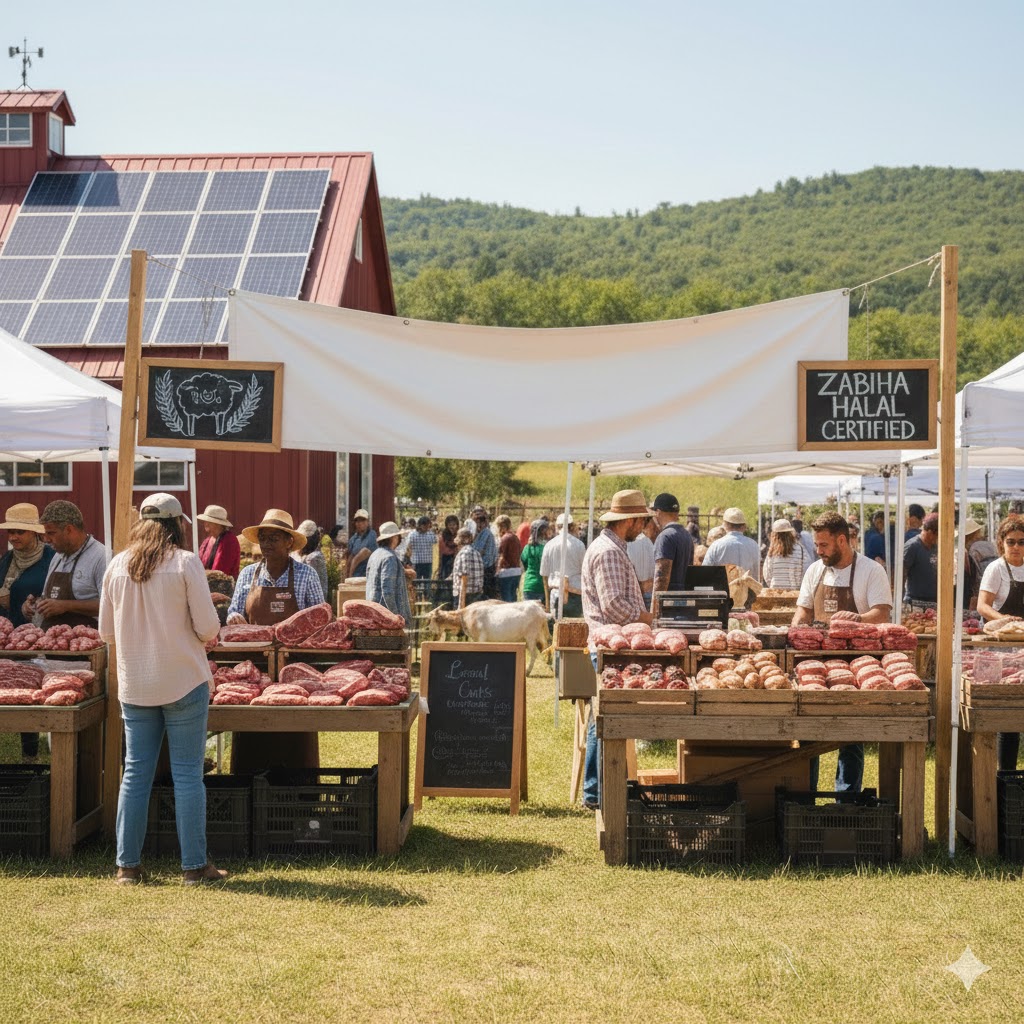
Choosing local and sustainably certified meat ensures that your consumption supports responsible practices.
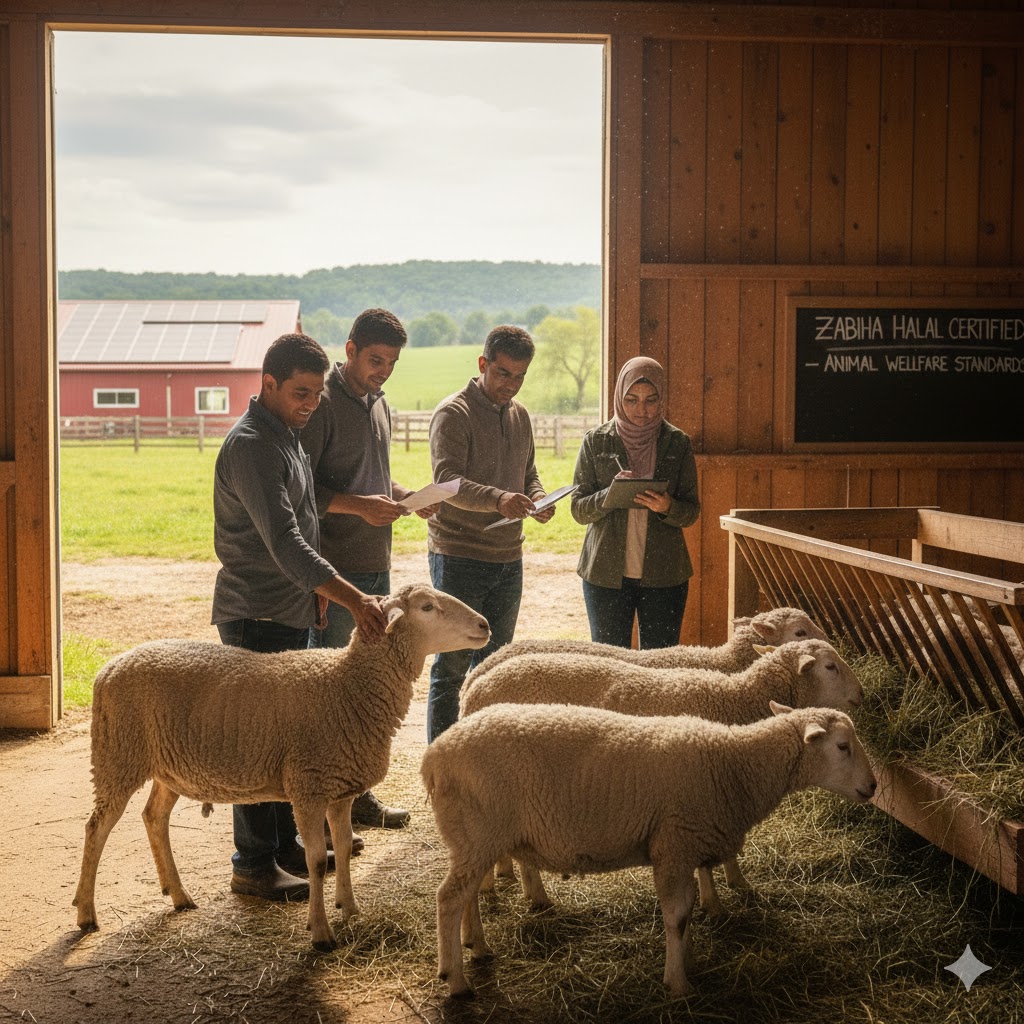
5. Encouraging Certified and Traceable Meat
Certification programs help consumers make informed choices:
-
Organic or Halal Certifications: Ensure meat is produced following ethical and religious standards.
-
Sustainable Labels: Indicate environmental and animal welfare compliance.
-
Traceability Systems: Track meat from farm to table, promoting transparency and accountability.
Consumers can influence the market by demanding responsibly sourced products.
6. Minimizing Waste
Sustainable meat production also addresses food waste:
-
Portioning and Preservation: Proper storage and freezing extend meat shelf life.
-
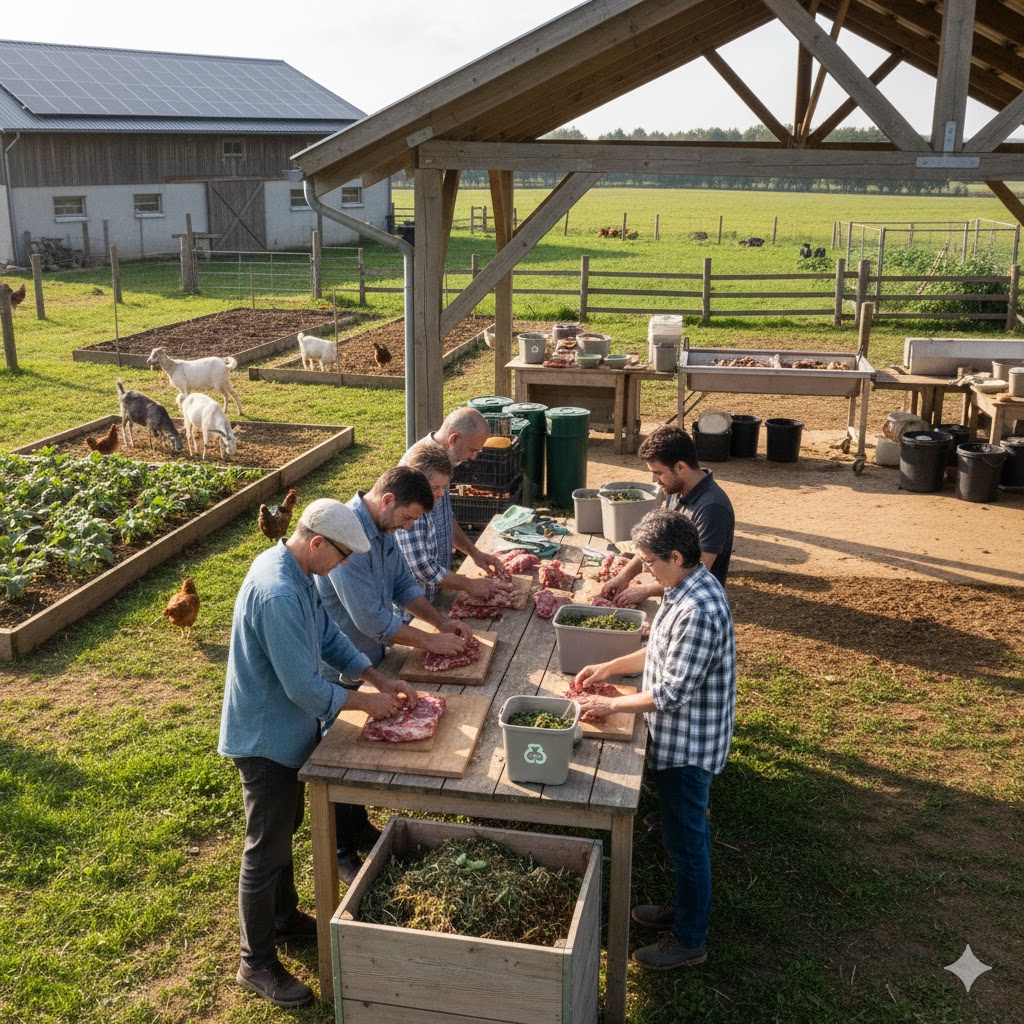
Utilizing Entire Animal: Nose-to-tail cooking reduces waste of edible parts.
-
Composting and Recycling: Meat by-products can be safely composted or used for feed or fertilizers.
Reducing waste maximizes the efficiency of resources used in meat production.
7. Consumer Awareness and Choices
Consumers play a significant role in supporting sustainability:
-
Reduce Overconsumption: Moderating meat intake lowers environmental pressure.
-
Prioritize Ethical Sources: Look for farms that emphasize welfare, local sourcing, and eco-friendly practices.
-
Advocate for Transparency: Supporting brands and retailers that disclose production methods encourages industry-wide change.
Informed decisions collectively drive demand for more sustainable meat practices.
Conclusion
Supporting sustainable meat production is essential for the environment, animal welfare, and society. Ethical husbandry, efficient resource use, reduced emissions, local sourcing, certification, waste minimization, and informed consumer choices all contribute to a more responsible meat industry.
By choosing meat from farms that prioritize sustainability and ethical practices, consumers can enjoy high-quality protein while ensuring that their food system protects natural resources and respects animal welfare. Sustainable meat production is not just a trend—it is a necessity for a healthier planet, healthier communities, and a more ethical food supply.