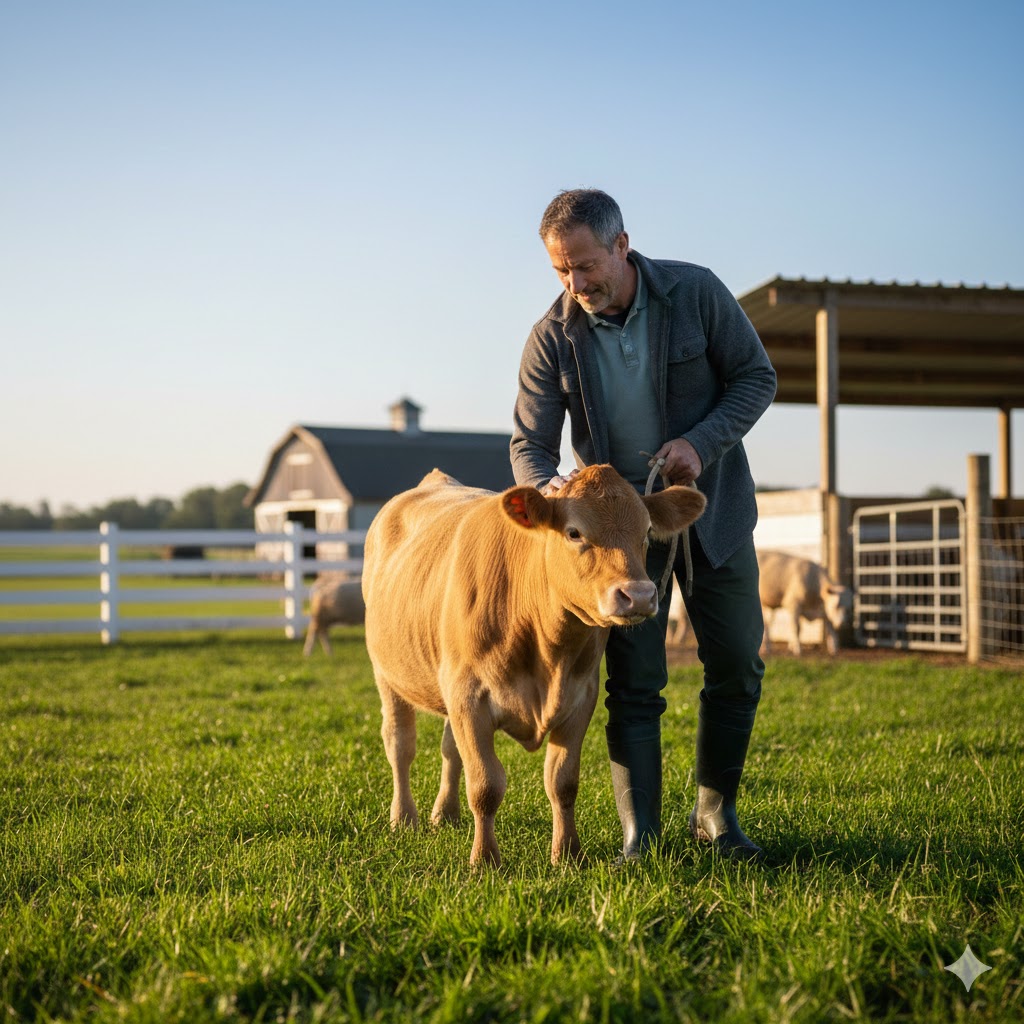
Humane Handling of Zabiha Animals

Zabiha meat is central to halal dietary practices, emphasizing not only religious compliance but also ethical treatment of animals. Humane handling is a crucial part of Zabiha standards, ensuring that animals are treated with care, respect, and dignity from birth until slaughter. Modern farms are increasingly adopting practices that minimize stress, prevent injury, and improve overall welfare, while remaining fully compliant with Islamic law. Understanding humane handling is essential for producers, consumers, and anyone involved in the preparation or consumption of Zabiha meat.
What Is Humane Handling in Zabiha Practices?
Humane handling refers to the care, management, and treatment of animals in a way that minimizes fear, stress, and pain. In Zabiha practices, this involves:
-
Providing Healthy Living Conditions: Clean housing, proper nutrition, and access to water.
-
Gentle and Stress-Free Handling: Ensuring animals are calm and comfortable at all times.
-
Ethical Slaughter Practices: Using swift, precise methods to minimize suffering.
-
Respectful Treatment: Recognizing animals as living beings deserving of care and kindness.
Islamic teachings emphasize compassion toward animals, and humane handling is a key way to uphold these values while producing halal meat.
Key Principles of Humane Handling
1. Proper Living Conditions
Animals raised for Zabiha meat must live in conditions that promote health and well-being:
-
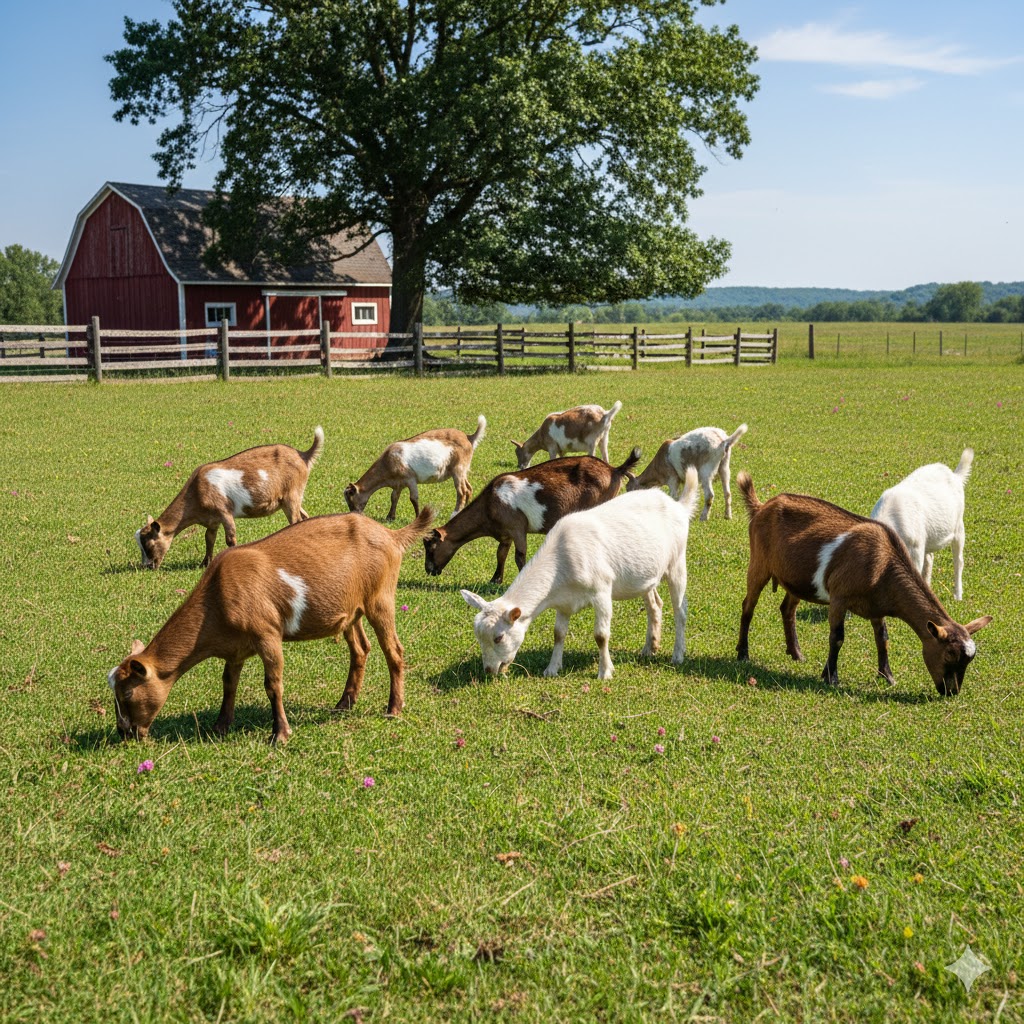
Spacious Pens and Pastures: Allowing animals to move freely, graze, and engage in natural behaviors.
-
Clean Environments: Regular cleaning prevents disease and promotes comfort.
-
Adequate Nutrition and Water: Balanced diets and constant access to clean water are essential for healthy growth and welfare.
-
Protection from Harsh Weather: Shelter from extreme heat, cold, or rain helps reduce stress and illness.
Healthy animals are calmer, easier to handle, and provide better-quality meat.
2. Calm and Stress-Free Handling
Stress during handling can affect both animal welfare and meat quality. Humane Zabiha practices include:
-
Gentle Movement: Avoiding force or loud noises while guiding animals to holding areas or slaughter points.
-
Non-Slip Flooring and Safe Corridors: Reduces the risk of injury and panic.
-
Trained Personnel: Handlers educated in animal behavior can recognize stress signs and adjust handling techniques.
-
Minimizing Waiting Times: Avoid overcrowding and long holding periods to keep animals calm.
By minimizing fear and stress, farms ensure both ethical treatment and higher meat quality.
3. Ethical Slaughter Practices
Slaughter is the defining moment of Zabiha, and humane handling continues through this stage:
-
Swift and Accurate Cuts: A sharp knife severs the throat, windpipe, and major blood vessels in a single motion, causing rapid loss of consciousness.
-
Proper Restraint: Animals are gently restrained to prevent struggle without causing harm.
-
Invocation of Allah: Reciting Bismillah at the moment of slaughter aligns with religious compliance and promotes mindfulness.
-
Hygienic Procedures: Clean facilities and proper handling reduce contamination risks while respecting the animal.
These steps ensure that animals are treated ethically until the very end, fulfilling both religious and moral obligations.
4. Modern Innovations in Humane Handling
Advancements in technology and facility design have enhanced humane handling in Zabiha practices:
-
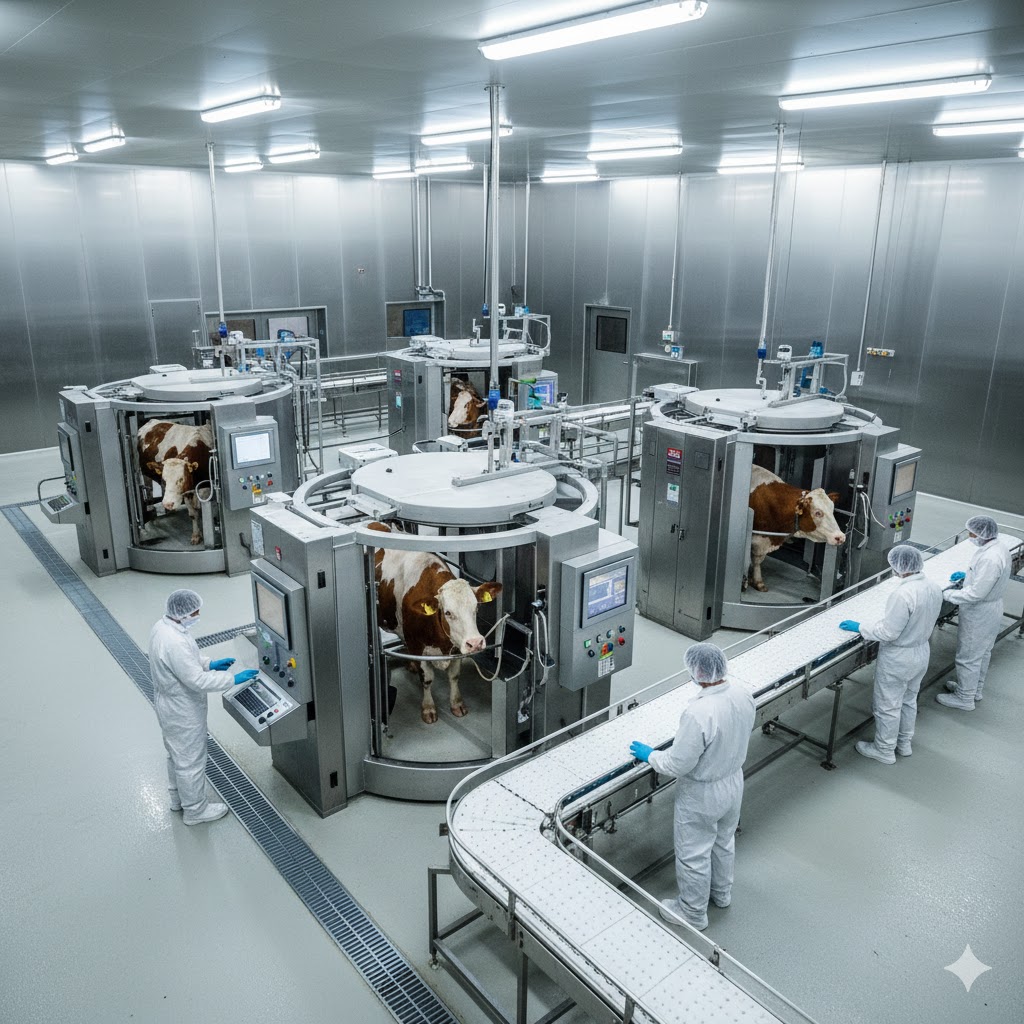
Automated Holding Systems: Reduce stress and human error during handling.
-
Climate-Controlled Housing: Maintains comfortable temperatures for animals year-round.
-
Monitoring Systems: Sensors and cameras track animal health, behavior, and welfare.
-
Pre-Slaughter Stunning (Where Permissible): Certain halal certifications allow reversible stunning to minimize stress without compromising Zabiha compliance.
These innovations help farms maintain high standards of welfare while producing meat efficiently.
Benefits of Humane Handling
-
Improved Animal Welfare: Reduces pain, stress, and fear, reflecting ethical and religious principles.
-
Better Meat Quality: Calm, healthy animals produce tender, flavorful, and safe meat.
-
Consumer Confidence: Transparency and ethical practices build trust in Zabiha meat products.
-
Sustainability: Stress-free and healthy livestock require fewer interventions, such as antibiotics, reducing environmental and economic costs.
Humane handling demonstrates that ethical treatment and high-quality meat production can go hand in hand.
Educating Communities and Consumers
Promoting awareness about humane handling is crucial:
-
Workshops for Farmers: Training in animal behavior, welfare, and Zabiha compliance improves practices.
-
Consumer Education: Understanding how animals are cared for allows buyers to make informed, ethical choices.
-
Transparency Initiatives: Visits to farms or slaughterhouses help verify humane practices.
Educated consumers and producers together help maintain the integrity of Zabiha meat and ensure ethical standards are consistently applied.
Conclusion
Humane handling of Zabiha animals is a cornerstone of ethical, religious, and high-quality meat production. From proper housing and nutrition to calm handling, ethical slaughter, and modern innovations, every stage of an animal’s life is treated with care and respect.
By prioritizing humane handling, Zabiha farms ensure that animals are treated ethically, meat quality is enhanced, and consumer confidence is strengthened. For families, communities, and producers, humane handling reflects a commitment to compassion, spirituality, and responsibility—a principle that extends beyond dietary law to a broader ethic of care for all living beings.