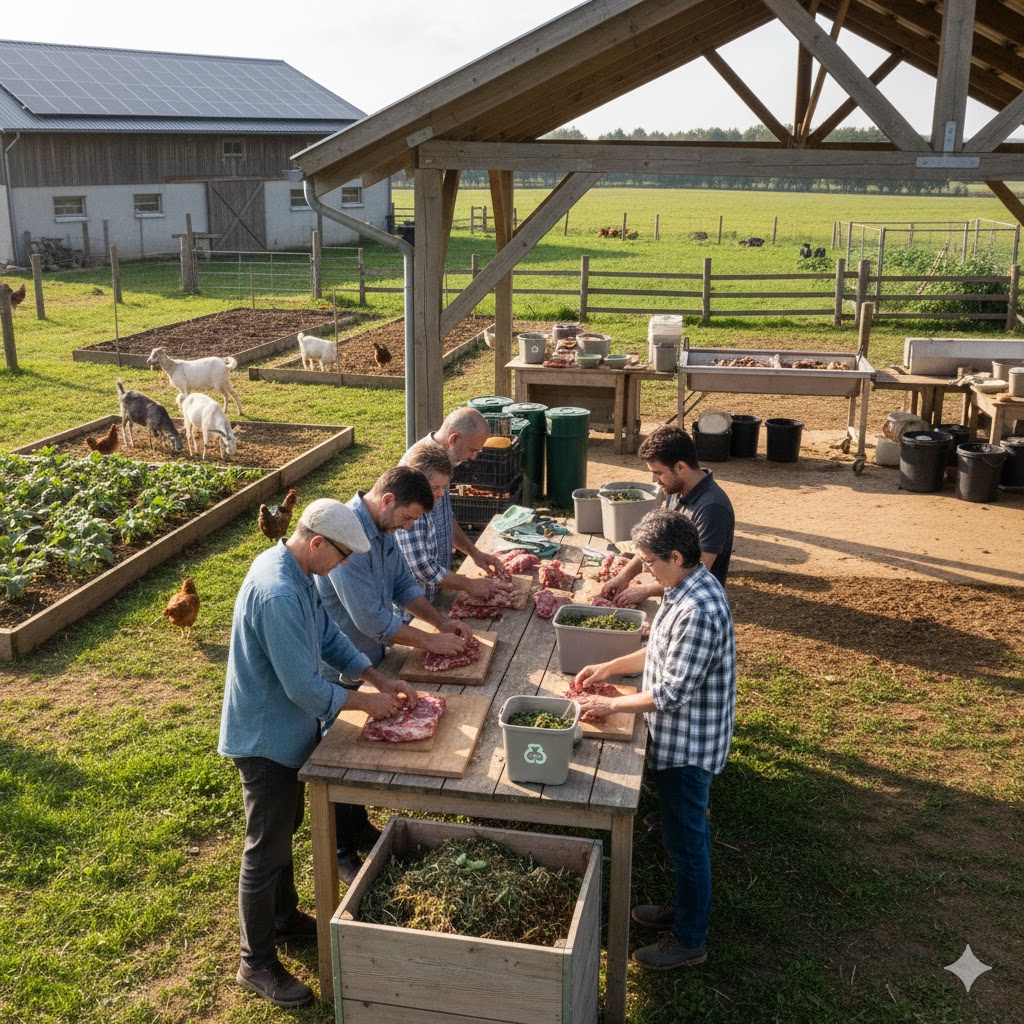

How Modern Farms Improve Ethical Practices

Modern farming has evolved far beyond traditional methods. Today, ethical practices in agriculture are a central concern for consumers, governments, and businesses alike. Ethical farming involves prioritizing animal welfare, environmental sustainability, worker rights, and food safety. With rising awareness of humane treatment and responsible sourcing, modern farms are adopting innovative techniques to ensure that food production is both efficient and ethically responsible. This article explores the key ways in which modern farms improve ethical practices.
1. Enhanced Animal Welfare
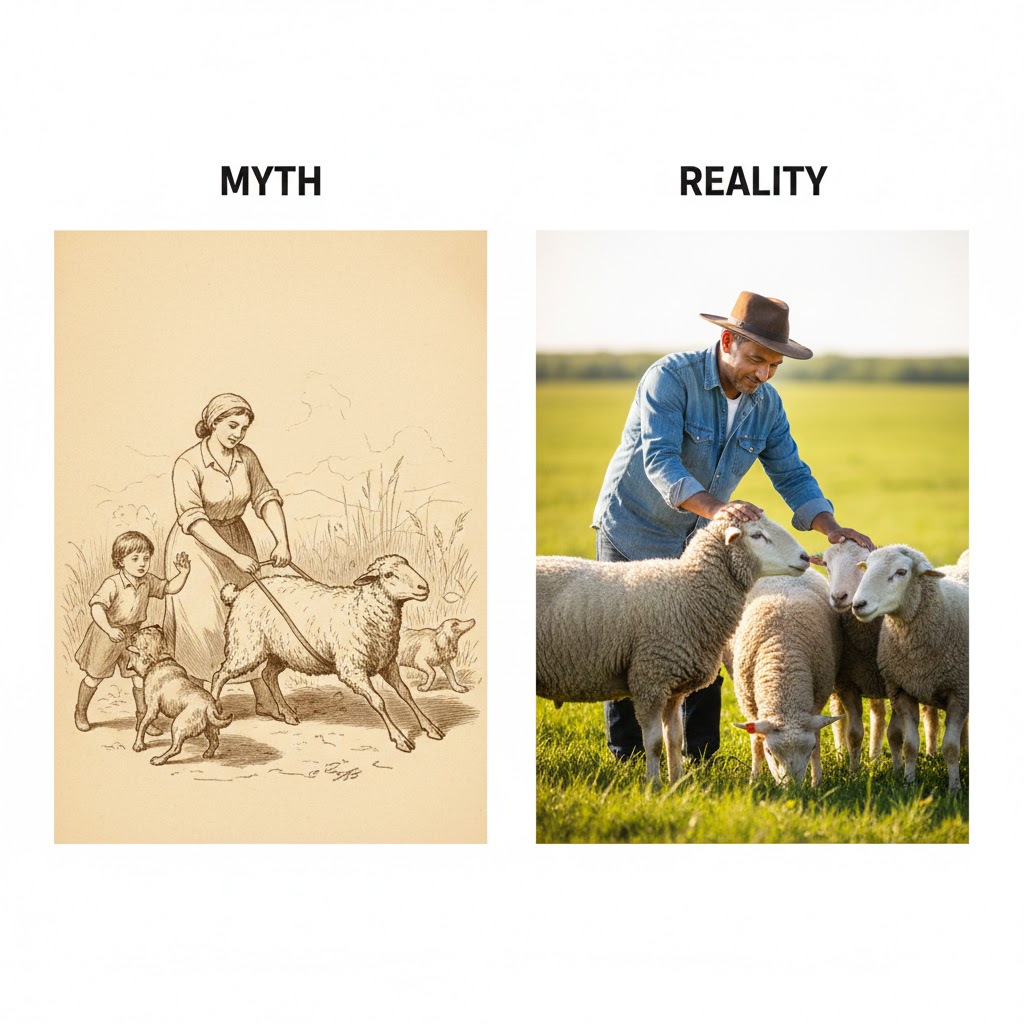
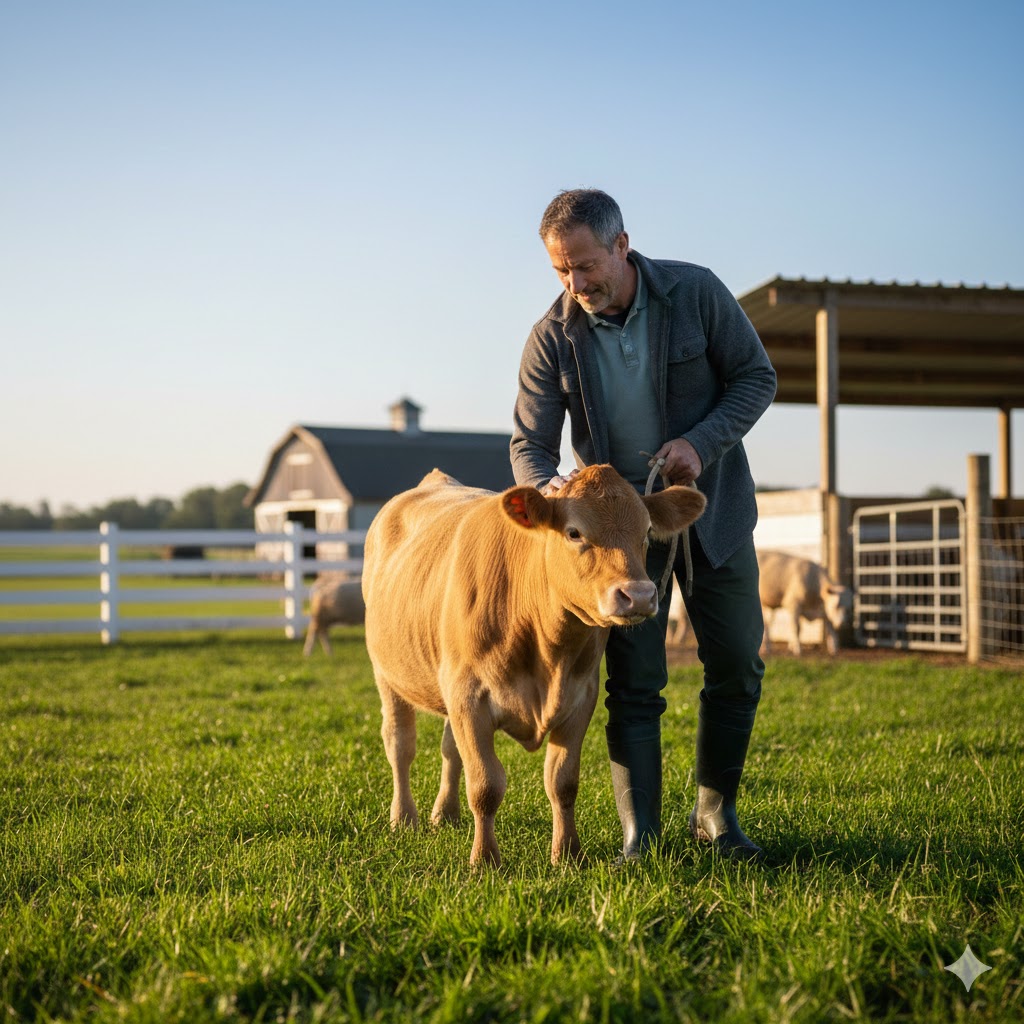
One of the most significant areas of improvement in modern farming is animal welfare. Ethical farms focus on creating conditions where livestock can thrive:
-
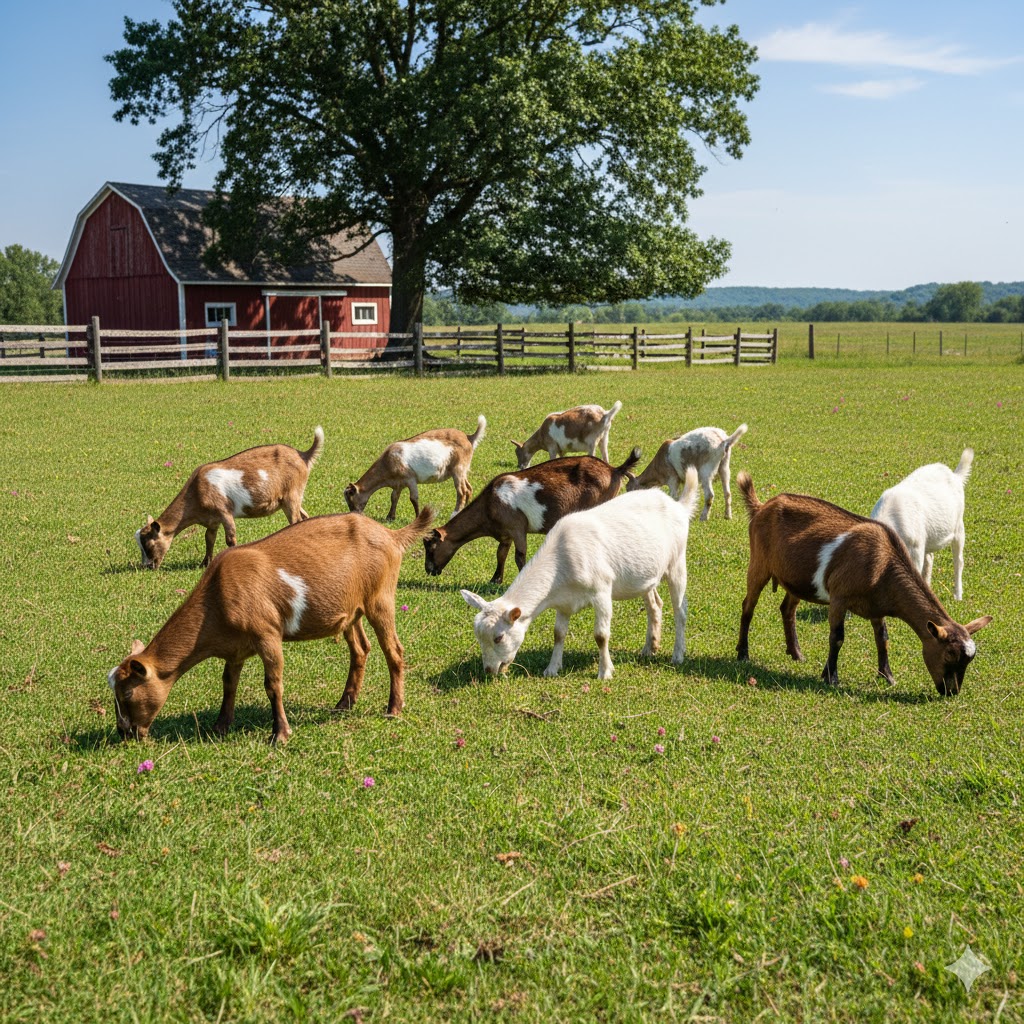
Spacious Living Conditions: Animals are provided with ample space to move, reducing stress and promoting natural behaviors.
-
Proper Nutrition: Balanced diets tailored to each species improve health and reduce the need for antibiotics.
-
Regular Health Monitoring: Advanced veterinary care and monitoring technology detect illnesses early and ensure humane treatment.
-
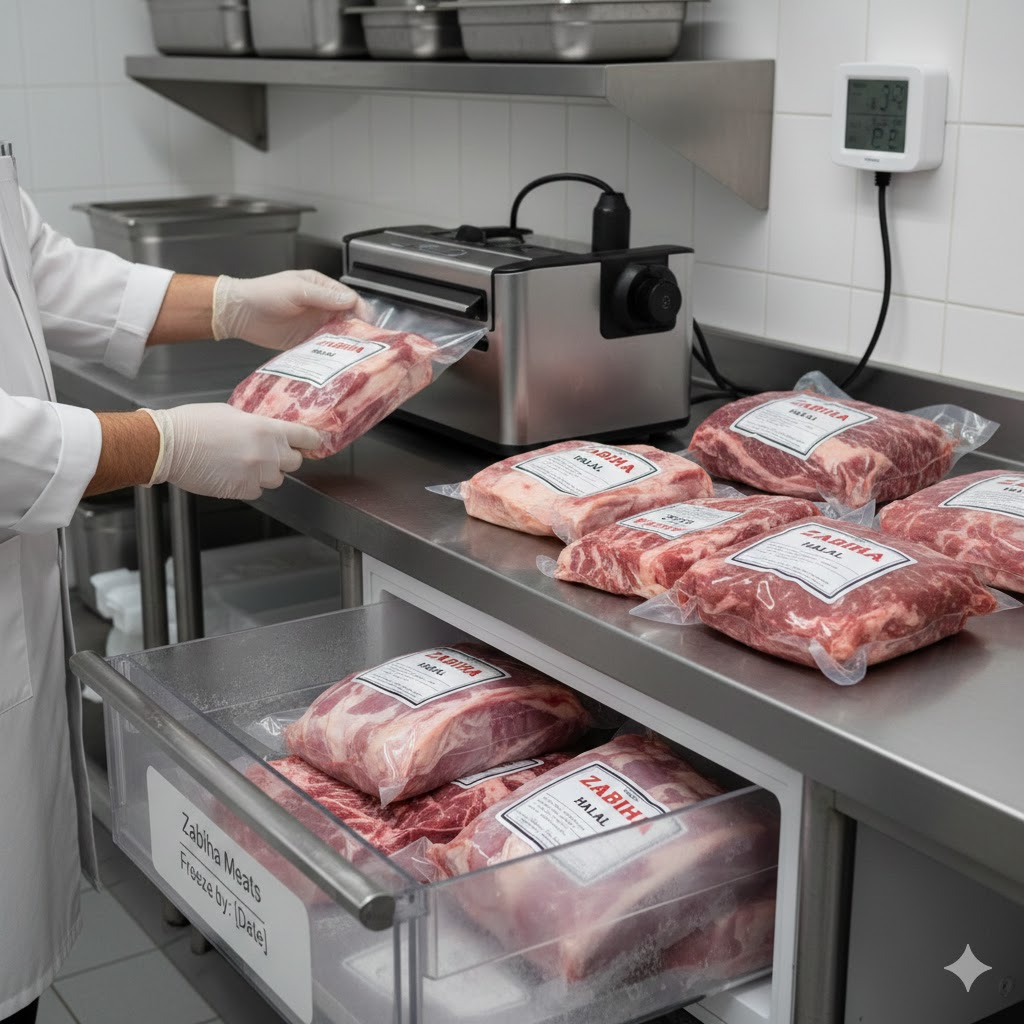
Stress-Free Handling: Humane slaughter practices, such as Zabiha for halal meat, ensure minimal suffering.
By prioritizing the physical and psychological well-being of animals, farms improve both the quality of life for livestock and the quality of the products.
2. Sustainable Environmental Practices
Modern farms increasingly integrate environmentally friendly practices to ensure ethical responsibility towards the planet:
-
Water Management: Efficient irrigation systems reduce water waste and protect local water sources.
-
Waste Recycling: Manure and crop residues are repurposed as natural fertilizers, minimizing chemical use.
-
Energy Efficiency: Solar panels, wind turbines, and energy-efficient machinery reduce carbon footprints.
-
Biodiversity Preservation: Planting cover crops, maintaining wetlands, and protecting wildlife habitats promote ecological balance.
Sustainability is no longer an afterthought—it is a core part of ethical farm management that benefits both the environment and local communities.
3. Fair Labor Practices
Ethical farming also encompasses fair treatment of workers:
-
Safe Working Conditions: Proper training, protective equipment, and safety protocols reduce accidents and injuries.
-
Fair Wages: Workers receive fair compensation, supporting livelihoods and local economies.
-
Rights and Benefits: Access to healthcare, leave, and other benefits ensures dignity and security for farm employees.
-
Skill Development: Programs for training and education empower workers, creating a more skilled and satisfied workforce.
Modern farms recognize that ethical practices extend beyond animals and crops to include human welfare.
4. Transparency and Traceability
Consumers today want to know where their food comes from and how it was produced. Ethical farms implement traceability systems:
-
Farm-to-Table Tracking: Digital records track animals or crops from production to sale.
-
Certifications: Halal, organic, or fair-trade certifications assure consumers of ethical standards.
-
Open Communication: Farms engage with customers through labeling, websites, and farm tours to demonstrate responsible practices.
Transparency builds trust and encourages accountability within the farming industry.
5. Reducing Chemical and Antibiotic Use
Modern farms aim to minimize the use of harmful chemicals:
-
Organic and Natural Fertilizers: Reduce environmental contamination and chemical residues in food.
-
Integrated Pest Management (IPM): Combines biological controls, crop rotation, and targeted pesticides for safer crop protection.
-
Responsible Antibiotic Use: Only necessary treatments are given, reducing antibiotic resistance and promoting animal health.
These measures improve food safety and protect public health, aligning with ethical farming goals.
6. Innovation and Technology
Technology plays a vital role in promoting ethical practices on modern farms:
-
Automated Monitoring: Sensors track animal health, feed intake, and environmental conditions in real-time.
-
Data-Driven Farming: Analytics optimize feeding, planting, and harvesting, reducing waste and improving efficiency.
-
Precision Agriculture: GPS-guided equipment ensures precise application of water, fertilizers, and pesticides, minimizing environmental impact.
By leveraging technology, farms can maintain high ethical standards while meeting growing consumer demand.
7. Community Engagement and Education
Ethical farms also prioritize community involvement:
-
Local Sourcing: Supporting nearby suppliers strengthens local economies.
-
Educational Programs: Schools, visitors, and consumers learn about sustainable and ethical practices.
-
Charitable Contributions: Some farms donate surplus food to those in need, reducing waste and promoting social responsibility.
Connecting farms to their communities fosters transparency, trust, and ethical stewardship.
Conclusion
Modern farms are redefining agriculture by integrating ethical practices that benefit animals, the environment, workers, and consumers. Enhanced animal welfare, sustainable practices, fair labor, transparency, reduced chemical use, technological innovations, and community engagement all contribute to a more responsible and conscientious farming industry.
As consumer awareness grows, ethical practices are becoming a standard rather than a choice. By adopting these approaches, modern farms not only produce high-quality food but also ensure that agriculture aligns with principles of responsibility, sustainability, and compassion.