Common Myths About Zabiha & Animal Treatment

Zabiha meat is a key component of halal diets, prepared according to Islamic guidelines for slaughtering animals. Despite its widespread practice, many misconceptions exist regarding Zabiha and how animals are treated during the process. These myths often stem from misunderstandings about Islamic principles, traditional practices, and modern farming techniques. Understanding the facts behind Zabiha not only helps consumers make informed choices but also promotes respect for ethical meat production.
What Is Zabiha?
Zabiha refers to meat from animals slaughtered according to Islamic law. Key principles include:
-
Humane Slaughter: A trained Muslim performs the slaughter by swiftly cutting the throat, windpipe, and major blood vessels.
-
Blood Drainage: Blood is fully drained from the animal to ensure purity and safety.
-
Invocation of Allah: The name of Allah (Bismillah) is recited during the slaughter.
-
Healthy Animals: Only healthy, well-treated animals are eligible for Zabiha.
Zabiha emphasizes both spiritual compliance and humane treatment, but myths often distort this understanding.
Myth 1: Zabiha Slaughter Is Cruel
Fact: The misconception that Zabiha is cruel arises from a misunderstanding of the method. In reality:
-
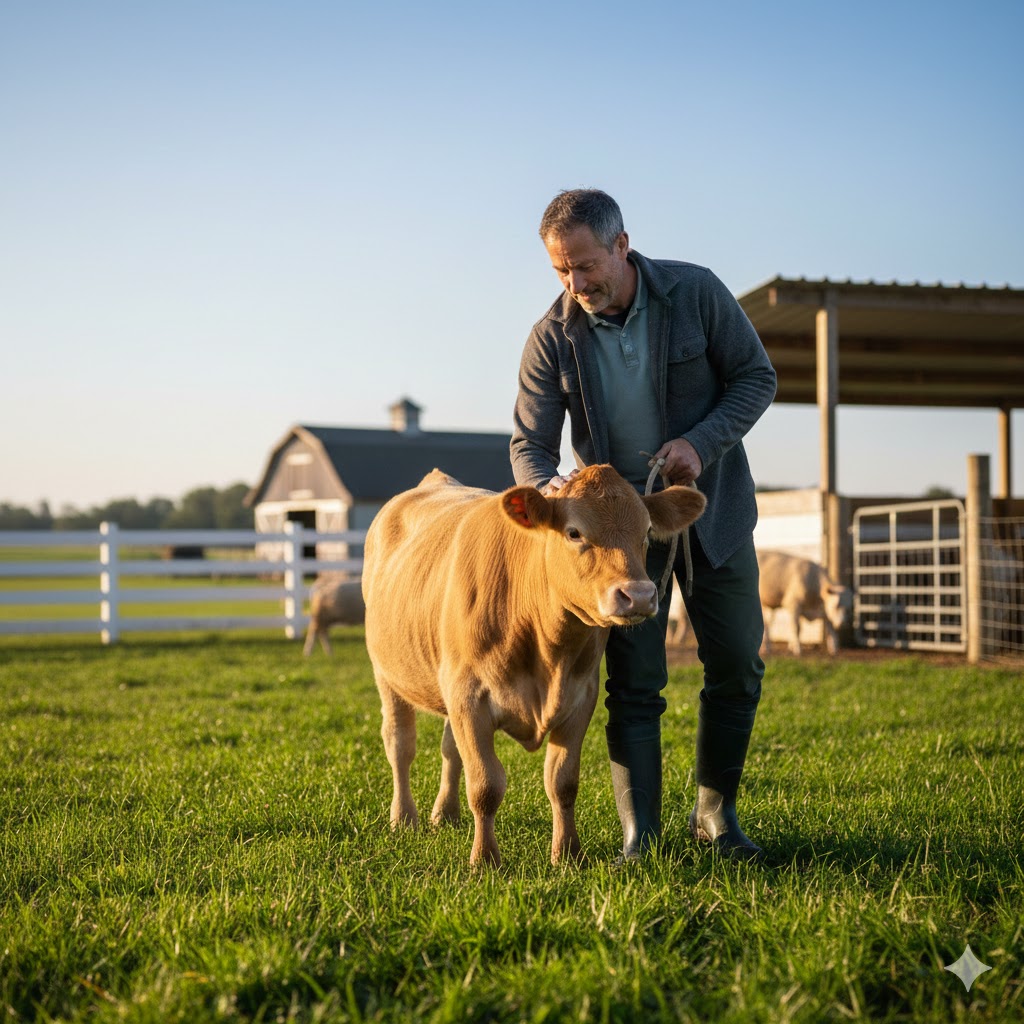
Animals are handled gently before slaughter.
-
Sharp knives and swift cutting minimize pain and stress.
-
Modern farms often use stunning techniques permitted in some interpretations to reduce distress while still following halal principles.
Studies have shown that when performed correctly, Zabiha slaughter is as humane, if not more so, than some conventional methods.
Myth 2: Animals Are Not Fed or Cared For Properly
Fact: Ethical Zabiha practices require that animals are healthy at the time of slaughter. This means:
-
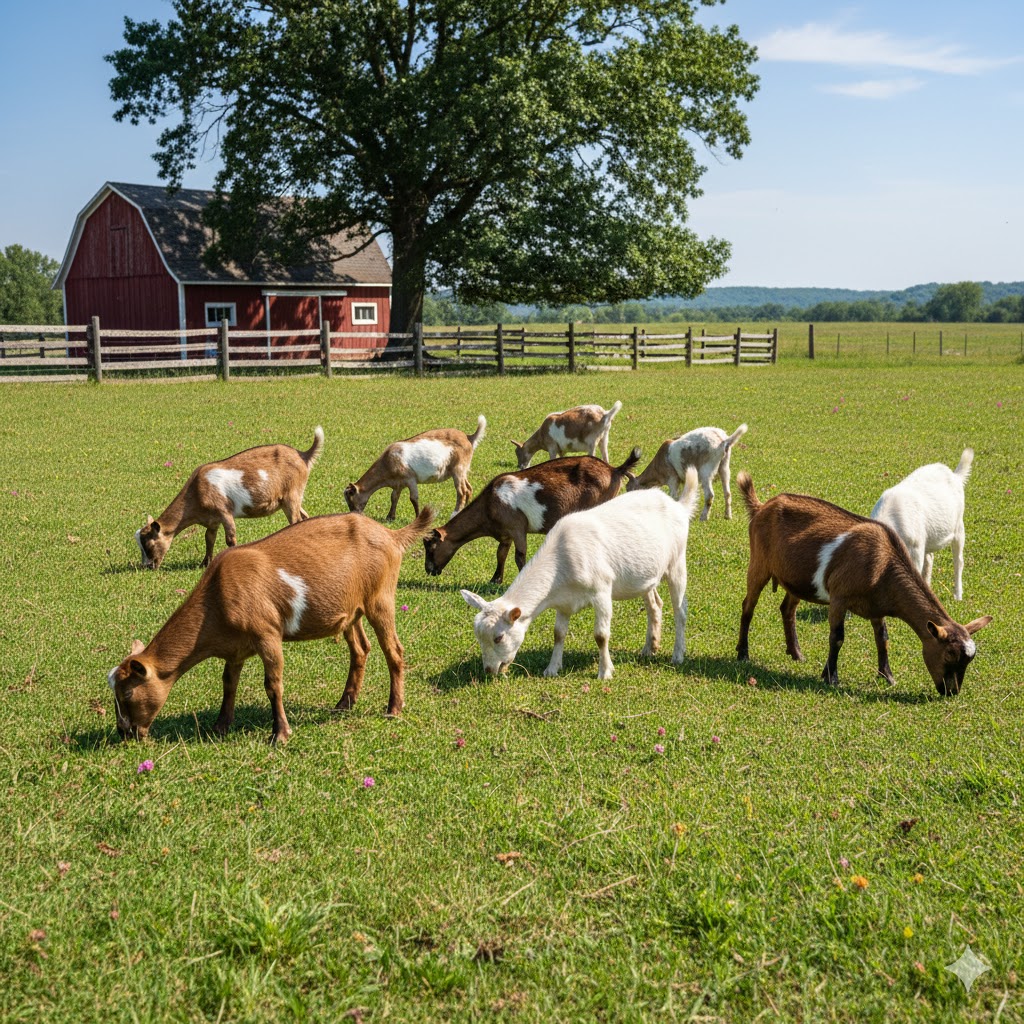
Proper nutrition is provided, including water and balanced feed.
-
Veterinary care ensures animals are free from disease or injury.
-
Stress reduction techniques, such as calm handling and spacious housing, are prioritized.
Healthy animals lead to better meat quality and align with both ethical and religious standards.
Myth 3: Zabiha Meat Is Less Hygienic
Fact: Hygiene is a fundamental aspect of Zabiha:
-
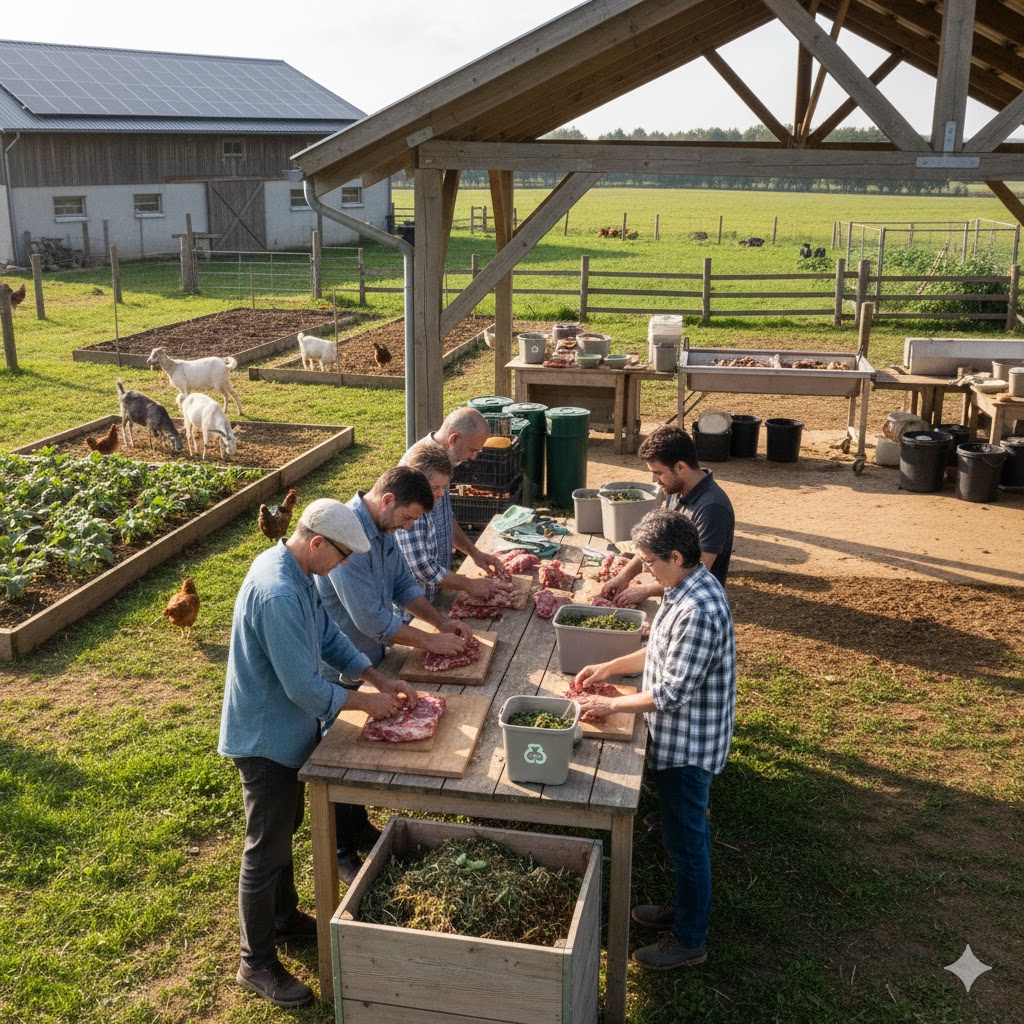
Slaughter occurs under controlled, clean conditions.
-
Blood drainage reduces bacterial contamination and improves shelf life.
-
Modern halal slaughterhouses follow strict sanitation protocols, similar to conventional meat processing facilities.
When handled and stored properly, Zabiha meat is as safe and nutritious as any other high-quality meat.
Myth 4: Zabiha Causes Animal Suffering
Fact: Zabiha is designed to minimize suffering:
-
The swift cut severs major blood vessels, causing rapid loss of consciousness.
-
Animals are not beaten or stressed during the process.
-
Islamic guidelines discourage mistreatment and emphasize kindness in handling animals.
This method ensures both humane treatment and compliance with religious principles.
Myth 5: Zabiha Meat Is Only About Religious Rituals
Fact: While Zabiha fulfills religious requirements, it also reflects ethical considerations:
-
Proper handling, feeding, and housing improve animal welfare.
-
Ethical slaughter ensures high-quality meat for consumption.
-
The process emphasizes mindfulness and responsibility toward animals.
Zabiha integrates spiritual, ethical, and practical considerations, showing that religious practice and animal welfare can coexist.
Myth 6: Modern Zabiha Is Outdated or Inefficient
Fact: Many modern Zabiha farms incorporate advanced technology and sustainable practices:
-
Automated monitoring of animal health and welfare.
-
Climate-controlled housing and stress-reducing environments.
-
Efficient processing systems that maintain hygiene and quality.
Modern farms demonstrate that Zabiha can be both traditional and progressive, combining ethical standards with modern efficiency.
Myth 7: All Halal Meat Is Zabiha
Fact: Not all halal-labeled meat is necessarily Zabiha:
-
Some meat is certified halal but may not strictly follow Zabiha slaughter guidelines.
-
Consumers seeking authentic Zabiha meat should verify certification, source, and slaughter method.
Understanding this distinction ensures compliance with religious and ethical standards.
Promoting Awareness and Education
To dispel myths about Zabiha and animal treatment:
-
Consumer Education: Learning about the slaughter process helps combat misconceptions.
-
Transparency: Farms and slaughterhouses sharing information on practices build trust.
-
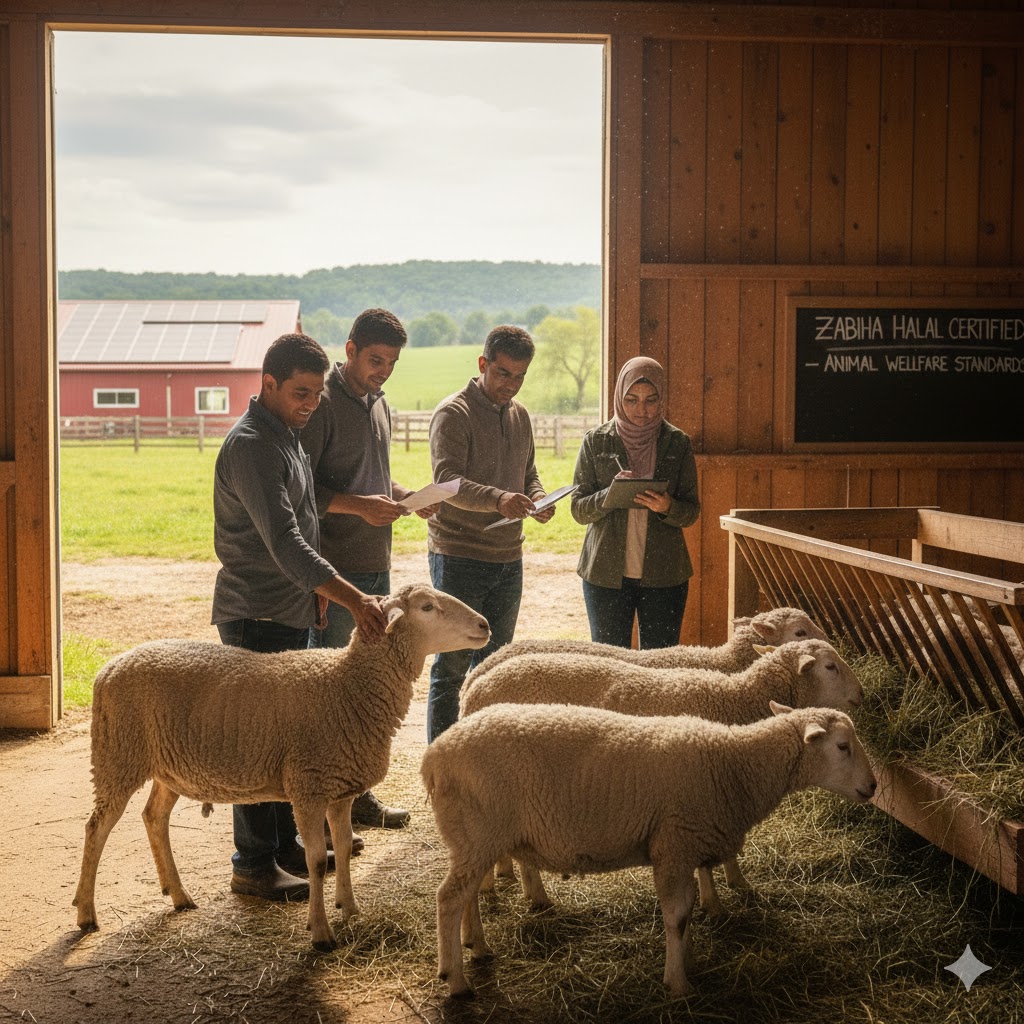
Community Engagement: Visiting farms or slaughter facilities allows firsthand observation of ethical practices.
-
Certification: Reputable halal certification bodies verify that meat meets religious and ethical requirements.
Educated consumers can make informed decisions and appreciate the ethical considerations of Zabiha.
Conclusion
Zabiha meat is often misunderstood due to myths about cruelty, hygiene, and efficiency. In reality, when performed according to Islamic guidelines and modern ethical practices, Zabiha ensures humane treatment, proper nutrition, and safe handling of animals. Modern farms further enhance animal welfare through technology, training, and sustainable practices.
By understanding the facts and dispelling misconceptions, consumers can confidently enjoy Zabiha meat, knowing that it aligns with both religious principles and modern standards of ethical animal treatment.