Benefits of Buying from Organic Zabiha Farms

In recent years, consumers have become increasingly aware of the food they eat, prioritizing health, ethical treatment of animals, and environmental sustainability. Organic Zabiha meat combines the principles of halal slaughter with organic farming practices, offering a product that meets religious, ethical, and health-conscious standards. Buying from organic Zabiha farms provides numerous benefits for both consumers and the broader community. This blog explores why choosing organic Zabiha meat is a worthwhile investment.
What Is Organic Zabiha Meat?
Organic Zabiha meat refers to animals that are:
-
Slaughtered According to Islamic Law: Following Zabiha principles, including humane treatment, swift cutting, and invocation of Allah’s name.
-
Raised Organically: Fed with natural, chemical-free feed, free from synthetic hormones, antibiotics, or genetically modified organisms (GMOs).
-
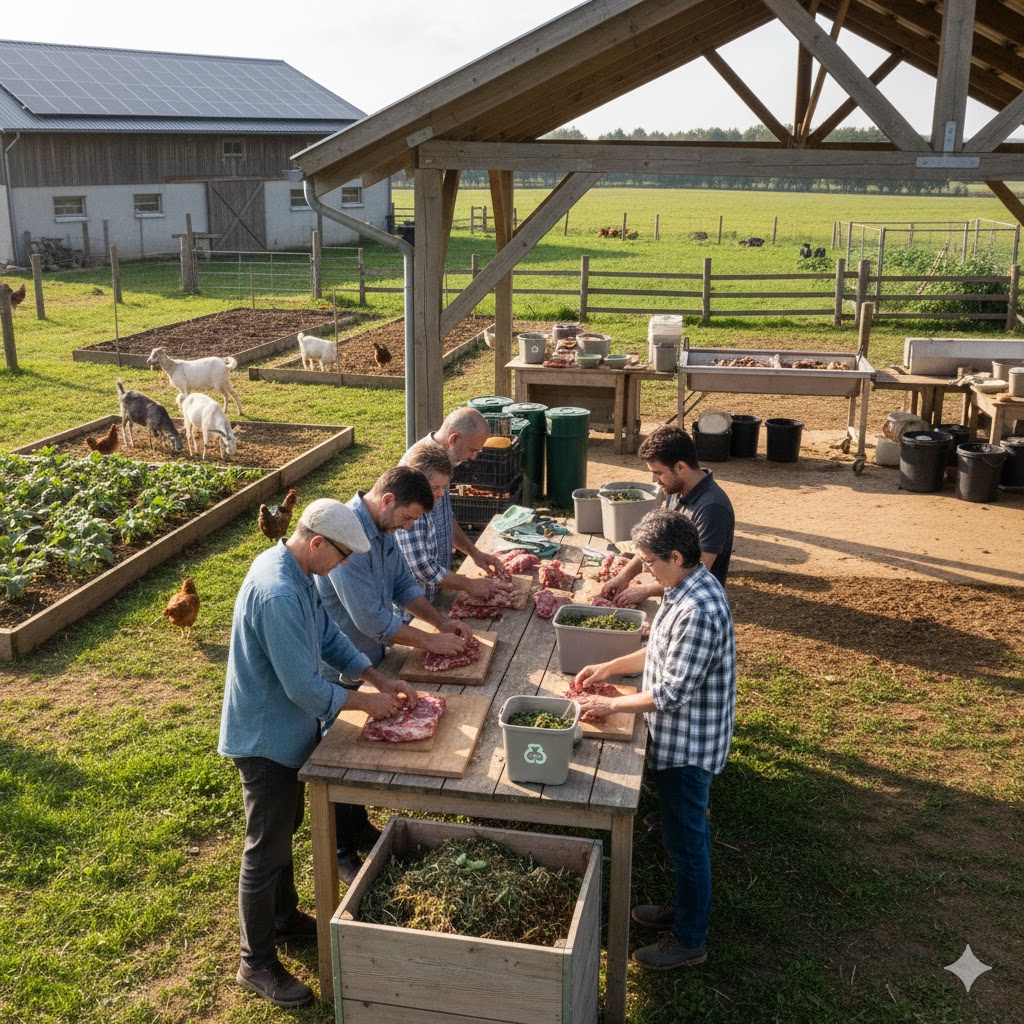
Cared for in Ethical Conditions: Provided with ample space, clean water, and a stress-free environment.
By combining organic and Zabiha principles, these farms produce meat that is safe, nutritious, and ethically sourced.
1. Superior Health Benefits
Organic Zabiha meat offers significant health advantages compared to conventionally raised meat:
-
Fewer Chemicals: Free from synthetic hormones, pesticides, and antibiotics, reducing chemical exposure for consumers.
-
Nutrient-Rich: Organic feed, clean water, and stress-free living conditions contribute to healthier, more nutrient-dense meat.
-
Reduced Antibiotic Resistance Risk: Animals raised without unnecessary antibiotics help minimize the spread of antibiotic-resistant bacteria.
-
Higher Omega-3 Content: Some studies suggest that organically raised animals have higher levels of beneficial omega-3 fatty acids, improving heart health.
For health-conscious consumers, organic Zabiha meat is a cleaner and safer choice for the family table.
2. Ethical Animal Welfare
Organic Zabiha farms place a strong emphasis on humane treatment:
-
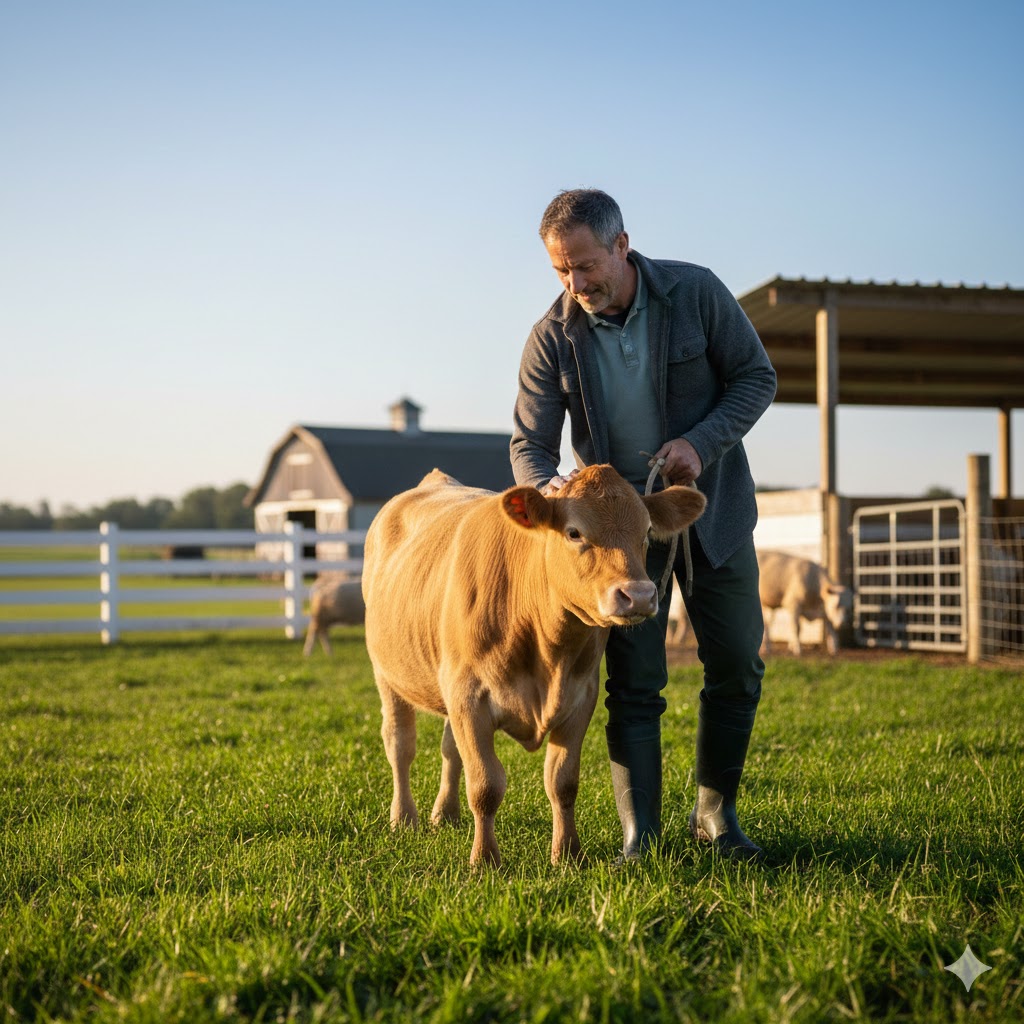
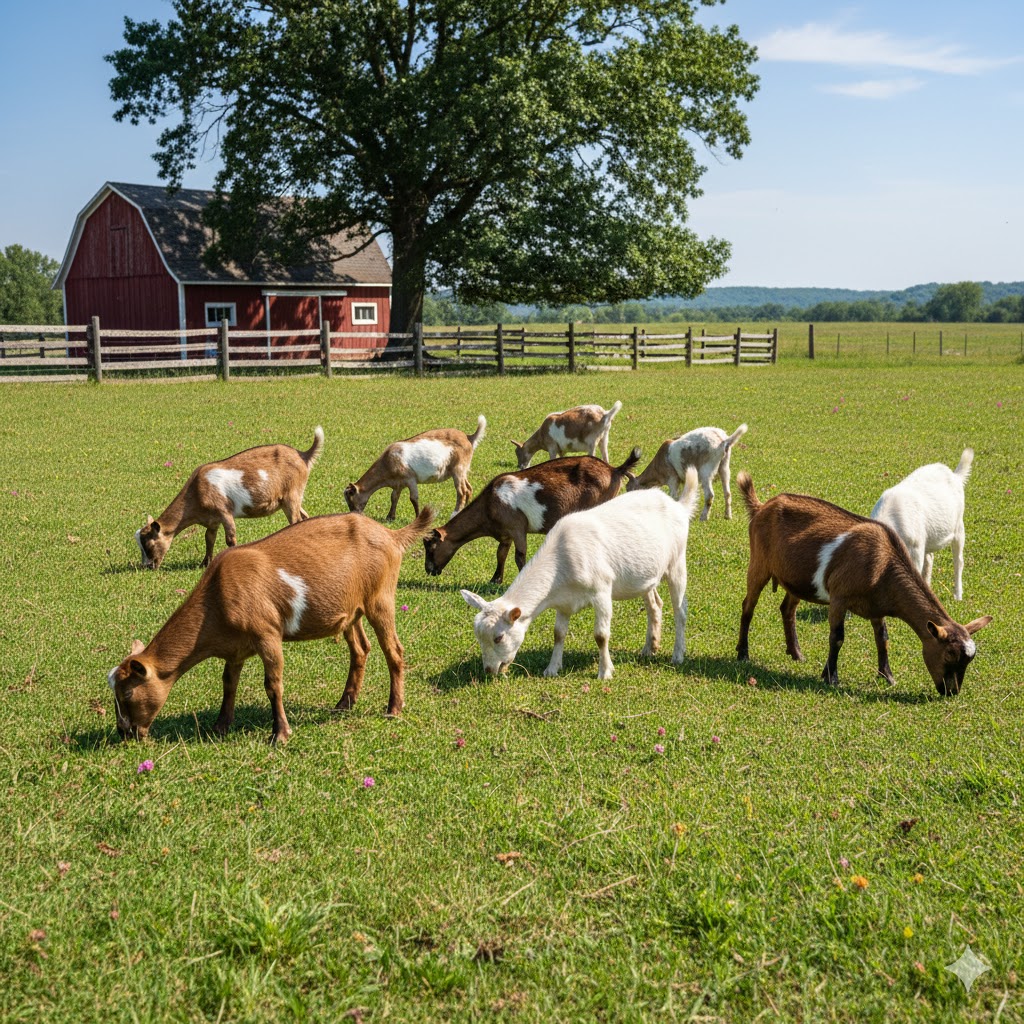
Spacious Living Conditions: Animals have room to move naturally, reducing stress and improving well-being.
-
Natural Diets: Feeding animals organic grains and pasture ensures they grow healthy without harmful additives.
-
Gentle Handling: Farms implement calm, low-stress handling techniques, supporting animal welfare from birth to slaughter.
-
Humane Slaughter: Slaughter is conducted by trained Muslims, using swift methods that minimize pain, following strict Zabiha standards.
Consumers can enjoy meat knowing that the animals were treated ethically throughout their lives.
3. Environmental Sustainability
Organic Zabiha farms contribute to protecting the environment:
-
Reduced Chemical Runoff: Organic farming avoids synthetic fertilizers and pesticides, protecting soil and water.
-
Sustainable Land Management: Rotational grazing and natural feed cultivation preserve soil health and biodiversity.
-
Lower Carbon Footprint: Many organic farms focus on efficient energy use, renewable resources, and responsible waste management.
-
Biodiversity Preservation: Maintaining natural habitats and avoiding monoculture supports ecosystems around farms.
Choosing organic Zabiha meat supports farming practices that are environmentally responsible.
4. Superior Flavor and Quality
Many consumers report that organic Zabiha meat has superior taste and texture:
-
Natural Growth: Animals raised without growth accelerators and under stress-free conditions produce more tender meat.
-
Balanced Fat Content: Organic diets lead to better marbling and natural fat distribution.
-
Freshness: Local organic Zabiha farms often supply meat directly to consumers, ensuring fresher products with a richer flavor.
The combination of careful rearing, organic feed, and ethical slaughter translates into a premium culinary experience.
5. Transparency and Trust
Organic Zabiha farms provide accountability that builds consumer trust:
-
Certification: Halal and organic certifications verify compliance with ethical, religious, and environmental standards.
-
Traceability: Many farms maintain records tracking animals from birth to slaughter, ensuring transparency.
-
Consumer Engagement: Visiting farms or learning about production processes allows consumers to see firsthand the quality and care involved.
This transparency assures buyers that their meat aligns with both religious and ethical values.
6. Supporting Local and Ethical Farmers
Buying from organic Zabiha farms also benefits communities:
-
Economic Support: Encourages small and medium-scale farmers who prioritize ethical practices.
-
Job Creation: Ethical farms provide fair employment and training opportunities.
-
Promotes Sustainable Farming Practices: By choosing responsible farms, consumers help drive demand for environmentally friendly and humane practices.
Purchasing organic Zabiha meat contributes to building a more ethical, sustainable, and locally supportive food system.
Conclusion
Organic Zabiha meat offers numerous advantages for consumers, animals, and the environment. From superior health benefits and ethical animal welfare to sustainability, flavor, and trust, buying from organic Zabiha farms ensures that meat is not only halal but also responsibly produced.
By choosing organic Zabiha meat, consumers can enjoy high-quality, safe, and flavorful meat while supporting ethical farming practices and contributing to a healthier planet. Whether for daily meals or special occasions, organic Zabiha meat represents a holistic approach to conscious consumption, combining faith, ethics, and wellness on every plate.