Visiting Local Zabiha Farms: A Guide

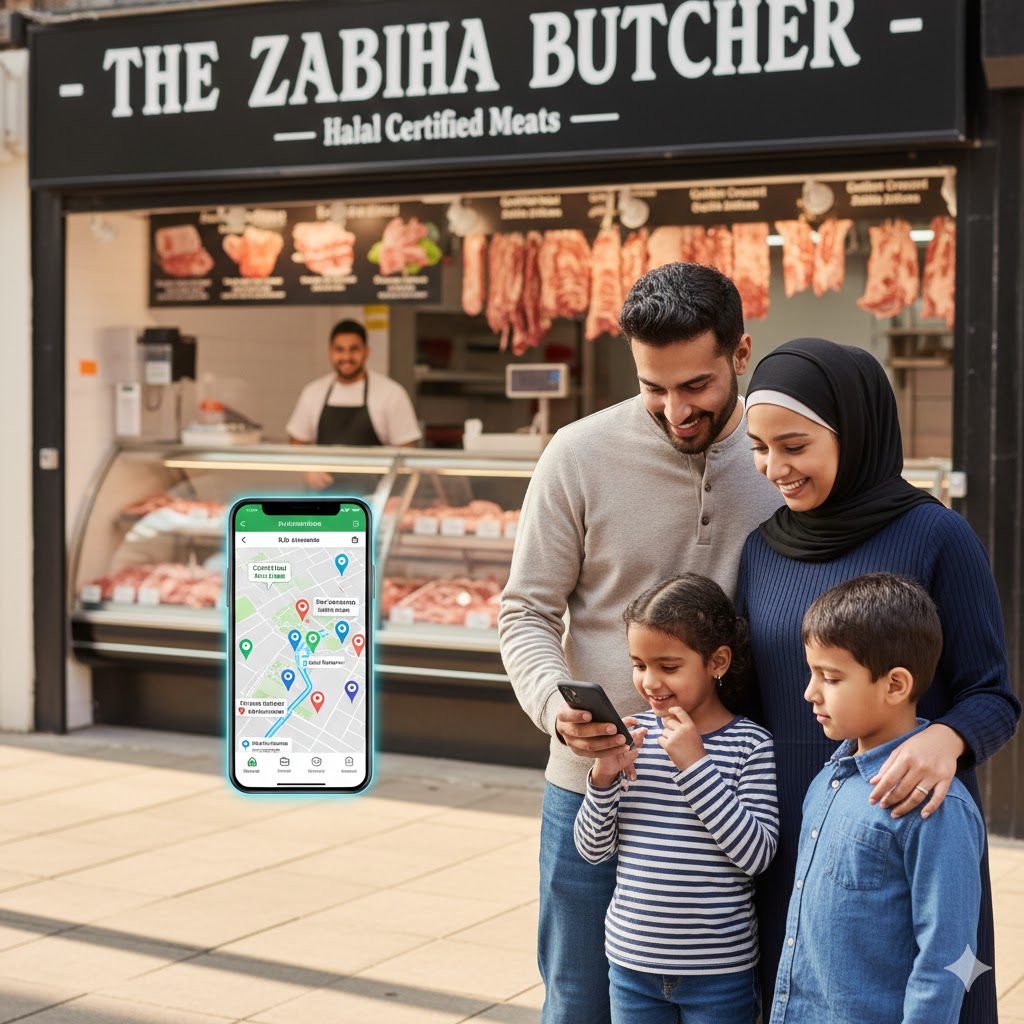
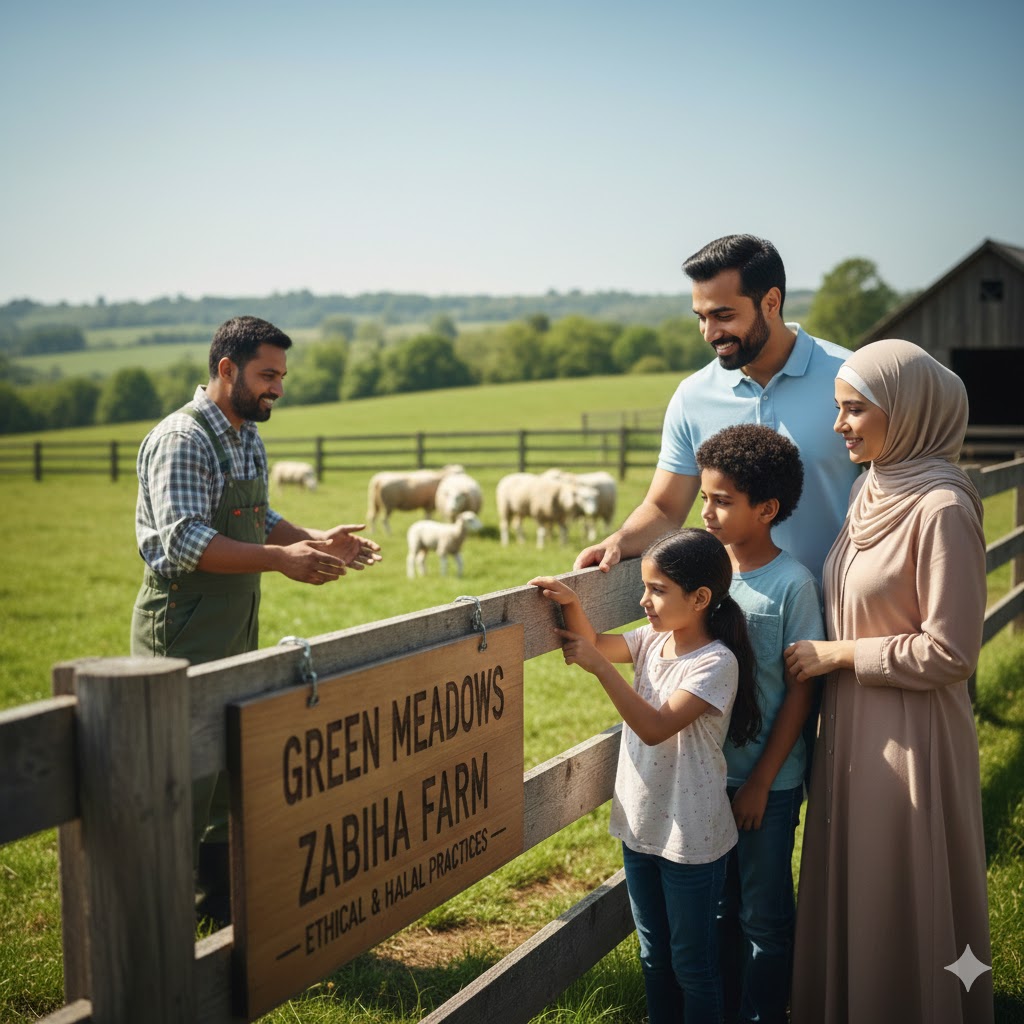
For many families, connecting with the source of their food adds value beyond nutrition. Visiting a local Zabiha farm allows you to witness ethical animal handling, understand halal practices, and gain confidence in the meat you bring home. Whether you are curious about the Zabiha process or planning a family outing, a farm visit can be both educational and rewarding.
Here’s a comprehensive guide on how to visit local Zabiha farms safely and meaningfully.
1. Why Visiting Zabiha Farms Matters
Visiting a Zabiha farm offers multiple benefits:
-
Transparency: You see firsthand how animals are raised, cared for, and slaughtered according to Islamic guidelines.
-
Trust: Understanding farm practices helps ensure the meat you buy is ethically sourced and halal-certified.
-
Education: Farm tours often explain animal welfare, feed practices, and hygiene standards, making it a learning experience for children and adults alike.
-
Community Connection: Visiting local farms supports small businesses and fosters appreciation for sustainable, ethical food production.
2. Research Farms Before Visiting
Not all farms welcome visitors, so preparation is key:
-
Look for farms with official halal or Zabiha certification.
-
Check if they offer tours, workshops, or open days.
-
Read reviews or testimonials from previous visitors.
-
Confirm visiting hours and booking requirements.
Many farms provide guided tours, especially during seasonal events like Eid al-Adha, where families can learn about Qurbani practices.
3. Prepare for the Visit
When visiting a Zabiha farm, comfort and hygiene are important:
-
Clothing: Wear closed-toe shoes and clothes that can get dusty. Farms may have muddy or uneven terrain.
-
Hygiene: Some farms provide gloves, aprons, or hairnets — use them if offered.
-
Supplies: Bring water, a camera for notes or photos (if allowed), and hand sanitizer.
Preparation ensures a safe and enjoyable visit for both adults and children.
4. Understanding the Zabiha Process
During your visit, pay attention to key aspects of Zabiha practices:
-
Animal Welfare: Animals should be healthy, stress-free, and treated humanely.
-
Slaughtering Guidelines: The farm must follow Islamic rules, including invoking Allah’s name and proper blood drainage.
-
Hygiene Standards: Clean facilities, proper equipment, and skilled staff are essential.
Observing these steps in person enhances your understanding and trust in the meat you purchase.
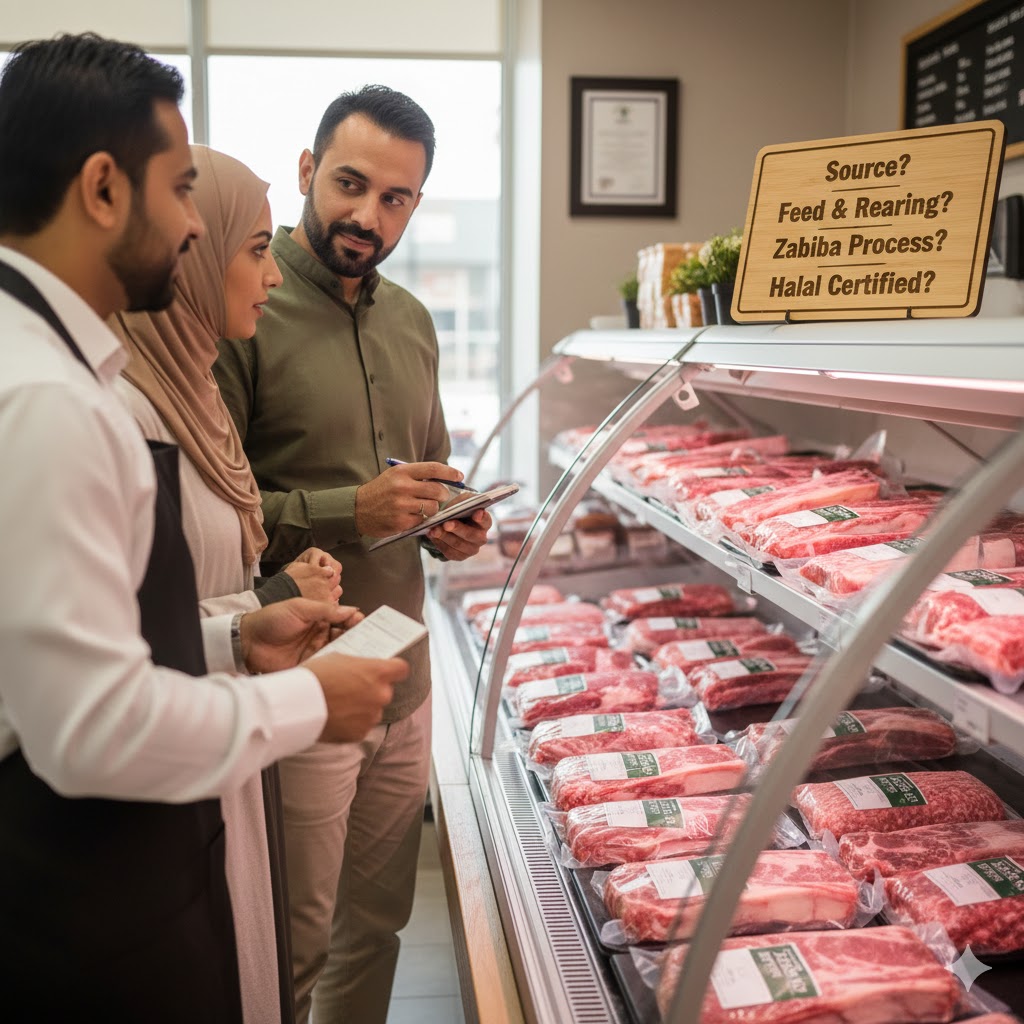
5. Ask Questions
A farm visit is an opportunity to learn directly from experts. Questions to consider:
-
How are animals fed and housed?
-
Are they free-range or pasture-raised?
-
How is meat stored and processed post-slaughter?
-
What certifications do you hold?
-
Are there options for bulk purchases or pre-ordering for Eid?
Engaging with staff builds knowledge and ensures informed decisions about your purchases.
6. Experience Farm Activities
Many Zabiha farms offer hands-on experiences:
-
Feeding animals or checking their health
-
Learning to handle tools safely
-
Understanding butchering or packaging procedures (demonstration only)
-
Cooking demonstrations with fresh meat
These activities make the visit interactive, educational, and memorable, especially for children.
7. Buying Meat Directly From the Farm
Visiting a farm often allows you to purchase fresh Zabiha meat at reasonable prices:
-
Choose cuts based on your recipes or family needs
-
Ask for proper packaging for freshness and hygiene
-
Consider bulk buying or seasonal packages during Eid
Buying directly supports local farmers and ensures you get ethically sourced, high-quality meat.
8. Respecting Farm Rules
Every farm has rules to ensure animal welfare and safety:
-
Follow instructions given by staff or guides
-
Avoid loud noises near animals
-
Do not enter restricted areas
-
Keep children supervised at all times
Respecting these rules ensures a positive experience for you, your family, and the farm staff.
9. Learning Beyond Meat
Farm visits can teach broader lessons:
-
Sustainability: Many farms practice ethical, low-waste farming.
-
Nutrition: Understanding how feeding and processing affect meat quality and flavor.
-
Community Impact: Supporting local farms strengthens the economy and promotes responsible practices.
10. Planning Ahead
To maximize your visit:
-
Book appointments early, especially during Eid season
-
Confirm parking, restroom facilities, and accessibility
-
Prepare questions and take notes for future reference
-
Consider visiting with friends or family to make it a group educational trip
Planning ensures a smooth, enjoyable, and educational experience.
Conclusion
Visiting a local Zabiha farm offers much more than a shopping trip. It is an opportunity to witness ethical animal care, learn about halal practices, and connect with your local community. By preparing properly, engaging with farm staff, and respecting rules, you can make your visit informative, safe, and memorable.
Experiencing Zabiha meat at its source helps families appreciate the effort and care behind every cut while supporting sustainable and ethical farming practices. Whether for everyday meals or special occasions like Eid al-Adha, visiting a farm enhances both understanding and trust, making the food on your table more meaningful.