Seasonal Availability of Zabiha Meat

Zabiha meat is more than just a dietary choice for Muslims — it is a spiritually significant part of life, especially during major religious occasions like Eid al‑Adha. But beyond its religious importance, understanding the seasonal availability of Zabiha meat can help families plan meals better, make smarter budget decisions, and enjoy higher quality and fresher meat throughout the year.
In this blog, we’ll explore how seasons affect Zabiha meat supply, quality, pricing, and what you should know as a consumer in 2026.
What Is Zabiha Meat?
Zabiha meat refers to animal meat slaughtered according to Islamic law, which includes humane treatment, invocation of Allah’s name at the time of slaughter, and complete drainage of blood. Common animals used include goats, sheep, cattle, lamb, and poultry.
While the religious requirements remain constant year‑round, availability and pricing can vary with seasons due to farming cycles, Qurbani timing, and market demand.
How Seasons Influence Supply
1. Peak Season — Eid al‑Adha
Eid al‑Adha is the biggest seasonal influence on Zabiha meat supply. On this occasion, millions of Muslims around the world perform Qurbani, increasing demand dramatically.
During this period:
-
Live animal markets are abundant — especially goats, sheep, and cattle.
-
Butchers and slaughterhouses prepare for high volume.
-
Fresh Zabiha meat is widely available for purchase immediately after slaughter.
-
Prices may spike due to higher demand, especially for preferred cuts.
This peak period offers unique opportunities to buy fresh, authentically prepared meat directly from farms or community distributions.
2. Post‑Eid Period
Once the Eid season concludes:
-
The market stabilizes, and many families still have leftover portions that they freeze for future use.
-
Butchers may offer discounts on remaining stock as they replenish inventory.
-
Some communities organize takeaway meat packages at lower prices.
This period is ideal for stocking up responsibly while ensuring meat is stored properly.
3. Non‑Festive Seasons
During regular months — outside major holidays — Zabiha meat continues to be available, but patterns shift:
-
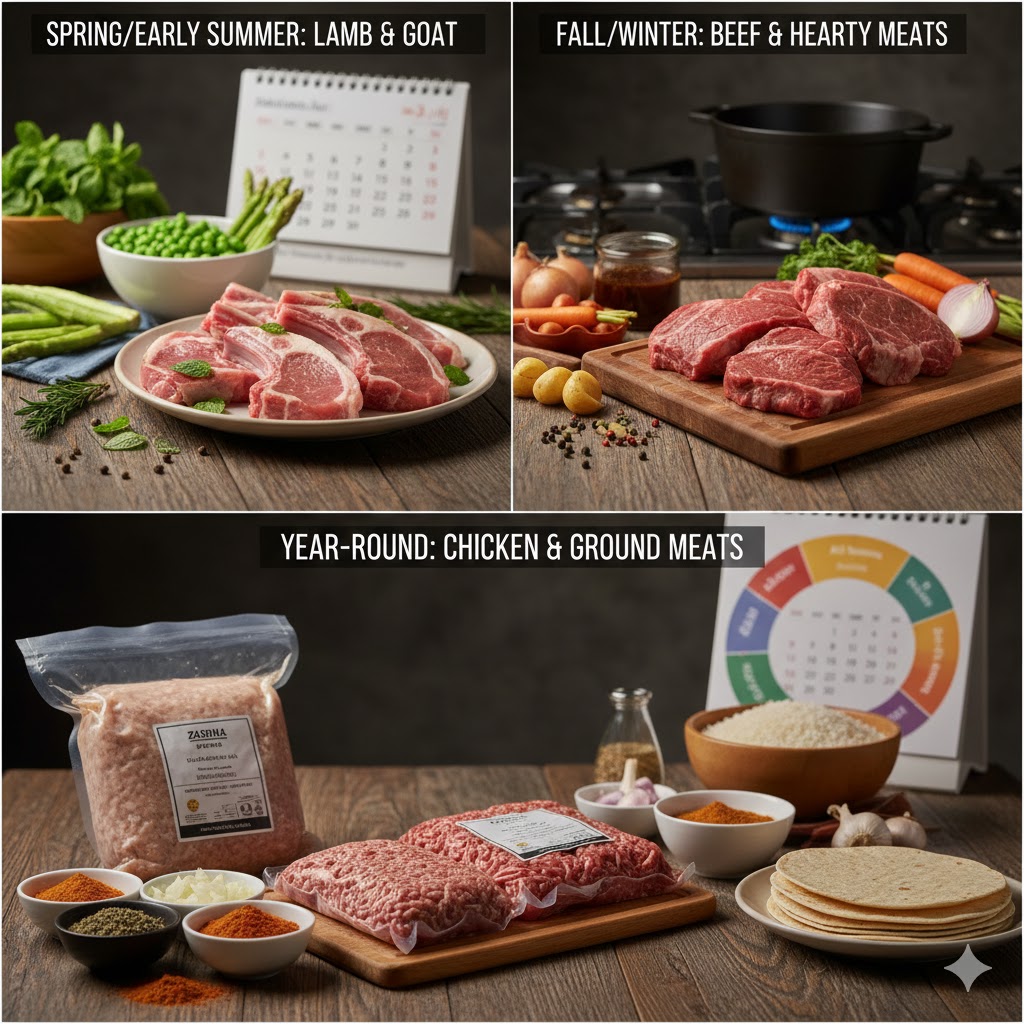
Supply is more consistent for poultry and beef compared to seasonal cattle or lamb markets.
-
Small ruminants (goats, sheep) may be less abundant, depending on breeding cycles.
-
Pricing tends to be more stable without the peak demand of holidays.
For daily cooking, many families focus on cuts that are easier to store and prepare, like chicken and ground beef.
Regional Differences in Seasonal Availability
Seasonality also varies by region. Here’s how it typically plays out in different parts of the world:
South Asia (e.g., Pakistan, India, Bangladesh)
-
Livestock markets are very active during Eid.
-
In rural areas, fresh Zabiha meat is often available even outside Eid because small farms slaughter animals year‑round.
-
Urban centers may depend on butchers or refrigerated supply chains.
Middle East (e.g., Saudi Arabia, UAE, Egypt)
-
High demand during Ramadan and Eid al‑Adha.
-
Summer months may see higher beef or lamb prices due to feed costs and heat stress on animals.
-
Poultry remains consistently available.
Western Countries (e.g., UK, USA, Canada)
-
Zabiha meat supply tends to rely on certified slaughterhouses and imports.
-
Poultry and beef are available year‑round, but lamb/goat may be more expensive outside Eid.
-
Availability can be influenced by import schedules, cold chain logistics, and regulatory compliance.
Why Seasonal Differences Matter
Understanding seasonality helps you in several ways:
1. Budget Better
Prices can vary significantly based on demand. Buying outside peak periods often means lower cost per kilogram. With planning, you can freeze high‑quality meat during times of abundance.
2. Plan Your Meals
Knowing when specific cuts are more abundant — like lamb in certain seasons — helps you diversify your menu and enjoy a richer variety of dishes.
3. Take Advantage of Offers
Butchers often discount leftover stock after Eid, or during slower months, giving you access to quality meat at better rates.
4. Ensure Freshness
Seasonal animals like goats and sheep are often healthier and better conditioned during their natural breeding cycles — leading to better texture and taste.
Seasonal Tips for Buying Zabiha Meat
Here are tips to make the most of seasonal availability:
-
Buy Ahead of Eid: If you plan to freeze large quantities, consider preordering animals or blocks of meat weeks before Eid.
-
Freeze Smart: Use vacuum sealing or proper packaging to prevent freezer burn and maintain quality for months.
-
Bulk Purchases: Partner with family or friends to buy whole animals and share, reducing individual cost.
-
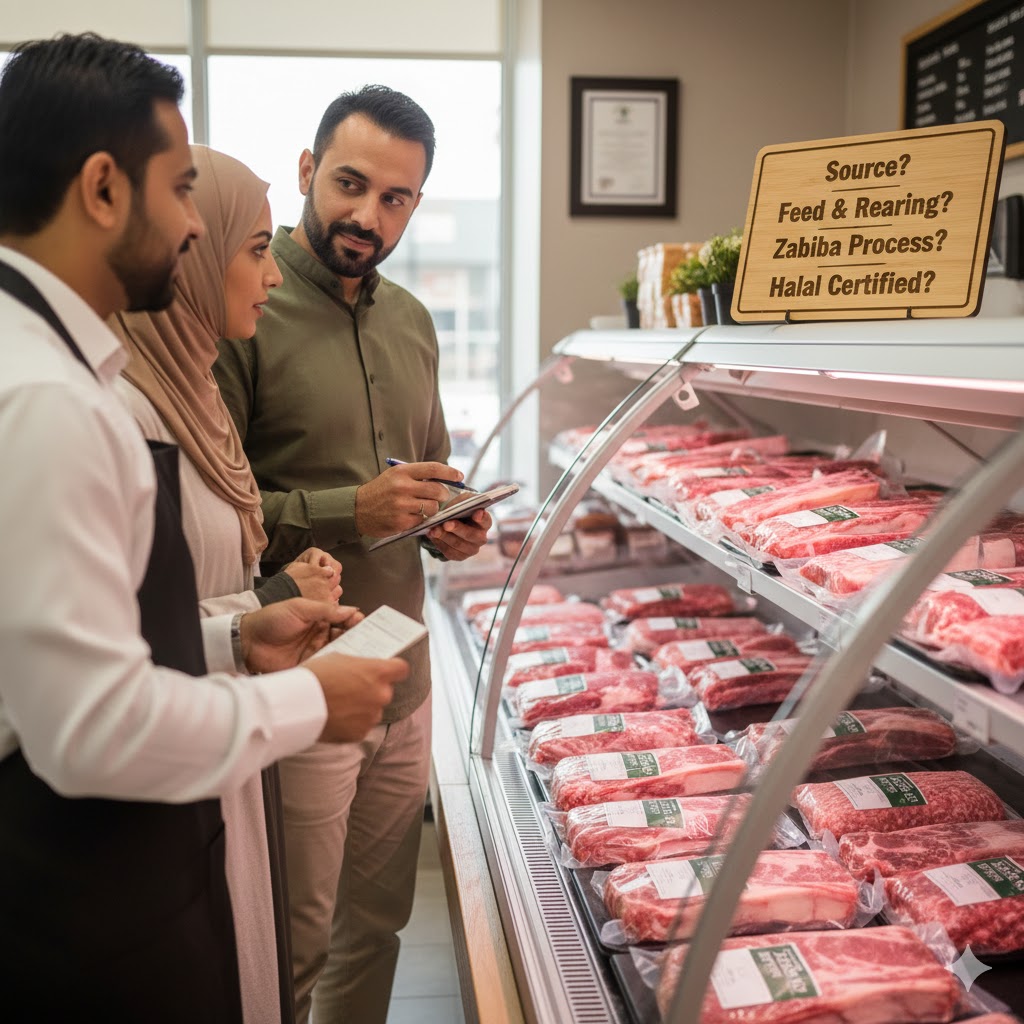
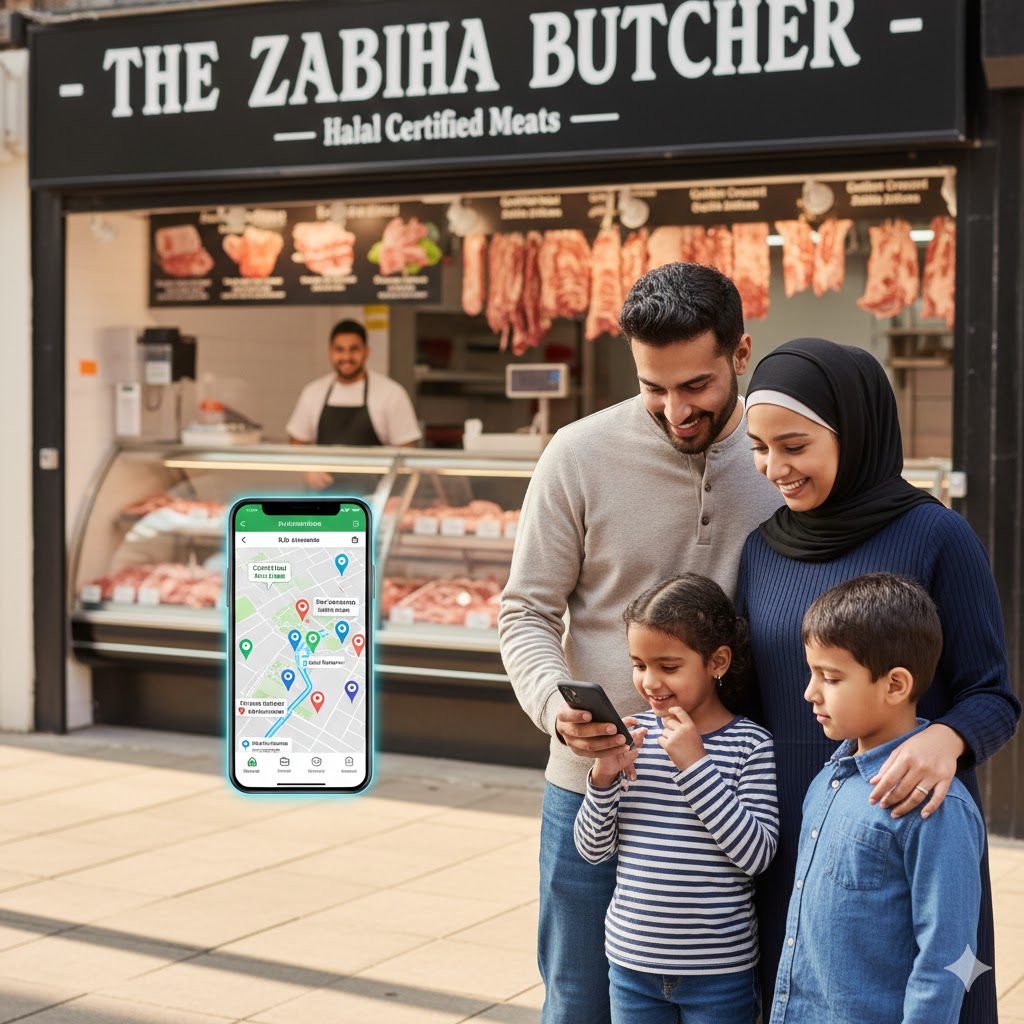
Check Certification: Especially in off‑season months, verify halal and Zabiha certification from online or local suppliers.
-
Explore Pricing Trends: Track local market prices a few weeks before and after peak seasons to identify the best time to buy.
Storing Zabiha Meat for Year‑Round Use
To enjoy Zabiha meat throughout the year, proper storage is essential:
-
Refrigeration: Use refrigerator storage only if planning to cook within 24–48 hours.
-
Freezing: Store cuts at −18°C (0°F) or lower; label with date and cut type.
-
Thawing Safely: Use the refrigerator or cold water method rather than room temperature to minimize bacteria growth.
-
Portioning: Divide into meal‑sized portions before freezing for convenience.
Good storage ensures meat remains safe, flavorful, and ready for your favorite dishes anytime.
Conclusion
The seasonal availability of Zabiha meat is influenced by religious events, farming cycles, regional practices, and market demand. While Eid al‑Adha remains the most notable peak period, quality Zabiha meat is available year‑round when you know where to look and how to plan.
By understanding how seasons affect supply and prices, you can make smarter buying decisions, enjoy fresher cuts, and make the most of every plate of Zabiha meat — whether it’s for a festive feast or a family dinner.