Price Guide for Zabiha Meat in 2026

For many families, Zabiha meat isn’t just food — it’s a meaningful part of life, especially during occasions like Eid al-Adha. But with rising demand around the world, understanding how prices are evolving in 2026 helps consumers plan better, budget smarter, and make informed choices without compromising quality or religious standards.
Below is a detailed price guide covering key types of Zabiha meat, what affects their costs, and tips for getting the best value.
Why Zabiha Meat Prices Vary
Zabiha meat prices are influenced by multiple factors:
-
Certification and Compliance Costs: Certified halal and Zabiha-approved processing adds to the cost because facilities must meet strict religious and hygiene standards.
-
Supply and Demand: Seasonal demand — especially around Eid — pushes prices up as people buy live animals or preprocessed meat.
-
Import/Export Costs: Transportation, customs, and refrigeration affect pricing in countries that import halal meat.
-
Local Market Conditions: Feed costs, livestock availability, and market competition also shape retail prices.
Understanding these elements helps explain why the same meat can cost very differently between regions.
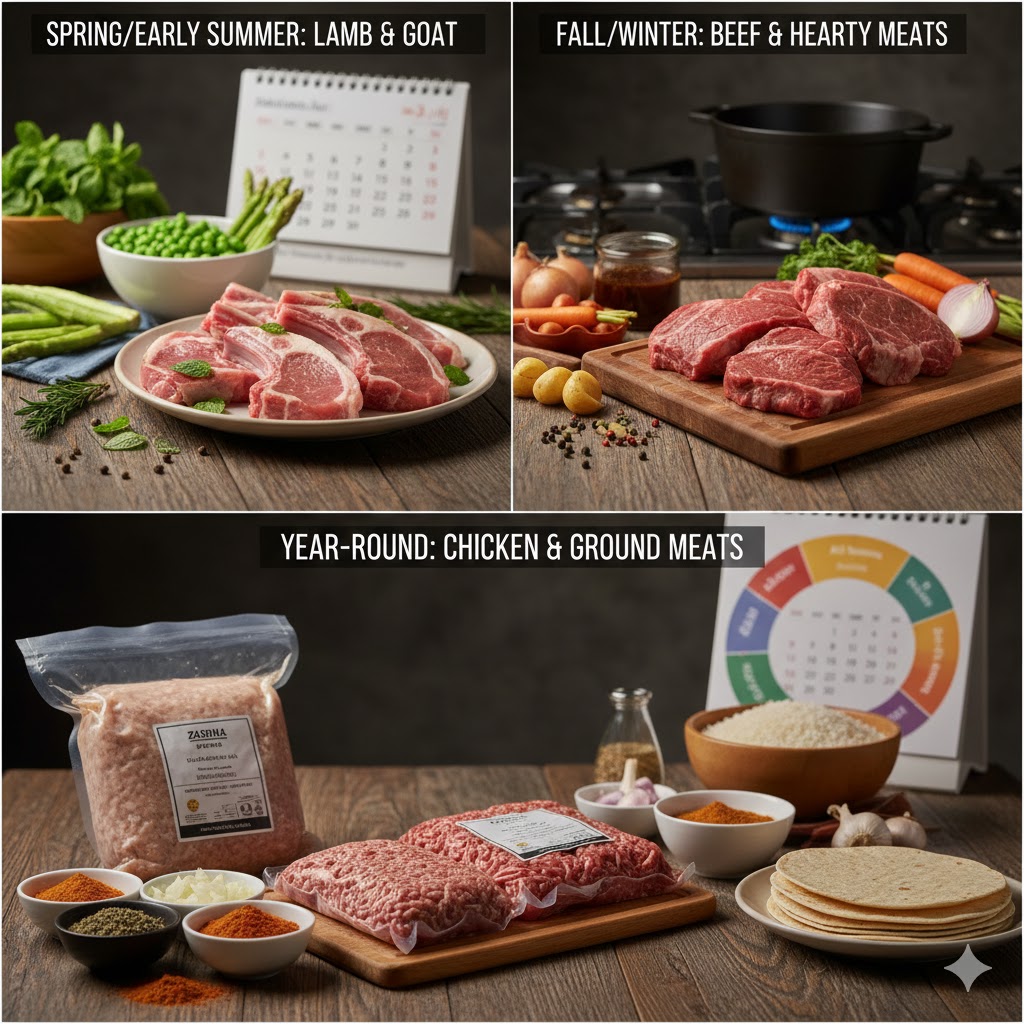
1. Zabiha Chicken Prices
Chicken is typically the most affordable Zabiha meat option:
-
Wholesale Range (U.S. & international): Around $3.00–$8.00 per lb for standard cuts.
-
Retail Prices: Retail outlets may charge higher due to packaging and handling — expect slightly above wholesale rates in supermarkets or butcher shops.
Chicken is a budget-friendly choice for families, and whole birds tend to cost less per kilogram/kg than parts like breasts or thighs.
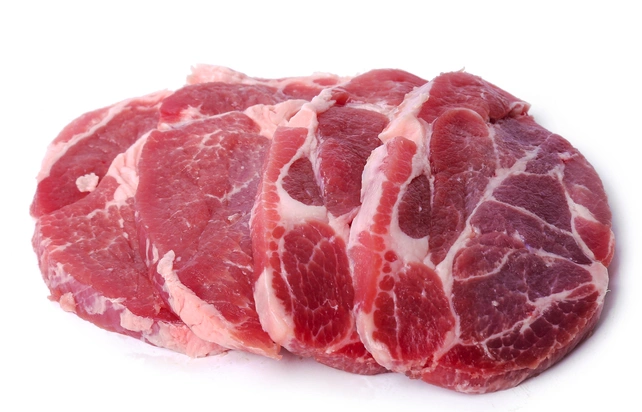
2. Zabiha Beef Prices
Beef continues to be more expensive than chicken:
-
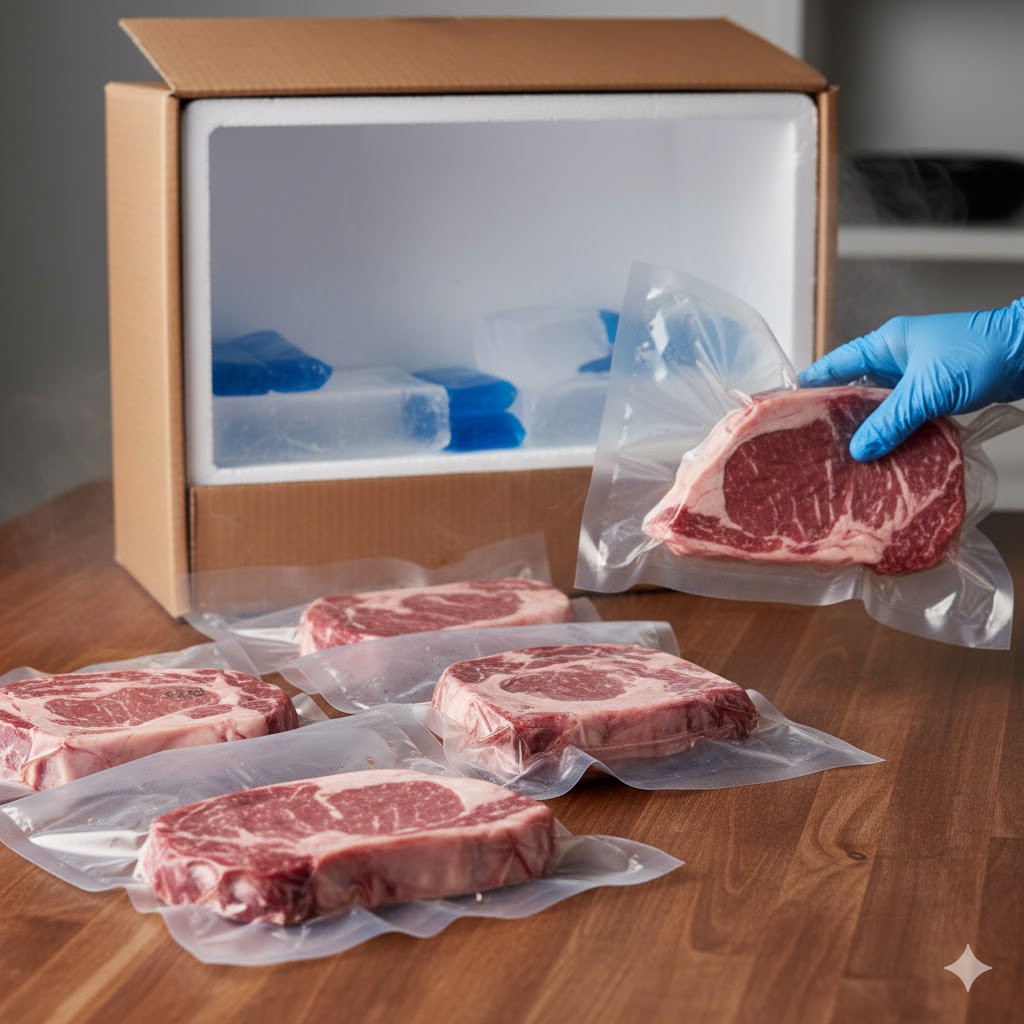
Wholesale Beef: In the U.S. market for early 2026, halal beef prices range from ~$6.99 to $7.99 per lb for standard cuts, with premium steaks going up to $9–$12+ per lb.
-
Retail Cost: Because of packaging, meat cutting, and certification, retail beef can be noticeably higher than wholesale rates.
Different cuts also vary: cheek, brisket, and shank are generally cheaper than premium steaks, so choosing cuts based on your recipe and budget is important.
3. Zabiha Lamb and Goat Prices
Lamb and goat — often preferred in many Muslim communities — usually sit between chicken and beef in price:
-
International Estimates: Wholesale lamb and goat can range $5.50 to $11.00 per lb depending on cut quality.
-
UK & Europe: Some wholesale markets report typical ranges of £5.90 to £8.90 per kg for basic halal beef and lamb cuts, which reflects regional variations.
In South Asian and Middle Eastern markets, whole goats used for Qurbani may be priced by weight, but portioning and butchering fees add to the total cost.
4. Special and Imported Cuts
Premium or specialty items — such as grass‑fed lamb, organic Zabiha beef, or wagyu halal — cost more due to quality claims and import overheads:
-
Imported or organic products can range higher than standard local offerings, sometimes exceeding $12/kg or more depending on origin and certification.
These are often chosen for special occasions rather than everyday cooking.
Regional Price Observations
Prices vary widely depending on where you shop:
-
Local Markets vs. Supermarkets: Independent butchers and markets often sell meat significantly cheaper than big supermarket chains — sometimes by as much as thousands of rupees per kg depending on the country and cut.
-
Imported Meat: Countries that import meat (like those in South Asia or the Middle East) may see prices influenced by freight, customs, and import duties.
-
Bulk Purchases: Buying larger quantities or wholesale cuts typically reduces per‑unit price compared to small portions.
Budgeting Tips for Zabiha Meat in 2026
-
Choose Cuts Wisely: Tougher cuts (like chuck, shank, shoulder) are cheaper and ideal for curries or slow cooking.
-
Buy Whole or in Bulk: Purchasing whole chickens or larger portions of beef/lamb reduces unit cost.
-
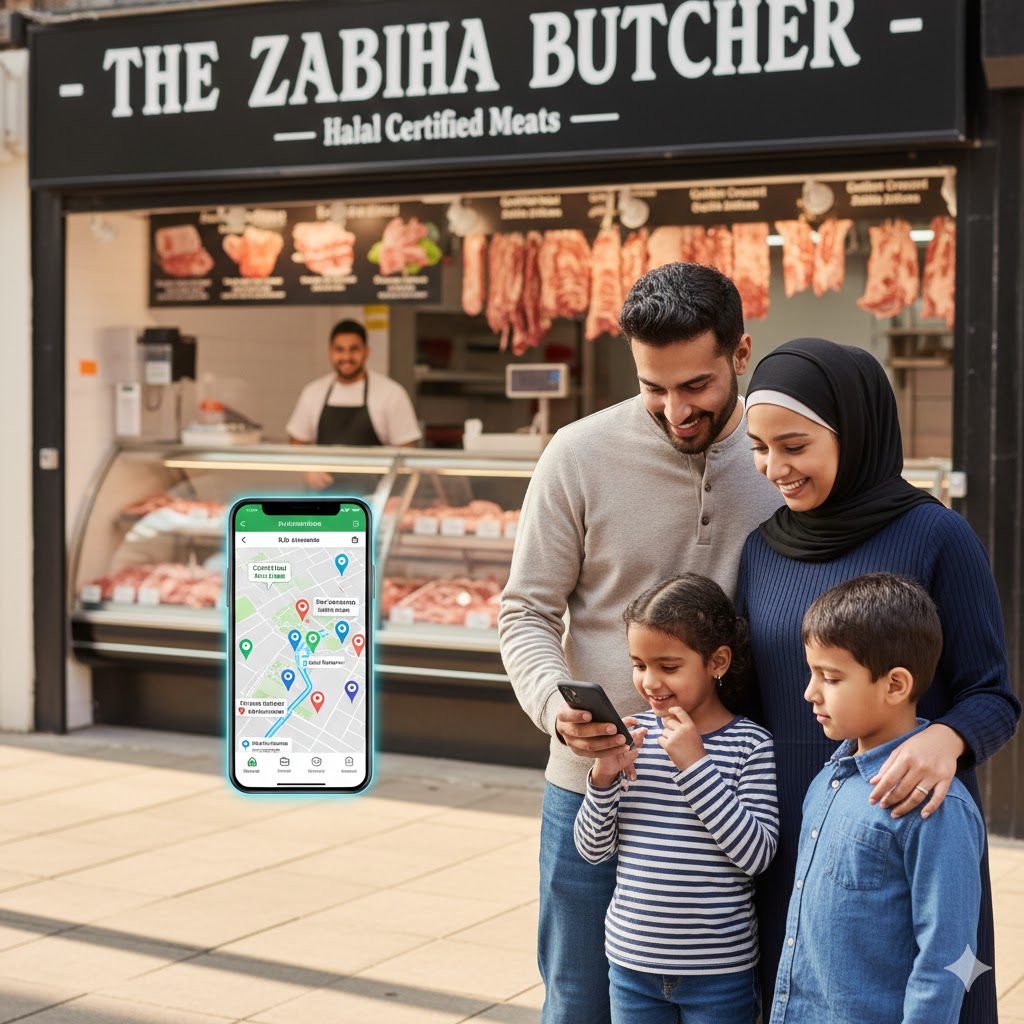
Shop Local Butchers: Independent halal butchers often price lower than big retail chains.
-
Plan for Seasonal Demand: Buying ahead of peak seasons (like Eid) helps you avoid last‑minute price spikes.
-
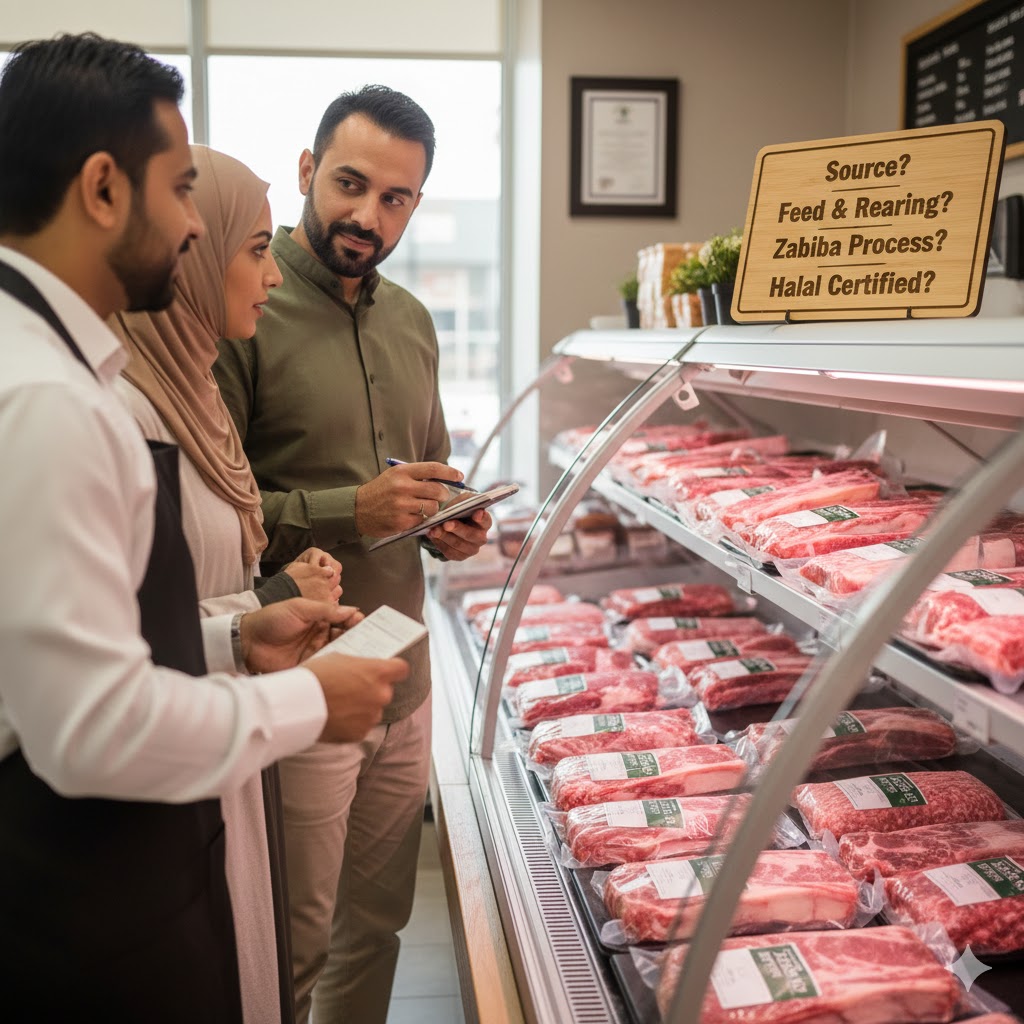
Compare Certified Sources: Ensure Zabiha legitimacy but compare multiple suppliers for the best price without compromising religious standards.
How Consumption Patterns Influence Prices
Halal meat trends show growing demand beyond religious observance — hygiene, quality, and ethical slaughter practices influence buyers worldwide. This has steadily increased demand, contributing to price growth in several markets.
Markets like Europe, North America, and the Middle East are seeing significant growth in halal and Zabiha meat consumption, further influencing price dynamics.
Conclusion
In 2026, Zabiha meat pricing reflects a balance of demand, certification costs, supply chain complexity, and regional economic conditions. While chicken remains the most affordable option for everyday meals, beef and lamb/goat prices vary significantly depending on quality and cut. By understanding key pricing trends and adopting smart buying strategies, consumers can enjoy ethically sourced Zabiha meat while keeping costs manageable.
Planning ahead, choosing the right cuts, and comparing local suppliers empower you to make informed decisions — whether you’re cooking daily meals or preparing for a festive occasion.