How Quality Affects Taste & Health

When it comes to meat, quality is more than a label—it directly impacts taste, nutritional value, safety, and overall health. This is especially true for Zabiha meat, which is not only a dietary choice but also a reflection of ethical, religious, and humane practices. Understanding how quality affects the food we consume allows families, home cooks, and chefs to make informed decisions, ensuring every meal is both delicious and wholesome.
This guide explores how meat quality influences taste, nutrition, and health, and offers tips for selecting high-quality meat.
1. What Defines Quality in Meat
Quality meat is determined by a combination of factors related to the animal, slaughtering method, and handling:
-
Animal Health: Healthy, well-fed animals produce tender, flavorful meat. Animals that are sick or stressed before slaughter often have meat that is tough or off-flavored.
-
Age and Species: The age, breed, and type of animal affect texture, marbling, and taste. For example, younger lamb is often more tender than older sheep.
-
Slaughtering Method: Proper Zabiha slaughter ensures humane treatment, blood drainage, and hygienic processing, which directly impacts the quality and flavor of meat.
-
Storage and Handling: Freshness and proper storage (refrigeration or freezing) maintain both taste and nutritional content. Poor handling can lead to bacterial growth, spoilage, and nutrient loss.
High-quality meat is the result of care at every stage—from farm to plate.
2. How Quality Impacts Taste
The flavor of meat is influenced by several quality-related factors:
-
Freshness: Freshly slaughtered meat retains natural juices, tenderness, and aroma. Meat stored improperly or for too long can develop an off smell and dry texture.
-
Fat Content and Marbling: Well-balanced marbling enhances flavor. High-quality meat often has the right amount of intramuscular fat, giving it richness without being greasy.
-
Animal Diet: Animals fed natural, nutritious diets produce meat with fuller flavor and better texture. For instance, grass-fed beef has a distinct taste compared to grain-fed alternatives.
-
Stress Levels: Animals that experience stress before slaughter release stress hormones, which can make meat tough and less flavorful. Zabiha’s focus on humane handling minimizes this effect.
By selecting quality meat, cooks ensure that their dishes are juicy, tender, and delicious.
3. Quality and Nutritional Value
Quality also affects the nutritional profile of meat:
-
Protein: High-quality meat is a rich source of complete protein, which is essential for muscle growth, repair, and overall health. Poor-quality meat may lose some protein content due to improper storage or processing.
-
Vitamins and Minerals: Fresh, well-handled meat contains essential nutrients like B vitamins, iron, zinc, and selenium. Nutrient levels decline if meat is old, frozen incorrectly, or contaminated.
-
Fat Composition: Healthy, ethically raised animals provide meat with better fatty acid profiles, including omega-3s, which support heart and brain health.
-
Reduced Contaminants: Quality control in Zabiha practices ensures that meat is free from harmful chemicals, residues, or pathogens, supporting overall well-being.
High-quality meat is therefore both tasty and nutrient-dense, making it an integral part of a balanced diet.
4. Health Benefits of Consuming Quality Meat
Eating quality meat has direct health advantages:
-
Better Digestion: Fresh, high-quality meat is easier to digest, reducing strain on the stomach and improving nutrient absorption.
-
Lower Risk of Foodborne Illness: Properly processed and hygienic meat reduces the risk of bacterial infections, such as Salmonella or E. coli.
-
Supports Physical Performance: The combination of protein, iron, and essential nutrients promotes energy levels, muscle health, and immunity.
-
Promotes Heart and Brain Health: Ethically raised meat with healthy fat content provides nutrients that support cardiovascular and neurological function.
Selecting quality meat is therefore not just about taste—it’s about supporting long-term health.
5. Tips for Choosing High-Quality Meat
To ensure that meat is both tasty and healthy, consider the following tips:
-
Check for Certification: Look for Zabiha or halal certification to guarantee compliance with ethical and religious standards.
-
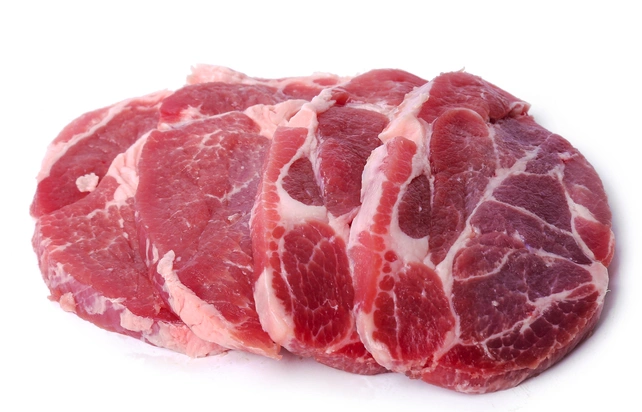
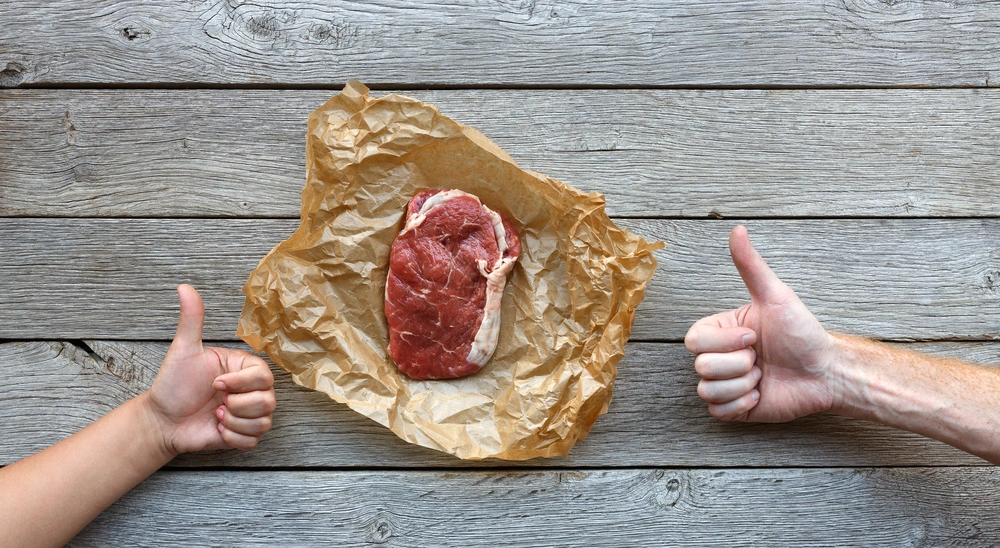
Observe Color and Texture: Fresh meat is bright in color and firm to the touch. Avoid meat that is discolored, slimy, or has a foul odor.
-
Know the Source: Purchase from trusted farms or suppliers that prioritize animal welfare, proper feeding, and hygienic handling.
-
Ask About Storage: Ensure meat has been refrigerated or frozen correctly to maintain freshness and nutrients.
-
Consider Fat and Marbling: For flavor and tenderness, look for balanced marbling, especially in beef or lamb.
Following these steps ensures that every meal is both satisfying and nourishing.
6. The Role of Zabiha in Quality
Zabiha practices further enhance meat quality by:
-
Ensuring Humane Treatment: Stress-free animals produce better-tasting, tender meat.
-
Promoting Proper Blood Drainage: Reduces impurities and enhances both flavor and safety.
-
Maintaining Hygiene: Slaughtering and handling according to Zabiha standards reduces contamination and preserves nutrients.
By choosing Zabiha meat, consumers align religious practice with quality, taste, and health benefits.
Conclusion
The quality of meat significantly affects taste, nutrition, safety, and overall well-being. Key factors include:
-
Animal health and diet—fresh, well-fed animals produce flavorful, tender meat.
-
Slaughtering method—Zabiha ensures humane treatment, proper blood drainage, and compliance with ethical standards.
-
Handling and storage—fresh, properly refrigerated meat retains nutrients and flavor.
-
Nutritional benefits—high-quality meat provides protein, vitamins, minerals, and healthy fats.
-
Health implications—quality meat supports digestion, immunity, and physical performance.
Choosing quality meat, especially Zabiha, is a holistic approach that combines ethics, taste, and nutrition. By prioritizing quality, consumers can enjoy delicious, wholesome meals that align with faith, health, and culinary satisfaction.