Traditional Halal Meat Kebabs

Kebabs are a celebrated dish across Muslim cultures, combining the rich flavors of halal meat with aromatic spices and versatile cooking methods. Traditional kebabs are not only flavorful but also culturally significant, often served at family gatherings, festive occasions like Eid al-Adha, and community events. Using high-quality halal meat ensures that every bite is both ethical and delicious.
This guide explores traditional halal meat kebabs, offering preparation tips, flavor combinations, and cooking techniques that preserve both taste and nutrition.
1. Choosing the Right Halal Meat
The foundation of a perfect kebab begins with the meat:
-
Beef: Lean cuts like sirloin or tenderloin work best for skewered kebabs.
-
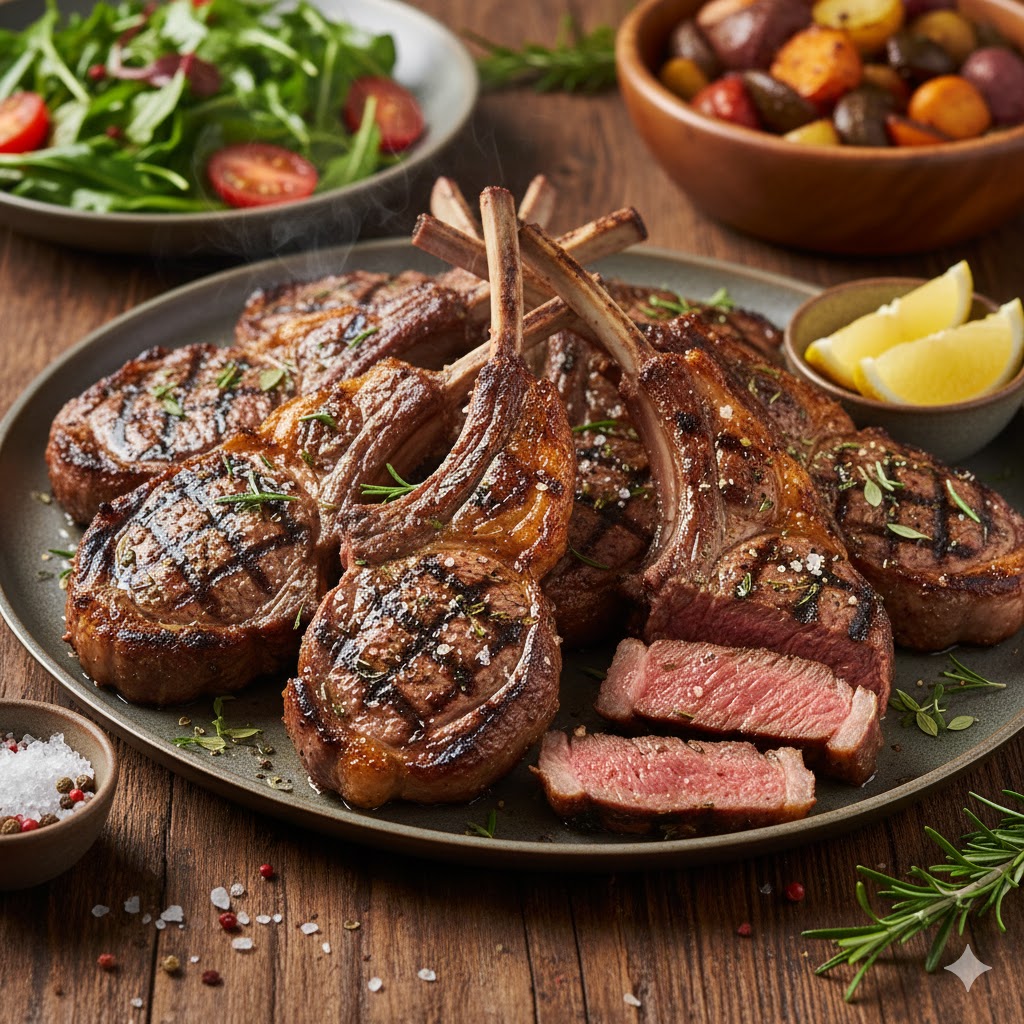
Lamb: Leg or shoulder meat offers rich flavor, tender texture, and a slight marbling for juiciness.
-
Chicken: Boneless, skinless breast or thigh meat is ideal for quick-grill kebabs.
-
Goat: Preferred in South Asian and Middle Eastern traditions, goat meat is lean and flavorful.
Always select certified halal meat, sourced from trusted butchers who follow proper slaughtering and handling practices. Fresh meat enhances taste, while lean cuts ensure kebabs remain juicy without excess fat.
2. Essential Ingredients and Marinades
Traditional kebabs rely on a balance of spices, herbs, and acidic components to tenderize meat and enhance flavor:
-
Yogurt: Commonly used in South Asian kebabs; it tenderizes meat and adds creaminess.
-
Citrus juice: Lemon or lime juice adds brightness and helps break down tough fibers.
-
Garlic and ginger: Provide pungent, aromatic flavors.
-
Spices: Cumin, coriander, paprika, turmeric, garam masala, or chili powder.
-
Fresh herbs: Mint, cilantro, or parsley enhance fragrance.
-
Oil: Minimal vegetable or olive oil keeps the kebabs moist while reducing fat content.
Marinating the meat for at least 2–4 hours (or overnight) ensures deep flavor penetration and tender texture.
3. Classic Halal Kebab Recipes
a) Shish Kebab (Middle Eastern Style)
Ingredients:
-
Cubed lamb or beef
-
Olive oil, lemon juice, garlic, cumin, paprika, salt, and pepper
Method:
-
Mix cubed meat with marinade and refrigerate for 2–4 hours.
-
Skewer meat on metal or soaked wooden sticks.
-
Grill over medium-high heat, turning occasionally until cooked to medium-rare or desired doneness.
-
Serve with flatbread, grilled vegetables, and yogurt sauce.
Shish kebabs are versatile, easy to grill, and perfect for family gatherings.
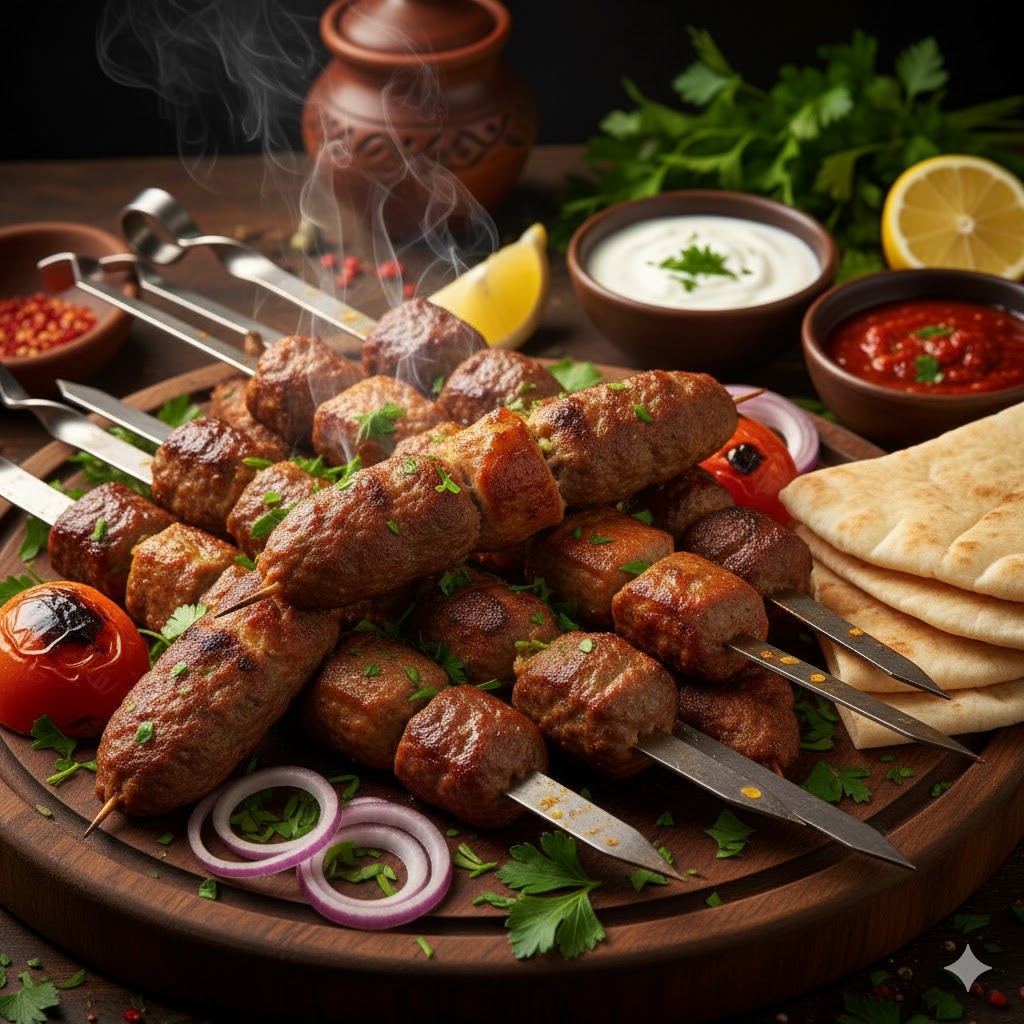
b) Seekh Kebab (South Asian Style)
Ingredients:
-
Ground halal meat (beef, lamb, or chicken)
-
Onion, garlic, ginger, green chilies
-
Garam masala, coriander powder, cumin powder, salt, and pepper
-
Fresh cilantro or mint
Method:
-
Combine ground meat with spices and chopped herbs.
-
Shape around skewers into long cylinders.
-
Grill or broil until cooked and slightly charred on the edges.
-
Serve with naan, chutney, or raita.
Seekh kebabs are soft, spiced, and ideal for pairing with rice or flatbreads.
c) Chicken Tikka Kebab
Ingredients:
-
Skinless chicken breast or thigh pieces
-
Yogurt, garlic, ginger, paprika, turmeric, garam masala, lemon juice
Method:
-
Marinate chicken pieces for at least 2 hours.
-
Thread onto skewers and grill or oven-bake at 200°C (400°F) until lightly charred and fully cooked.
-
Serve with salad, grilled peppers, or mint chutney.
Chicken tikka kebabs are tender, flavorful, and perfect for quick meals or festive platters.
4. Cooking Tips for Juicy Kebabs
-
Preheat the grill or oven: Ensures even cooking and prevents sticking.
-
Avoid overcooking: Lean meat can dry out quickly; monitor internal temperatures (chicken 165°F, beef/lamb 145–160°F).
-
Turn skewers gently: Preserves shape and prevents loss of juices.
-
Rest meat before serving: Allows juices to redistribute, keeping kebabs moist.
Proper cooking preserves both the flavor and nutritional value of halal meat.
5. Serving Ideas
Traditional kebabs pair well with:
-
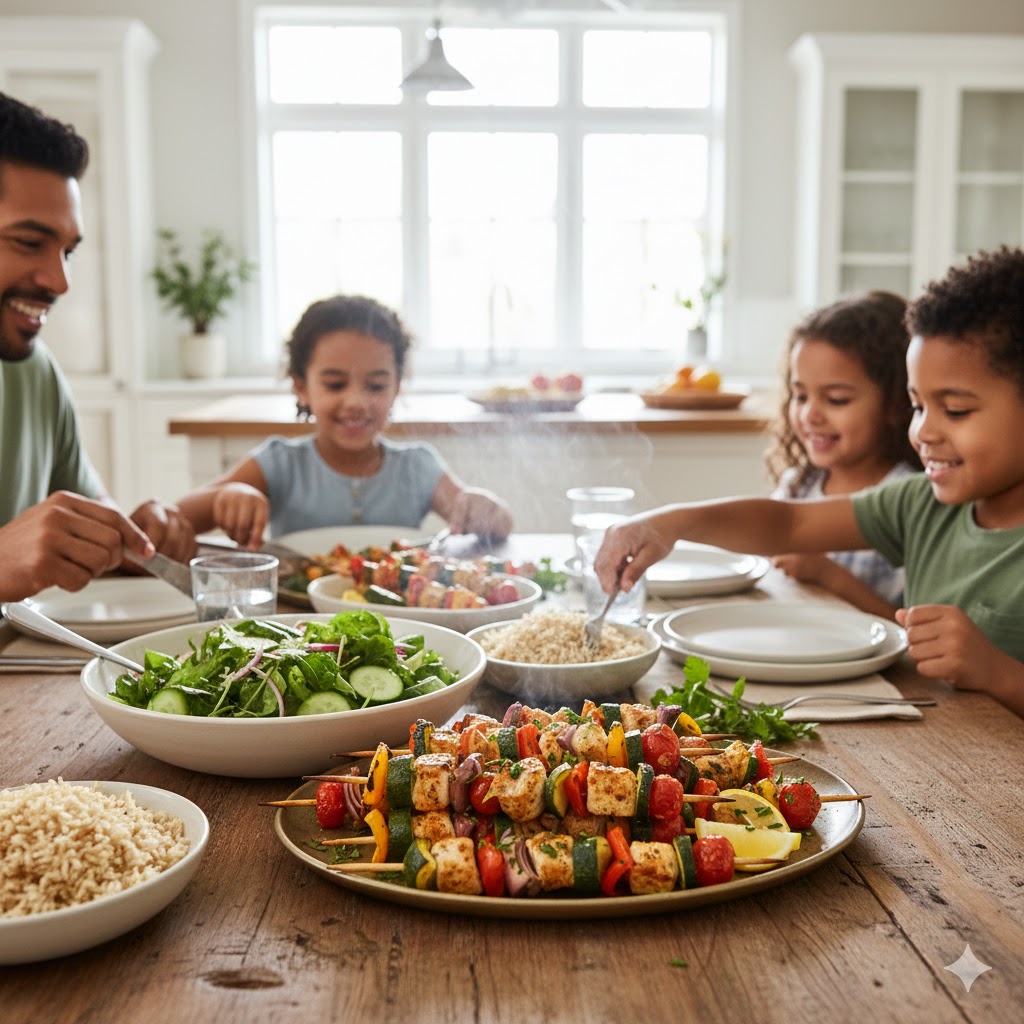
Grilled or roasted vegetables: Bell peppers, onions, zucchini, and tomatoes.
-
Rice or couscous: Lightly spiced or herbed rice complements rich meat flavors.
-
Dips and sauces: Yogurt-based sauces, mint chutney, or tahini provide creamy balance.
-
Flatbreads: Naan, pita, or parathas for wrapping and scooping.
Serving kebabs with vegetables and whole grains ensures balanced meals while retaining authentic flavors.
6. Health and Safety Considerations
-
Always use fresh halal meat from trusted sources.
-
Avoid cross-contamination by using separate cutting boards and utensils for raw meat.
-
Cook meat to safe internal temperatures to prevent foodborne illness.
-
Store leftovers in airtight containers and refrigerate within two hours.
Following these steps keeps kebabs both safe and nutritious.
7. Cultural Significance
Kebabs are more than a meal — they are a symbol of hospitality and celebration in Muslim cultures. From backyard grilling to large festive feasts, kebabs represent family, tradition, and culinary artistry. Preparing authentic halal kebabs helps preserve these cultural traditions while enjoying modern conveniences.
Conclusion
Traditional halal meat kebabs are a perfect blend of flavor, nutrition, and cultural heritage. By selecting lean, certified meat, marinating with spices and herbs, and using healthy cooking methods, you can prepare kebabs that are tender, juicy, and satisfying. Whether you choose shish, seekh, or chicken tikka, these kebabs are versatile enough for everyday meals, family gatherings, and festive celebrations.
With proper preparation and attention to halal standards, kebabs remain a delicious, wholesome, and meaningful dish that brings families and communities together around the table.