Protein & Vitamins in Zabiha Meat

Protein & Vitamins in Zabiha Meat
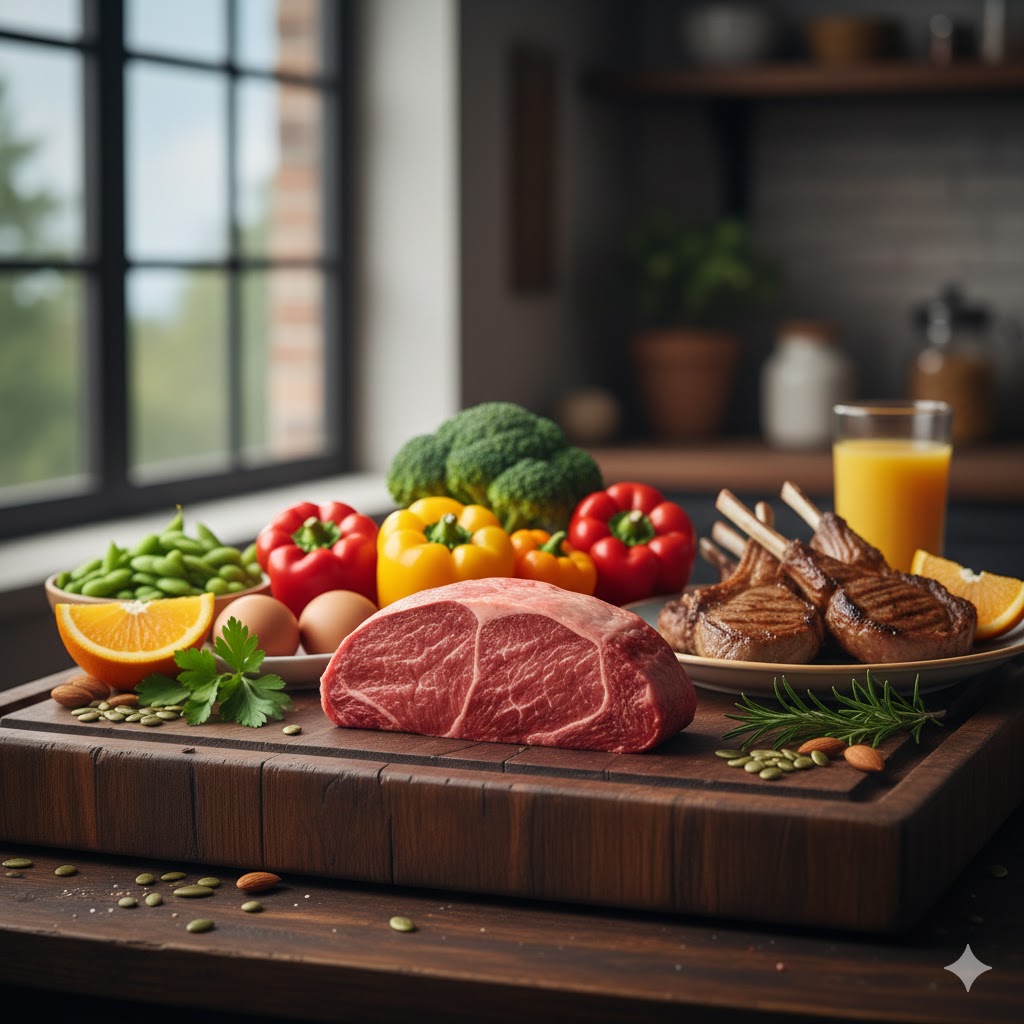
Zabiha meat, prepared according to halal standards, is a rich source of high-quality protein and essential vitamins that support growth, immunity, and overall health. Its ethical and hygienic preparation ensures that the nutrients remain intact, making it an ideal choice for families, children, and anyone seeking a nutritious, wholesome protein source.
This guide explores the protein content, vitamin profile, and health benefits of Zabiha meat, as well as tips for maximizing nutrient retention through cooking and meal planning.
1. High-Quality Protein in Zabiha Meat
Protein is the foundation of a healthy diet, and Zabiha meat is packed with complete protein, meaning it contains all the essential amino acids the body cannot produce on its own.
-
Chicken: Lean chicken breast provides approximately 31 grams of protein per 100 grams, supporting muscle growth, tissue repair, and overall energy.
-
Lamb: Lean cuts like loin or shoulder provide around 25 grams of protein per 100 grams, along with flavor-enhancing fat.
-
Beef: Lean sirloin or tenderloin offers 26 grams of protein per 100 grams, contributing to strong muscles and overall wellness.
Benefits of protein from Zabiha meat:
-
Supports growth and development in children.
-
Aids muscle repair and maintenance in adults.
-
Promotes satiety, helping with weight management.
-
Enhances immune function through amino acid-rich proteins.
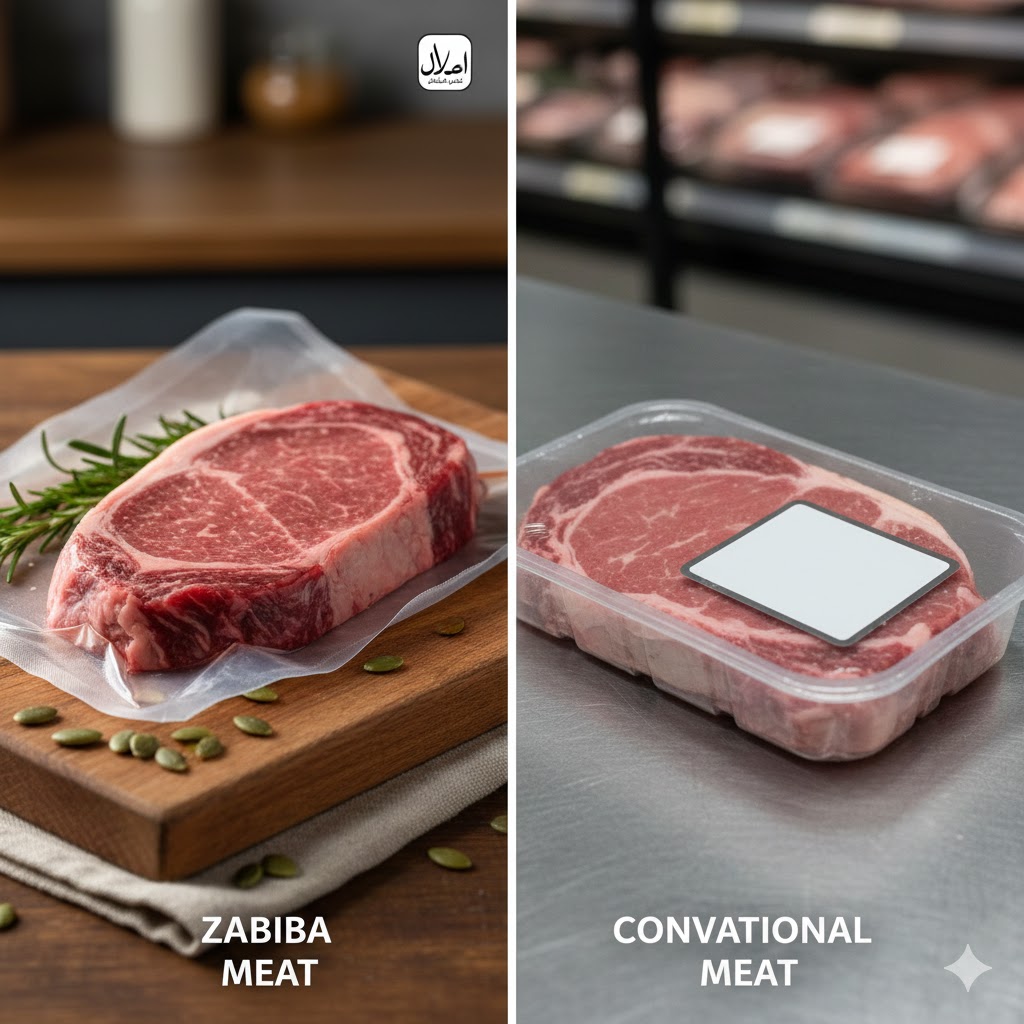
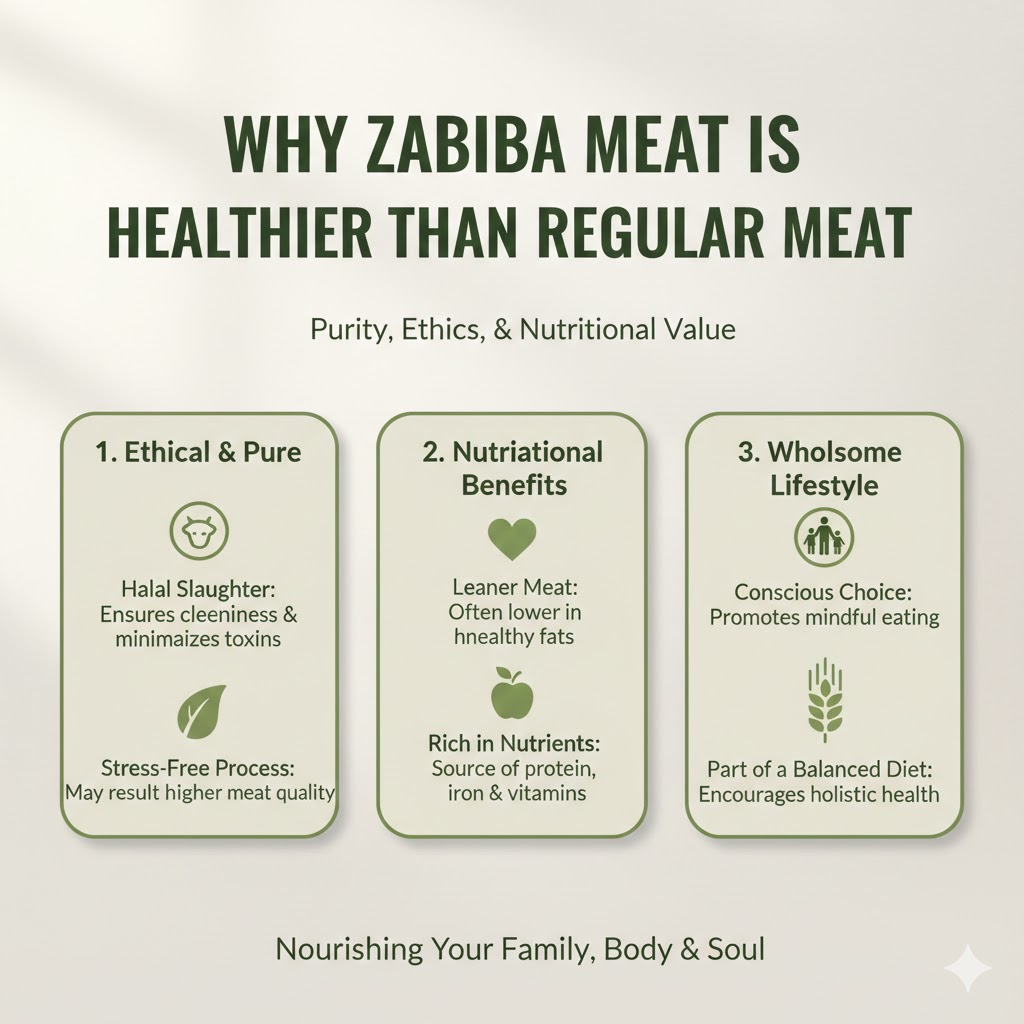
Compared to conventional meat, Zabiha meat often comes from healthier, less-stressed animals, which can improve digestibility and protein quality.
2. Essential Vitamins in Zabiha Meat
Zabiha meat is also a powerhouse of vitamins that support energy, metabolism, and organ function:
a) B-Vitamins
-
Vitamin B12: Essential for red blood cell formation, nervous system health, and DNA synthesis.
-
Vitamin B6: Supports protein metabolism and brain development.
-
Niacin (B3): Promotes healthy skin, digestion, and energy production.
-
Riboflavin (B2): Important for energy metabolism and cell function.
Why it matters: B-vitamins in Zabiha meat ensure children and adults have adequate energy for growth, learning, and daily activity.
b) Fat-Soluble Vitamins
-
Vitamin A: Present in moderate amounts, supporting vision, immunity, and skin health.
-
Vitamin D: Particularly in lamb and fatty cuts, contributes to bone strength and calcium absorption.
-
Vitamin E: Acts as an antioxidant, protecting cells from damage.
-
Vitamin K: Supports blood clotting and bone health.
These vitamins are retained better in fresh, ethically raised Zabiha meat compared to some conventionally processed meats.
3. Minerals Complementing Protein & Vitamins
While protein and vitamins are central, Zabiha meat also provides key minerals:
-
Iron: Heme iron from meat is highly absorbable and prevents anemia, especially in children and pregnant women.
-
Zinc: Supports immune system function, growth, and wound healing.
-
Phosphorus: Works with calcium for strong bones and teeth.
-
Selenium: Acts as an antioxidant and supports thyroid function.
The combination of protein, vitamins, and minerals makes Zabiha meat a complete nutritional package for families.
4. How Preparation Affects Nutrient Retention
To preserve protein and vitamins in Zabiha meat, cooking methods are crucial:
-
Steaming or poaching: Retains maximum vitamins and keeps meat tender.
-
Grilling or baking: Preserves protein while minimizing added fats.
-
Slow-cooking: Breaks down connective tissue, making nutrients more accessible and digestible.
-
Avoid deep-frying or overcooking: High heat and excess oil can destroy vitamins and reduce protein quality.
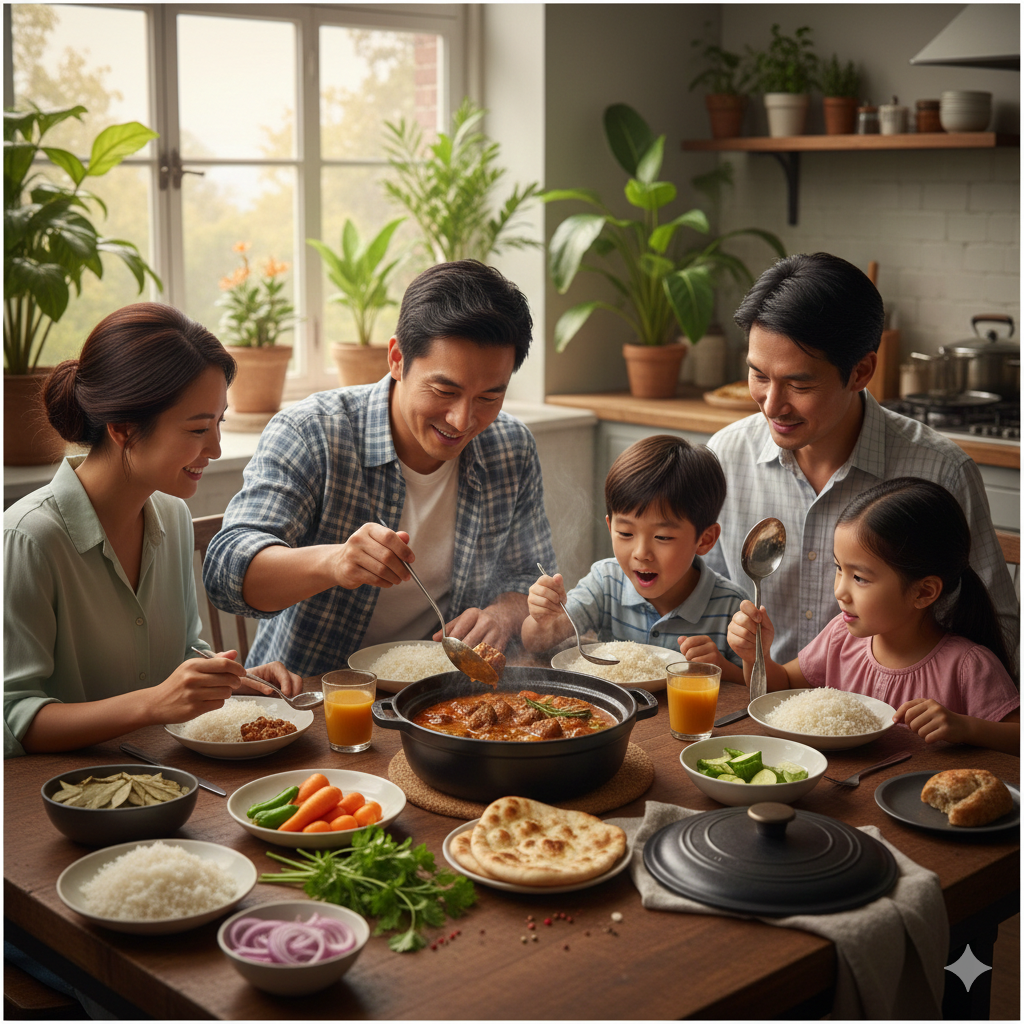
Pairing Zabiha meat with vegetables and whole grains further enhances nutrient absorption.
5. Protein & Vitamins for Children and Families
Zabiha meat is particularly beneficial for children due to:
-
High-quality protein for muscle and tissue development.
-
Iron and B-vitamins for brain development and energy.
-
Zinc and selenium for immunity and overall growth.
For families, it provides balanced nutrition, supporting active lifestyles and promoting long-term health.
6. Daily Incorporation Tips
-
Include Zabiha meat 2–3 times per week for balanced protein intake.
-
Use lean cuts for children and moderate-fat cuts for adults to manage fat intake.
-
Combine with vegetables, legumes, and whole grains for fiber and micronutrient diversity.
-
Cook using gentle methods to preserve vitamins and protein quality.
These habits make Zabiha meat a consistent source of essential nutrients for the whole family.
7. Health Benefits Summary
-
Supports growth: Protein and B-vitamins aid muscle and cognitive development.
-
Boosts immunity: Zinc, selenium, and vitamin A strengthen the immune system.
-
Promotes energy metabolism: B-vitamins convert food into usable energy.
-
Maintains strong bones: Vitamin D, phosphorus, and vitamin K support skeletal health.
-
Digestive ease: Lean cuts and proper cooking ensure protein is easily absorbed.
Conclusion
Zabiha meat is more than just a source of ethical protein—it is a nutrient-rich food that supports growth, energy, immunity, and overall family health. With high-quality protein, essential vitamins, and complementary minerals, Zabiha meat meets the nutritional needs of children, adults, and the elderly alike.
By choosing lean cuts, preparing them with gentle cooking methods, and pairing them with vegetables and grains, families can maximize the health benefits of Zabiha meat. Its combination of ethically sourced, nutrient-dense protein and vitamins makes it a superior choice for anyone seeking wholesome, balanced meals that nourish the body and mind.