Healthy Cooking Methods for Zabiha Meat

Zabiha meat, prepared according to halal practices, is not only ethically sourced but also highly nutritious. Cooking it properly enhances its flavor while preserving nutrients, ensuring a healthy and balanced meal. From chicken to lamb and beef, choosing the right cooking techniques can make a significant difference in taste, texture, and health benefits.
This guide explores the healthiest ways to cook Zabiha meat, along with tips, precautions, and recipe ideas for families seeking wholesome meals.
1. Choosing the Right Zabiha Meat
The foundation of healthy cooking starts with high-quality meat:
-
Chicken: Skinless thighs and breast cuts are lean, high in protein, and versatile.
-
Lamb: Opt for shoulder or loin chops; trim excess fat to reduce saturated fat intake.
-
Beef: Lean cuts like sirloin, tenderloin, or round are ideal for healthy preparation.
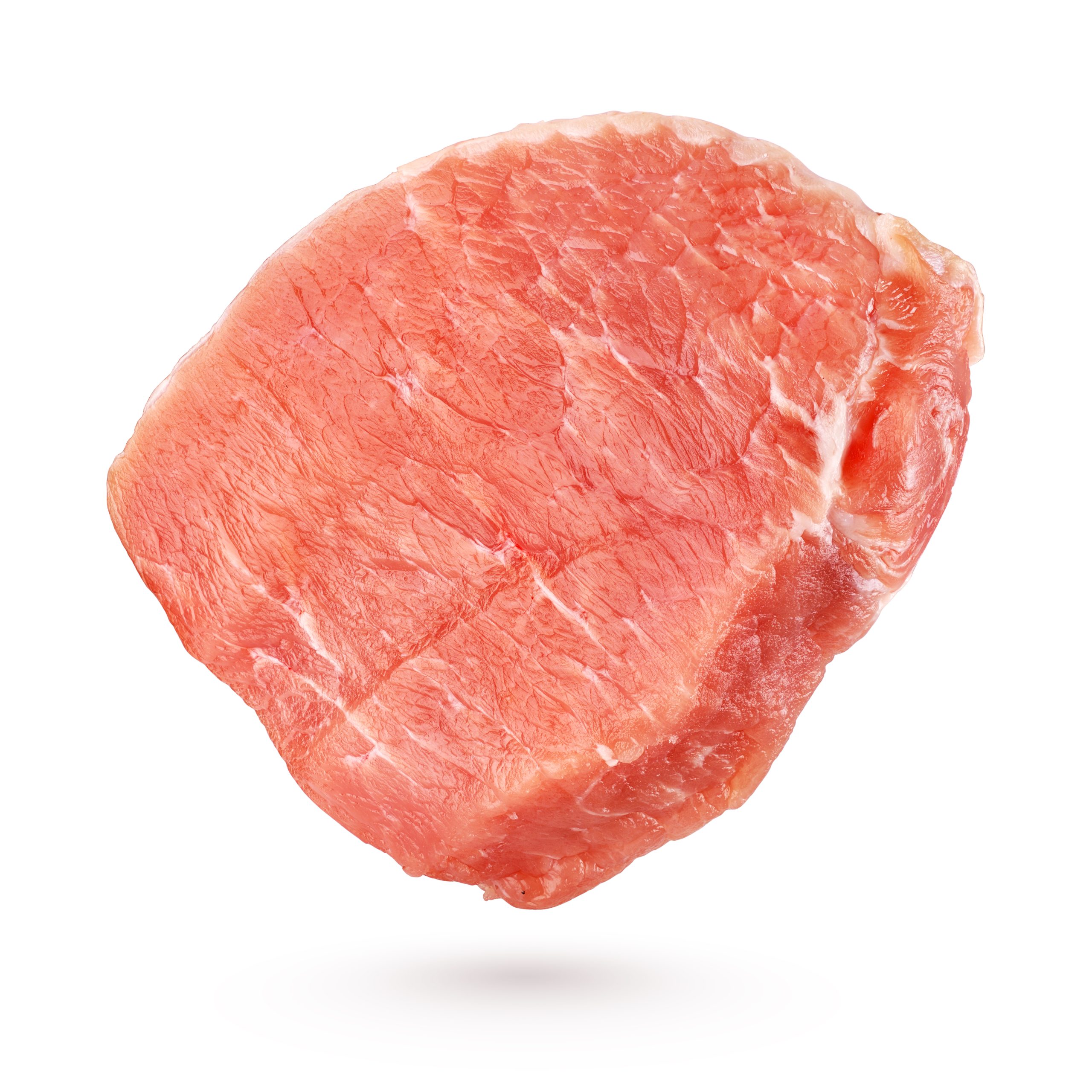
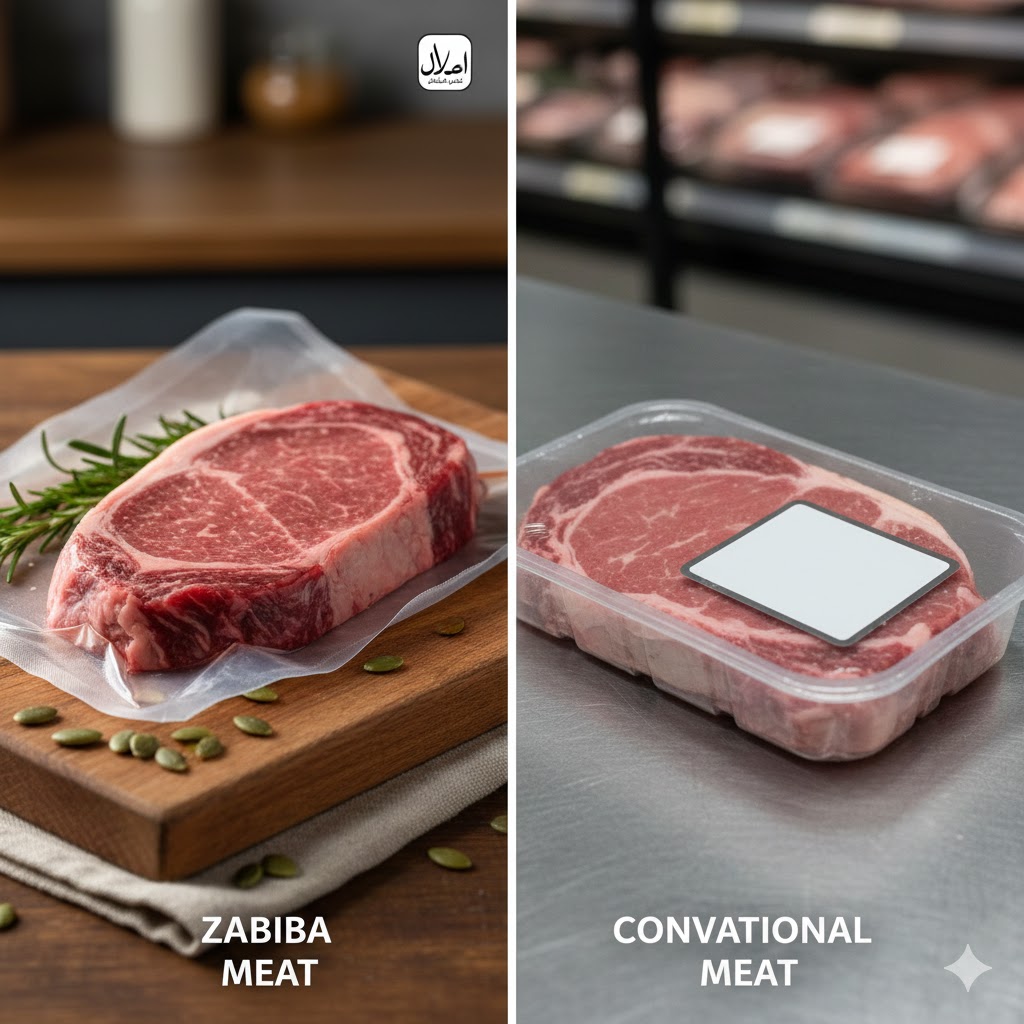
Buying certified Zabiha meat ensures ethical slaughter, freshness, and better taste, which is particularly important when using minimal oils or light cooking methods.
2. Grilling
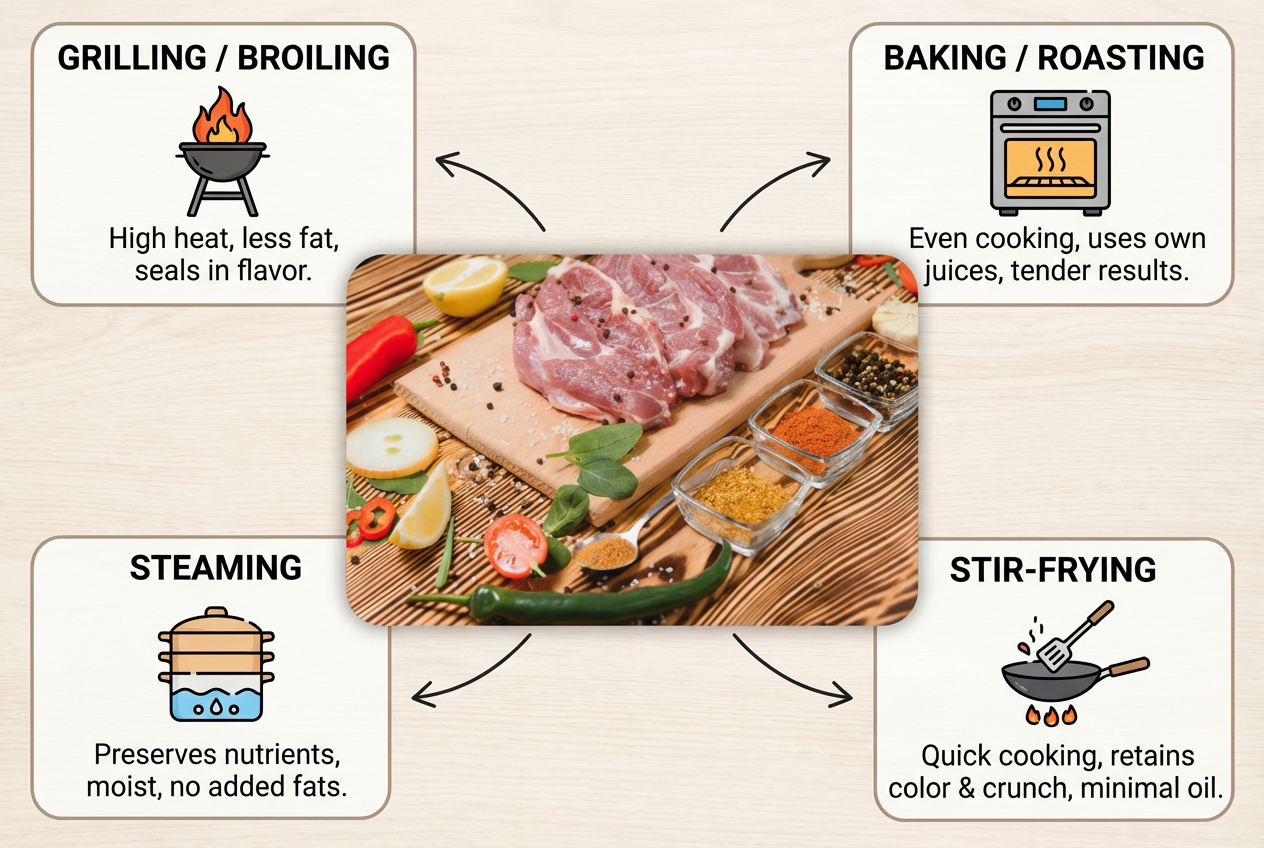
Grilling is a popular healthy method because it allows fat to drip away while infusing meat with smoky flavor:
-
Preheat the grill to medium-high heat.
-
Brush meat lightly with olive oil and season with herbs and spices.
-
Grill chicken, lamb, or beef, turning occasionally until fully cooked.
-
Avoid charring excessively to prevent formation of harmful compounds.
Benefits:
-
Reduces added fat
-
Enhances flavor naturally
-
Quick cooking preserves nutrients
Tip: Marinate Zabiha meat with yogurt, lemon, and spices to tenderize and boost taste without extra oil.
3. Baking or Roasting
Oven cooking is another healthy method that allows for even cooking without deep frying:
-
Preheat oven to 180–200°C (350–400°F).
-
Place Zabiha meat in a baking dish, lightly brush with olive oil, and season.
-
Roast until meat is tender and juices run clear.
-
Use vegetables as a base to roast with the meat for a nutrient-rich meal.
Benefits:
-
Minimal added fat
-
Preserves natural juices and flavor
-
Easy to cook large portions
Tip: Cover meat with foil initially, then uncover toward the end for a golden crust.
4. Steaming
Steaming is a gentle cooking method that retains maximum nutrients while keeping meat tender:
-
Place Zabiha meat in a steamer basket over boiling water.
-
Steam until fully cooked (chicken 165°F / 74°C, beef and lamb 145–160°F depending on preference).
-
Pair with vegetables for a balanced, low-fat meal.
Benefits:
-
Preserves vitamins and minerals
-
No added oils required
-
Reduces calorie content
Tip: Infuse steam with herbs or ginger for added aroma without extra calories.
5. Poaching
Poaching involves cooking meat gently in water or broth at sub-boiling temperatures:
-
Heat water or low-sodium broth to 160–180°F (70–82°C).
-
Add Zabiha meat and cook until tender.
-
Remove and serve with the broth as a light, flavorful base for soups or salads.
Benefits:
-
Low-fat cooking method
-
Keeps meat moist
-
Ideal for lean cuts like chicken breast
Tip: Add aromatics like garlic, onion, or bay leaves to enhance flavor naturally.
6. Stir-Frying with Minimal Oil
Stir-frying allows quick cooking with just a small amount of healthy oil:
-
Use olive oil or avocado oil sparingly.
-
Preheat a wok or large skillet and add sliced Zabiha meat.
-
Cook quickly over high heat with vegetables for a balanced, nutrient-rich dish.
-
Avoid overcooking to retain texture and juiciness.
Benefits:
-
Retains flavor and color of vegetables
-
Preserves protein in meat
-
Quick and convenient
Tip: Pre-cut all ingredients and prepare sauces ahead of time for efficient cooking.
7. Slow Cooking
Slow cooking involves simmering meat at low temperatures for extended periods:
-
Place Zabiha meat, vegetables, and broth in a slow cooker.
-
Cook on low for 6–8 hours (or high for 3–4 hours).
-
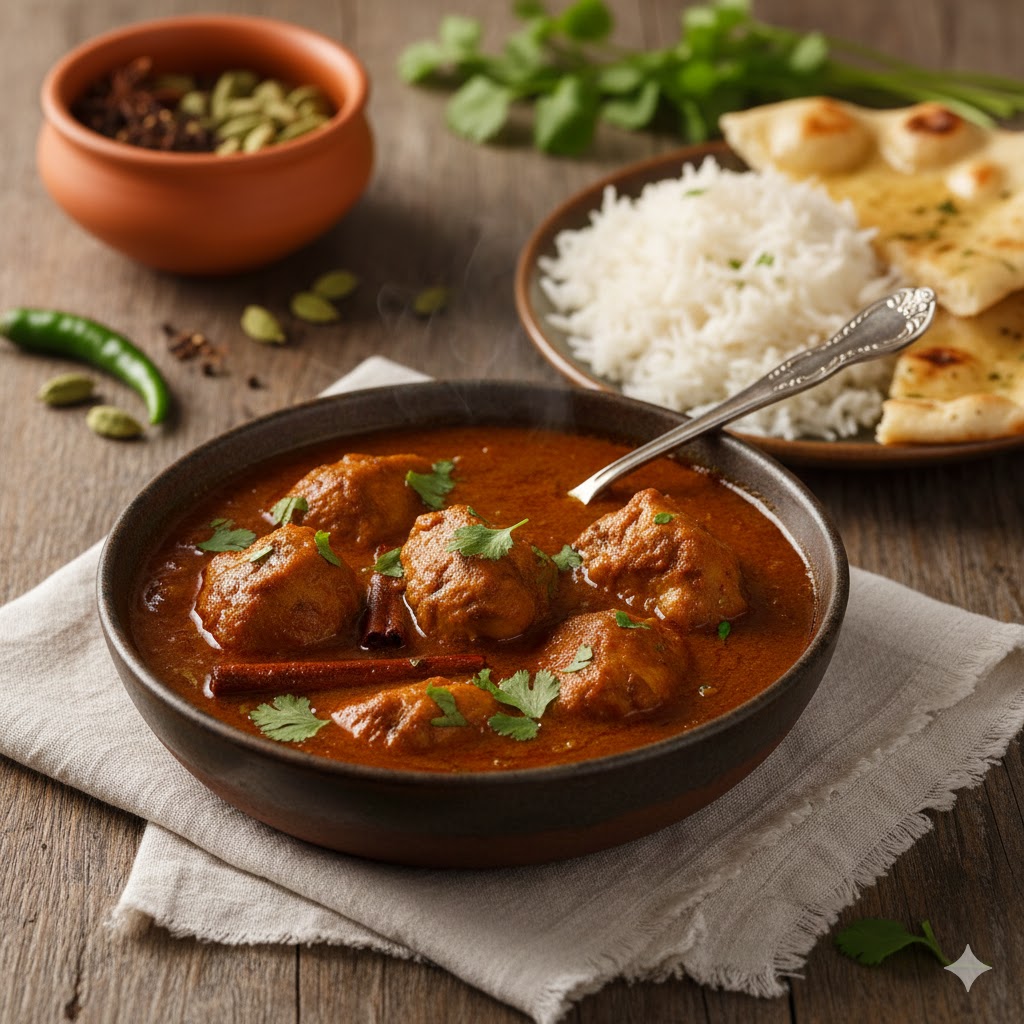
Ideal for stews, curries, and shredded meat recipes.
Benefits:
-
Enhances flavor naturally without excess oil
-
Breaks down tough fibers for tender meat
-
Great for meal prep and batch cooking
Tip: Use herbs, spices, and a small amount of healthy oil instead of heavy sauces to maintain nutritional value.
8. Tips for Healthy Zabiha Meat Cooking
-
Trim visible fat before cooking to reduce saturated fat intake.
-
Use fresh herbs and spices instead of heavy sauces for flavor.
-
Avoid deep frying or excessive use of oils.
-
Cook to safe internal temperatures to prevent foodborne illness.
-
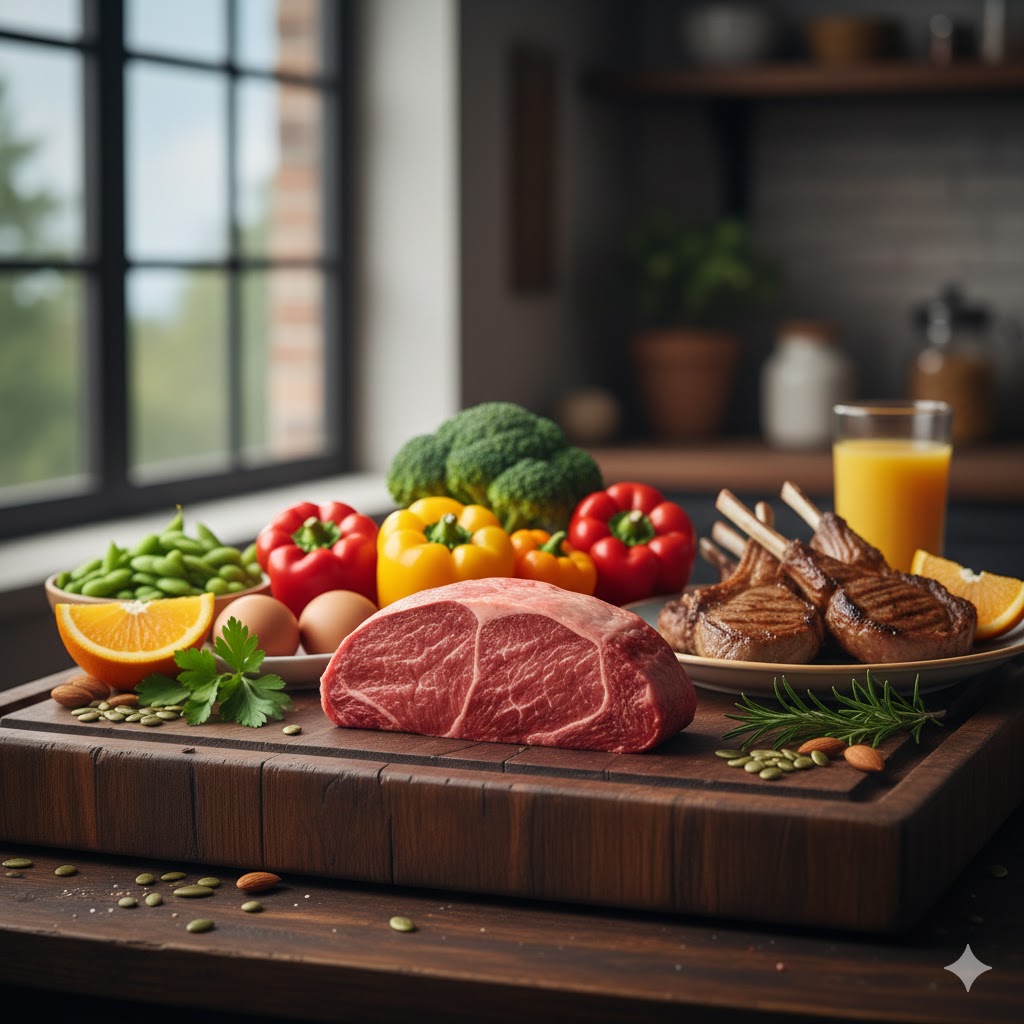
Pair with vegetables, legumes, and whole grains for balanced nutrition.
These small adjustments make every Zabiha meat meal healthier without sacrificing taste.
9. Nutritional Benefits
-
High-quality protein: Supports muscle growth and satiety.
-
Vitamins and minerals: Iron, zinc, and B vitamins aid in energy and immunity.
-
Reduced fat content: Healthy cooking methods minimize calories while preserving flavor.
-
Balanced meals: Pairing with vegetables or grains provides fiber and antioxidants.
Proper cooking methods allow families to enjoy rich flavors without compromising health.
Conclusion
Healthy cooking methods bring out the best in Zabiha meat, combining ethical sourcing, premium quality, and nutrition. Whether grilling, baking, steaming, poaching, stir-frying, or slow cooking, each method offers unique benefits for flavor, texture, and health.
By adopting these techniques, you can create delicious, tender, and wholesome meals that honor halal practices while meeting modern dietary needs. From weeknight dinners to festive feasts, cooking Zabiha meat healthily ensures that every meal is ethical, nutritious, and satisfying.