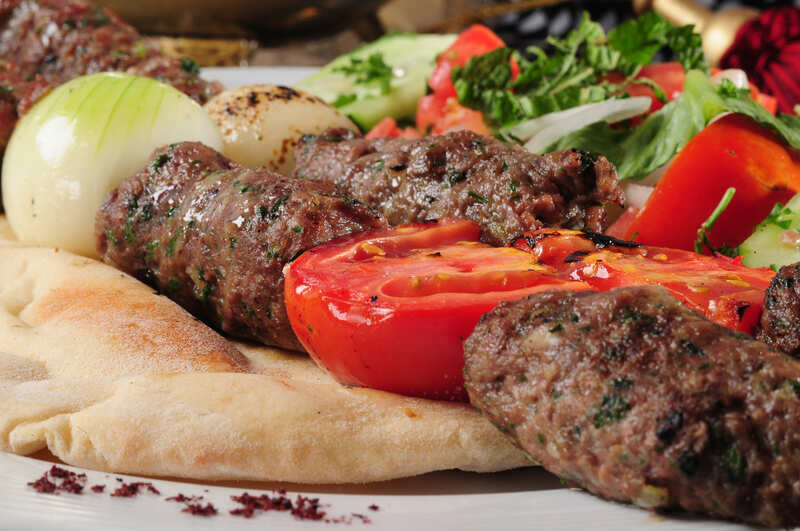
Common Misconceptions About Zabiha Meat

Zabiha meat is a cornerstone of halal dietary practices in Islam, representing not just a type of food but a religious, ethical, and humane approach to meat consumption. However, despite its long-standing significance, there are several misconceptions surrounding Zabiha meat that can confuse

History and Importance of Zabiha in Islam
Zabiha, the Islamic method of slaughter, is a practice that extends far beyond dietary choice. Rooted in faith, ethics, and compassion, Zabiha meat ensures that animals are treated humanely and that food consumed by Muslims meets religious, moral, and hygienic standards. Understanding the
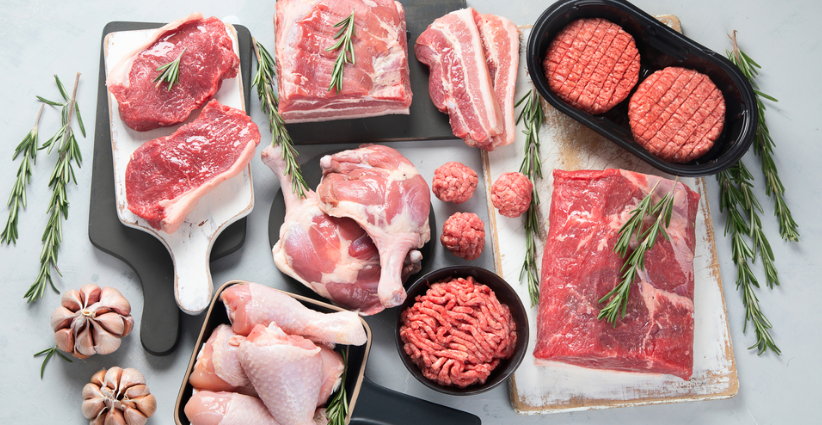
Difference Between Zabiha and Non-Zabiha Meat
For Muslims, consuming meat is not merely a matter of nutrition—it is an act deeply intertwined with faith, ethics, and religious compliance. Zabiha meat represents the Islamic method of slaughter, ensuring that the meat is halal (permissible), ethically sourced, and handled with care.
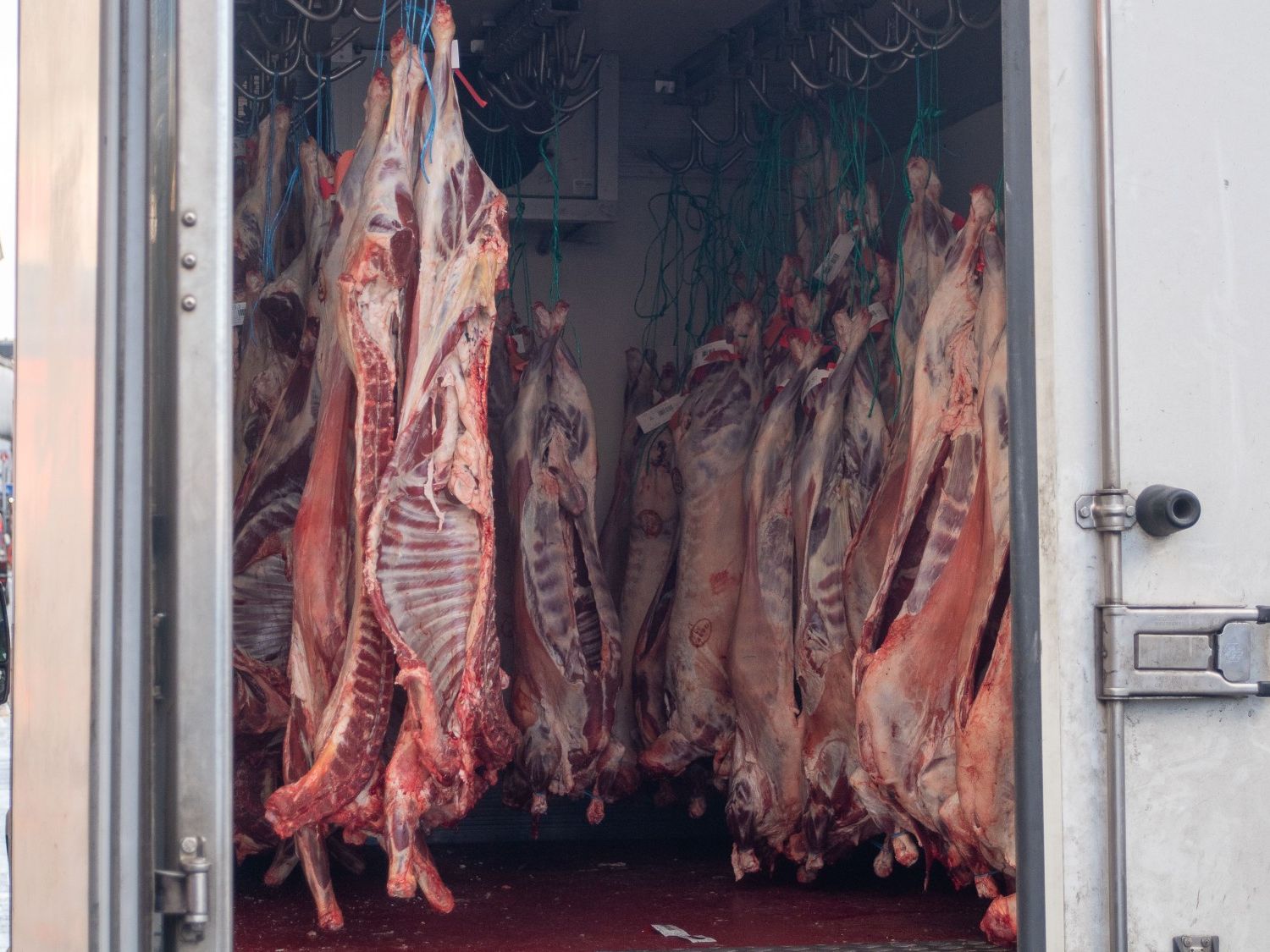
Understanding Zabiha: The Halal Method of Slaughter
Zabiha is the Islamic method of slaughtering animals, central to ensuring that meat consumed by Muslims is halal (permissible) and ethically sourced. More than just a dietary practice, Zabiha embodies spiritual mindfulness, ethical responsibility, and humane treatment of animals. Understanding the principles and