
How Modern Farms Improve Ethical Practices

Modern farming has evolved far beyond traditional methods. Today, ethical practices in agriculture are a central concern for consumers, governments, and businesses alike. Ethical farming involves prioritizing animal welfare, environmental sustainability, worker rights, and food safety. With rising awareness of humane treatment and
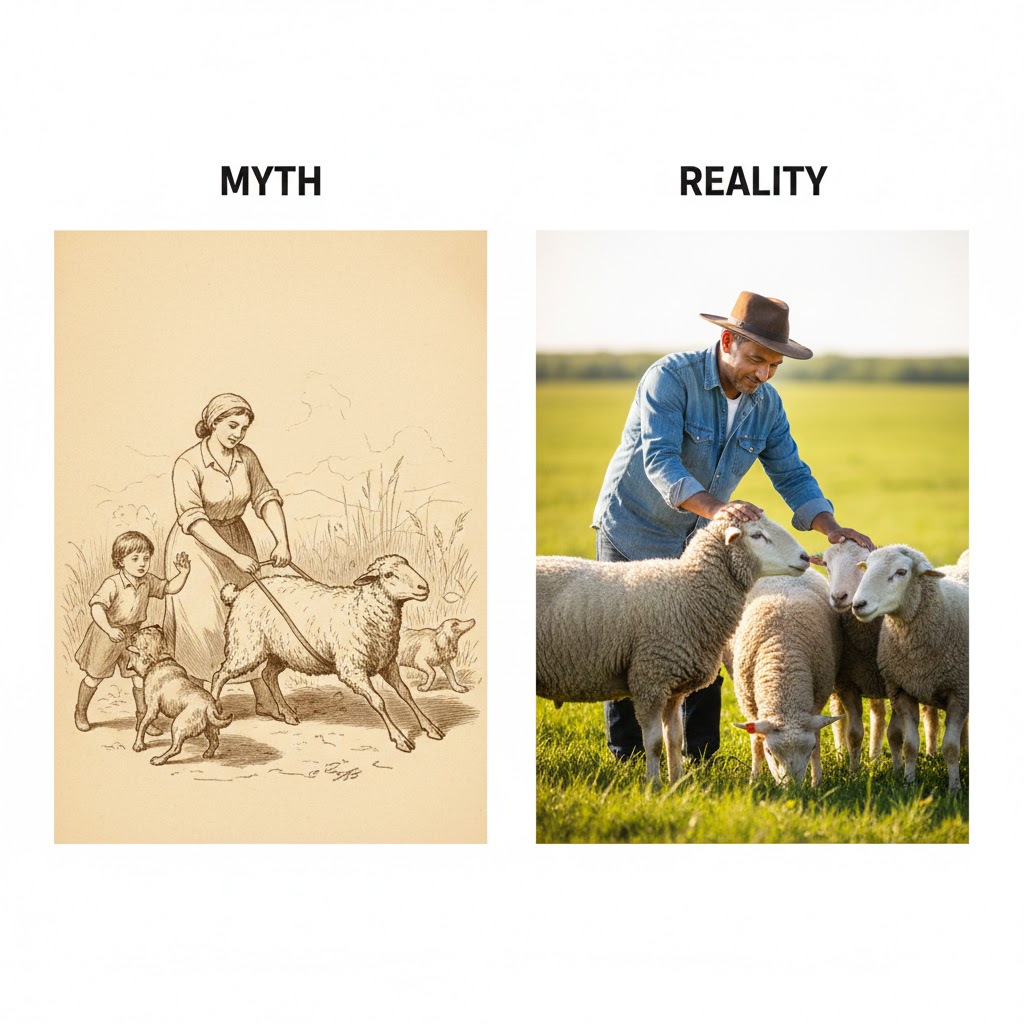
Common Myths About Zabiha & Animal Treatment
Zabiha meat is a key component of halal diets, prepared according to Islamic guidelines for slaughtering animals. Despite its widespread practice, many misconceptions exist regarding Zabiha and how animals are treated during the process. These myths often stem from misunderstandings about Islamic principles,
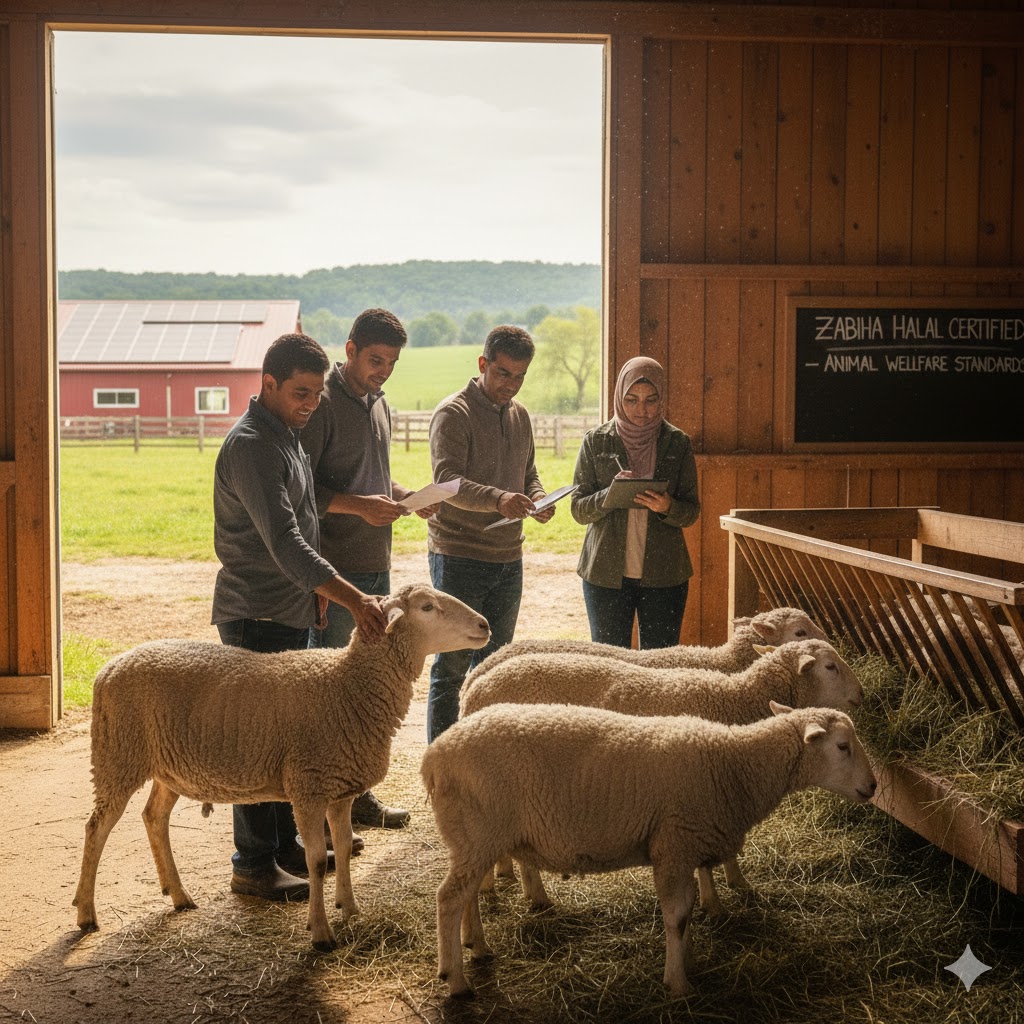
Understanding Animal Welfare in Zabiha Practices
Zabiha meat, a staple in halal diets, is not only about religious compliance but also emphasizes ethical treatment and welfare of animals. Ensuring that animals are treated humanely before, during, and after slaughter is central to Islamic guidelines. Modern Zabiha practices increasingly integrate
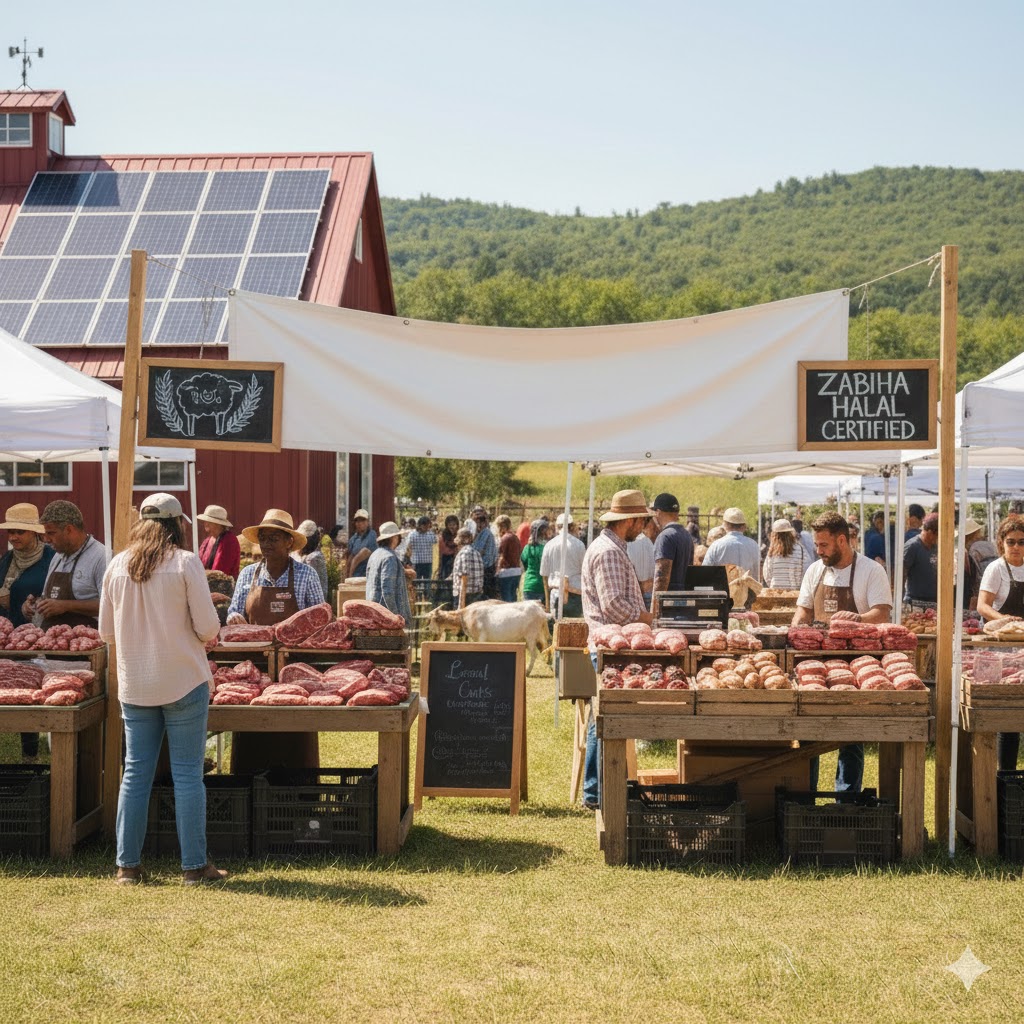
Supporting Sustainable Meat Production
Meat production is a vital part of the global food system, providing protein, nutrients, and culinary diversity. However, traditional meat production practices can have significant environmental and ethical impacts. From deforestation to greenhouse gas emissions, conventional methods often strain natural resources. Supporting sustainable
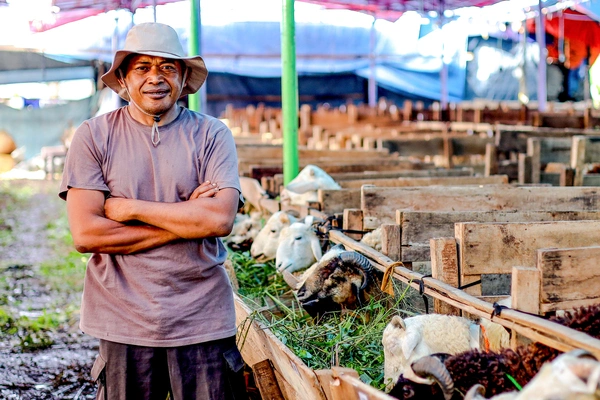
How Local Farms Ensure Zabiha Standards
Zabiha meat is a central part of halal diets, prepared according to Islamic guidelines to ensure the meat is lawful, ethical, and safe for consumption. Local farms play a crucial role in maintaining these standards, from raising animals to processing and delivering meat
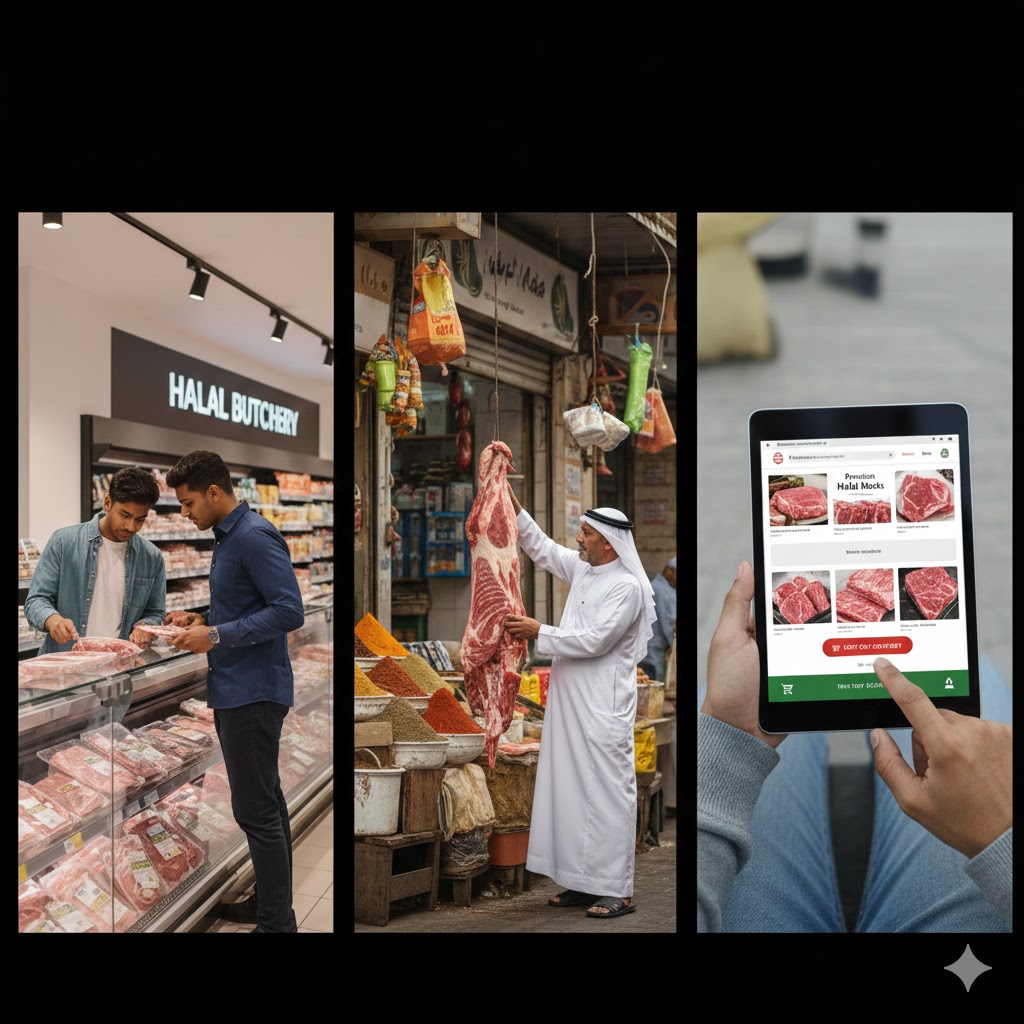
Benefits of Buying from Organic Zabiha Farms
In recent years, consumers have become increasingly aware of the food they eat, prioritizing health, ethical treatment of animals, and environmental sustainability. Organic Zabiha meat combines the principles of halal slaughter with organic farming practices, offering a product that meets religious, ethical, and
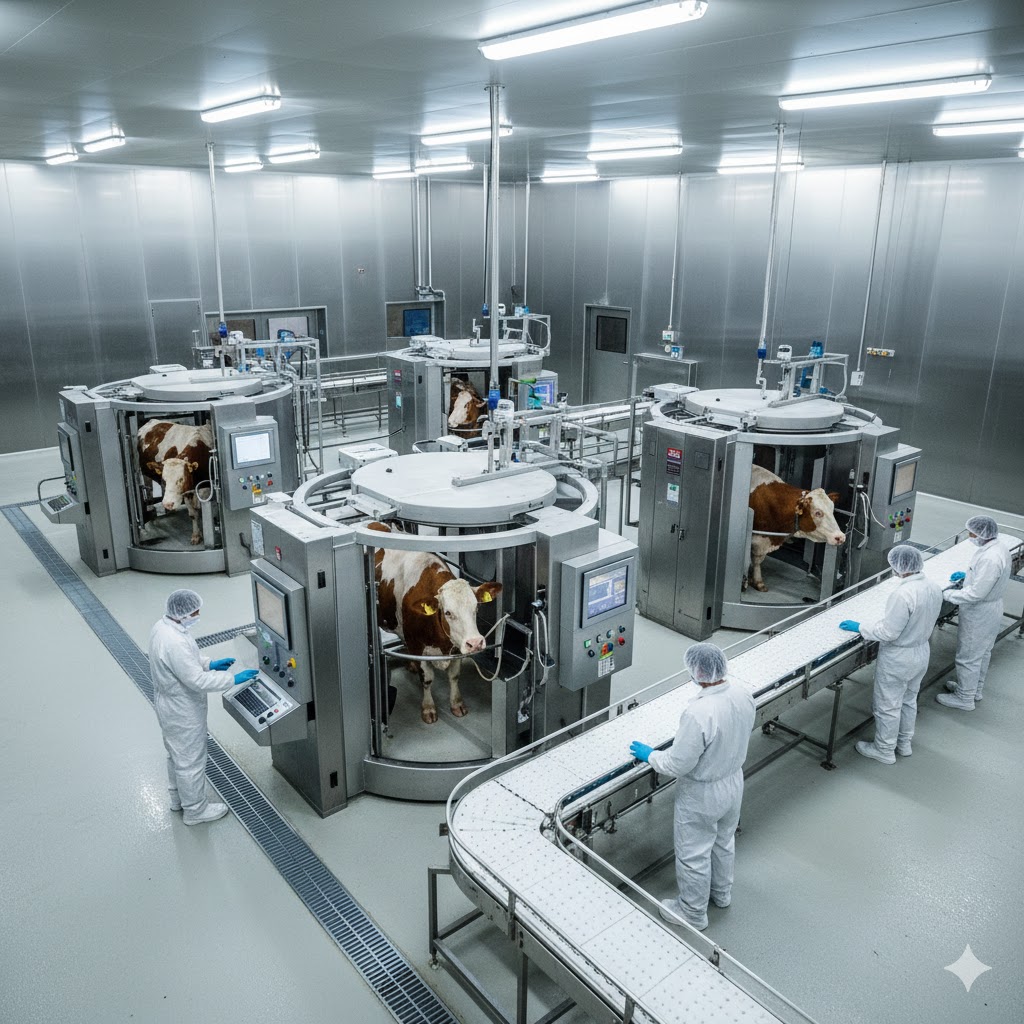
Innovations in Humane Zabiha Slaughter
Zabiha slaughter, a fundamental practice in halal meat production, ensures that animals are treated ethically and that meat is prepared according to Islamic law. While the traditional method emphasizes swift, humane cutting and the invocation of Allah’s name, modern innovations are transforming the
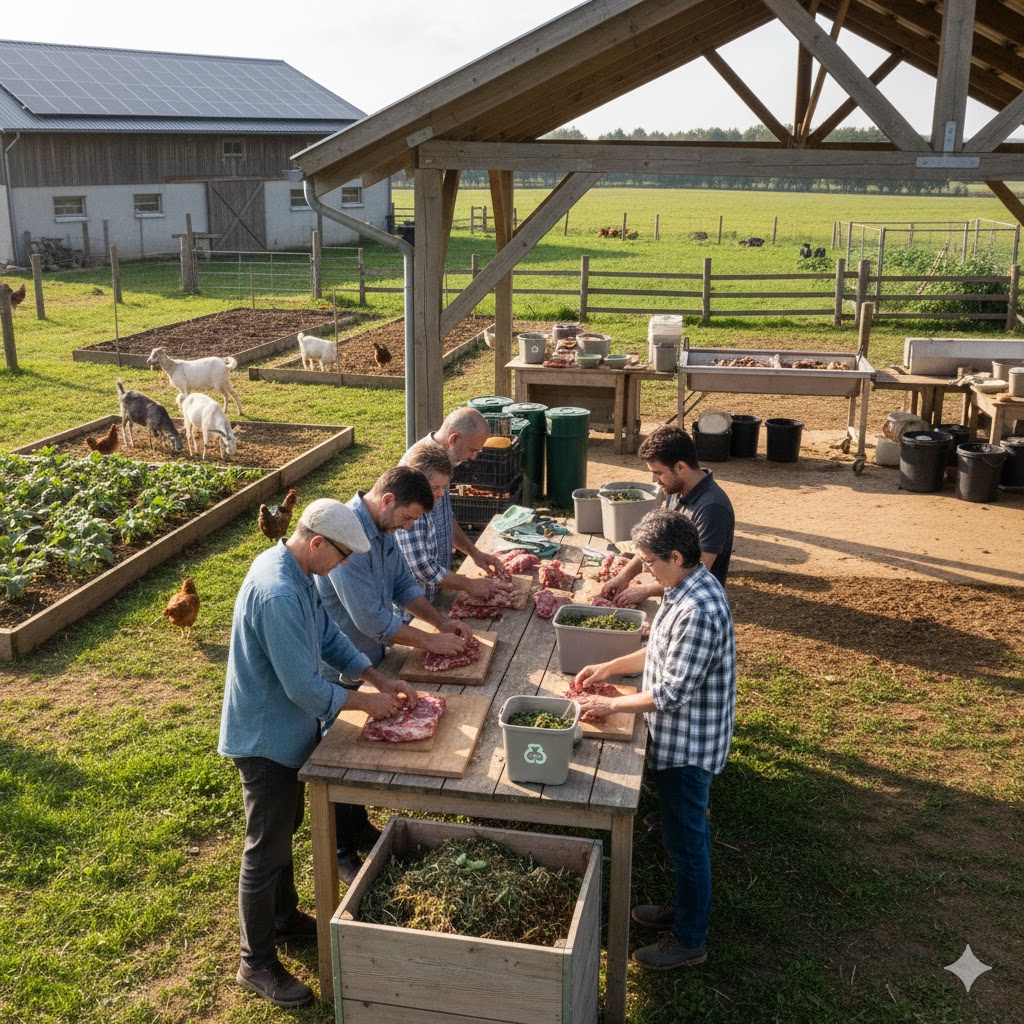
Reducing Waste While Using Zabiha Meat
Zabiha meat is an essential part of halal diets, particularly during festivals like Eid al-Adha, when families often purchase larger quantities than usual. While enjoying Zabiha meat is spiritually and culturally significant, it also comes with the responsibility of minimizing waste. Meat is
Environmental Impact of Zabiha Meat
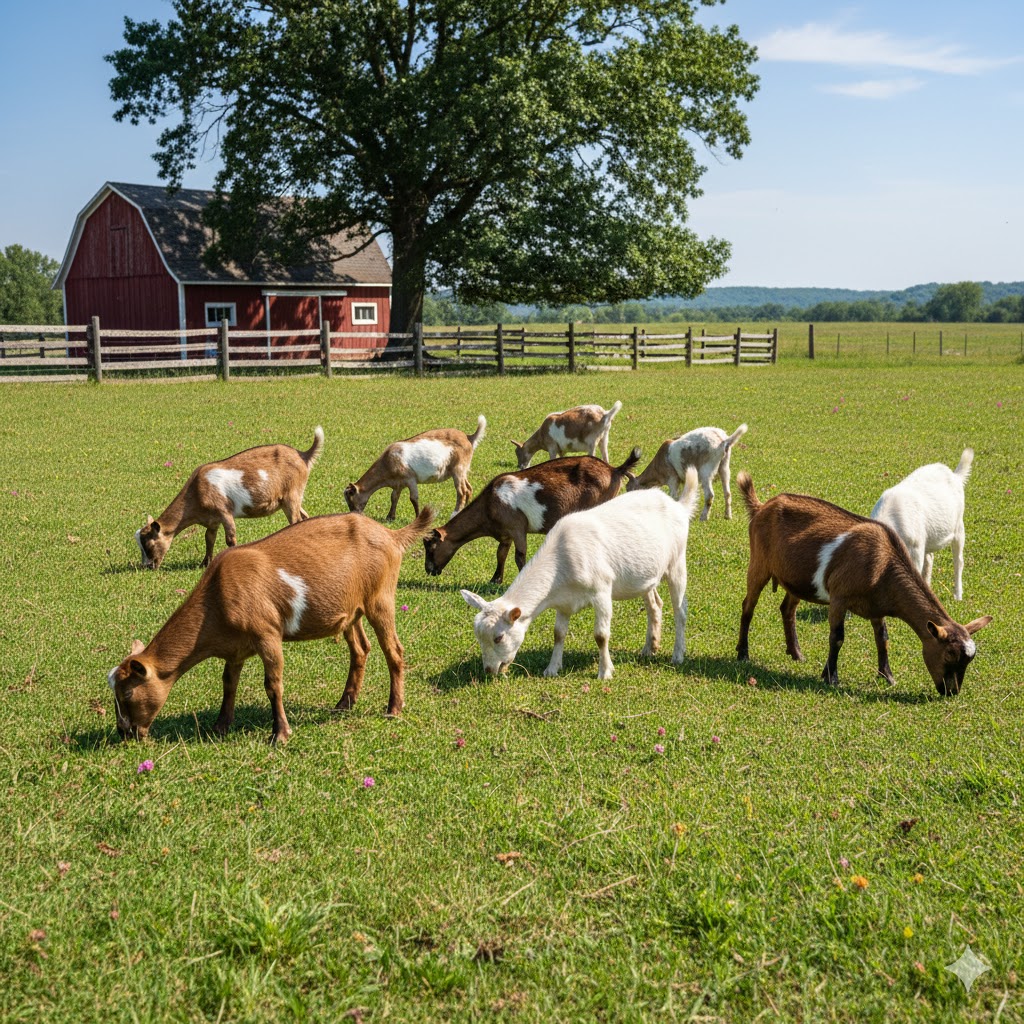
Zabiha meat, prepared according to Islamic dietary laws, is a cornerstone of halal food practices around the world. While the focus of Zabiha meat is on religious compliance, humane slaughter, and ethical treatment of animals, it is also important to consider the environmental
Humane Handling of Zabiha Animals
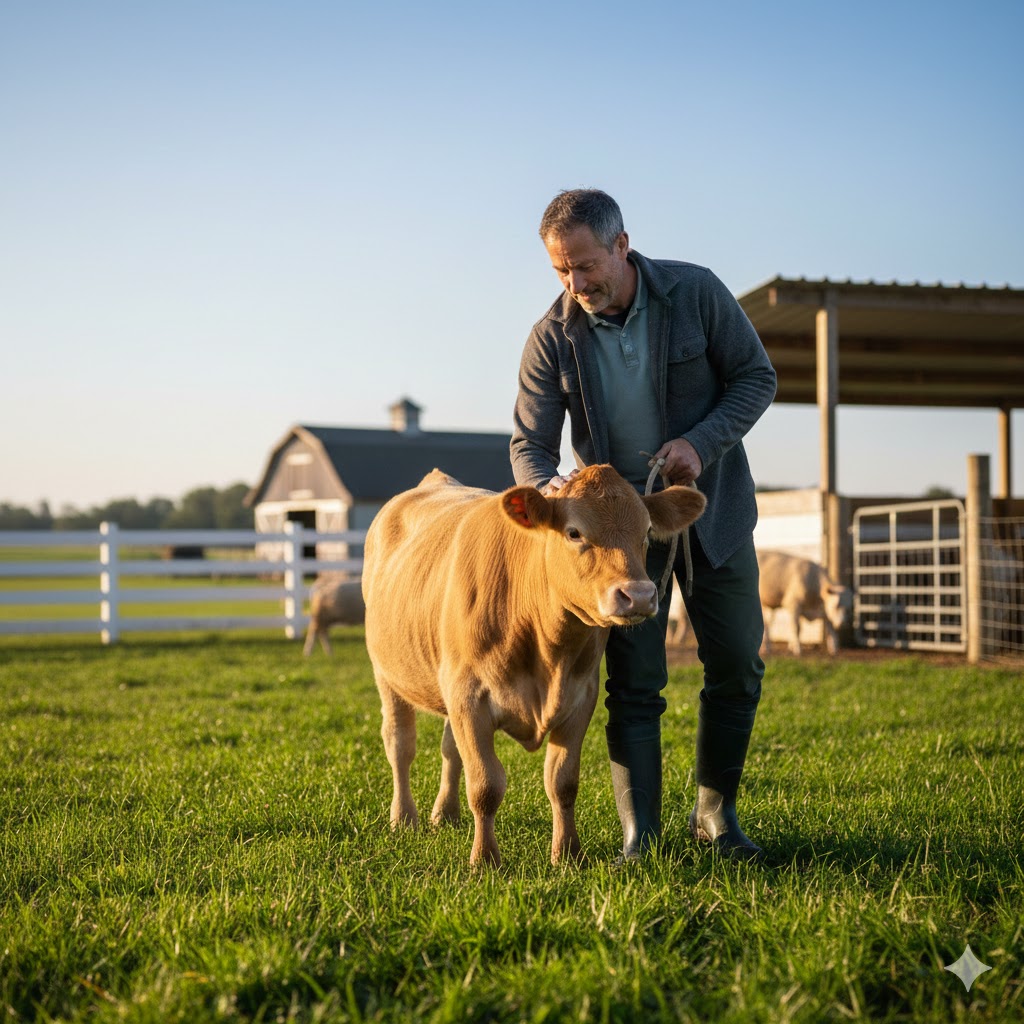
Zabiha meat is central to halal dietary practices, emphasizing not only religious compliance but also ethical treatment of animals. Humane handling is a crucial part of Zabiha standards, ensuring that animals are treated with care, respect, and dignity from birth until slaughter. Modern