
Global Zabiha Meat Standards Explained

Zabiha meat is a cornerstone of halal dietary practices, observed by millions of Muslims worldwide. Ensuring that meat is not only halal but also meets strict Zabiha standards is vital for both religious compliance and consumer trust. While the term “halal” refers broadly

Import Export Guidelines for Halal Meat
The global demand for halal meat is rising rapidly, driven by Muslim populations worldwide and increasing consumer preference for ethically and religiously compliant food. Halal meat is not just a dietary requirement—it’s also a significant trade commodity, with strict standards and regulations governing
Best Countries to Source Zabiha Meat
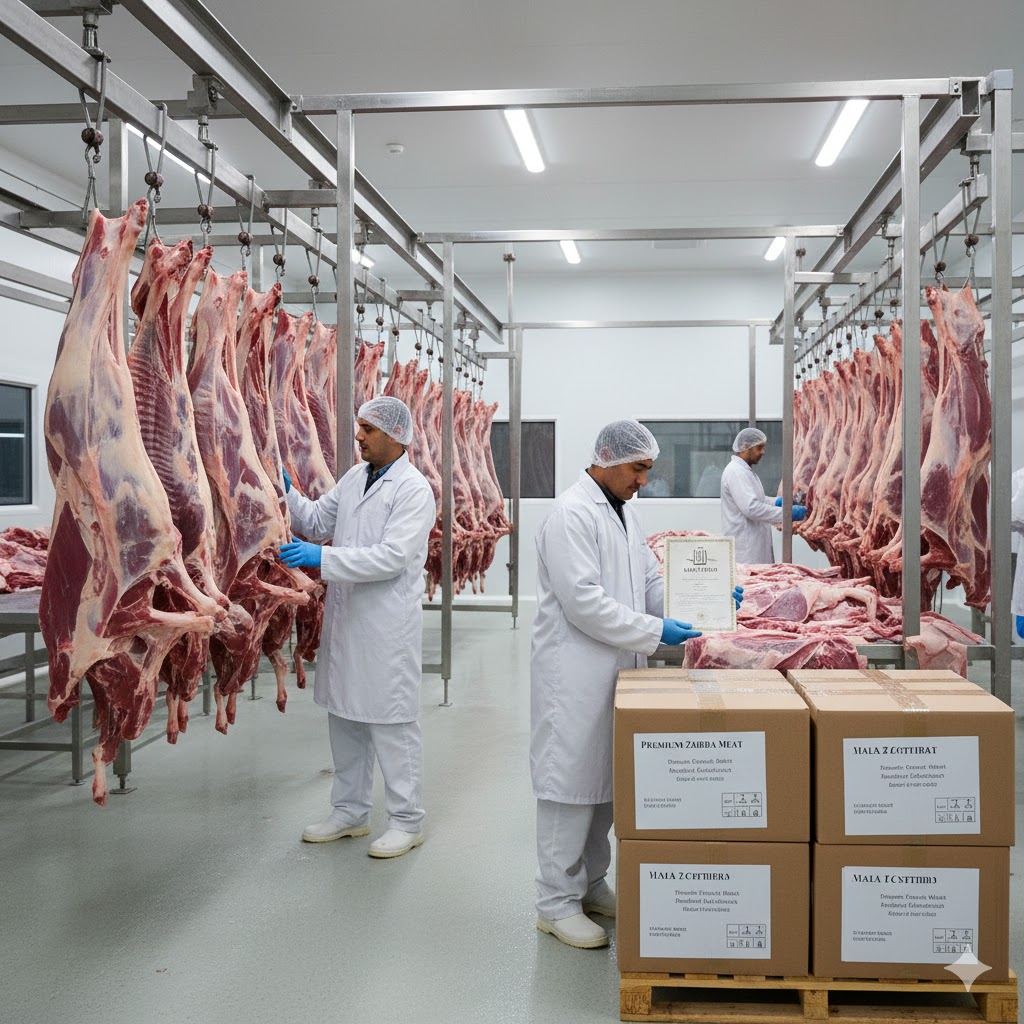
Zabiha meat is a crucial requirement for Muslims worldwide, ensuring that meat is slaughtered according to Islamic principles. With the growing demand for halal and Zabiha meat globally, sourcing high-quality meat that meets religious, ethical, and safety standards has become increasingly important. Not
Stories Behind Zabiha in Local Cultures
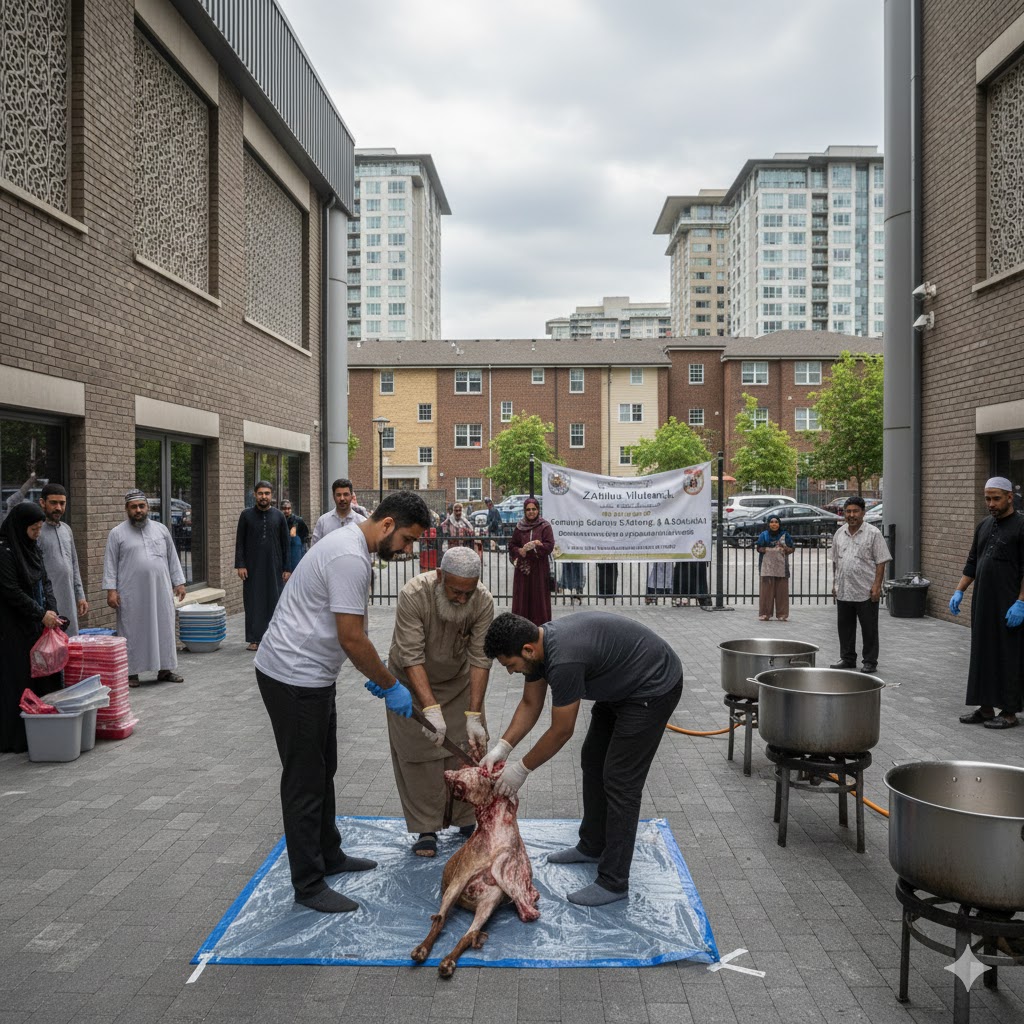
Zabiha meat is more than just a dietary requirement for Muslims—it carries deep spiritual, ethical, and cultural significance. While its religious rules are well-known, the stories and practices surrounding Zabiha vary across local cultures, reflecting centuries of tradition, community values, and culinary heritage.
Festivals & Celebrations Involving Zabiha Meat
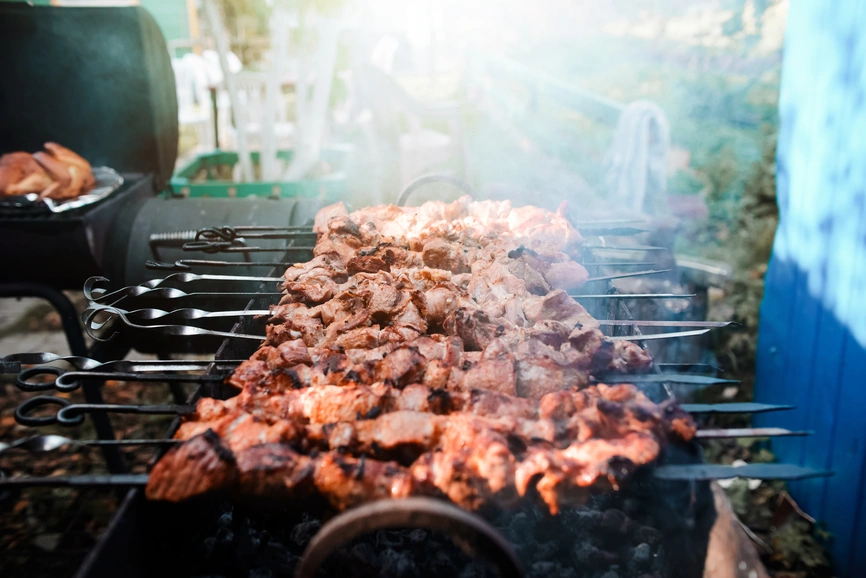
Zabiha meat holds a special place in the hearts of Muslims worldwide, not just as a dietary requirement but as a central part of religious observances and cultural celebrations. Its significance goes beyond nutrition, embodying faith, charity, and community. Across different countries and

Zabiha Traditions in Islamic Communities
Zabiha meat holds a unique and sacred place in Islamic communities around the world. More than just a dietary practice, it represents faith, ethical treatment of animals, and social responsibility. Rooted in centuries of religious guidance, Zabiha traditions are observed not only for
Zabiha Meat Variations Across Countries
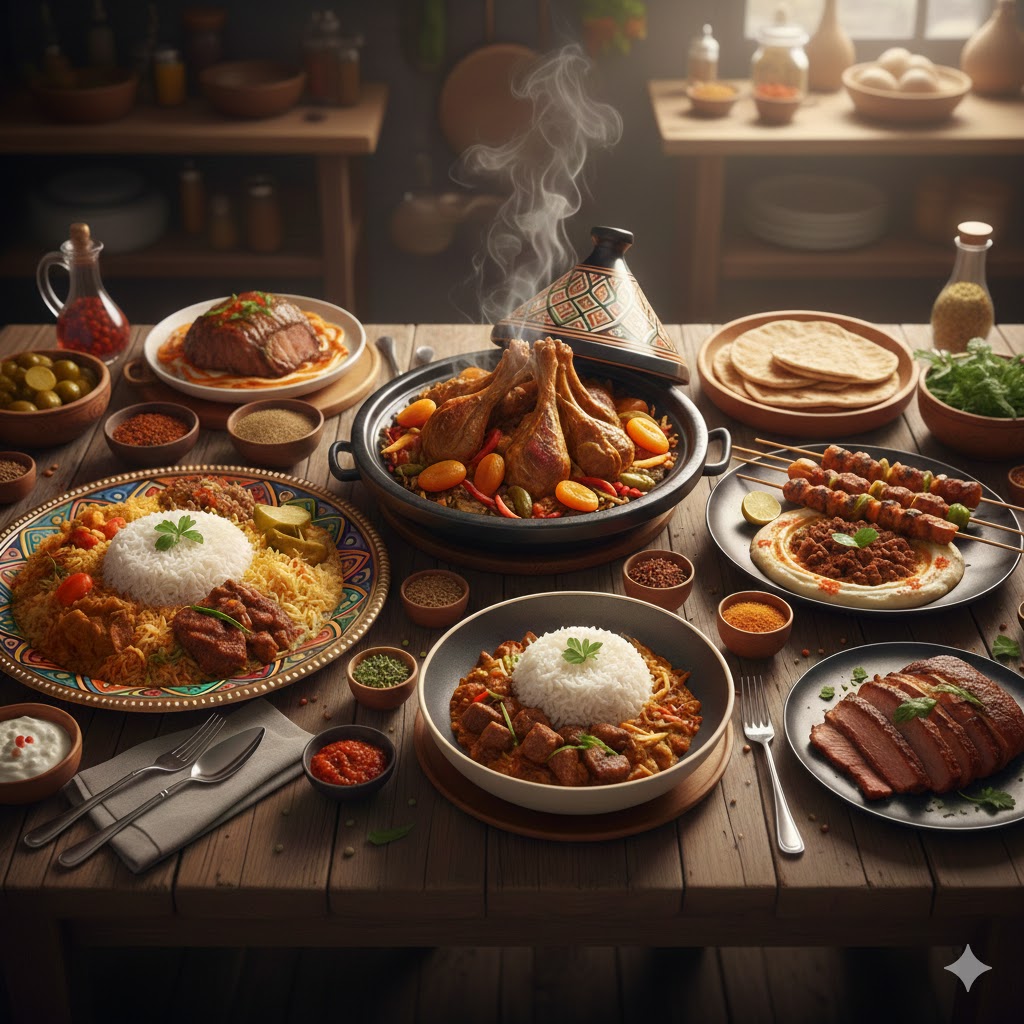
Zabiha meat is an essential aspect of Muslim dietary practices, ensuring that meat is slaughtered in accordance with Islamic law. While the fundamental principles of Zabiha—humane slaughter, recitation of Allah’s name, and proper drainage of blood—remain consistent, its preparation, consumption, and cultural significance
Zabiha Practices in Western Countries
Zabiha meat is an essential part of Islamic dietary practices, ensuring that animals are slaughtered according to Islamic law. While the tradition has centuries of history in Muslim-majority countries, the practices have evolved in Western countries to meet local regulations, logistical challenges, and

How Zabiha is Prepared in South Asia
Zabiha meat holds a central place in South Asian Muslim communities, not only as a dietary staple but also as a symbol of faith, tradition, and cultural identity. Countries like Pakistan, India, and Bangladesh have rich Zabiha practices that combine Islamic law with
Zabiha Meat in Middle Eastern Cuisine
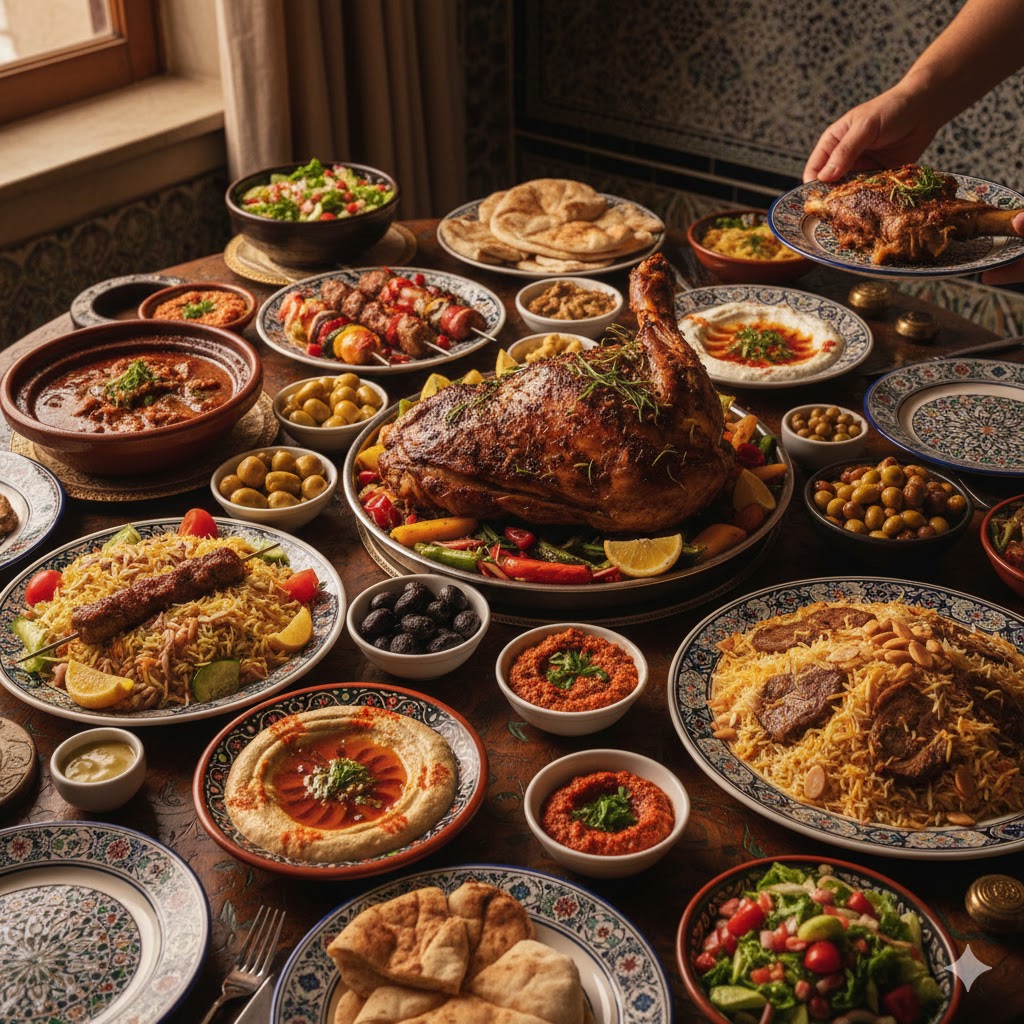
Zabiha meat holds a central role in Middle Eastern cuisine, intertwining religious adherence, culinary tradition, and cultural heritage. For Muslim communities in countries like Saudi Arabia, UAE, Egypt, Jordan, and Lebanon, Zabiha meat is not just a dietary requirement—it is a symbol of