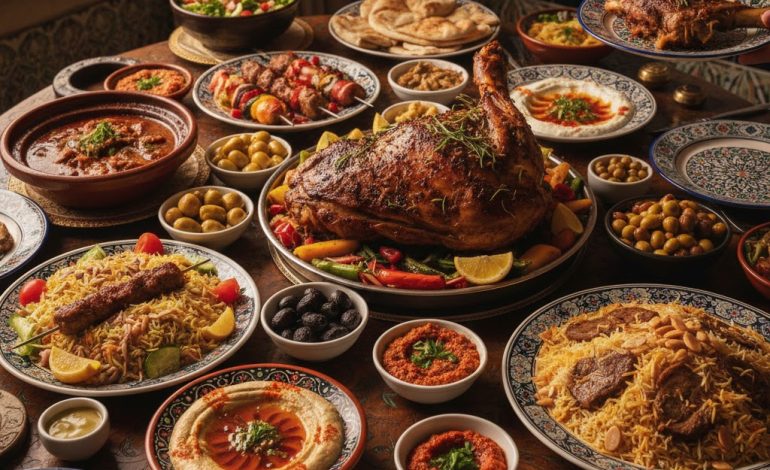
Zabiha Meat in Middle Eastern Cuisine

Zabiha meat holds a central role in Middle Eastern cuisine, intertwining religious adherence, culinary tradition, and cultural heritage. For Muslim communities in countries like Saudi Arabia, UAE, Egypt, Jordan, and Lebanon, Zabiha meat is not just a dietary requirement—it is a symbol of faith, ethical treatment of animals, and communal celebration. The preparation, cooking, and serving of Zabiha meat in the Middle East reflect centuries-old traditions while adapting to modern lifestyles.
Understanding Zabiha Meat
Zabiha meat refers to meat obtained from animals slaughtered according to Islamic law. The process ensures the meat is halal and ethically sourced:
-
The animal must be alive and healthy at the time of slaughter.
-
A trained Muslim performs the slaughter using a sharp knife to cut the throat, windpipe, and major blood vessels.
-
Blood is fully drained from the carcass.
-
The name of Allah (Bismillah) is recited during the slaughter.
Zabiha emphasizes humane treatment, cleanliness, and spiritual mindfulness, making it distinct from regular meat.
Common Animals Used in Middle Eastern Zabiha
Middle Eastern cuisine favors a variety of animals for Zabiha:
-
Lamb: The most commonly consumed Zabiha meat, valued for its tender texture and distinctive flavor.
-
Goat: Widely used in stews, roasted dishes, and festival preparations.
-
Beef: Often used for larger family gatherings and communal feasts.
-
Camel: Used in certain Gulf countries, especially for special occasions.
-
Chicken: Increasingly popular for everyday meals due to its convenience and affordability.
Each animal brings unique flavors and textures, shaping the rich diversity of Middle Eastern dishes.
Preparation of Zabiha Meat
The preparation of Zabiha meat in the Middle East combines religious precision with culinary expertise:
Slaughtering
-
Performed by a trained Muslim butcher in accordance with Zabiha guidelines.
-
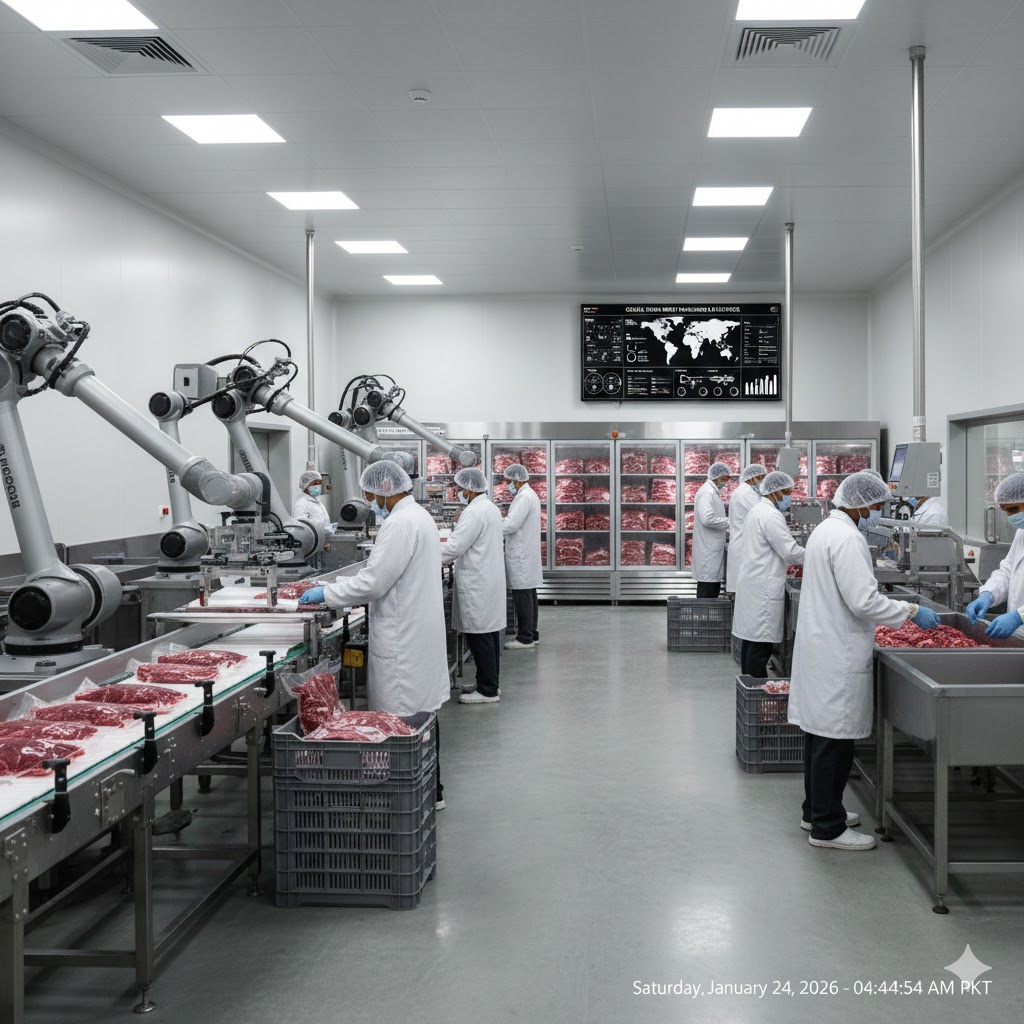
In modern facilities, slaughterhouses are often certified by recognized halal authorities.
-
Proper blood drainage and hygiene are strictly maintained.
Cleaning and Butchering
-
The carcass is cleaned carefully, with internal organs inspected and separated.
-
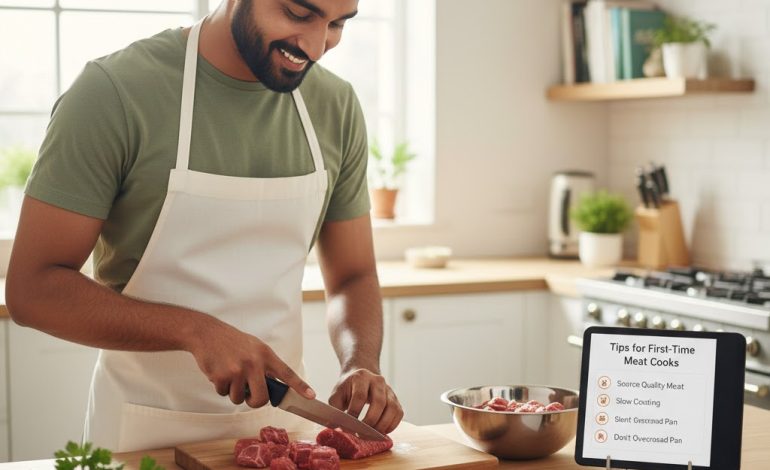
Meat is cut into portions suitable for specific dishes, such as ribs, legs, or stew cuts.
-
Bones may be used for broths and soups, maximizing the use of the animal.
Storage and Preservation
-
Fresh Zabiha meat is preferred, especially for festive occasions.
-
Refrigeration or freezing is common for urban households or exports.
-
Packaging ensures hygiene, traceability, and compliance with modern food safety standards.
Signature Middle Eastern Dishes Using Zabiha Meat
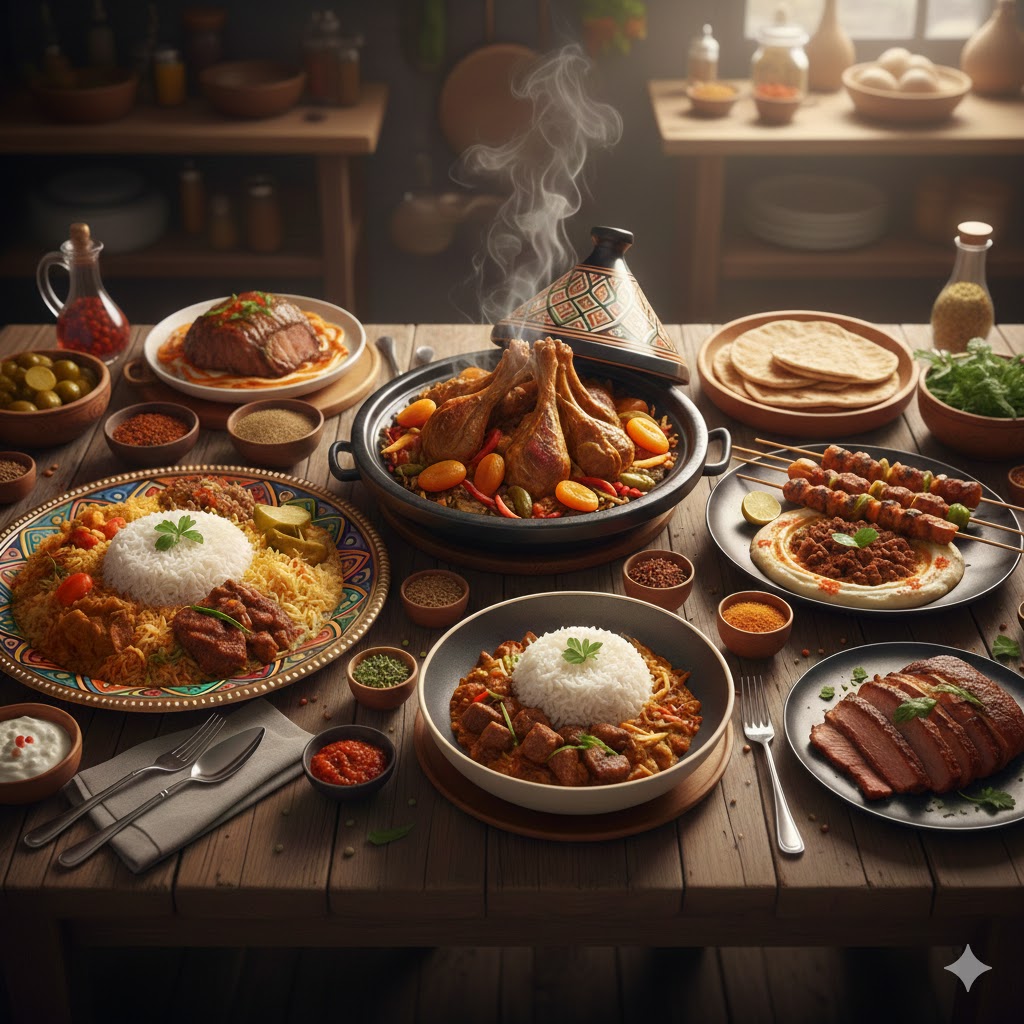
Zabiha meat is central to many traditional Middle Eastern dishes:
1. Mansaf
-
A Jordanian and Palestinian specialty made with lamb cooked in a yogurt sauce, served over rice or bulgur.
-
Typically prepared during religious and social celebrations.
2. Roasted Lamb
-
Whole lamb or leg of lamb roasted with spices is common during Eid, weddings, and large gatherings.
3. Kebabs and Grills
-
Skewered lamb or beef marinated with regional spices and grilled over charcoal.
-
Popular for family meals, street food, and festive gatherings.
4. Stews and Curries
-
Goat or lamb cooked slowly with tomatoes, onions, and traditional spices.
-
Often served with rice, bread, or couscous.
5. Stuffed Dishes
-
Zabiha meat is used in stuffed vegetables, rice, and pastries, reflecting local culinary creativity.
Zabiha Meat in Festivals and Community Life
Zabiha meat plays a central role in Middle Eastern festivals:
Eid al-Adha
-
Families sacrifice sheep, goats, or cows following Zabiha guidelines.
-
Meat is shared among family, friends, and the needy, reinforcing social bonds.
-
Traditional dishes featuring Zabiha meat are prepared for communal meals.
Ramadan
-
During Iftar, Zabiha meat dishes provide nutritious and celebratory meals after fasting.
-
Lamb stews, kebabs, and roasted meat are staples at family and community tables.
Weddings and Social Gatherings
-
Zabiha meat is a marker of hospitality and cultural pride, with elaborate dishes served to guests.
Modern Practices in the Middle East
While traditional practices remain, modern adaptations have emerged:
-
Certified Slaughterhouses: Ensure Zabiha compliance while meeting food safety regulations.
-
Supermarkets and Retail: Packaged Zabiha meat is widely available for convenience.
-
Exports: Countries like Saudi Arabia and UAE import and export Zabiha meat under strict halal standards, connecting regional traditions with global demand.
Despite modernization, the spiritual and cultural significance of Zabiha meat remains central.
Conclusion
Zabiha meat in Middle Eastern cuisine is a reflection of faith, tradition, and culinary excellence. From everyday meals to grand festivals like Eid al-Adha and Ramadan, it symbolizes ethical responsibility, community cohesion, and religious devotion. Signature dishes such as mansaf, roasted lamb, kebabs, and stews showcase the region’s rich culinary heritage while honoring centuries-old Zabiha practices.
For Middle Eastern Muslims, Zabiha meat is more than food—it is an integral part of culture, a means of spiritual expression, and a celebration of community. By understanding these practices, one gains insight into how faith, food, and tradition intersect to create a vibrant and meaningful culinary culture.