Zabiha Practices in Western Countries

Zabiha meat is an essential part of Islamic dietary practices, ensuring that animals are slaughtered according to Islamic law. While the tradition has centuries of history in Muslim-majority countries, the practices have evolved in Western countries to meet local regulations, logistical challenges, and the needs of diverse Muslim communities. From certified slaughterhouses to retail availability, Zabiha practices in the West reflect a balance between religious adherence, food safety, and cultural adaptation.
Understanding Zabiha
The term Zabiha comes from the Arabic root “ذَبْح” (dhabḥ), meaning “slaughter.” For meat to be considered Zabiha, it must meet the following requirements:
-
The animal must be alive and healthy at the time of slaughter.
-
A trained Muslim performs the slaughter using a sharp knife to swiftly cut the throat, windpipe, and major blood vessels.
-
Blood must be fully drained from the animal.
-
The name of Allah (Bismillah) is recited during slaughter.
These principles remain consistent globally, but their implementation in Western countries involves adapting to regulatory frameworks, modern slaughtering technologies, and consumer expectations.
Zabiha Certification in the West
One of the most significant aspects of Zabiha meat in Western countries is certification. Organizations verify that meat complies with religious requirements while also meeting strict food safety and hygiene regulations.
Key Certifying Bodies:
-
IFANCA (Islamic Food and Nutrition Council of America): Provides Zabiha certification across the United States and Canada.
-
Halal Monitoring Authority (HMA): Operates in the UK and Europe, ensuring compliance with both religious and local food standards.
-
European Halal Certification (EHC): Certifies slaughterhouses and meat suppliers in the European Union.
Certification involves inspecting slaughterhouses, verifying the training of staff performing Zabiha slaughter, and ensuring proper labeling and traceability for retail consumers.
Slaughter Practices and Logistics
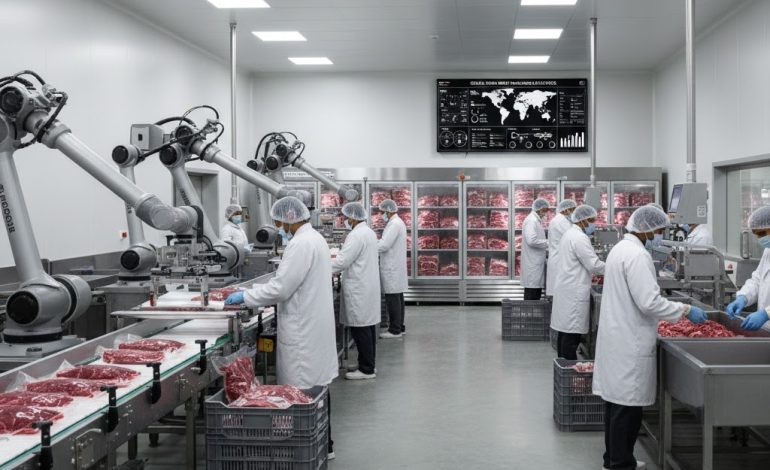
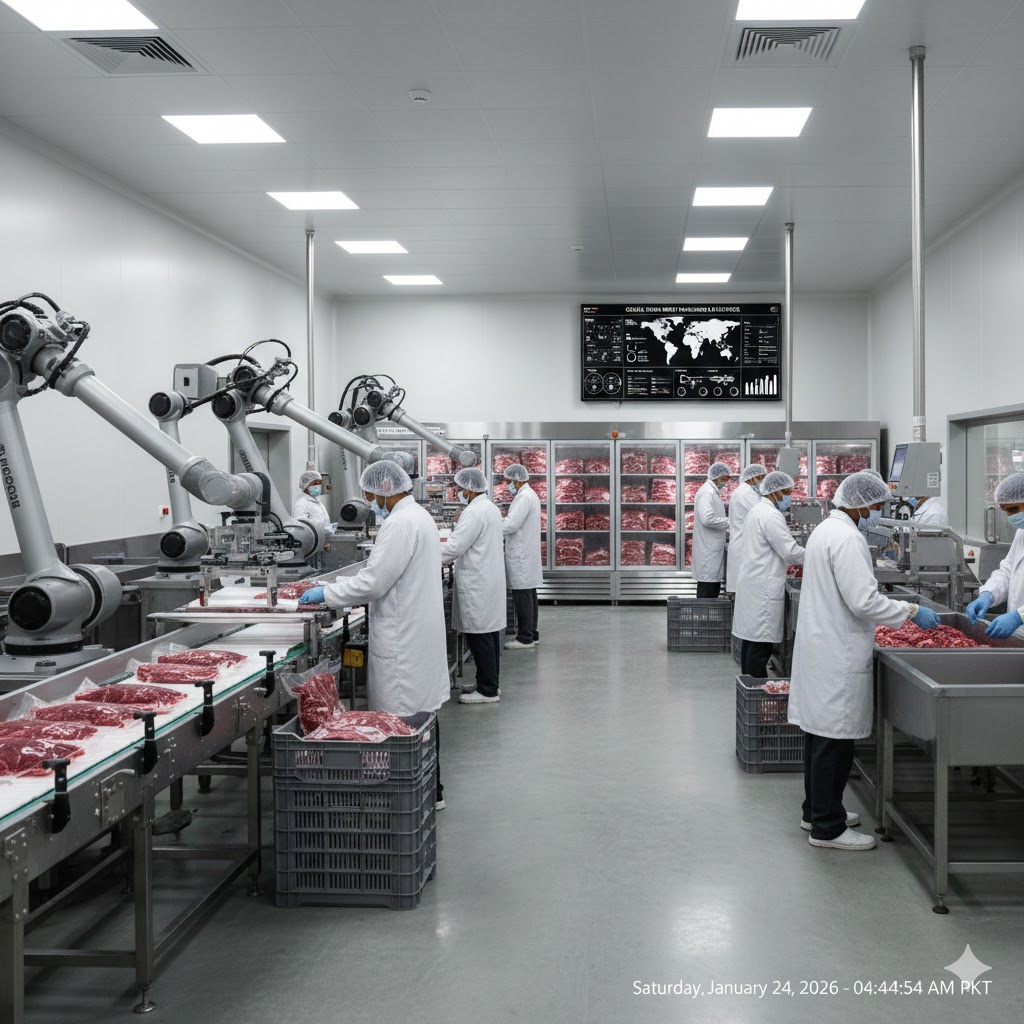
In Western countries, Zabiha meat practices have adapted to modern industrial processes:
Slaughterhouses
-
Only trained Muslim personnel perform the actual slaughter.
-
Slaughterhouses follow local health, safety, and animal welfare regulations.
-
Some facilities combine traditional Zabiha practices with modern stunning methods allowed under certain legal frameworks, balancing religious and legal requirements.
Cold Chain and Distribution
-
Zabiha meat is stored and transported under strict temperature control to ensure freshness.
-
Retailers and online suppliers maintain proper packaging to prevent contamination.
-
Traceability systems allow consumers to verify the origin and certification of the meat.
These logistical adaptations make it possible for Muslim communities in the West to access authentic Zabiha meat despite geographical distances from traditional meat sources.
Zabiha Meat in Daily Life
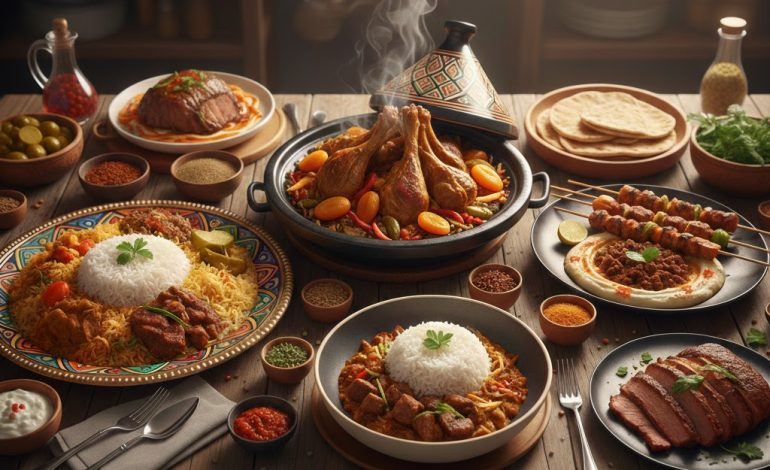
For Muslims living in Western countries, Zabiha meat is part of everyday cooking and festive occasions:
Everyday Use
-
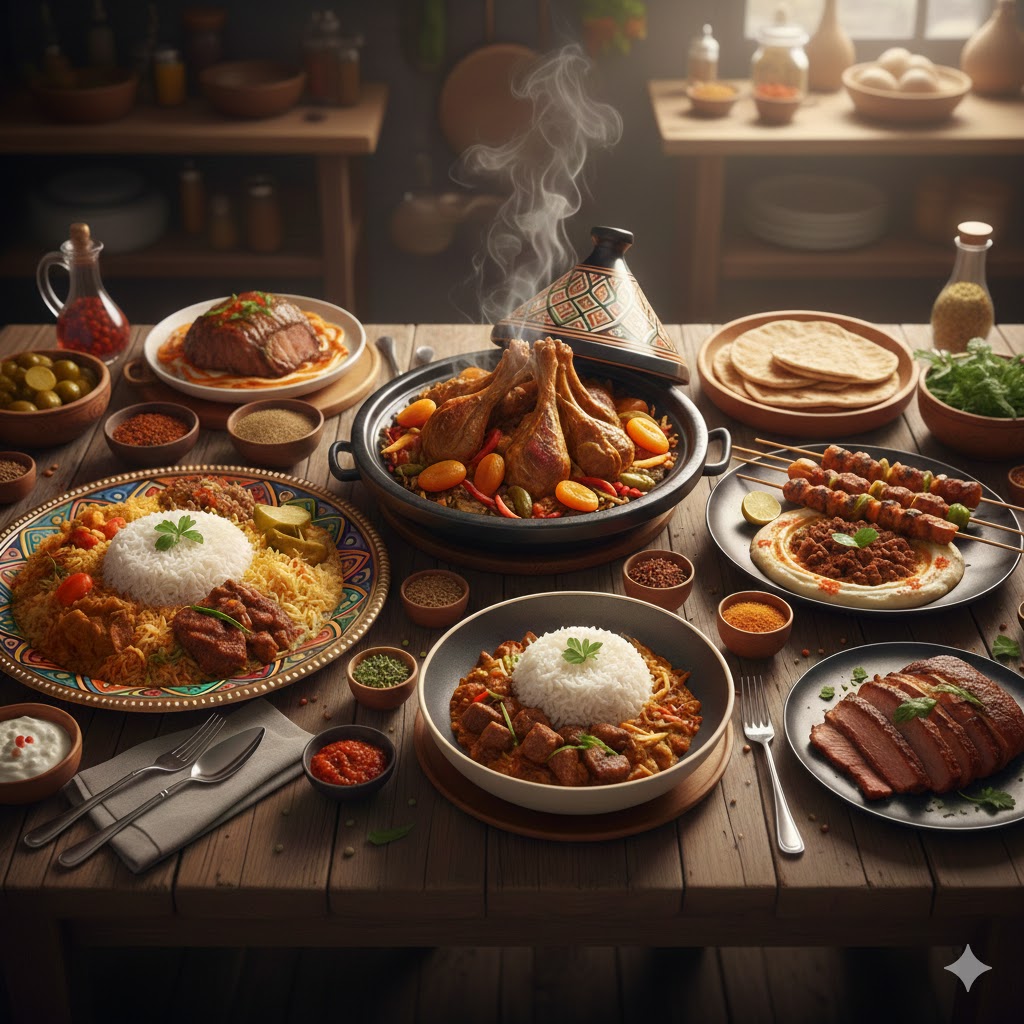
Families purchase certified Zabiha beef, lamb, goat, or chicken from specialty stores, supermarkets, or online platforms.
-
Meat is prepared in a mix of traditional dishes from their countries of origin and locally inspired recipes.
Festivals and Community Events
-
Eid al-Adha: Many mosques and Islamic centers coordinate communal Zabiha slaughtering and meat distribution to ensure compliance with religious rules.
-
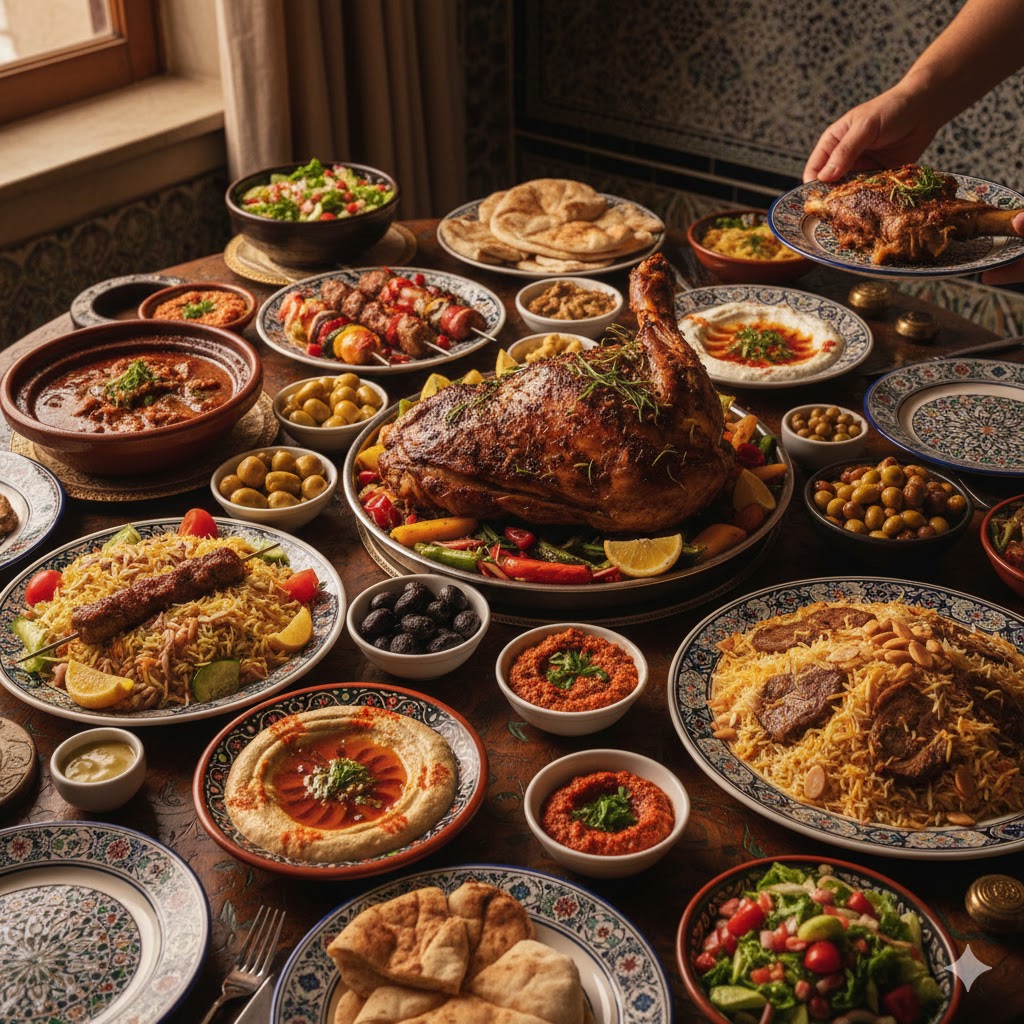
Ramadan: Zabiha meat is often used in Iftar meals for family and community gatherings.
-
Weddings and Celebrations: Special dishes using Zabiha meat are prepared for social and religious gatherings, maintaining cultural heritage.
Through these practices, Zabiha meat continues to play a central role in religious observance and community life.
Challenges in Western Zabiha Practices
Despite the availability of Zabiha meat, Muslim communities face several challenges:
-
Limited Slaughter Facilities: Legal restrictions in some countries limit traditional Zabiha slaughtering, requiring centralized facilities or imports.
-
Higher Costs: Certified Zabiha meat may be more expensive due to smaller supply chains and specialized processes.
-
Verification: Ensuring that imported or locally processed meat meets strict Zabiha standards can require careful attention to certification.
-
Cultural Integration: Balancing traditional cooking methods and recipes with available cuts and meat types can be a challenge for some families.
Global Sourcing
Many Western consumers rely on imports from countries like Australia, New Zealand, Brazil, and Pakistan to access authentic Zabiha meat. These countries maintain high-quality standards and are recognized for international halal and Zabiha certification. Modern cold-chain logistics ensure that meat remains fresh and compliant throughout transit.
Conclusion
Zabiha practices in Western countries demonstrate a careful balance between religious tradition, local laws, and modern food systems. Certified slaughterhouses, strict traceability, and reliable supply chains ensure that Muslim communities can access Zabiha meat safely and ethically. While challenges exist, globalization and technological advances have made it easier than ever to maintain these centuries-old traditions.
For Muslims living in the West, Zabiha meat is more than a dietary requirement—it is a symbol of faith, cultural identity, and ethical responsibility, connecting daily life and special celebrations to centuries of Islamic tradition.