Zabiha Meat Variations Across Countries

Zabiha meat is an essential aspect of Muslim dietary practices, ensuring that meat is slaughtered in accordance with Islamic law. While the fundamental principles of Zabiha—humane slaughter, recitation of Allah’s name, and proper drainage of blood—remain consistent, its preparation, consumption, and cultural significance vary widely across countries. These variations reflect local traditions, culinary preferences, and regional practices, making Zabiha meat both a religious and cultural experience.
Understanding Zabiha Meat
Zabiha meat comes from animals slaughtered according to Islamic guidelines:
-
A healthy animal must be alive at the time of slaughter.
-
A trained Muslim uses a sharp knife to swiftly cut the throat, windpipe, and major blood vessels.
-
Blood must be completely drained.
-
Allah’s name (Bismillah) is recited during the process.
The term “Zabiha” emphasizes strict adherence to these rules, ensuring ethical treatment of animals and compliance with religious standards.
Zabiha Meat in South Asia
Countries like Pakistan, India, and Bangladesh have a long-standing tradition of Zabiha meat. Here, it is deeply integrated into both everyday meals and festival occasions.
Characteristics and Practices:
-
Preferred Animals: Sheep, goats, and cows are commonly used.
-
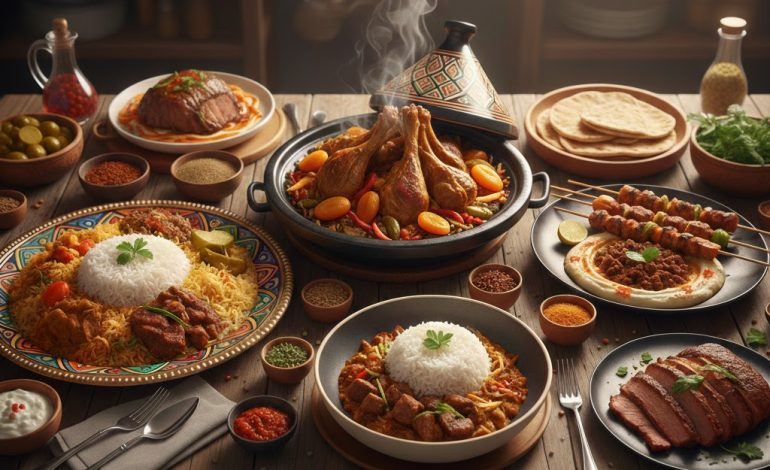
Culinary Styles: Freshly slaughtered Zabiha meat is often prepared in traditional dishes like karahi, nihari, mutton biryani, and kebabs.
-
Festivals: During Eid al-Adha, communal slaughtering events are common, and meat is distributed among family, neighbors, and the needy.
-
Local Influence: Spices and cooking techniques give Zabiha meat a distinctive South Asian flavor profile, emphasizing rich, aromatic, and hearty dishes.
In South Asia, Zabiha meat is as much about social and cultural expression as it is about religious adherence.
Zabiha Meat in the Middle East
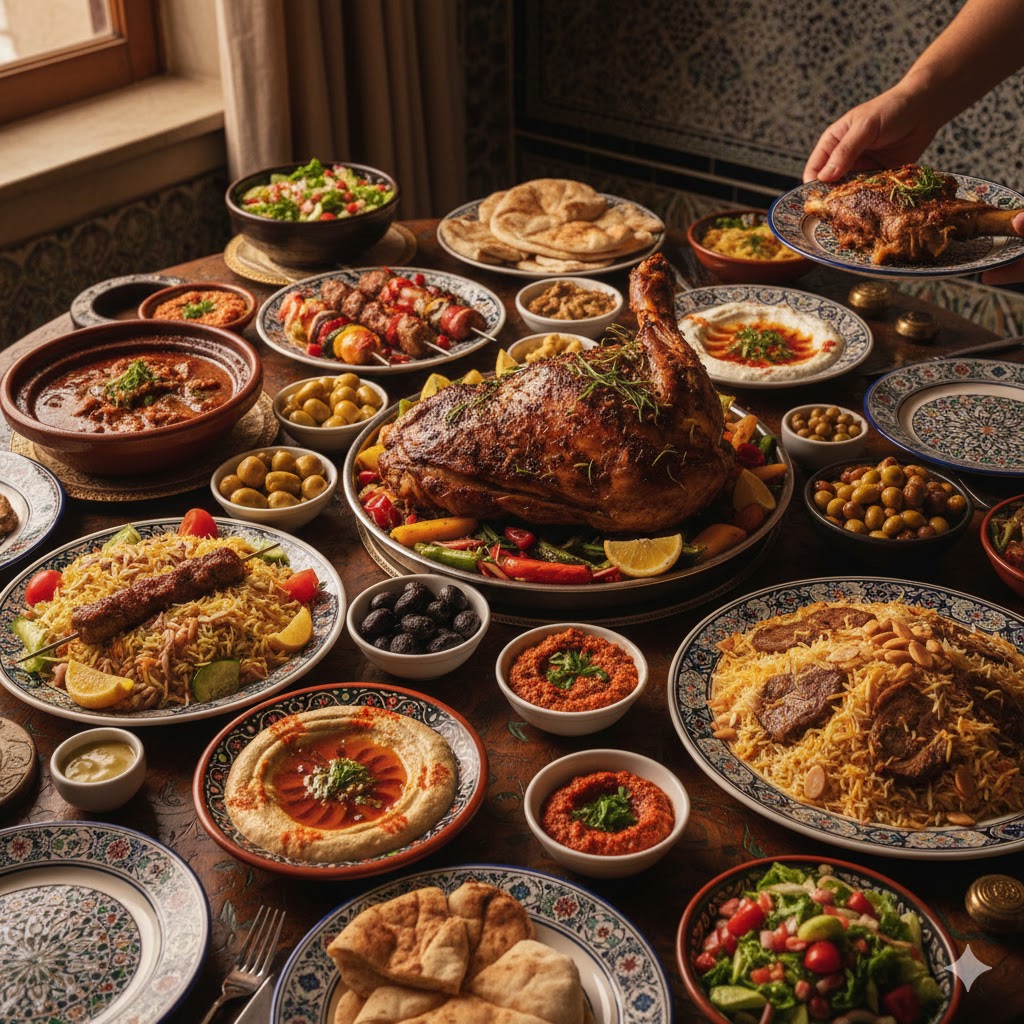
In countries such as Saudi Arabia, UAE, and Egypt, Zabiha meat has a strong religious and cultural presence, particularly during festivals and family gatherings.
Characteristics and Practices:
-
Preferred Animals: Lamb, goat, and occasionally camel are commonly used.
-
Culinary Styles: Signature dishes include mansaf, roasted lamb, grilled kebabs, and hearty stews.
-
Certification: Halal and Zabiha meat is strictly certified, often monitored by religious authorities.
-
Festive Significance: Eid al-Adha sees large-scale slaughtering events, with meat shared among extended family and charitable organizations.
In the Middle East, Zabiha meat emphasizes religious observance, formal certification, and communal feasting.
Zabiha Meat in Southeast Asia
Countries like Malaysia, Indonesia, and Singapore have developed unique Zabiha practices that combine Islamic principles with local culinary traditions.
Characteristics and Practices:
-
Preferred Animals: Goat, chicken, and beef are most common.
-
Culinary Styles: Zabiha meat is incorporated into regional specialties like rendang, satay, and gulai, often marinated with local herbs and spices.
-
Community Sharing: Villages or neighborhoods may organize collective slaughtering events for festivals, strengthening social ties.
-
Certification: Government-backed halal certification ensures Zabiha compliance and public trust.
In Southeast Asia, Zabiha meat reflects a fusion of faith and local flavor, balancing religious observance with regional taste preferences.
Zabiha Meat in Western Countries
With Muslim populations in the United States, Canada, and Europe, Zabiha meat has adapted to modern retail and supply chain systems.
Characteristics and Practices:
-
Preferred Animals: Beef, lamb, and chicken are widely consumed.
-
Culinary Styles: Zabiha meat is often used in both traditional dishes from immigrants’ home countries and modern Western recipes.
-
Certification and Availability: Certified Zabiha meat is sold in specialty stores, online platforms, and supermarkets, often with clear labeling for consumer confidence.
-
Adaptation to Logistics: Strict cold chain management ensures freshness and compliance despite longer transport distances.
In Western countries, Zabiha meat combines religious adherence with modern convenience and multicultural culinary diversity.
Factors Influencing Zabiha Meat Variations
Several factors explain why Zabiha meat differs across countries:
-
Local Cuisine: Traditional spices, cooking methods, and meal preferences influence how Zabiha meat is prepared.
-
Animal Availability: Regional livestock types determine which animals are commonly used.
-
Cultural Practices: Social norms around festivals, family gatherings, and charity shape consumption patterns.
-
Regulatory Frameworks: Government and religious authorities regulate certification, hygiene, and export-import standards differently in each country.
These factors make Zabiha meat a unique reflection of both faith and culture.
Conclusion
Zabiha meat is a global practice that transcends borders, yet its variations across countries reveal the richness of local traditions, culinary creativity, and religious devotion. From South Asia to the Middle East, Southeast Asia, and Western nations, Zabiha meat is adapted to fit cultural preferences, available livestock, and local cooking methods while maintaining strict adherence to Islamic principles.
For Muslims worldwide, consuming Zabiha meat is not just about following dietary laws—it is a celebration of faith, culture, and community. Understanding these international variations helps consumers appreciate the diversity of traditions while honoring the core values of Zabiha: ethical treatment, spiritual compliance, and social responsibility.