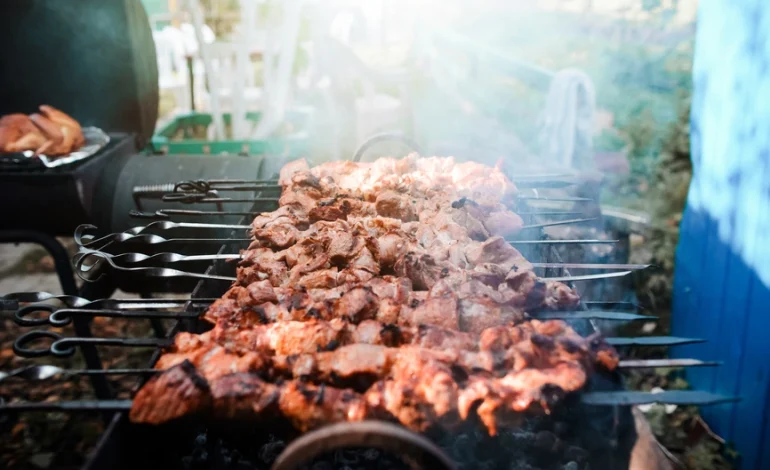
Festivals & Celebrations Involving Zabiha Meat

Zabiha meat holds a special place in the hearts of Muslims worldwide, not just as a dietary requirement but as a central part of religious observances and cultural celebrations. Its significance goes beyond nutrition, embodying faith, charity, and community. Across different countries and cultures, Zabiha meat plays a key role in festivals and ceremonies, bringing families and communities together. Understanding these occasions provides insight into both the spiritual and social importance of Zabiha meat.
What is Zabiha Meat?
Zabiha meat comes from animals slaughtered according to Islamic law. The process requires:
-
A healthy animal alive at the time of slaughter
-
A swift cut to the throat, windpipe, and major blood vessels with a sharp knife
-
Complete drainage of blood
-
Recitation of Allah’s name (Bismillah) during slaughter
This method ensures the meat is halal, ethically sourced, and spiritually compliant. Beyond daily consumption, Zabiha meat is often associated with specific festivals and religious events.
Eid al-Adha: The Festival of Sacrifice
The most prominent festival involving Zabiha meat is Eid al-Adha, also called the Festival of Sacrifice. Celebrated annually by Muslims worldwide, this festival commemorates Prophet Ibrahim’s willingness to sacrifice his son in obedience to Allah.
Role of Zabiha meat:
-
Animal sacrifice: Sheep, goats, cows, or camels are slaughtered according to Zabiha principles.
-
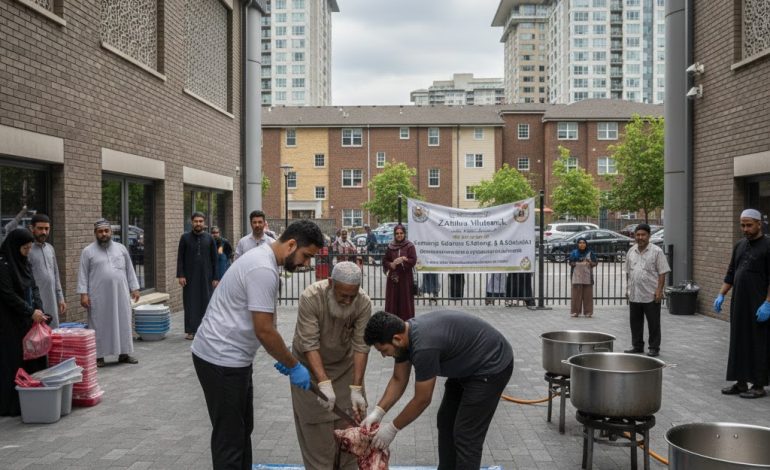
Distribution: Meat is divided into three parts: one for family, one for relatives and friends, and one for the poor.
-
Community bonding: The act strengthens social ties as families and neighbors participate in the distribution of meat.
Eid al-Adha emphasizes generosity, charity, and reflection on faith. Zabiha meat becomes a symbol of devotion and communal responsibility.
Ramadan & Iftar Meals
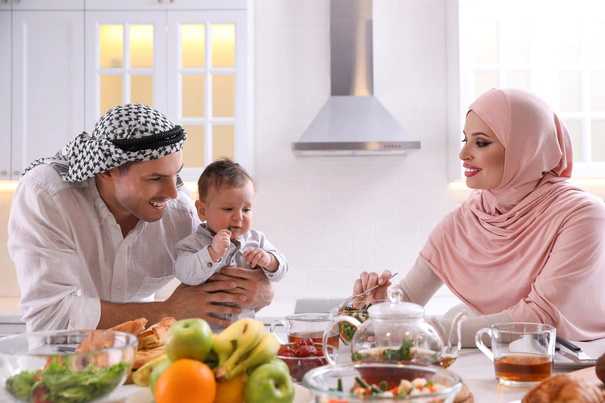
During Ramadan, Muslims fast from dawn to sunset for a month, breaking the fast with Iftar. While not mandatory, Zabiha meat often features in these meals to enhance nutritional intake after fasting.
Common practices:
-
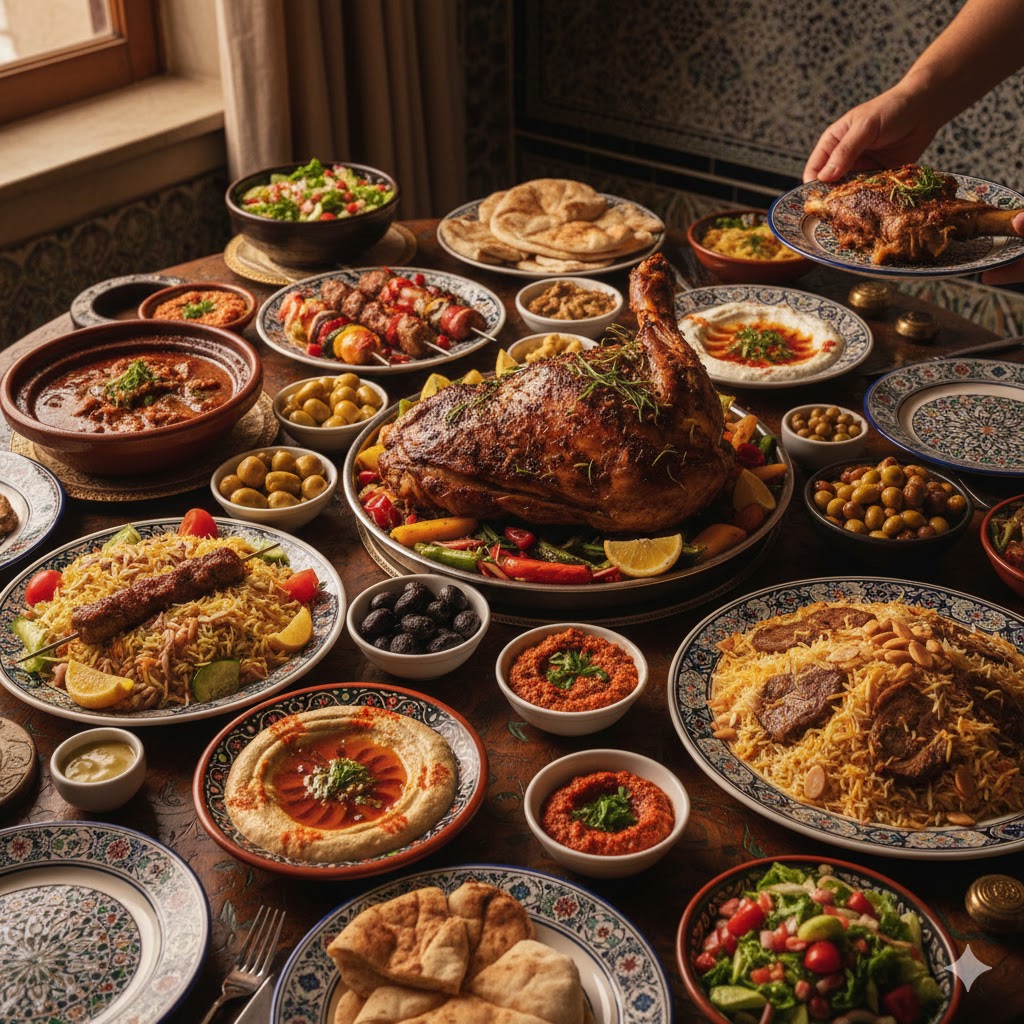
Meat dishes such as kebabs, curries, and biryani are prepared using Zabiha meat.
-
Families gather to share meals, emphasizing hospitality and communal togetherness.
-
Charitable organizations often distribute Zabiha meat to underprivileged families during Ramadan.
Including Zabiha meat in Iftar meals is a way of honoring both religious practices and local culinary traditions.
Weddings and Family Celebrations
In many Muslim cultures, weddings, births, and milestone celebrations involve Zabiha meat:
-
Weddings: Meat dishes prepared from Zabiha animals are served to guests as a symbol of generosity and respect.
-
Naming ceremonies and births: Families often host feasts with Zabiha meat to celebrate new beginnings.
-
Community feasts: Local customs in South Asia, the Middle East, and Africa include collective meals with Zabiha meat, fostering community spirit.
Here, Zabiha meat is both a culinary delight and a cultural statement, reinforcing hospitality and tradition.
Cultural Variations in Zabiha Meat Celebrations
Different regions have unique traditions around Zabiha meat:
South Asia:
-
Special dishes like biryani, karahi, and kebabs are prepared for Eid or weddings.
-
Communities often organize joint slaughtering events, ensuring fair distribution to the needy.
Middle East:
-
Large-scale slaughtering for festivals follows strict certification and religious guidelines.
-
Dishes such as mansaf, roasted goat, and lamb stew are staples during Eid and family gatherings.
Southeast Asia:
-
Countries like Malaysia and Indonesia incorporate Zabiha meat into traditional dishes with local spices.
-
Festivals often involve community sharing, blending religious observance with cultural cuisine.
These variations showcase the intersection of faith, culture, and culinary heritage.
Charitable Importance
A key aspect of Zabiha meat celebrations is charity. Most festivals encourage distributing meat to those in need:
-
Strengthens social bonds
-
Ensures everyone can participate in celebrations
-
Upholds the Islamic principle of giving
Charity during festivals reinforces the spiritual significance of Zabiha meat beyond mere consumption.
Modern Practices and Global Trade
With globalization, Zabiha meat for festivals is often sourced internationally:
-
Countries like Australia, New Zealand, and Brazil export certified Zabiha meat.
-
Halal certification and quality checks ensure compliance with religious standards.
-
Refrigerated logistics and supply chains allow communities worldwide to access fresh Zabiha meat for festivals.
These practices make it possible for Muslims globally to celebrate with Zabiha meat even if local availability is limited.
Conclusion
Zabiha meat is a vital part of religious, cultural, and social life in Muslim communities. From Eid al-Adha and Ramadan to weddings, naming ceremonies, and community feasts, it symbolizes faith, charity, and generosity. Regional customs and culinary traditions add diversity to how Zabiha meat is celebrated, reflecting the rich cultural heritage of Muslim societies.
By understanding the festivals and celebrations that involve Zabiha meat, one can appreciate its spiritual, ethical, and cultural significance. Beyond nutrition, it is a symbol of devotion, compassion, and community, bridging faith with tradition in every meal.