How Local Farms Ensure Zabiha Standards

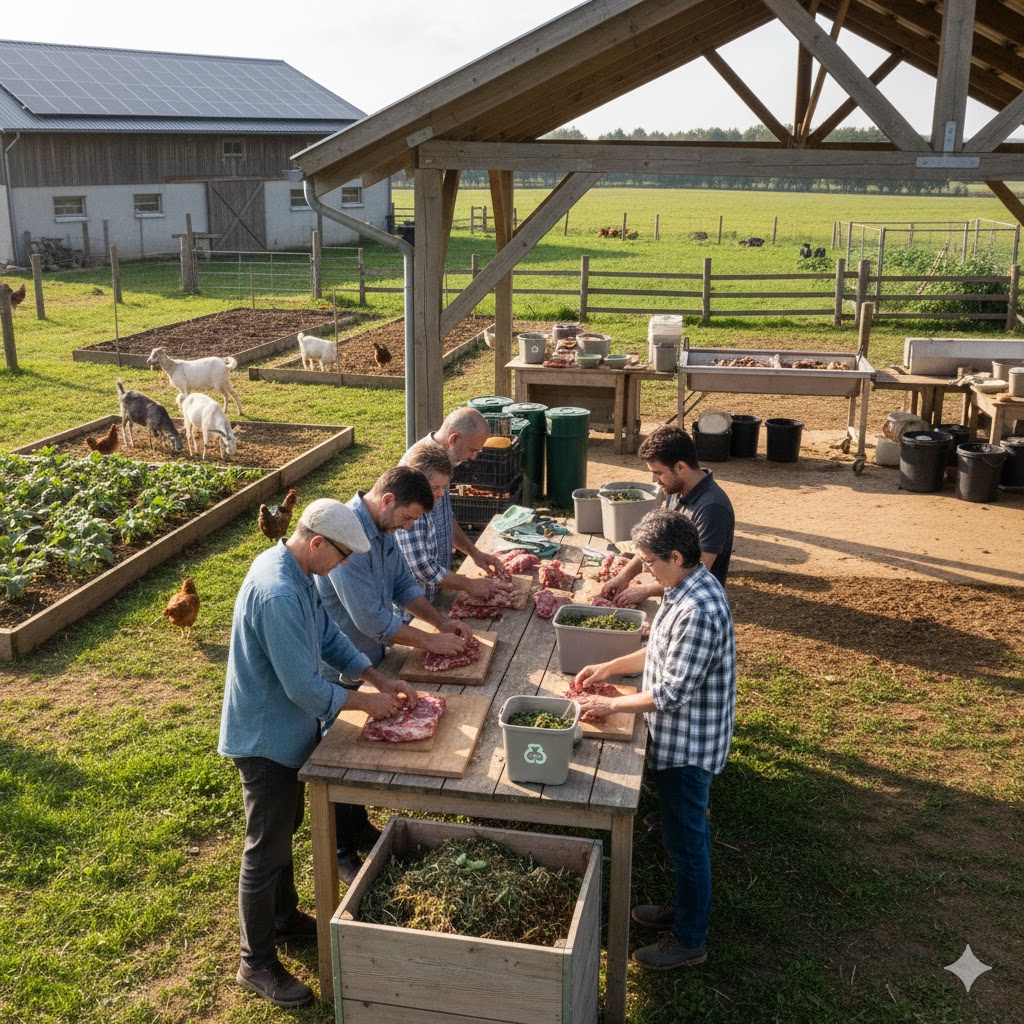
Zabiha meat is a central part of halal diets, prepared according to Islamic guidelines to ensure the meat is lawful, ethical, and safe for consumption. Local farms play a crucial role in maintaining these standards, from raising animals to processing and delivering meat to consumers. By adhering to religious principles, ethical practices, and modern safety measures, local farms ensure that Zabiha meat meets both spiritual and quality expectations. This blog explores how local farms uphold Zabiha standards at every stage of production.
Understanding Zabiha
Zabiha refers to meat from animals slaughtered according to Islamic law. Key requirements include:
-
Healthy Animals: Only animals free from disease and injury are eligible.
-
Humane Slaughter: A trained Muslim performs a swift cut to the throat, severing the windpipe, major blood vessels, and esophagus.
-
Invocation: The name of Allah (Bismillah) is recited during the process.
-
Complete Blood Drainage: Proper bleeding ensures the meat is pure and hygienic.
Maintaining these standards requires careful attention to every aspect of animal rearing, handling, and slaughtering.
Raising Healthy Animals
The foundation of Zabiha meat quality begins with proper animal care:
-
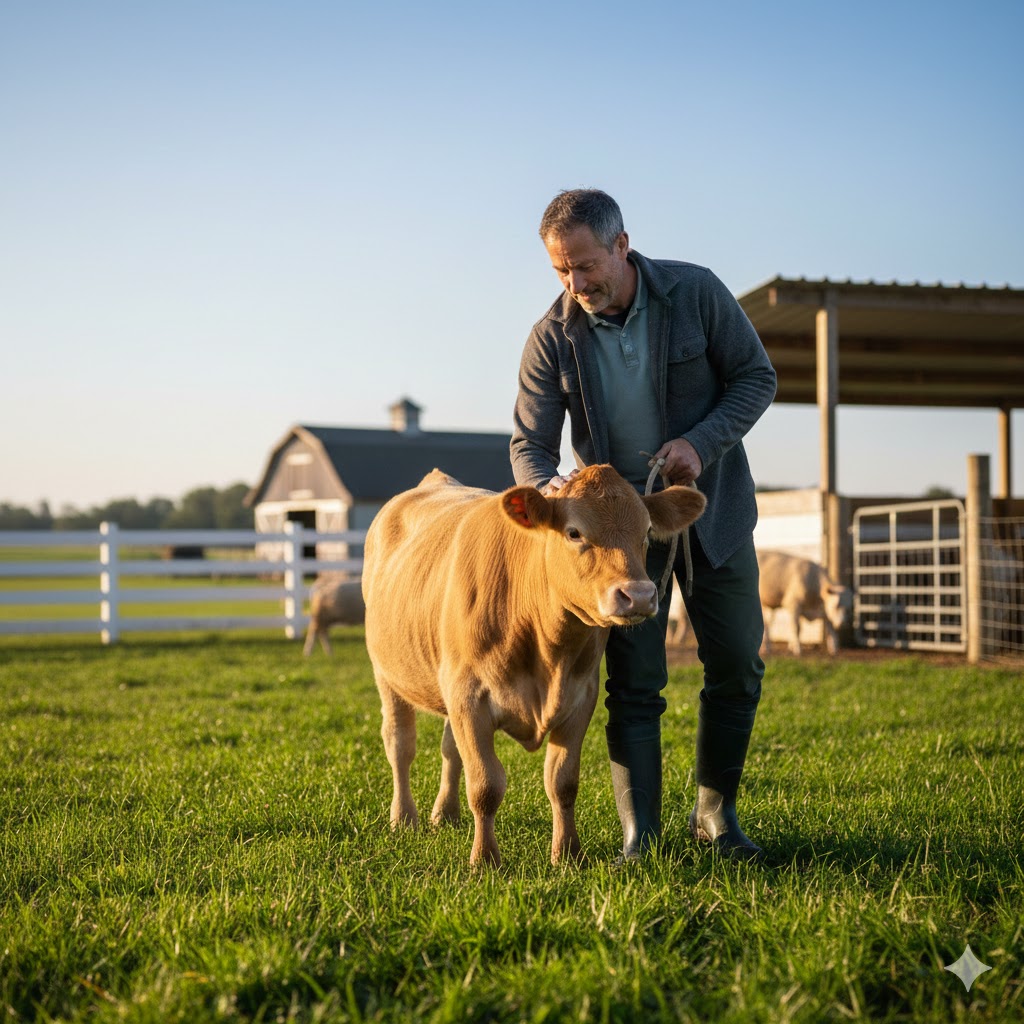
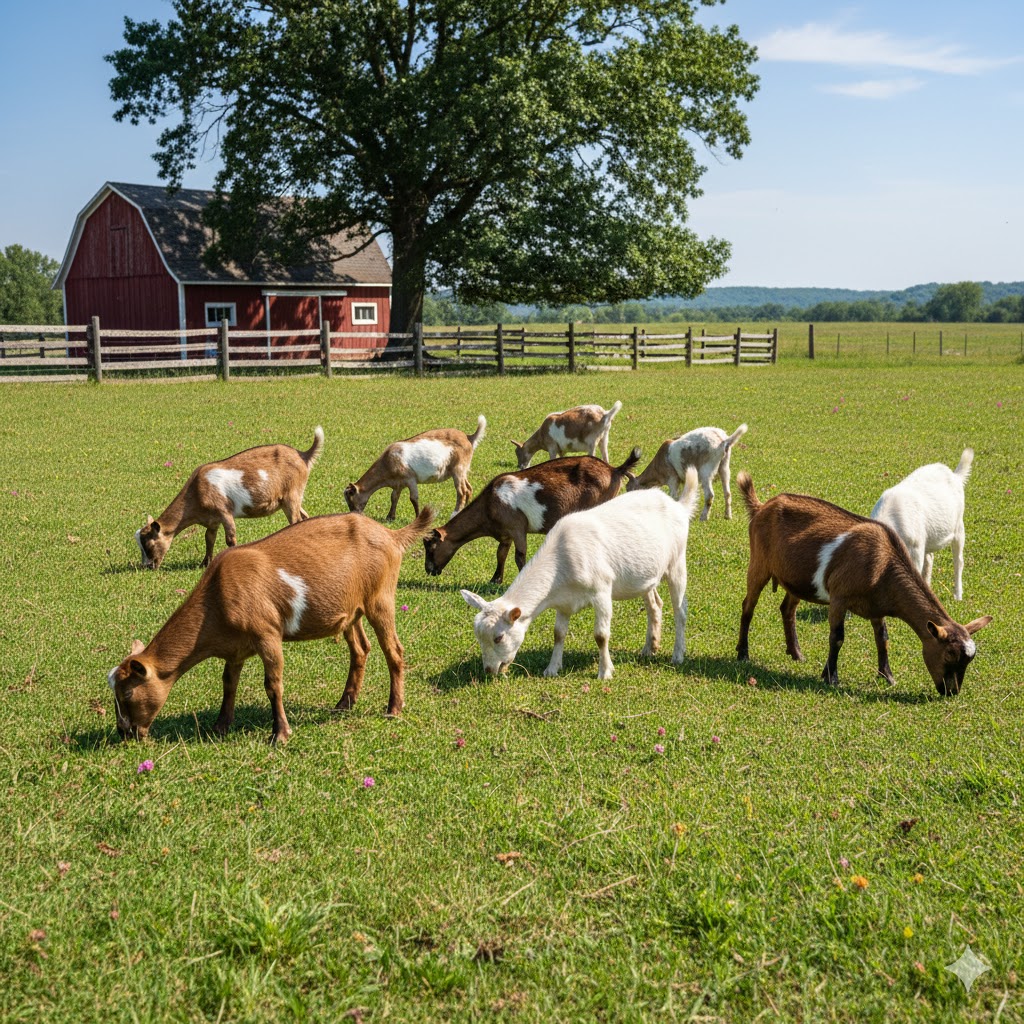
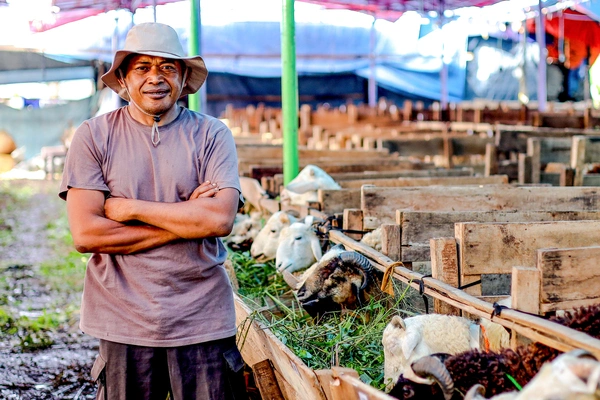
Nutrition: Local farms provide balanced diets tailored to each species, ensuring animals grow healthy and strong.
-
Clean Water and Shelter: Proper housing protects animals from harsh weather and prevents illness.
-
Health Monitoring: Regular veterinary check-ups and disease prevention programs keep animals in optimal condition.
-
Stress Reduction: Calm environments, spacious pens, and gentle handling reduce stress, improving meat quality.
Healthy animals are a prerequisite for ethical and halal-compliant Zabiha meat.
Humane Slaughter Practices
Slaughtering is the defining aspect of Zabiha meat. Local farms implement strict protocols to ensure humane practices:
-
Trained Personnel: Only qualified Muslims perform the slaughter according to Islamic guidelines.
-
Sharp, Clean Instruments: High-quality knives ensure a swift, single cut, minimizing pain and distress.
-
Proper Restraint: Animals are handled gently to reduce fear and prevent injury.
-
Clean Facilities: Slaughter areas are sanitized, and procedures are designed to avoid contamination.
Some local farms also integrate modern technology, such as automated monitoring systems, to track animal welfare during the slaughter process.
Ensuring Hygiene and Safety
Local farms prioritize hygiene to maintain both religious and health standards:
-
Sanitation Protocols: Slaughterhouses are cleaned regularly, and staff follow strict hygiene practices.
-
Blood Drainage and Handling: Complete bleeding of animals ensures meat is pure and reduces bacterial growth.
-
Cold Storage: Meat is stored immediately at appropriate temperatures to maintain freshness and prevent spoilage.
-
Inspection: Regular checks ensure that the meat meets both halal and food safety requirements.
By combining traditional practices with modern food safety standards, local farms deliver Zabiha meat that is safe and wholesome.
Certification and Traceability
To assure consumers, many local farms provide certification and traceability for their Zabiha meat:
-
Halal Certification: Accredited bodies verify that meat meets all Zabiha standards.
-
Record-Keeping: Farms maintain detailed records of animal origin, diet, health, and slaughter date.
-
Transparency: Consumers can trace the meat from farm to table, ensuring ethical and religious compliance.
Certification and traceability build trust and provide confidence in the quality of local Zabiha meat.
Supporting Ethical Practices
Local farms also focus on ethical considerations beyond the immediate Zabiha requirements:
-
Animal Welfare: Adequate space, nutrition, and stress-free environments are prioritized.
-
Sustainable Farming: Responsible land use, waste management, and water conservation support environmental stewardship.
-
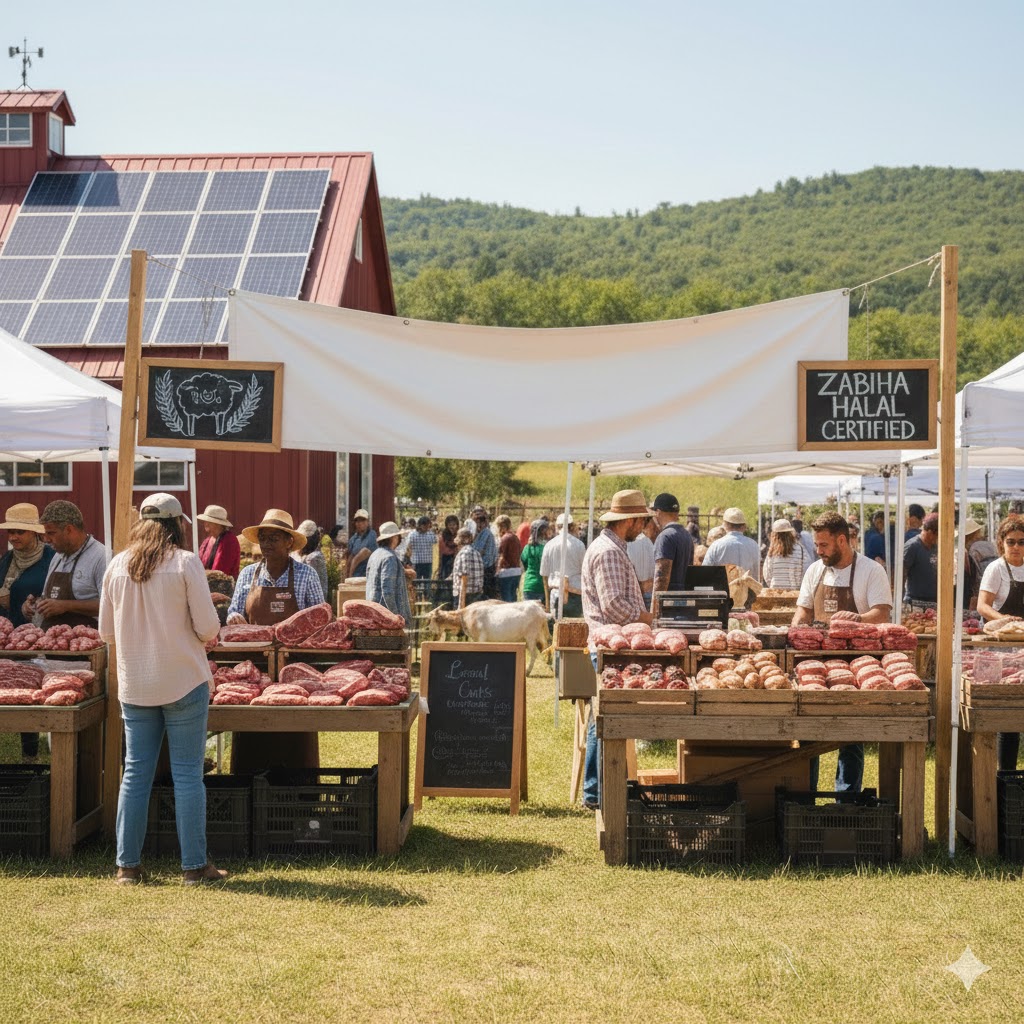
Community Engagement: Farms often educate consumers about Zabiha practices and the importance of ethical meat production.
By combining ethical farming and religious compliance, local farms demonstrate that Zabiha meat is more than just a ritual—it reflects responsible stewardship.
Benefits of Local Zabiha Meat
-
Freshness: Local sourcing ensures meat reaches consumers quickly, maintaining quality.
-
Transparency: Direct engagement with farms allows consumers to verify ethical and religious standards.
-
Community Support: Purchasing from local farms strengthens regional economies and supports responsible farming.
-
Quality Assurance: Strict adherence to Zabiha practices guarantees that meat is wholesome, safe, and halal-compliant.
Conclusion
Local farms are essential to maintaining Zabiha standards, ensuring that animals are treated humanely, slaughtered ethically, and handled safely. From careful animal rearing to certified halal slaughter, hygienic handling, and traceable distribution, these farms uphold the principles of Zabiha meat at every stage.
By supporting local Zabiha farms, consumers not only enjoy high-quality, fresh, and ethically produced meat but also promote responsible farming practices and stronger community connections. Ensuring Zabiha standards is a shared responsibility, and local farms are at the forefront of preserving the integrity, spirituality, and quality of halal meat.