Understanding Animal Welfare in Zabiha Practices

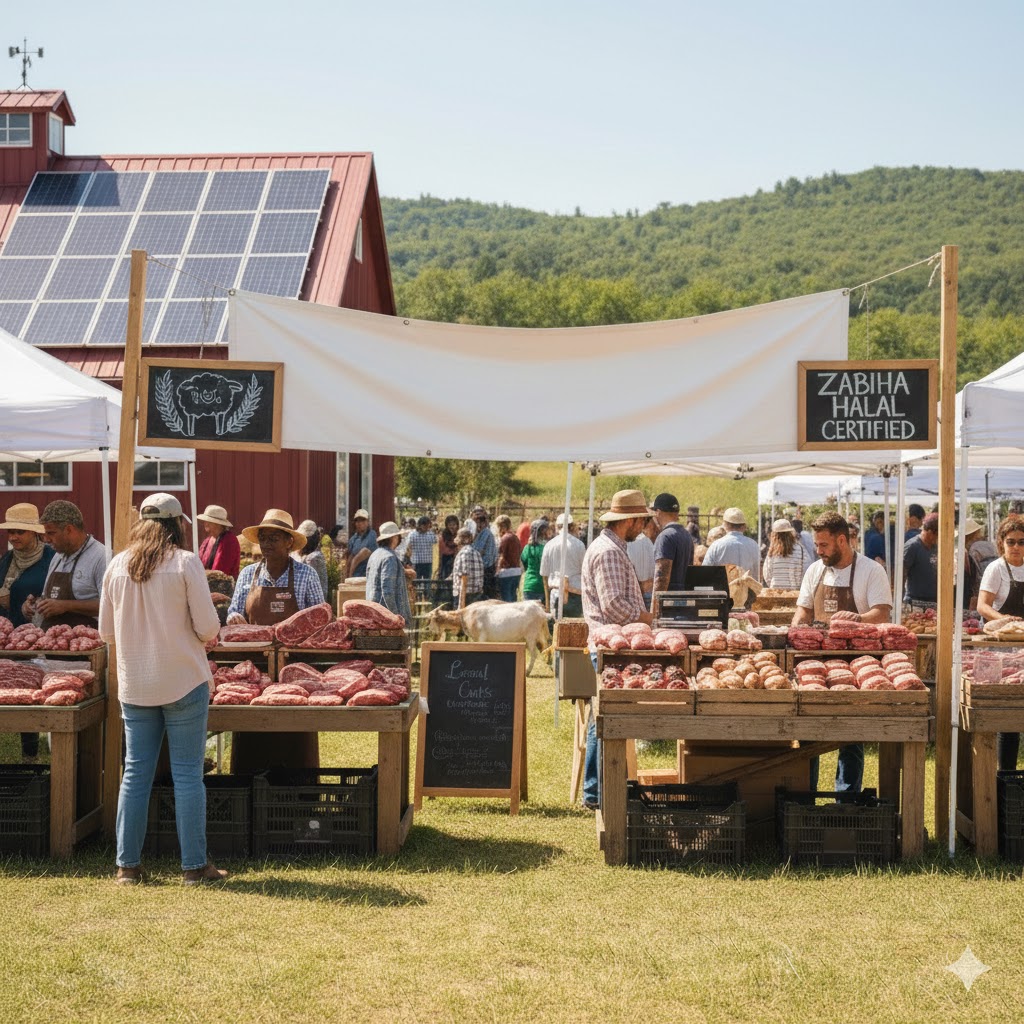
Zabiha meat, a staple in halal diets, is not only about religious compliance but also emphasizes ethical treatment and welfare of animals. Ensuring that animals are treated humanely before, during, and after slaughter is central to Islamic guidelines. Modern Zabiha practices increasingly integrate animal welfare principles alongside traditional methods, highlighting that faith, ethics, and food quality can coexist. Understanding these welfare considerations is essential for consumers, farmers, and anyone preparing or consuming Zabiha meat.
What Is Animal Welfare in Zabiha Practices?
Animal welfare refers to the physical and psychological well-being of animals. In the context of Zabiha:
-
Animals must be healthy, well-fed, and free from disease at the time of slaughter.
-
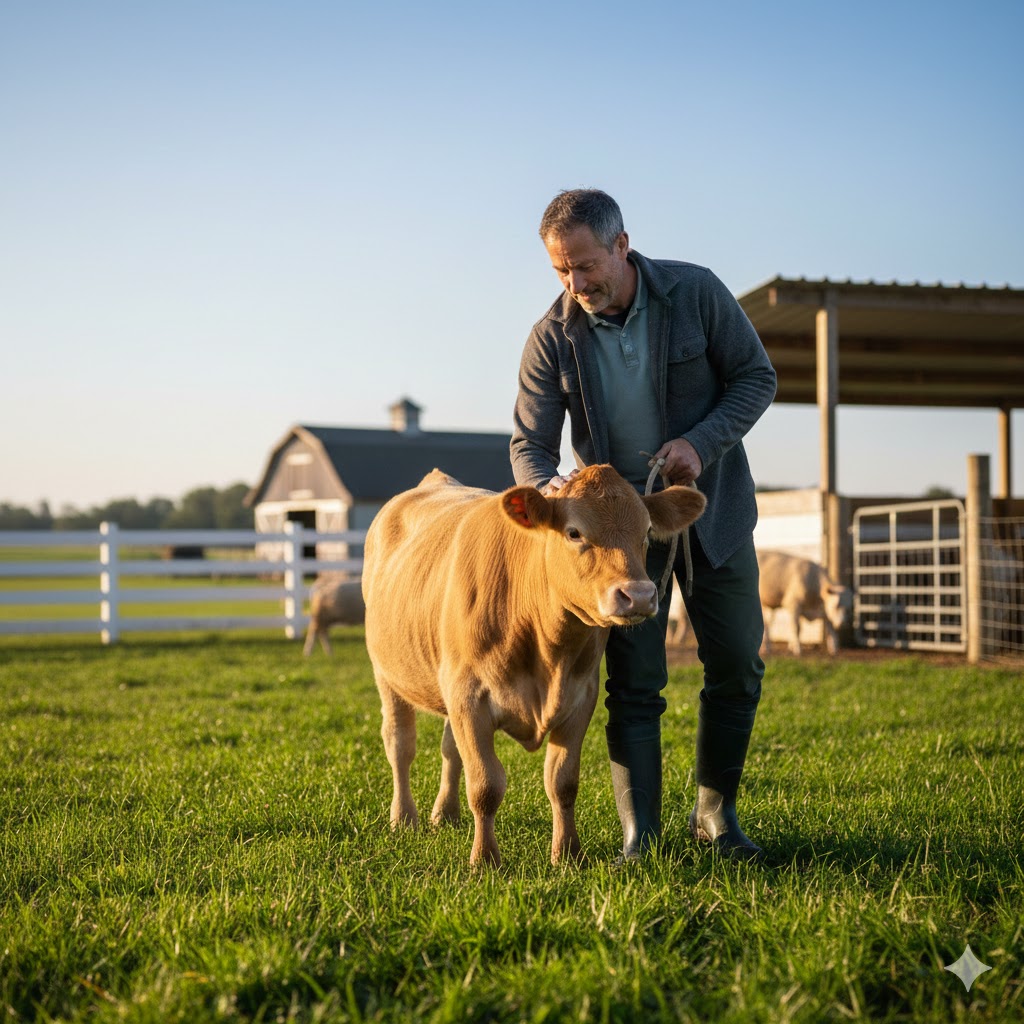
They should be handled gently, with minimal stress, fear, or pain.
-
Slaughter must be performed swiftly and efficiently to reduce suffering.
Islamic teachings emphasize compassion toward animals, stating that cruelty in any form is prohibited. These principles ensure that Zabiha meat is both ethically and spiritually sound.
Key Principles of Animal Welfare in Zabiha
1. Healthy and Well-Nourished Animals
Animals destined for Zabiha slaughter must be healthy and free from injury or disease:
-
Proper nutrition ensures strength, reduces stress, and improves meat quality.
-
Regular veterinary care is essential to maintain overall health.
-
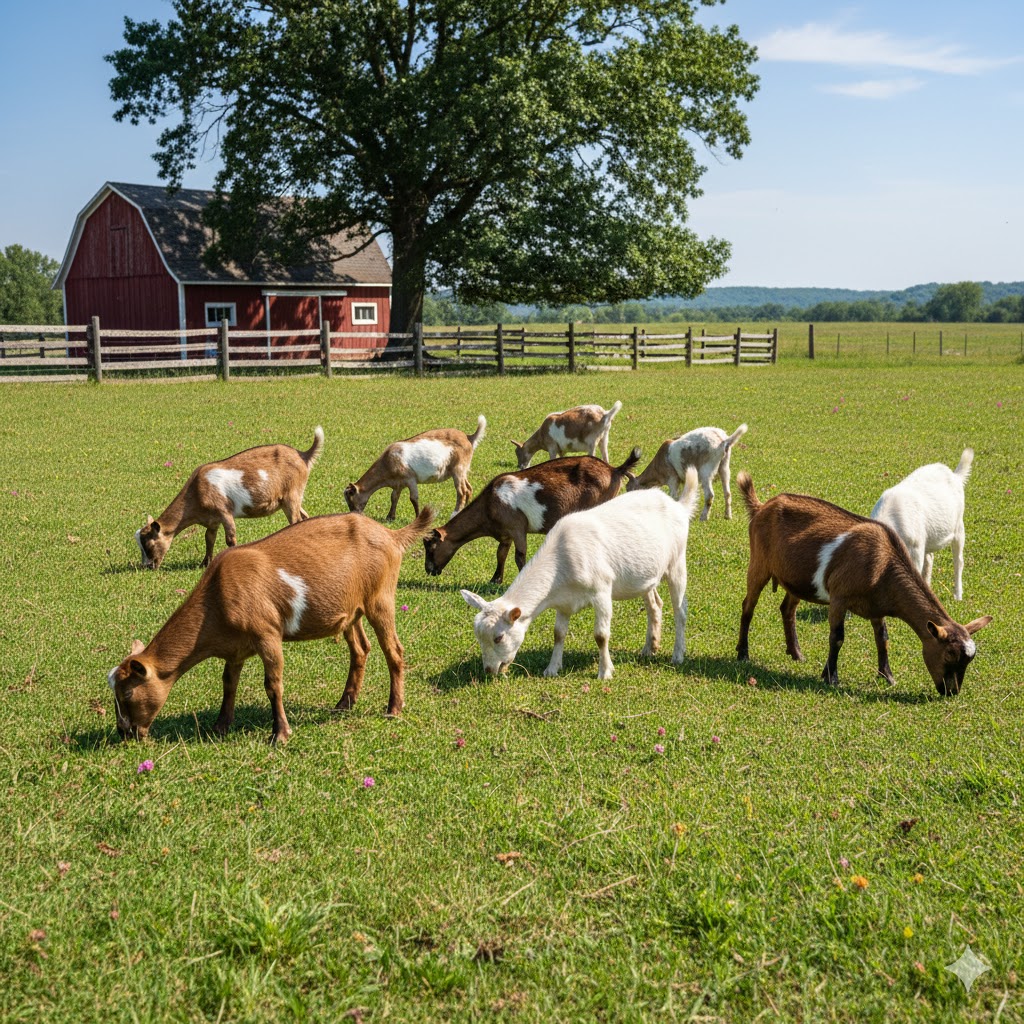
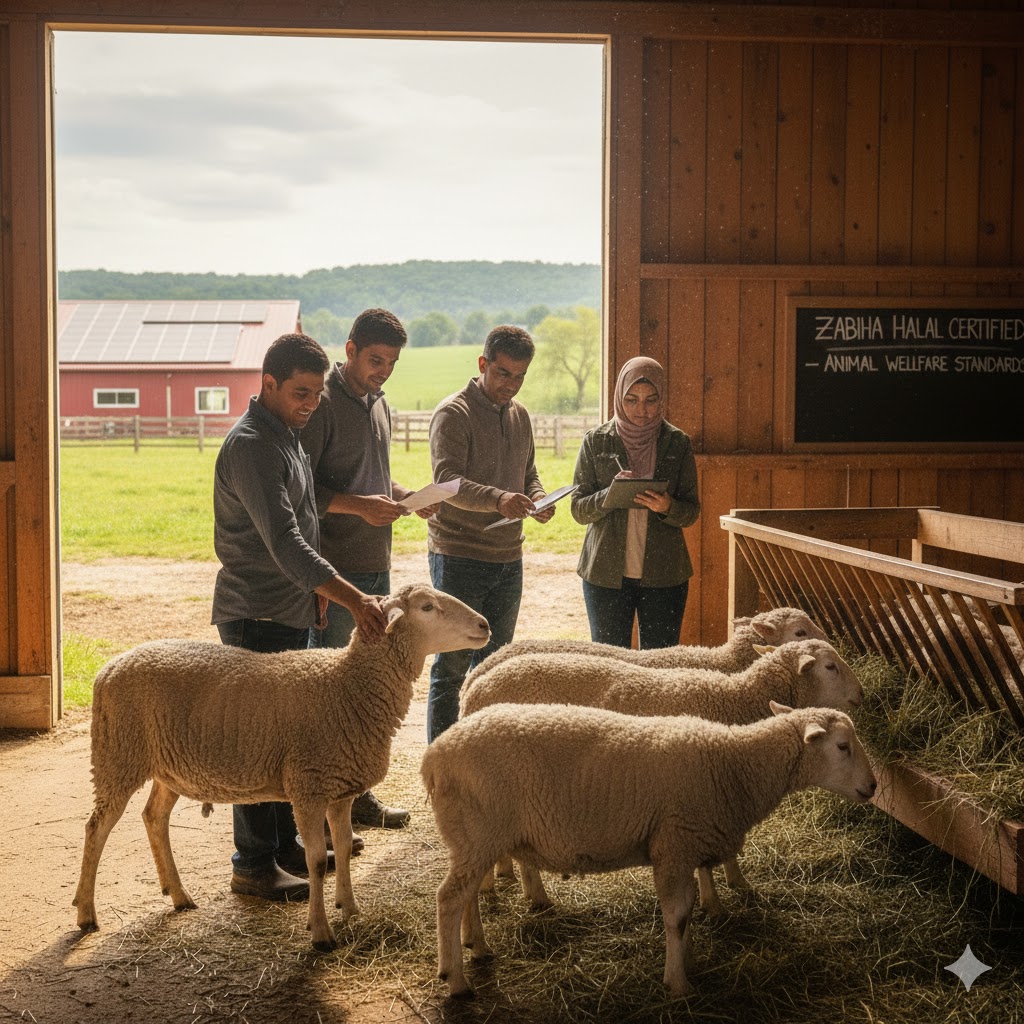
Ethical farms provide clean water, appropriate shelter, and a balanced diet tailored to each species.
Healthy animals are not only a religious requirement but also a cornerstone of ethical farming.
2. Stress-Free Handling
Handling animals with care minimizes fear and discomfort:
-
Calm environments prevent panic and unnecessary movement.
-
Gentle restraint techniques reduce stress during transport or holding pens.
-
Modern Zabiha farms often use wide corridors and non-slip flooring to improve animal comfort.
Stress-free handling improves meat quality and aligns with humane treatment standards.
3. Humane Slaughter Techniques
The method of slaughter is critical for animal welfare:
-
A sharp knife ensures a swift cut, severing the throat, windpipe, and major blood vessels in a single motion.
-
This rapid procedure leads to immediate loss of consciousness, minimizing pain.
-
Blood is fully drained, which also contributes to hygiene and meat preservation.
Some farms integrate pre-slaughter stunning, where allowed, to further reduce stress while adhering to halal standards.
4. Ethical Timing and Preparation
Animals should never be overworked or stressed before slaughter:
-
Avoid long periods without rest or water.
-
Do not overcrowd holding pens.
-
Slaughter should be performed in a quiet, clean environment, minimizing exposure to loud noises or sudden movements.
These measures maintain both ethical and religious compliance.
Modern Innovations Supporting Welfare
Modern Zabiha farms combine traditional principles with technology to enhance animal welfare:
-
Monitoring Systems: Sensors track health, feeding, and environmental conditions in real-time.
-
Automated Feeding and Watering: Ensures animals receive adequate nutrition consistently.
-
Climate-Controlled Housing: Reduces heat stress and keeps animals comfortable year-round.
-
Training Programs: Staff are trained in humane handling, reducing errors and stress on animals.
These innovations ensure that animals are treated ethically throughout their lives, not just at the moment of slaughter.
Common Misconceptions
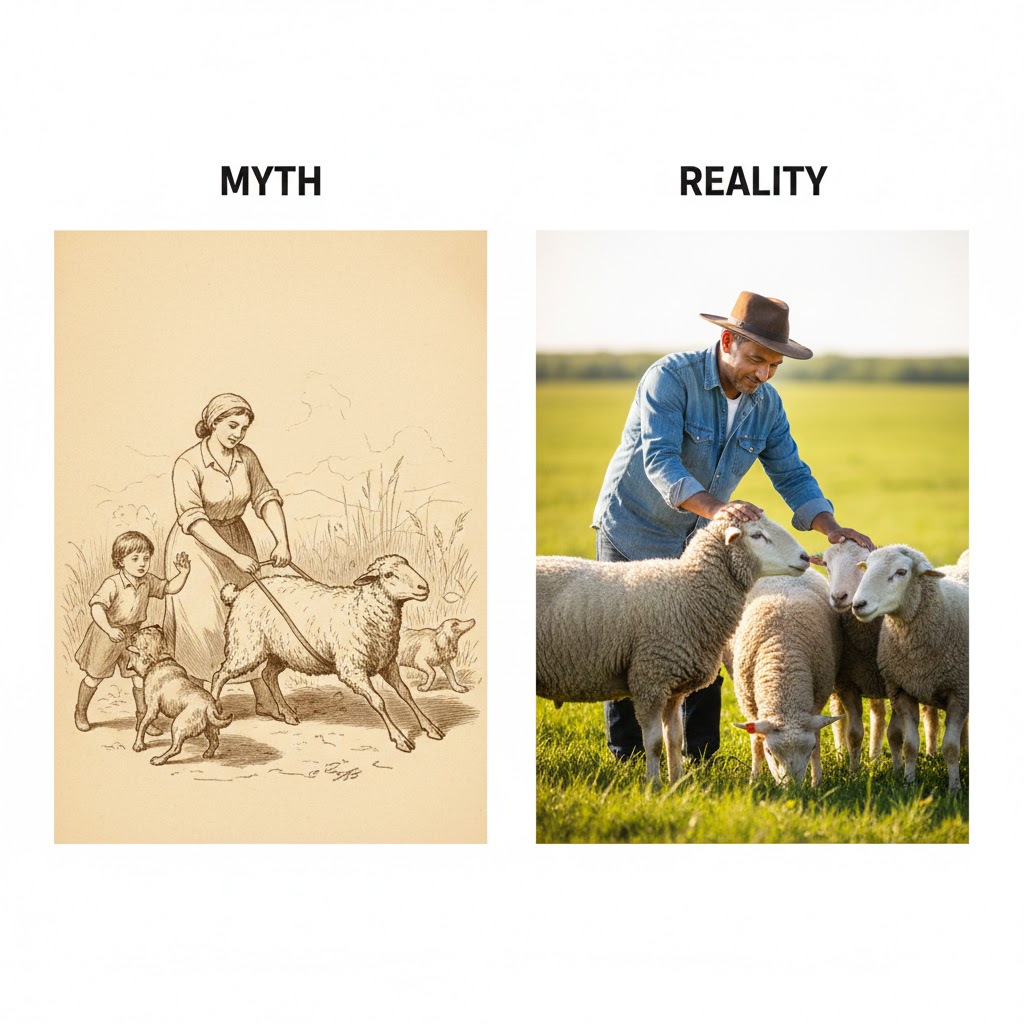
Myth 1: Zabiha Slaughter Is Cruel
Fact: When performed correctly, Zabiha is designed to minimize suffering. Swift cutting and proper handling ensure humane treatment.
Myth 2: Animals Are Not Fed or Cared For
Fact: Islamic law requires animals to be healthy and well-nourished, and modern farms uphold this with proper diets and veterinary care.
Myth 3: Blood Drainage Is Harmful
Fact: Proper blood drainage is both a religious requirement and a method to maintain hygiene and meat quality, not a cause of suffering.
Benefits of Prioritizing Animal Welfare
-
Better Meat Quality: Stress-free and healthy animals yield tender, flavorful meat.
-
Ethical Compliance: Aligns farming practices with religious and moral standards.
-
Consumer Confidence: Transparency and ethical treatment build trust in halal meat products.
-
Sustainability: Healthy animals reduce the need for antibiotics and medical interventions, supporting sustainable farming.
Conclusion
Animal welfare is a central component of Zabiha practices, encompassing health, nutrition, handling, and humane slaughter. Modern Zabiha farms continue to enhance these principles with technology and improved standards, ensuring that ethical, religious, and quality considerations are all met. By understanding and supporting these practices, consumers and producers alike can ensure that Zabiha meat is safe, humane, and of the highest quality.
Zabiha is more than a religious requirement—it is a model for ethical meat production that combines compassion, sustainability, and culinary excellence.