Environmental Impact of Zabiha Meat

Zabiha meat, prepared according to Islamic dietary laws, is a cornerstone of halal food practices around the world. While the focus of Zabiha meat is on religious compliance, humane slaughter, and ethical treatment of animals, it is also important to consider the environmental impact of its production. Like all meat production, Zabiha meat affects land use, water consumption, and greenhouse gas emissions. Understanding these environmental aspects helps consumers make informed choices and encourages farms to adopt sustainable practices that balance tradition with ecological responsibility.
Understanding Zabiha Meat Production
Zabiha meat is obtained from animals slaughtered according to Islamic law, which includes:
-
Healthy Animals: Only healthy and disease-free animals are eligible.
-
Humane Slaughter: A trained Muslim performs a swift cut to the throat, severing major blood vessels, the windpipe, and esophagus.
-
Invocation of Allah: The name of Allah (Bismillah) is recited during the process.
-
Complete Blood Drainage: Ensures hygiene and compliance with halal standards.
While these principles focus on ethics and religious observance, the production of Zabiha meat shares environmental considerations with general livestock farming.
Land Use and Grazing
Meat production, including Zabiha meat, requires significant land resources:
-
Pasture and Grazing Land: Animals need space to move freely and graze, which can lead to deforestation or conversion of natural habitats if not managed sustainably.
-
Feed Cultivation: Crops grown to feed animals occupy additional farmland and may require fertilizers and irrigation.
-
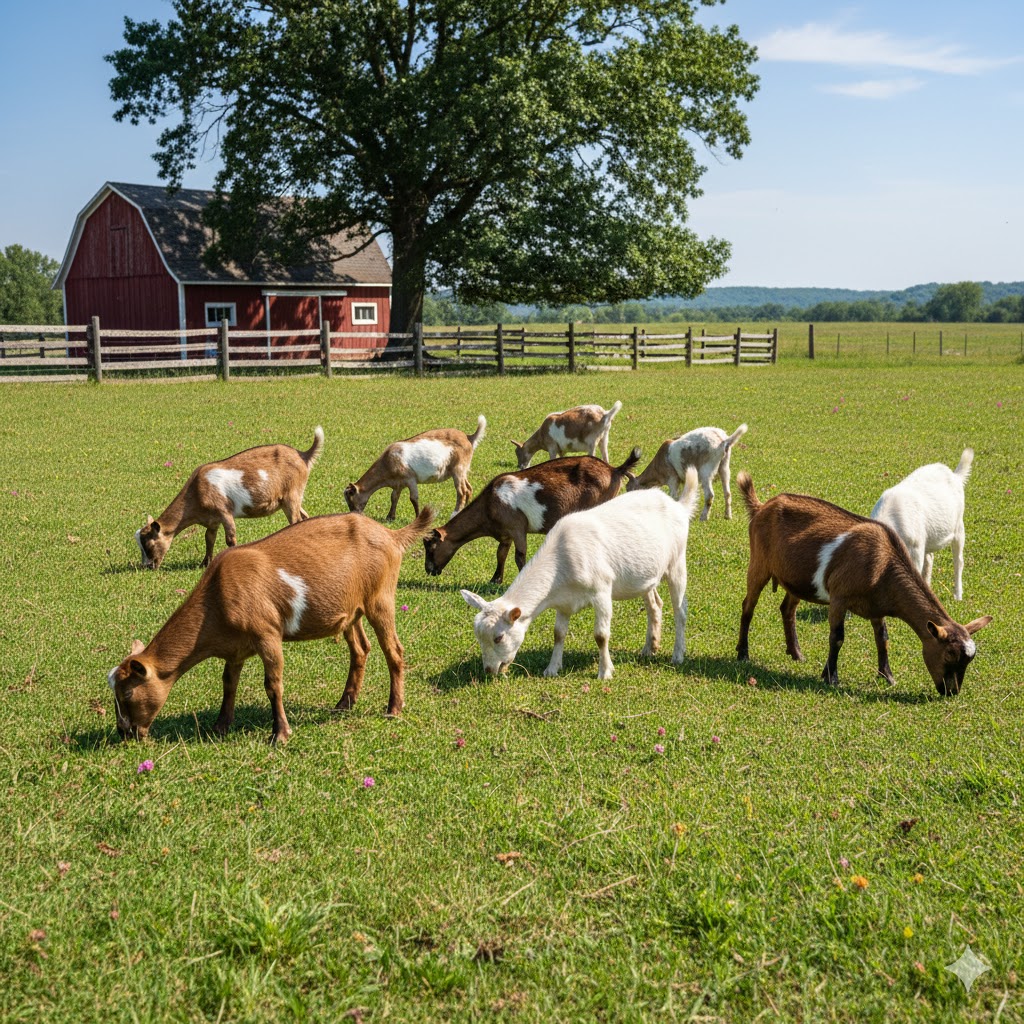
Sustainable Grazing Practices: Rotational grazing and pasture management help maintain soil fertility, prevent overgrazing, and preserve biodiversity.
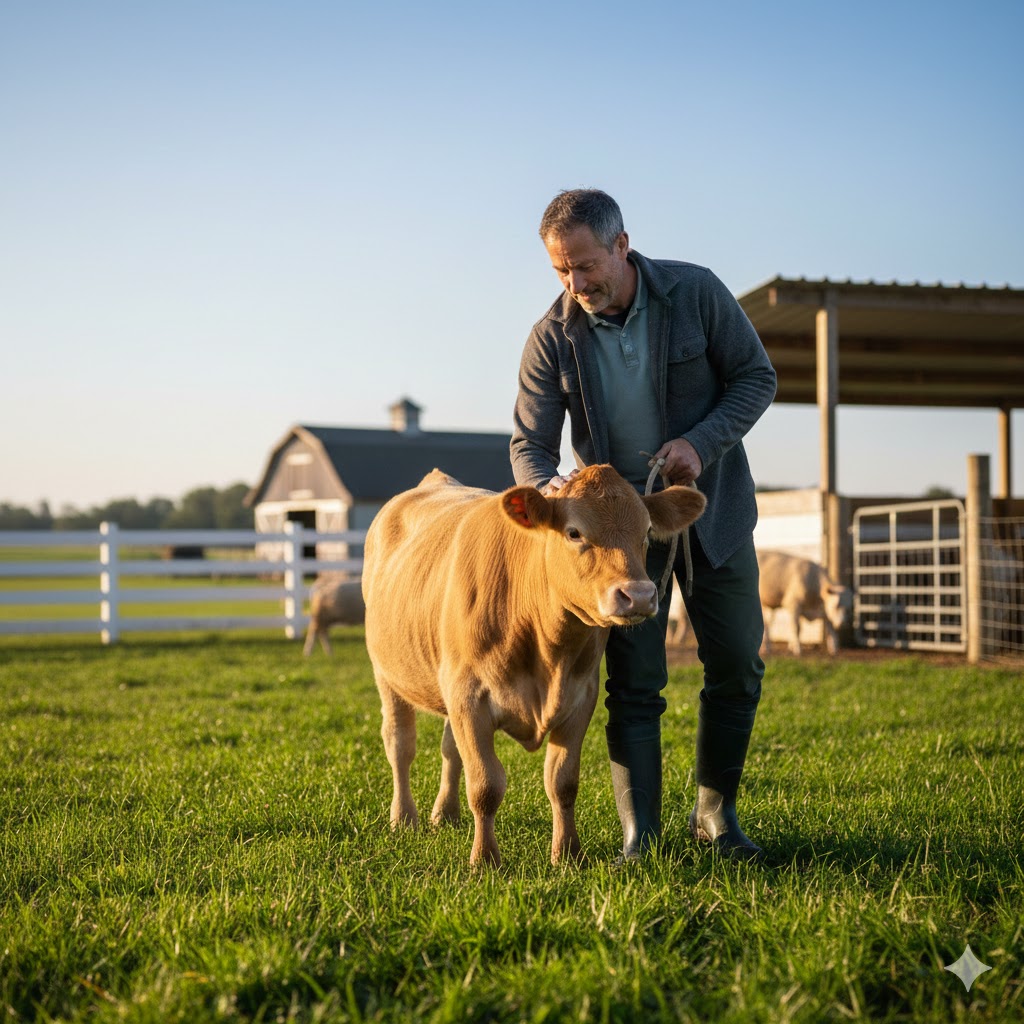
Ethical Zabiha farms increasingly adopt land management strategies to reduce negative environmental impacts while ensuring humane conditions.
Water Consumption
Livestock farming consumes large volumes of water:
-
Drinking Water: Animals require clean water daily for health and growth.
-
Feed Irrigation: Crops like grains and hay, used for animal feed, require significant water.
-
Processing and Hygiene: Slaughterhouses and meat processing require water for cleaning and sanitation.
Sustainable Zabiha farms focus on water-efficient practices, such as rainwater harvesting, drip irrigation for feed crops, and recycling water in processing facilities.
Greenhouse Gas Emissions
Livestock farming is a known contributor to greenhouse gas emissions:
-
Methane from Ruminants: Cows, goats, and sheep produce methane during digestion, a potent greenhouse gas.
-
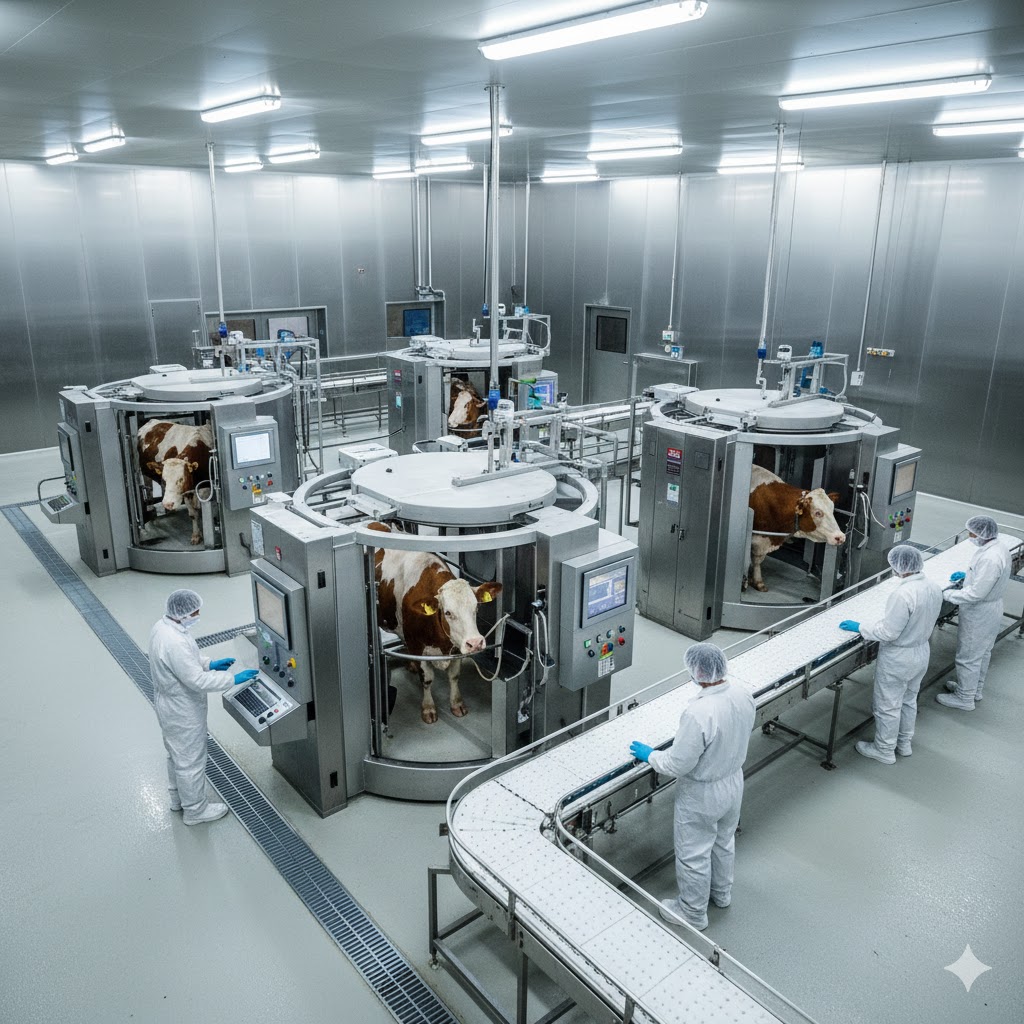
Energy Usage: Slaughterhouses, refrigeration, and transportation rely on electricity and fuel, contributing to CO₂ emissions.
-
Waste Management: Improper handling of manure can release methane and nitrous oxide.
Modern Zabiha farms implement mitigation strategies, including manure composting, renewable energy sources, and energy-efficient cooling systems, to reduce their carbon footprint.
Waste and By-Products
Sustainable handling of meat by-products is essential:
-
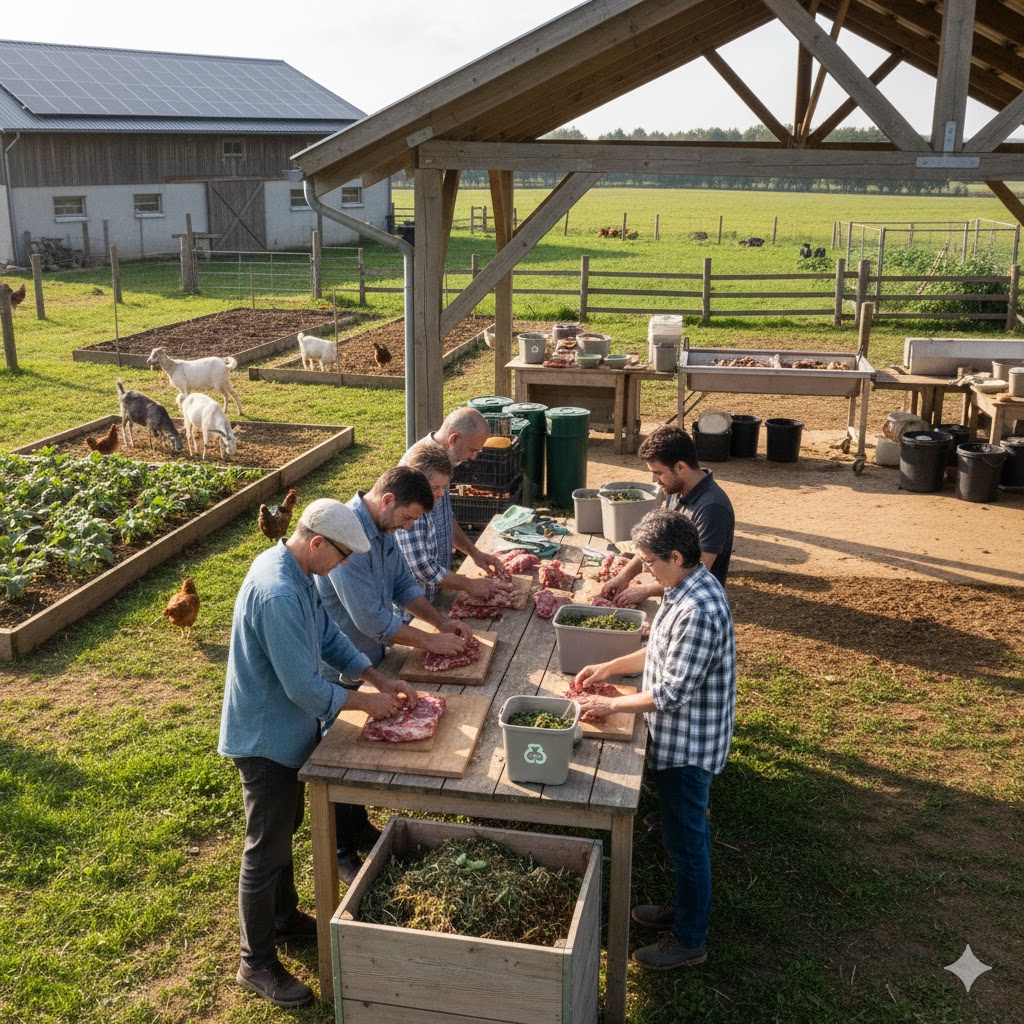
Bones and Offal: Can be used for broth, animal feed, or fertilizers.
-
Packaging Waste: Biodegradable and recyclable packaging reduces landfill impact.
-
Food Waste Reduction: Educating consumers about portioning and storing Zabiha meat minimizes waste and maximizes resource efficiency.
Responsible handling of waste ensures that the environmental cost of Zabiha meat is minimized.
Benefits of Local and Small-Scale Farms
Local Zabiha farms often have a lower environmental impact compared to large industrial operations:
-
Reduced Transportation Emissions: Shorter supply chains mean less fuel consumption and lower CO₂ emissions.
-
Smaller Footprint: Smaller herds and farms tend to use land more efficiently and often integrate crop-livestock systems.
-
Community Engagement: Local farms can implement sustainable practices while maintaining high animal welfare standards.
Supporting local farms can therefore help mitigate the environmental effects of Zabiha meat production.
Sustainable Practices in Zabiha Meat Production
To balance religious and environmental responsibilities, farms adopt several sustainable practices:
-
Organic Feed: Reduces reliance on chemical fertilizers and pesticides.
-
Rotational Grazing: Maintains soil health and prevents erosion.
-
Renewable Energy: Solar, wind, and energy-efficient equipment reduce emissions.
-
Humane Handling: Less stressed animals grow healthier, require fewer antibiotics, and are more productive, lowering resource use per unit of meat.
By integrating sustainability, Zabiha meat production can be both ethically and environmentally responsible.
Conclusion
While Zabiha meat is primarily valued for its religious and ethical significance, it is important to recognize its environmental impact. Land use, water consumption, greenhouse gas emissions, and waste management all contribute to the ecological footprint of meat production. By supporting farms that adopt sustainable grazing, water-efficient systems, renewable energy, and waste reduction practices, consumers can enjoy Zabiha meat while promoting environmental stewardship.
Sustainable Zabiha meat production demonstrates that faith, ethics, and environmental responsibility can coexist. Choosing responsibly sourced Zabiha meat ensures that the blessings of halal food extend beyond nutrition and spirituality to the care of our planet.