Reducing Waste While Using Zabiha Meat

Zabiha meat is an essential part of halal diets, particularly during festivals like Eid al-Adha, when families often purchase larger quantities than usual. While enjoying Zabiha meat is spiritually and culturally significant, it also comes with the responsibility of minimizing waste. Meat is a valuable resource, and wasting it not only reduces its nutritional and economic value but also has environmental consequences. With proper planning, storage, and cooking methods, families and communities can make the most of Zabiha meat while honoring both ethical and religious considerations.
Understanding the Importance of Reducing Meat Waste
Reducing meat waste is critical for several reasons:
-
Religious Responsibility: Islam emphasizes moderation and respect for the blessings of food. Wasting meat contradicts these principles.
-
Economic Value: Zabiha meat represents a significant financial investment for families and communities.
-
Environmental Impact: Meat production requires water, feed, and land. Wasting meat contributes to unnecessary strain on natural resources.
-
Community Support: Surplus meat can be shared with those in need, fostering generosity and social cohesion.
By actively working to minimize waste, households can maximize the benefits of Zabiha meat for themselves and their communities.
Smart Planning Before Purchase
Proper planning begins before buying meat:
-
Estimate Needs Accurately: Assess the number of meals and portions required for the household.
-
Buy in Manageable Quantities: Consider storage capacity, family size, and cooking frequency to avoid excess.
-
Consider Preservation Methods: Know how much meat can be safely stored in the freezer, refrigerator, or cooked into long-lasting dishes.
Planning ahead reduces the risk of meat spoiling or going unused.
Proper Storage Techniques
Storing Zabiha meat correctly is crucial to maintaining freshness and preventing waste:
1. Refrigeration
-
Keep raw meat in the coldest part of the fridge, ideally at 0–4°C (32–39°F).
-
Store meat in airtight containers or vacuum-sealed bags to prevent contamination and odor transfer.
-
Use meat within 1–2 days for best quality.
2. Freezing
-
Portion meat into meal-sized packages before freezing to simplify thawing.
-
Wrap tightly in freezer-safe bags or vacuum-sealed packs to prevent freezer burn.
-
Label packages with the date and type of meat to track storage duration.
3. Thawing
-
Thaw in the refrigerator, cold water, or microwave, avoiding room temperature thawing to maintain safety and texture.
-
Only thaw what will be cooked to prevent refreezing, which can degrade meat quality.
Proper storage ensures that meat remains safe and reduces the likelihood of spoilage.
Creative Cooking to Minimize Waste
Cooking strategies can maximize the use of Zabiha meat:
-
Batch Cooking: Prepare large meals that can be portioned and frozen for future use.
-
Use All Cuts: Even less tender cuts can be cooked slowly in stews, soups, or curries.
-
Leftover Integration: Transform leftover meat into sandwiches, salads, stir-fries, or rice dishes.
-
Bone and Offal Utilization: Bones can be boiled for broth, and organs can be incorporated into traditional dishes.
By creatively using the entire animal, households honor the sanctity of Zabiha meat and reduce waste.
Sharing and Community Distribution
One of the most meaningful ways to reduce waste is to share surplus Zabiha meat:
-
Family and Friends: Share extra portions to ensure it is consumed while fresh.
-
Charitable Contributions: Donate meat to local mosques, shelters, or food banks, particularly during festive periods.
-
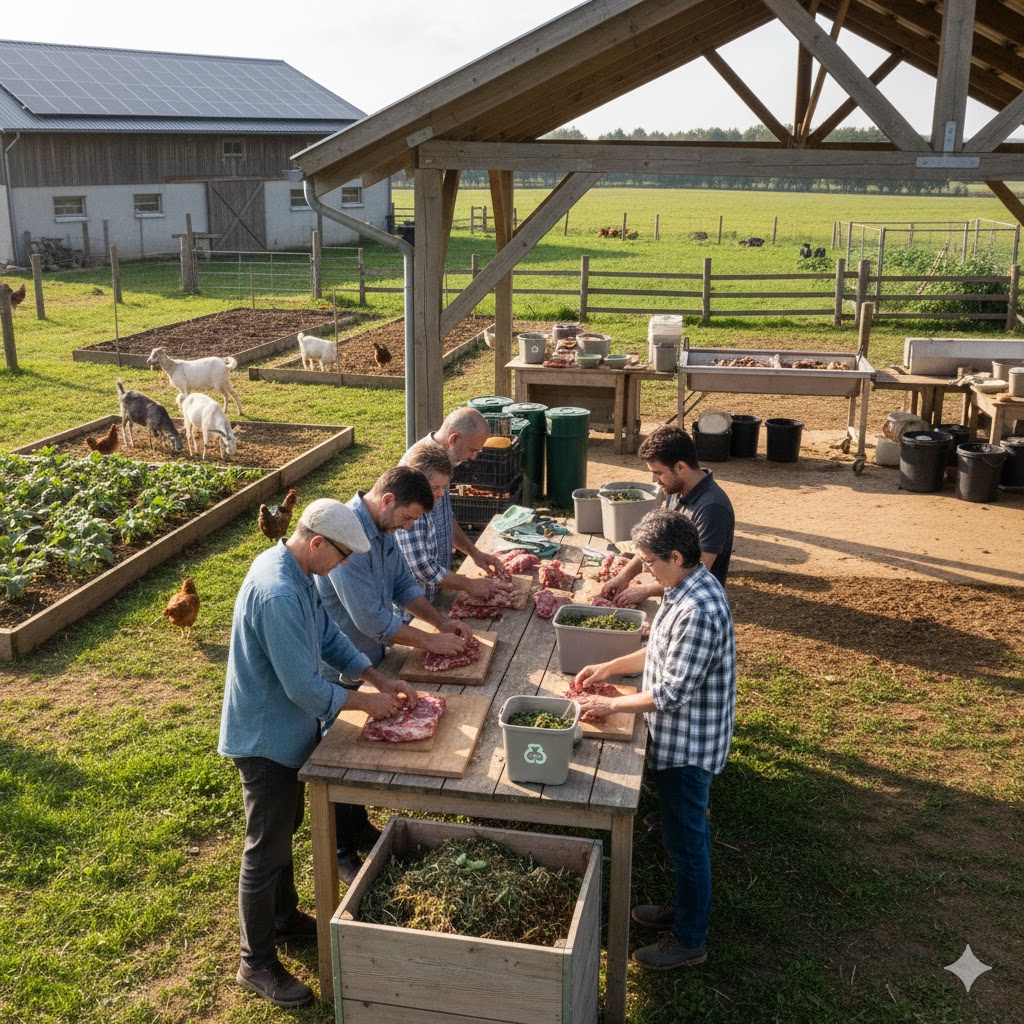
Community Meals: Organize gatherings where meat can be cooked and shared, promoting both utility and social bonding.
Sharing not only reduces waste but also strengthens community ties and fulfills a core Islamic value of generosity.
Awareness and Education
Educating households on meat handling, storage, and cooking can significantly reduce waste:
-
Workshops and Seminars: Community events can teach best practices for Zabiha meat preservation.
-
Online Resources: Recipes, portioning guides, and storage tips can help families make informed decisions.
-
Cultural Practices: Encourage traditions of sharing and communal cooking to prevent excess.
Awareness empowers families to respect the meat and use it responsibly.
Conclusion
Reducing waste while using Zabiha meat is both a religious duty and a practical responsibility. By planning purchases, storing meat correctly, cooking creatively, and sharing surplus with others, households can maximize the benefits of Zabiha meat while minimizing environmental and economic losses.
Respecting the sanctity of Zabiha meat means using every part of it thoughtfully, honoring both ethical and spiritual values. When families adopt responsible practices, Zabiha meat can provide nourishment, community connection, and blessings without unnecessary waste.