Innovations in Humane Zabiha Slaughter

Zabiha slaughter, a fundamental practice in halal meat production, ensures that animals are treated ethically and that meat is prepared according to Islamic law. While the traditional method emphasizes swift, humane cutting and the invocation of Allah’s name, modern innovations are transforming the practice to enhance animal welfare, food safety, and operational efficiency. These advancements allow farms and slaughterhouses to maintain strict Zabiha compliance while integrating ethical, technological, and sustainable practices.
Understanding Humane Zabiha Slaughter
Humane Zabiha slaughter follows Islamic guidelines designed to minimize animal suffering. Key principles include:
-
Healthy Animals: Only disease-free animals in good condition are eligible for Zabiha.
-
Swift Cutting: The throat, windpipe, and major blood vessels are cut quickly to ensure rapid loss of consciousness.
-
Invocation of Allah: The name of Allah (Bismillah) is recited at the moment of slaughter.
-
Complete Blood Drainage: This step improves hygiene and meat quality while ensuring compliance with Islamic law.
While the essence of Zabiha remains rooted in religious tradition, modern innovations are helping farms optimize the process for humane treatment and operational excellence.
Innovations in Animal Handling
Proper handling before slaughter is critical for minimizing stress and ensuring humane treatment. Modern Zabiha farms employ several techniques:
-
Calm Environments: Noise reduction, natural lighting, and gentle movement minimize stress and fear.
-
Non-Slip Flooring: Prevents slips or injuries as animals move through holding pens.
-
Guided Corridors: Designated lanes and partitions allow animals to move naturally toward the slaughter area.
-
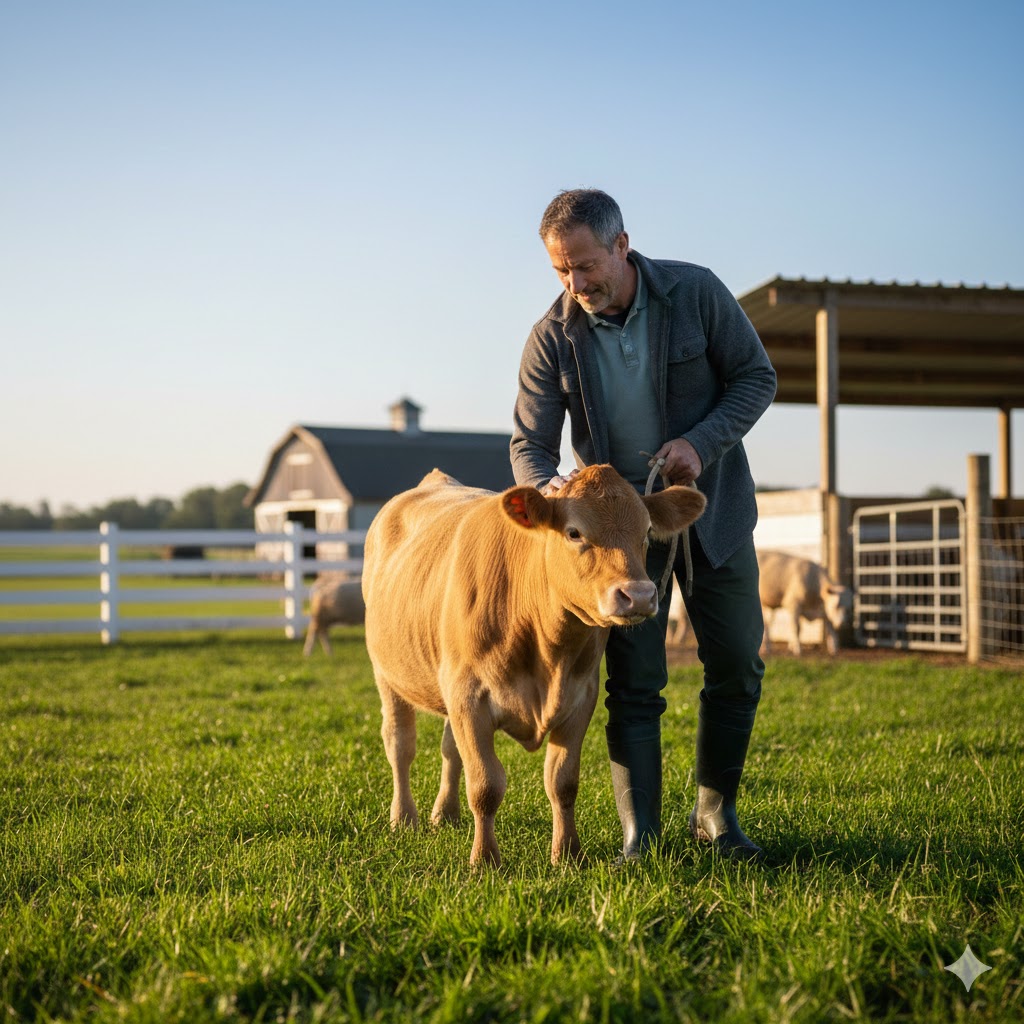
Trained Handlers: Staff are educated in animal psychology and humane handling techniques to reduce stress and prevent panic.
These improvements ensure that animals remain calm, which improves both welfare and meat quality.
Pre-Slaughter Stunning Innovations
While traditional Zabiha requires animals to be conscious at the time of slaughter, some modern farms adopt pre-slaughter stunning where permissible, under certain halal certifications:
-
Reversible Stunning: Animals are rendered unconscious without causing death, ensuring they remain compliant with Zabiha requirements.
-
Low-Stress Electrical or Gas Stunning: Reduces pain perception, minimizes fear, and enhances overall welfare.
-
Monitoring Systems: Sensors and video systems track animal responses to ensure stunning is humane and effective.
These innovations allow farms to meet both religious and ethical standards while addressing consumer concerns about animal welfare.
Technological Advancements in Slaughter Equipment
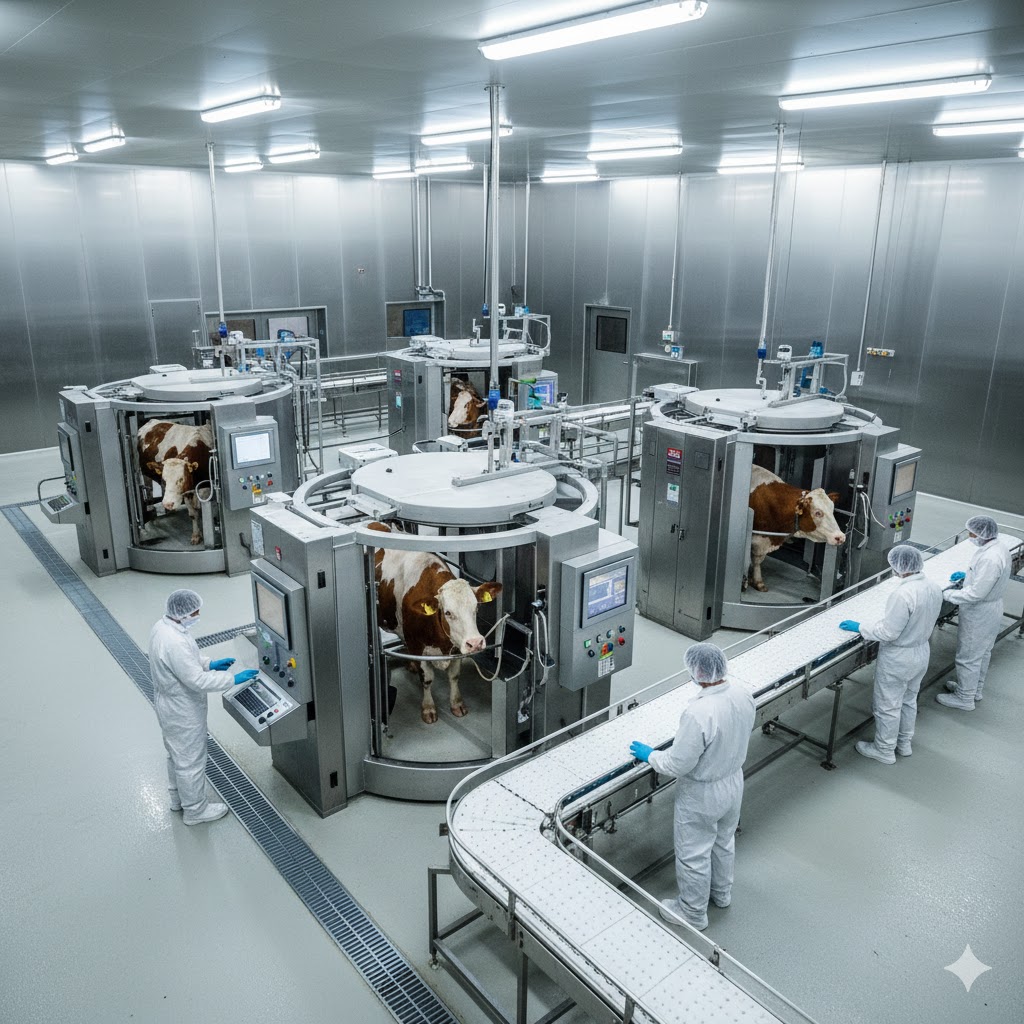
Modern Zabiha facilities are adopting advanced equipment to improve precision, efficiency, and hygiene:
-
High-Quality Knives and Cutting Tools: Sharp, stainless-steel blades ensure a single, swift cut, reducing pain and stress.
-
Automated Restraints: Gentle restraint systems secure animals safely without causing harm or panic.
-
Sanitation Systems: Automated cleaning and sterilization ensure hygienic slaughter environments, reducing contamination risks.
-
Data Monitoring: Digital systems track each animal from arrival to slaughter, verifying compliance with Zabiha standards.
These tools help farms maintain consistent quality and humane practices on a larger scale.
Training and Certification
Education and training play a vital role in humane Zabiha slaughter:
-
Halal Compliance Training: Ensures that all staff understand the religious and ethical requirements of Zabiha.
-
Animal Welfare Courses: Teach handlers and slaughterhouse staff about minimizing stress, recognizing distress, and applying humane techniques.
-
Certification Programs: Accredited bodies audit farms and slaughterhouses to confirm compliance with both halal and animal welfare standards.
Investing in human capital ensures that technological innovations are applied effectively and ethically.
Benefits of Modern Humane Zabiha Practices
-
Improved Animal Welfare: Stress-free handling and advanced techniques reduce pain, fear, and suffering.
-
Higher Meat Quality: Calm, healthy animals produce more tender, flavorful meat with better shelf life.
-
Consumer Confidence: Transparency and adherence to welfare standards build trust in halal meat products.
-
Regulatory Compliance: Modern systems support adherence to national and international food safety and animal welfare regulations.
-
Operational Efficiency: Technology and training reduce errors, enhance workflow, and maintain consistent quality.
Balancing Tradition and Innovation
Modern humane Zabiha slaughter demonstrates that tradition and innovation can coexist:
-
Religious principles remain at the core, guiding the process from animal selection to cutting.
-
Technological, environmental, and welfare innovations enhance ethical compliance and operational performance.
-
Ethical standards align with growing consumer awareness about animal welfare, sustainability, and food safety.
By balancing tradition with innovation, farms can provide Zabiha meat that is both halal-compliant and ethically produced.
Conclusion
Innovations in humane Zabiha slaughter are reshaping the halal meat industry. From advanced animal handling, pre-slaughter stunning, and cutting-edge equipment to education, certification, and monitoring systems, modern farms are ensuring ethical treatment while upholding religious standards.
These practices benefit animals, enhance meat quality, build consumer trust, and promote sustainability. Humane Zabiha slaughter is not only a matter of faith but also a model for responsible, ethical, and technologically advanced meat production.