
Distributing Zabiha Meat in Charity

Charitable distribution of Zabiha meat holds deep religious, social, and humanitarian significance in Muslim communities around the world. It is not simply an act of giving food—it is a form of worship, compassion, and social responsibility. Rooted in Islamic teachings, the practice ensures that blessings are shared, hunger is reduced, and community bonds are strengthened.
From local neighborhoods to international relief programs, the organized distribution of Zabiha meat plays a vital role in supporting vulnerable populations while upholding ethical and religious standards.
The Religious Foundation of Sharing Meat
In Islam, sharing meat—especially during significant occasions—is strongly encouraged. One of the most well-known examples is during Eid al-Adha, when Muslims perform Qurbani (sacrifice) and distribute the meat among family, friends, and those in need.
The traditional division of Qurbani meat is:
-
One-third for the household
-
One-third for relatives and friends
-
One-third for the poor and needy
This structure ensures fairness and inclusivity. The goal is not only personal celebration but also community upliftment. Even families who rarely consume meat are able to enjoy nutritious meals during this sacred time.
Beyond Eid al-Adha, many Muslims regularly donate Zabiha meat as part of voluntary charity (Sadaqah), especially in times of hardship, natural disasters, or economic instability.
Why Zabiha Meat Distribution Matters
-
Combats Food Insecurity
Many low-income families struggle to afford protein-rich foods. Meat is often one of the first items removed from tight household budgets. By distributing Zabiha meat, charities provide essential nutrition, including iron, protein, and vital vitamins. -
Promotes Social Equality
Sharing meat reduces social gaps and fosters unity. When everyone—regardless of financial status—has access to quality food, it strengthens dignity and belonging. -
Encourages Compassion and Generosity
The act of giving nurtures empathy and reinforces the Islamic value of caring for others. -
Supports Ethical Food Systems
When Zabiha standards are followed, the meat distributed is both religiously compliant and ethically sourced.
Organized Charity Distribution Systems
Today, many organizations have developed structured systems to distribute Zabiha meat efficiently and safely.
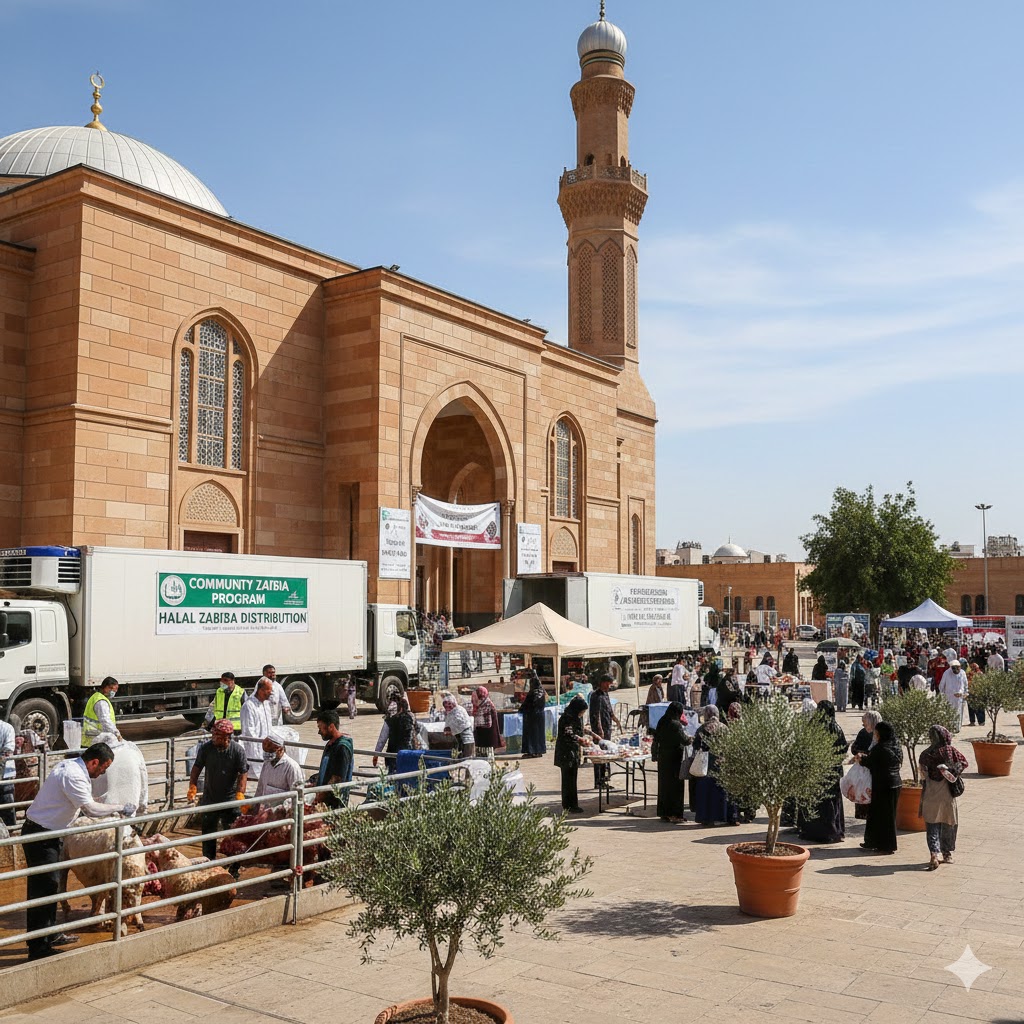
Local Mosques and Community Centers
Mosques often collect Qurbani donations and oversee slaughter arrangements. Volunteers:
-
Package meat into equal portions
-
Maintain hygiene standards
-
Deliver directly to households
-
Coordinate pickup times
This local system ensures that distribution is transparent and community-focused.
International Relief Organizations
Global charities collect Qurbani funds and perform slaughter in countries facing food shortages. Organizations such as Islamic Relief Worldwide and Muslim Aid coordinate large-scale meat distribution in vulnerable regions.
These programs:
-
Work with certified Zabiha-compliant farms
-
Follow veterinary and hygiene guidelines
-
Distribute meat fresh or preserved
-
Target orphanages, refugee camps, and impoverished villages
Such structured efforts ensure both religious compliance and logistical efficiency.
Ensuring Fair and Dignified Distribution
Charity in Islam emphasizes dignity. Meat distribution should never make recipients feel embarrassed or exposed. Best practices include:
-
Discreet delivery methods
-
Equal portion sizes
-
Avoiding favoritism
-
Clear communication with beneficiaries
Many organizations create beneficiary lists in advance to prevent chaos and ensure smooth distribution.
Additionally, maintaining proper storage is essential. Meat must be refrigerated immediately after slaughter and transported in temperature-controlled environments to prevent spoilage and health risks.
Reducing Waste During Distribution
Proper planning prevents food waste. Charities often:
-
Estimate the number of families before slaughter
-
Divide animals according to need
-
Use professional butchers for efficient cuts
-
Distribute the same day whenever possible
In some regions, meat is canned or vacuum-sealed to extend shelf life. This approach ensures that even remote communities receive safe and usable portions.
Reducing waste aligns with Islamic teachings that discourage extravagance and emphasize responsible resource management.
Community Impact Beyond Nutrition
The impact of distributing Zabiha meat goes beyond food. It creates:
-
Stronger community bonds
-
Volunteer engagement
-
Increased awareness of poverty
-
Opportunities for youth to participate in service
Children and young volunteers who assist in packaging and delivering meat learn compassion and social responsibility firsthand.
Moreover, recipients often feel remembered and valued, especially widows, elderly individuals, refugees, and families facing financial hardship.
Challenges in Modern Distribution
Despite its importance, charitable meat distribution faces challenges:
-
Rising livestock costs
-
Transportation logistics
-
Storage limitations
-
Ensuring strict Zabiha compliance
-
Managing large crowds during Eid
To overcome these challenges, many organizations now use digital donation systems, beneficiary databases, and pre-scheduled delivery programs.
Transparency is also critical. Donors want reassurance that their Qurbani or charity has been properly fulfilled according to Islamic guidelines.
A Continuous Act of Giving
While Eid al-Adha is the most recognized time for Zabiha meat distribution, the spirit of giving should continue throughout the year. Monthly meat drives, Ramadan food programs, and emergency relief campaigns extend the benefit beyond one season.
Every portion distributed carries more than nutrition—it carries gratitude, unity, and faith.
Conclusion
Distributing Zabiha meat in charity represents one of the most meaningful expressions of Islamic generosity. It fulfills religious duty, supports those in need, strengthens communities, and upholds ethical standards.
When done with sincerity, organization, and care, it transforms a simple act of sharing food into a powerful force for compassion and social justice. Through thoughtful distribution systems, responsible handling, and a focus on dignity, Zabiha meat charity continues to nourish both bodies and hearts across the world.