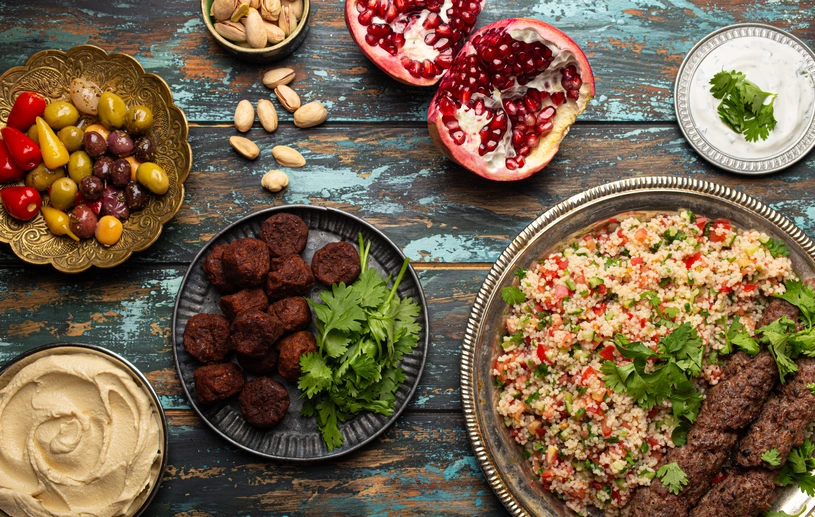
Catering Large Events with Zabiha Meat

Catering large events requires careful planning, organization, and attention to detail. When Zabiha meat is involved, there is an added responsibility to ensure that every aspect—from sourcing to serving—meets Islamic dietary guidelines. Whether you are organizing a wedding, corporate function, community dinner, or a celebration during Eid al-Adha, catering with Zabiha meat can be both rewarding and manageable with the right strategy.
Here is a comprehensive guide to successfully catering large events while maintaining quality, authenticity, and compliance.
Understanding Zabiha Requirements
Before planning the menu, it’s essential to understand what makes meat Zabiha-compliant. The animal must be slaughtered according to Islamic guidelines, invoking the name of Allah, and handled humanely. Proper drainage of blood and hygienic processing are also important.
When catering large events, always:
-
Source from certified Zabiha suppliers
-
Request documentation if needed
-
Ensure storage and transportation meet halal standards
-
Prevent cross-contamination with non-halal items
Clear labeling and supplier transparency build trust with clients and guests.
Planning the Menu for Large Gatherings
The key to large-event catering is balance. You need dishes that:
-
Are easy to prepare in bulk
-
Maintain flavor over time
-
Can be kept warm without losing quality
-
Appeal to diverse tastes
Popular Zabiha-friendly options include:
-
Chicken or beef biryani
-
Lamb korma or karahi
-
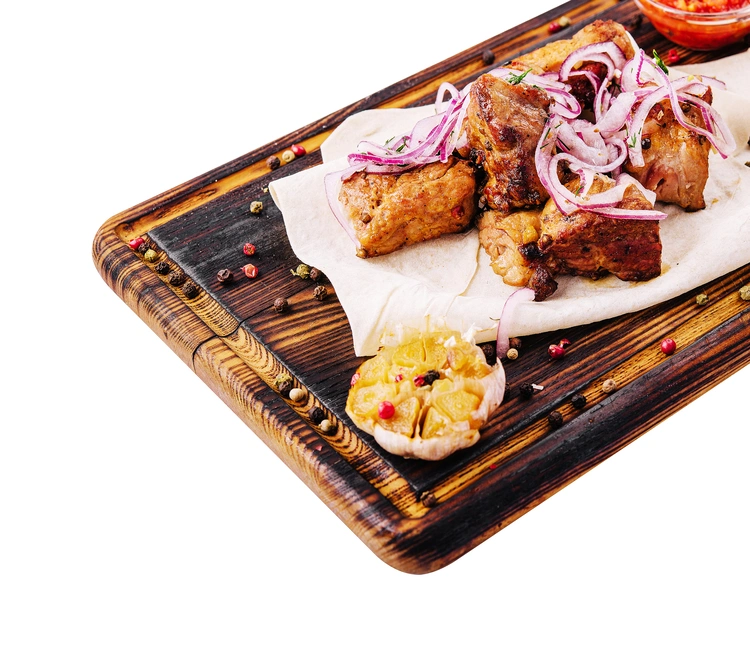
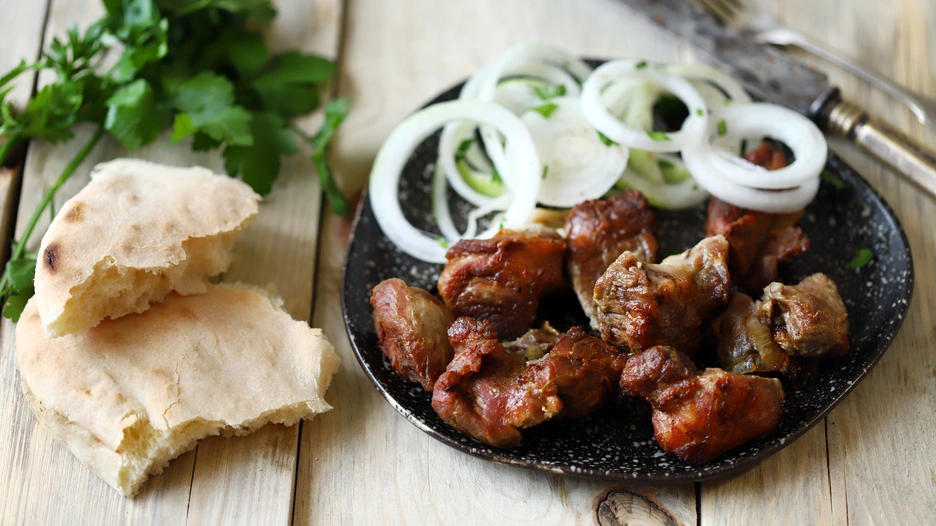
Grilled seekh kebabs
-
Roast chicken trays
-
BBQ platters
-
Shawarma stations
For multicultural events, consider blending flavors inspired by cuisines from Pakistan, Turkey, and Saudi Arabia. This creates variety while staying within halal guidelines.
Estimating Quantities Accurately
One of the biggest challenges in large-scale catering is portion estimation. Ordering too little causes stress; ordering too much leads to waste.
General guidelines:
-
150–200 grams of meat per person (depending on menu variety)
-
Add 10% extra for safety
-
Increase portions for buffet-style service
For events exceeding 200 guests, detailed planning sheets and inventory tracking are essential.
Food Safety and Storage
Food safety becomes even more critical with large quantities of meat.
Best practices include:
-
Refrigerating meat immediately upon delivery
-
Using separate prep stations
-
Maintaining cooking temperatures (above 75°C / 165°F internally for poultry)
-
Keeping hot foods above 60°C (140°F)
-
Keeping cold items below 5°C (41°F)
Investing in commercial-grade refrigerators, insulated transport containers, and chafing dishes ensures safe service.
Efficient Kitchen Workflow
Large-event catering demands teamwork and coordination.
Create:
-
A prep timeline (1–2 days before event)
-
Assigned roles for staff
-
Clear communication channels
-
Backup equipment
Pre-marinate meats, pre-chop vegetables, and pre-measure spices to reduce last-minute stress.
Batch cooking helps maintain consistency in taste and portion size.
Buffet vs Plated Service
Choosing the right serving style affects logistics.
Buffet Service
-
Easier for large crowds
-
Requires fewer staff
-
Guests control portion size
Plated Service
-
More elegant
-
Better portion control
-
Requires more staff and coordination
For weddings or formal events, plated service may feel more premium. Community events often benefit from buffet-style arrangements.
Presentation Matters
Even for large crowds, presentation should not be neglected. Use:
-
Large decorative platters
-
Neatly arranged trays
-
Fresh garnishes
-
Clear labeling for each dish
Keep the serving area organized and avoid overcrowding the tables. Clean presentation reflects professionalism and respect for the food.
Managing Diverse Dietary Needs
At large events, guests may have varying preferences:
-
Mild vs spicy options
-
Gluten-free side dishes
-
Vegetarian alternatives
-
Child-friendly meals
Providing at least one lighter dish ensures inclusivity without compromising the Zabiha focus.
Reducing Waste and Leftovers
Responsible catering includes minimizing waste.
Tips:
-
Monitor buffet refills carefully
-
Offer smaller initial portions
-
Coordinate donation of excess food to local charities
-
Use compostable or eco-friendly serving materials
Proper planning helps maintain both sustainability and Islamic values of avoiding excess.
Building Client Trust
Clients hosting halal events prioritize authenticity and compliance. As a caterer:
-
Clearly advertise Zabiha certification
-
Share sourcing details
-
Provide transparent pricing
-
Maintain professional contracts
Positive word-of-mouth within Muslim communities can significantly grow your catering business.
Final Thoughts
Catering large events with Zabiha meat requires more than culinary skill—it demands responsibility, organization, and attention to religious standards. From sourcing certified suppliers to managing large-scale kitchen operations, every detail contributes to a successful event.
When executed properly, Zabiha catering not only delivers delicious meals but also honors faith, tradition, and ethical food practices. With careful planning, efficient teamwork, and thoughtful presentation, your large-scale event can leave guests satisfied, impressed, and confident in the quality and integrity of the food served.