Budget-Friendly Zabiha Meat Options

Eating Zabiha meat does not have to be expensive. While many people assume halal or Zabiha-certified meat always costs more, smart planning and informed choices can help families enjoy high-quality, ethically sourced meat without straining their budget. Whether you are preparing everyday meals or planning for Eid al-Adha, understanding affordable Zabiha options can make a significant difference.
Here’s a practical guide to choosing budget-friendly Zabiha meat while maintaining quality and compliance.
Understanding Why Prices Vary
Before looking at savings strategies, it helps to understand why Zabiha meat may sometimes cost more:
-
Smaller-scale halal slaughter facilities
-
Certification and compliance costs
-
Limited suppliers in certain regions
-
Higher demand during peak seasons
However, price differences can often be managed by choosing the right cuts and buying strategically.
1. Choose Affordable Cuts of Meat
Not all cuts are priced the same. Premium steaks and chops tend to be expensive, but many flavorful cuts are budget-friendly.
Budget-Friendly Beef Cuts:
-
Chuck
-
Brisket
-
Shank
-
Ground beef
-
Stew meat
These cuts are ideal for curries, stews, and slow-cooked dishes.
Budget-Friendly Lamb or Goat Cuts:
-
Shoulder
-
Neck
-
Ribs
-
Offal (liver, heart)
Slow cooking tenderizes tougher cuts and enhances flavor.
2. Consider Whole Chicken Over Boneless Cuts
Zabiha chicken is usually one of the most affordable meat options. Buying a whole chicken costs less per kilogram compared to boneless breasts or pre-cut pieces.
A whole chicken can provide:
-
Breast meat for grilling
-
Thighs for curries
-
Wings for snacks
-
Bones for soup
Learning basic cutting skills can help you maximize value.
3. Buy in Bulk and Freeze
Bulk purchasing reduces cost per unit. Many halal butchers offer discounts when buying larger quantities.
Tips for bulk buying:
-
Divide meat into meal-sized portions
-
Use airtight freezer bags
-
Label with dates
-
Rotate stock to avoid spoilage
Freezing preserves freshness and prevents waste.
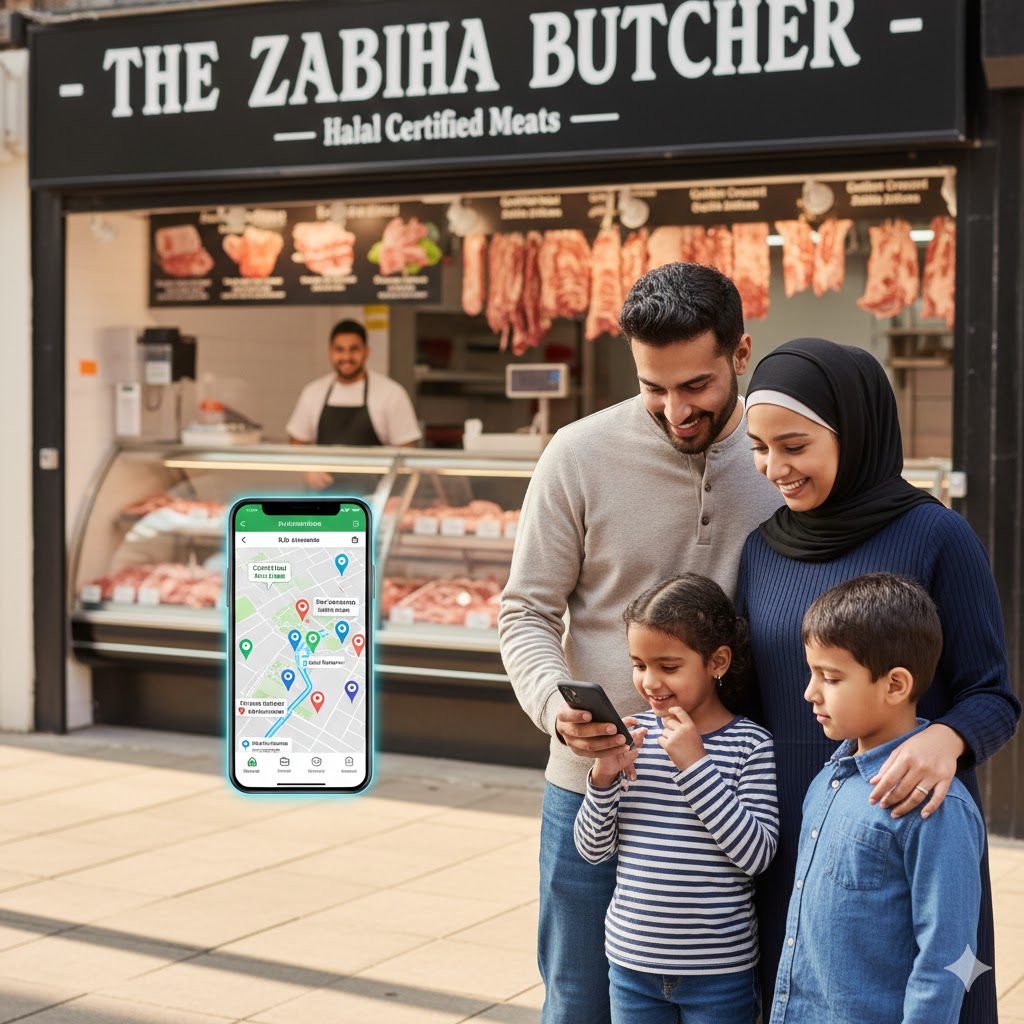
4. Shop at Local Halal Butchers
Local halal butchers often provide better pricing than large supermarkets. They may also offer:
-
Custom cuts
-
Fresh ground meat
-
Bulk discounts
-
Seasonal promotions
Building a relationship with your butcher can lead to special deals and trusted sourcing.
5. Explore Community Farms
In some regions, buying directly from farms reduces costs. Families sometimes split the purchase of a whole cow or goat, dividing the meat evenly.
This approach is common in countries like Pakistan and Bangladesh, where group purchases during Eid help lower individual expenses.
Community buying not only saves money but also ensures transparency in Zabiha practices.
6. Use Ground Meat Creatively
Ground Zabiha beef or chicken is often cheaper than whole cuts and can stretch further in recipes.
Affordable meal ideas:
-
Keema (spiced minced meat)
-
Meat-stuffed samosas
-
Burgers
-
Meat pasta sauce
-
Meat and vegetable stir-fry
Mixing ground meat with lentils or vegetables increases portion size while keeping costs low.
7. Incorporate Meat with Grains and Legumes
Budget-friendly cooking often combines meat with filling ingredients such as:
-
Rice
-
Lentils
-
Chickpeas
-
Potatoes
-
Beans
For example:
-
Beef and lentil stew
-
Chicken and rice pilaf
-
Lamb with chickpeas
These combinations provide balanced nutrition while reducing overall meat consumption per serving.
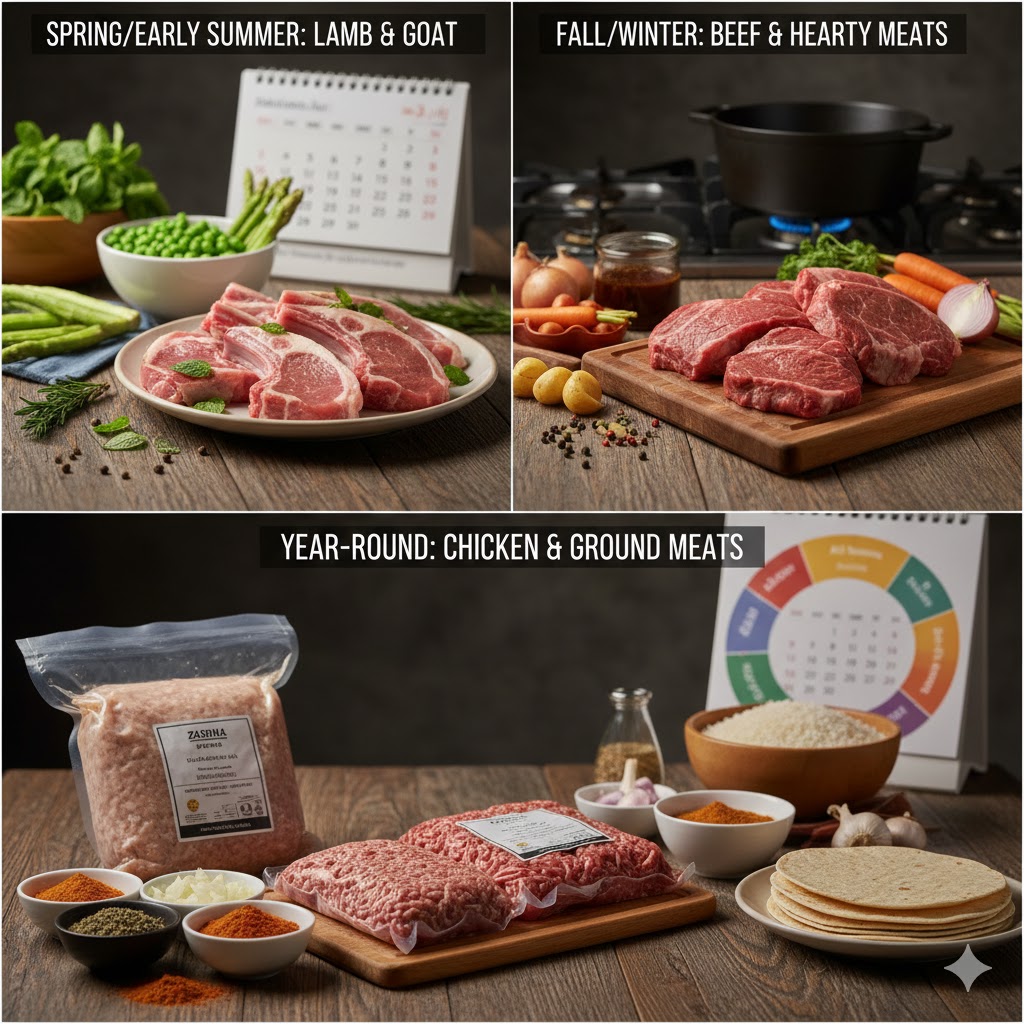
8. Watch Seasonal Pricing
Meat prices often rise during high-demand periods such as Ramadan and Eid. Buying ahead of time or freezing meat before peak season can save money.
In Western countries like United States and United Kingdom, supermarket sales cycles can also offer discounts on halal-certified items.
9. Use Every Part of the Animal
To stay budget-friendly, minimize waste:
-
Bones for broth
-
Fat for cooking
-
Organs for traditional dishes
-
Trimmings for mince
Using the whole animal reflects both economic wisdom and Islamic principles of avoiding waste.
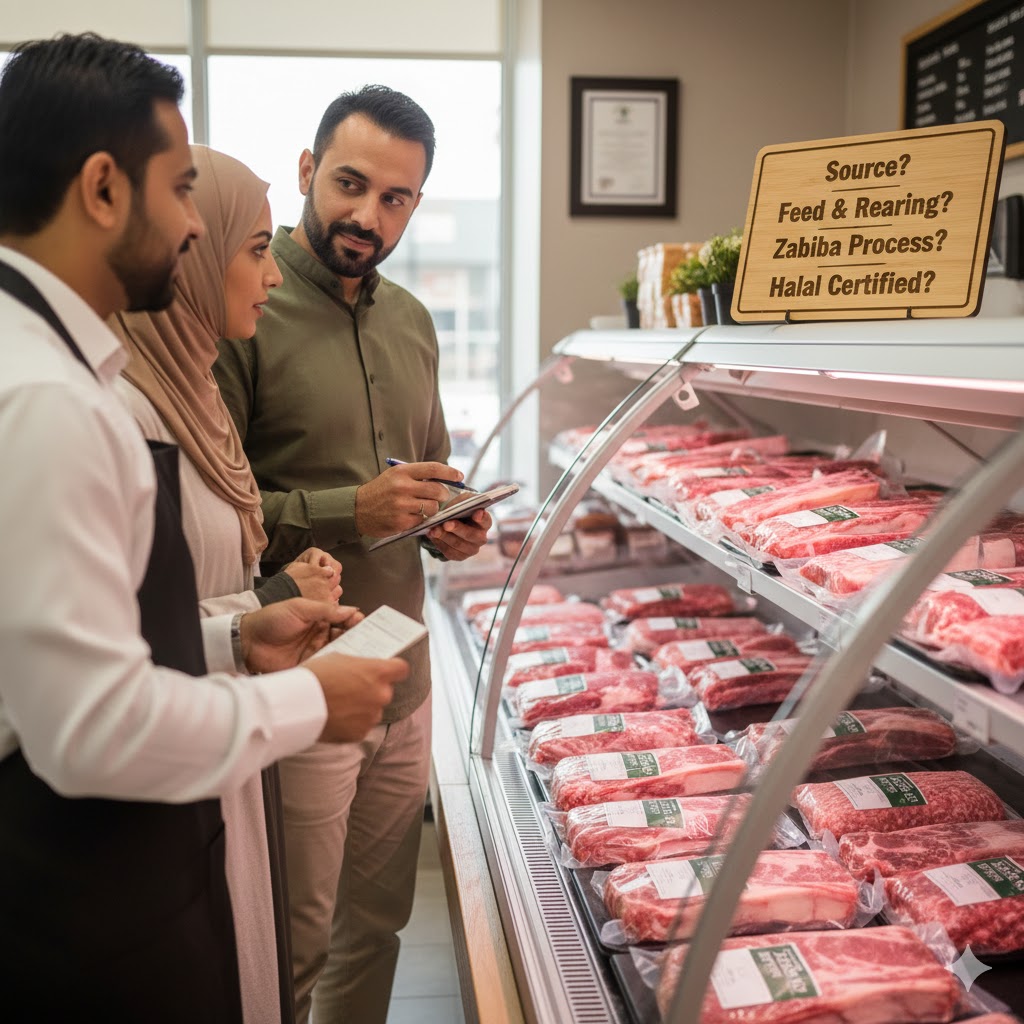
10. Compare Halal Certifications
Some Zabiha products come with additional branding that increases cost. While certification is essential, compare local options to find reliable but reasonably priced suppliers.
Ensure:
-
Clear halal labeling
-
Trusted certification body
-
Transparent sourcing
Don’t assume the highest price always means the best quality.
11. Plan Weekly Meals in Advance
Meal planning prevents impulse purchases and food waste. Plan dishes around affordable cuts and seasonal produce.
For example:
-
Monday: Chicken curry
-
Wednesday: Beef stew
-
Friday: Grilled kebabs
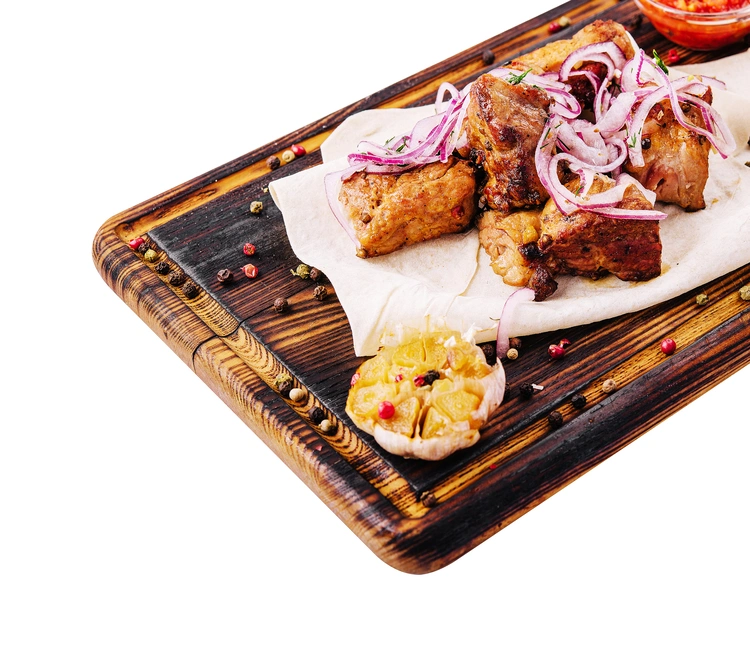
-
Sunday: Vegetable and meat rice dish
Structured planning helps control grocery budgets effectively.
Conclusion
Budget-friendly Zabiha meat options are entirely achievable with smart shopping, strategic planning, and creative cooking. Choosing affordable cuts, buying in bulk, combining meat with grains, and minimizing waste can significantly reduce costs without compromising on quality or faith-based standards.
Eating Zabiha meat is about more than price—it reflects ethical sourcing, gratitude, and mindful consumption. With careful choices, families can enjoy nutritious, delicious halal meals while staying within their budget and maintaining the values that matter most.