Shipping Tips to Keep Meat Fresh

Shipping meat—whether Zabiha, halal, or regular cuts—requires careful planning to ensure it arrives fresh, safe, and ready for cooking. Improper handling during transit can lead to spoilage, bacterial growth, and loss of flavor. With the growing demand for delivering high-quality meat across cities and even countries, knowing the right shipping techniques is essential for both businesses and home cooks.
Here is a comprehensive guide to keeping meat fresh during shipping, ensuring taste, safety, and quality.
1. Choose the Right Packaging
Packaging is the first line of defense against spoilage. Proper materials maintain temperature, prevent contamination, and protect the meat during transit.
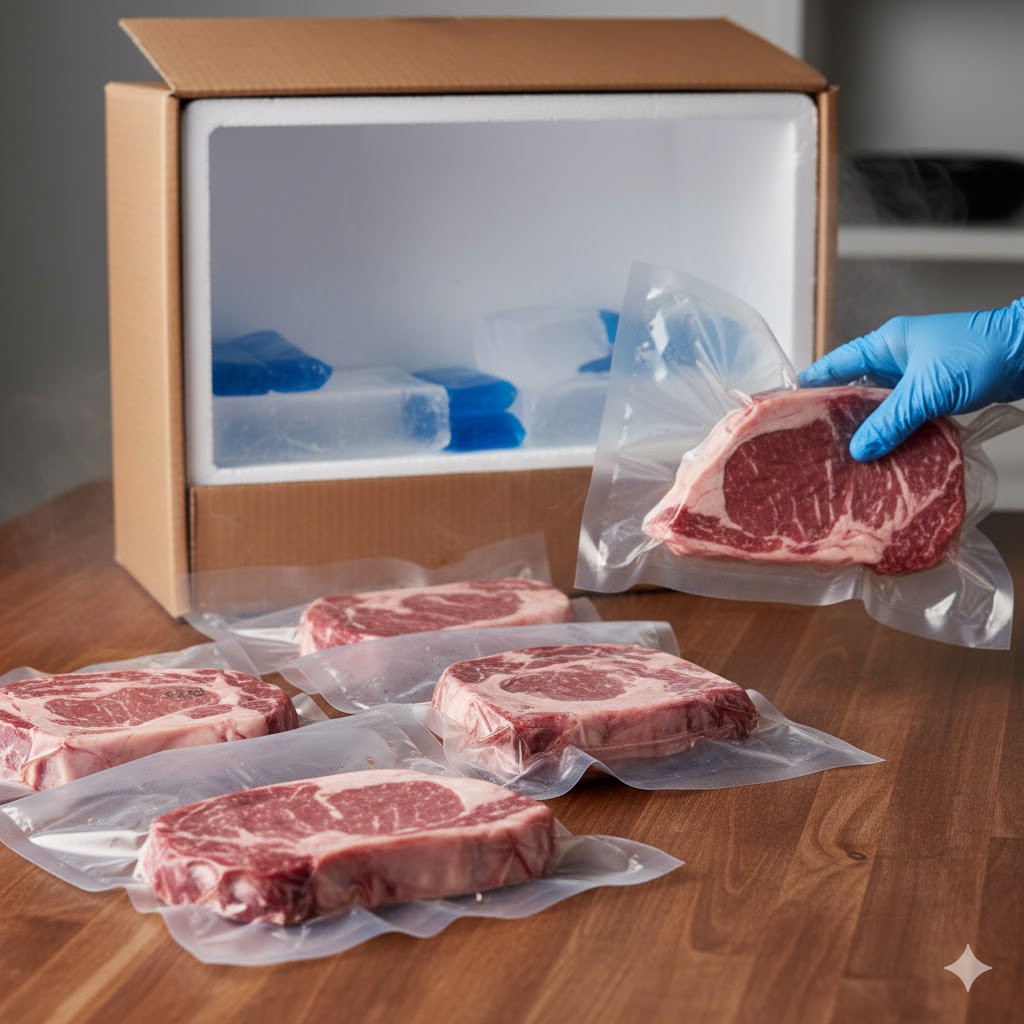
Vacuum-Sealed Bags
-
Removes air and limits bacterial growth
-
Prevents freezer burn for frozen shipments
-
Ideal for both fresh and frozen meat
Insulated Boxes
-
Keeps cold air in and heat out
-
Essential for long-distance shipping
-
Works best with dry ice or gel packs
Leak-Proof Containers
-
Prevent juices from spilling
-
Avoid cross-contamination with other items
Label packages clearly with contents, date, and storage instructions for the recipient.
2. Maintain Proper Temperature
Temperature control is critical. Meat must remain cold throughout transit to prevent bacterial growth.
Fresh Meat
-
Keep at 0–4°C (32–39°F)
-
Use gel packs or ice packs in insulated boxes
-
Avoid shipping on hot days without extra insulation
Frozen Meat
-
Maintain at −18°C (0°F) or lower
-
Use dry ice or sufficient gel packs
-
Avoid thawing during transit; ensure packages are tightly sealed
Investing in temperature monitoring devices for commercial shipments adds an extra layer of safety.
3. Minimize Shipping Time
The shorter the shipping duration, the fresher the meat arrives.
-
Use express or overnight shipping when possible
-
Plan deliveries around cooler hours of the day
-
Avoid weekends if shipping companies cannot guarantee same-day handling
For large shipments, coordinating with reliable carriers experienced in handling perishable goods is crucial.
4. Handle with Care
Meat is delicate and can be damaged by rough handling.
-
Avoid stacking heavy boxes on top of meat packages
-
Mark packages as “perishable”
-
Ensure carriers understand the importance of gentle handling
Even minor physical damage can affect the texture and presentation of the meat.
5. Use Dry Ice or Gel Packs Strategically
For long-distance or international shipping, frozen meat requires proper cooling agents.
Dry Ice
-
Ideal for frozen shipments lasting more than 24 hours
-
Keep a small gap between dry ice and meat to prevent freezing damage
-
Follow airline or shipping regulations for dry ice use
Gel Packs
-
Suitable for shorter trips or fresh meat shipments
-
Reusable and easy to handle
-
Helps maintain a stable temperature inside insulated boxes
Always check local regulations for shipping frozen products to ensure compliance.
6. Monitor for Airflow and Moisture
Moisture buildup can lead to bacterial growth or freezer burn.
-
Avoid wrapping meat in non-breathable materials without proper insulation
-
Include absorbent pads inside packaging to catch excess liquid
-
Ensure some airflow in frozen shipments if using gel packs to prevent localized thawing
Proper packaging prevents condensation and maintains meat quality during transit.
7. Consider Local Regulations
Different countries and regions have specific rules for shipping meat:
-
Zabiha or halal meat may require certification for import/export
-
Check customs and quarantine requirements for international shipping
-
Include documentation such as slaughter certificates and packaging compliance
Staying informed reduces delays and ensures your meat reaches its destination without legal issues.
8. Communication is Key
Keep customers or recipients informed:
-
Share tracking information
-
Provide estimated delivery windows
-
Include instructions for handling upon arrival
Clear communication ensures meat is refrigerated or frozen immediately after delivery, maintaining freshness.
9. Prepare for Contingencies
Even with careful planning, shipments may encounter delays:
-
Have backup ice packs or dry ice ready
-
Choose carriers with flexible rescheduling options
-
Avoid shipping during extreme weather unless absolutely necessary
Contingency planning reduces the risk of spoiled meat and unhappy recipients.
10. Hygiene and Safety
Always handle meat hygienically before shipping:
-
Wash hands and utensils
-
Keep meat chilled until packing
-
Avoid cross-contamination with other foods
Cleanliness ensures meat remains safe and prevents foodborne illness.
11. Label Clearly for the Recipient
Provide essential information:
-
Meat type and cut
-
Date of packaging and expiration
-
Storage instructions (e.g., refrigerate immediately, use within 24 hours)
Proper labeling guides recipients to store and cook meat safely.
Conclusion
Shipping meat successfully is a combination of proper packaging, temperature control, timing, and hygiene. Whether you are sending Zabiha meat for Eid al-Adha, supplying a halal butcher, or delivering fresh meat to family and friends, following these best practices ensures your meat arrives fresh, flavorful, and safe.
By investing in insulated packaging, monitoring temperature, minimizing transit time, and communicating clearly, you can maintain the quality of meat from farm to table. Proper shipping not only protects flavor and nutrition but also reinforces trust with recipients, reflecting care, professionalism, and respect for ethical and religious standards.