Questions to Ask Before Buying Zabiha Meat

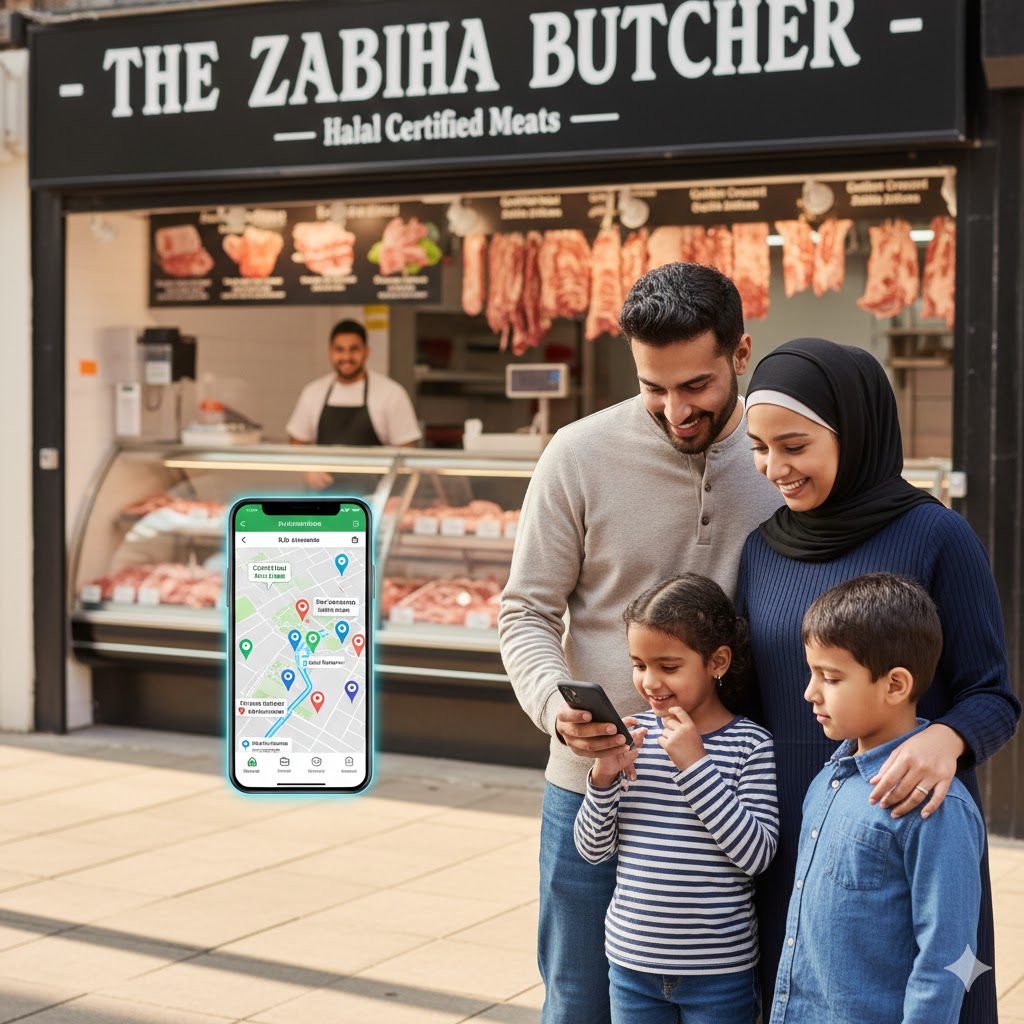
Purchasing Zabiha meat is more than a simple grocery decision—it involves spiritual, ethical, and practical considerations. Zabiha meat must comply with Islamic guidelines, ensuring the animal was healthy, slaughtered properly, and handled with care. Whether you are buying for daily meals, festive occasions, or charitable distribution, knowing the right questions to ask helps guarantee that your purchase is authentic, safe, and high-quality.
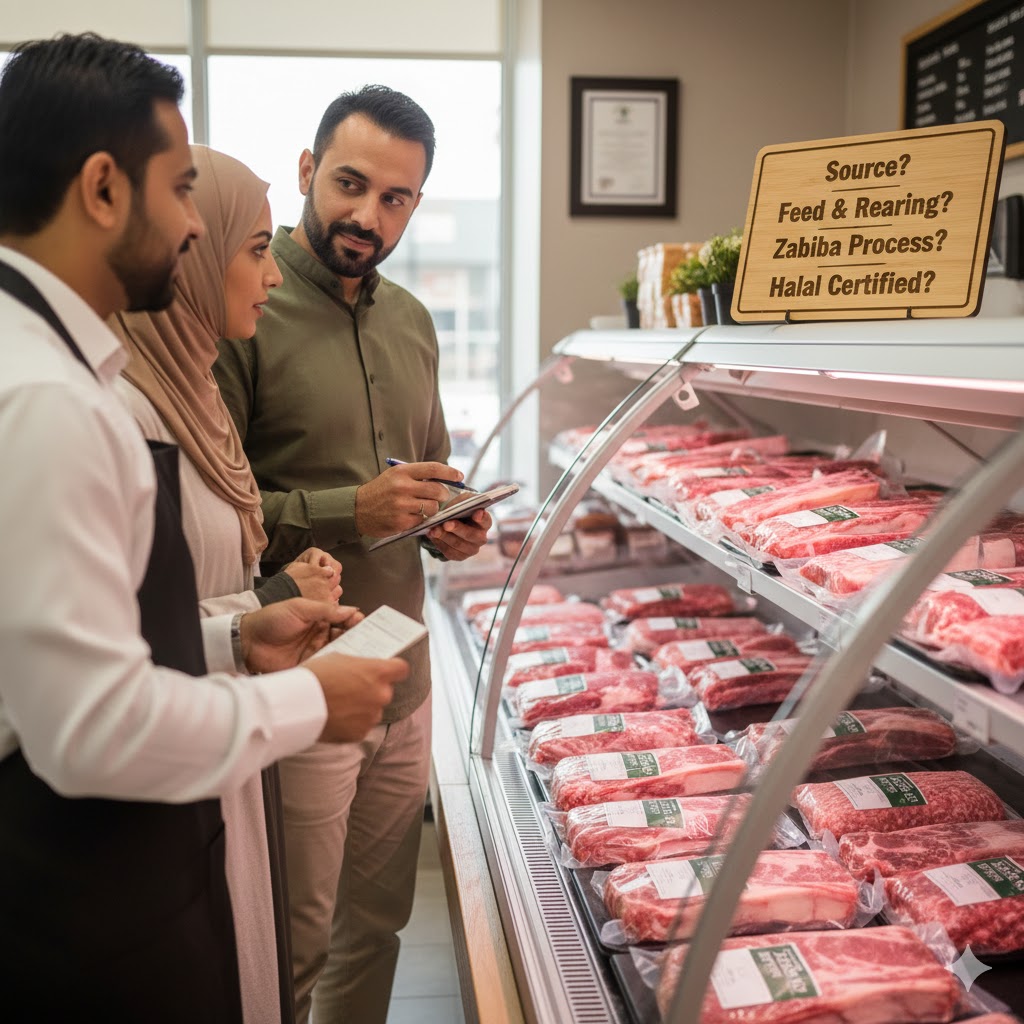
This guide outlines the most important questions every consumer should consider before buying Zabiha meat, helping you make informed and confident choices.
1. Is the Meat Certified Zabiha?
Certification is one of the most important factors in ensuring that meat is truly Zabiha:
-
Ask for Halal Certification: Reputable suppliers provide certification from recognized halal authorities such as IFANCA, HFA, HMC, JAKIM, or MUIS.
-
Check the Certification Validity: Ensure the certificate is current and verifiable, not expired or fabricated.
-
Understand the Standards: Certification guarantees that the animal was slaughtered by a qualified Muslim, invoked Allah’s name, and handled hygienically.
By confirming certification, you protect yourself from inadvertently buying meat that is non-compliant with Islamic law.
2. What Type of Animal and Cut Are Being Offered?
Knowing exactly what you are buying is essential for taste, nutrition, and budgeting:
-
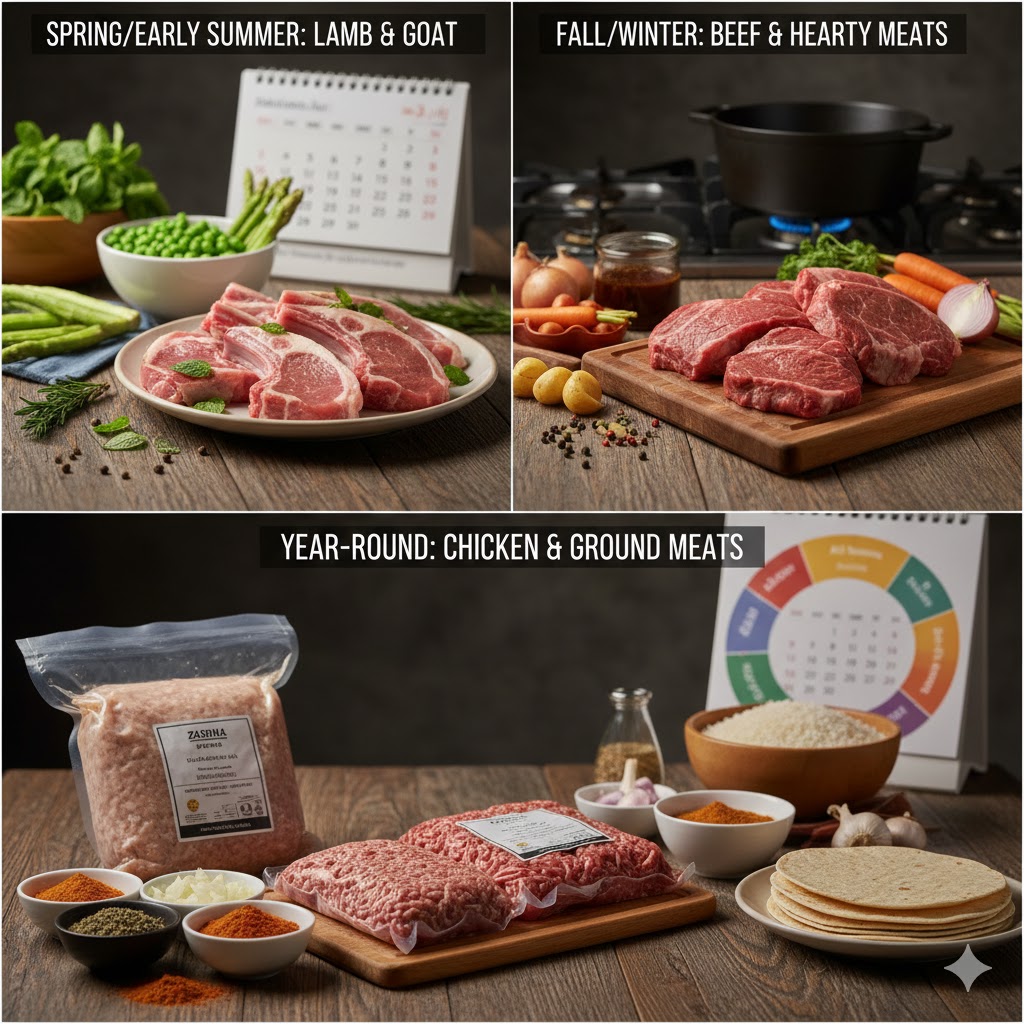
Type of Animal: Is it cow, goat, lamb, or chicken? Each has distinct flavor, fat content, and cooking uses.
-
Age and Size: Younger animals often provide tender meat, while older animals may be tougher but flavorful for stews or curries.
-
Specific Cuts: Ask if you are getting boneless, bone-in, or special cuts. Some cuts are ideal for grilling, while others are best for slow-cooking.
Being clear about type and cut helps you plan meals and avoid surprises when preparing dishes.
3. How Was the Animal Raised?
Animal welfare and feeding practices have a direct impact on taste, tenderness, and nutritional value:
-
Diet: Was the animal grass-fed, grain-fed, or organically raised? Diet affects flavor and fat composition.
-
Living Conditions: Ask whether the animals were free-range, stress-free, and healthy before slaughter.
-
Ethical Practices: Ethical treatment is part of Zabiha’s requirements. Animals should be handled calmly and humanely.
Higher welfare standards generally result in better tasting and more nutritious meat.
4. How Was the Slaughter Performed?
Proper Zabiha slaughter ensures meat is halal and safe to eat:
-
Qualified Slaughterer: Was the animal slaughtered by a Muslim trained in Zabiha methods?
-
Invocation of Allah’s Name: Was “Bismillah” pronounced at the time of slaughter?
-
Blood Drainage: Proper Zabiha requires complete blood drainage to maintain purity and safety.
Confirming these details ensures that the meat is religiously compliant and hygienic.
5. What Are the Storage and Handling Practices?
Handling and storage play a crucial role in meat quality:
-
Refrigeration/Freezing: Was the meat stored at the correct temperature throughout? Improper storage can compromise freshness and safety.
-
Packaging: Vacuum-sealed or hygienically packaged meat preserves nutrients and flavor.
-
Transport: If buying online, ask about shipping methods—especially for perishable cuts.
Good handling practices guarantee that your Zabiha meat remains fresh, safe, and nutritious.
6. What Is the Price, and Is It Transparent?
Price often reflects quality, but transparency is key:
-
Understand What’s Included: Are bones, organs, or trimming included in the price?
-
Compare Local Suppliers: Prices can vary, so comparison helps you avoid overpaying.
-
Check Seasonal Changes: Prices can rise during Eid or peak demand periods, so planning ahead is beneficial.
A clear understanding of price ensures you get value without compromising quality or ethics.
7. Can You Verify the Source?
Knowing the source of your meat builds trust:
-
Local Farms vs. Importers: Ask if the meat comes from local certified farms or imported suppliers.
-
Traceability: Some suppliers provide farm details or QR codes showing the animal’s origin.
-
Supplier Reputation: Check reviews or ask for references to verify reliability.
Being able to trace meat back to its source ensures authenticity and accountability.
8. Is the Meat Suitable for Your Intended Use?
Different dishes and cooking methods require specific cuts or types:
-
Stews vs. Grills: Bone-in lamb or goat may suit slow-cooking, while boneless cuts are ideal for stir-fry or grilling.
-
Portion Size: Ask if the portions are customizable for family meals or large gatherings.
-
Special Requirements: Some households may prefer low-fat, lean cuts for health reasons.
Clarifying your needs prevents waste and ensures flavorful results in your recipes.
9. Are There Delivery or Convenience Options?
Modern consumers benefit from flexible services:
-
Home Delivery: Many suppliers now offer refrigerated delivery to ensure freshness.
-
Online Ordering: Check whether orders can be placed ahead of time for festivals like Eid.
-
Packaging Options: Options like individually wrapped portions or bulk packs can simplify storage and meal prep.
Convenience can enhance your experience without compromising quality or authenticity.
10. Can the Supplier Provide References or Guarantees?
Reputable suppliers will stand behind their product:
-
Quality Guarantee: Some offer refunds or replacements if the meat does not meet Zabiha standards.
-
Customer References: Ask for testimonials or reviews from other customers.
-
Certification Proof: Always verify halal certificates if not displayed publicly.
Trustworthy suppliers help ensure that your purchase aligns with religious, ethical, and health standards.
Conclusion
Buying Zabiha meat involves more than price—it requires attention to religious compliance, ethical sourcing, freshness, and suitability for cooking. The most important questions to ask include:
-
Is the meat certified Zabiha?
-
What type of animal and cuts are offered?
-
How was the animal raised?
-
How was the slaughter performed?
-
What are the storage and handling practices?
-
Is the price clear and reasonable?
-
Can you verify the source?
-
Is the meat suitable for your cooking needs?
-
Are delivery or convenience options available?
-
Can the supplier provide guarantees or references?
By asking these questions, you ensure that your meat is authentic, ethically sourced, fresh, and suitable for your family or community needs. In 2026, informed consumers can enjoy high-quality Zabiha meat that satisfies both spiritual and culinary requirements.