How to Preserve Zabiha Meat Nutrients

Zabiha meat is not only a source of halal protein but also a rich source of essential nutrients such as iron, zinc, B vitamins, and high-quality protein. However, improper handling, storage, or cooking methods can reduce its nutritional value. Preserving the nutrients in Zabiha meat ensures you maximize both health benefits and flavor while adhering to ethical and religious standards.
This guide explores practical ways to handle, store, and cook Zabiha meat while retaining its nutritional integrity.
1. Choose Fresh, High-Quality Zabiha Meat
The foundation of nutrient preservation starts at the source:
-
Certified Zabiha: Ensure the meat is slaughtered according to Islamic guidelines and properly handled.
-
Freshness matters: Fresher meat retains more vitamins and minerals compared to meat stored for long periods.
-
Ethically raised animals: Animals raised on natural feed without hormones or antibiotics tend to have better nutrient profiles.
By selecting high-quality Zabiha meat, you are starting with the best possible nutrient base.
2. Store Meat Properly
Storage plays a crucial role in nutrient retention:
Refrigeration
-
Keep raw meat at 4°C (39°F) or below.
-
Consume refrigerated meat within 1–2 days to maintain nutrients.
Freezing
-
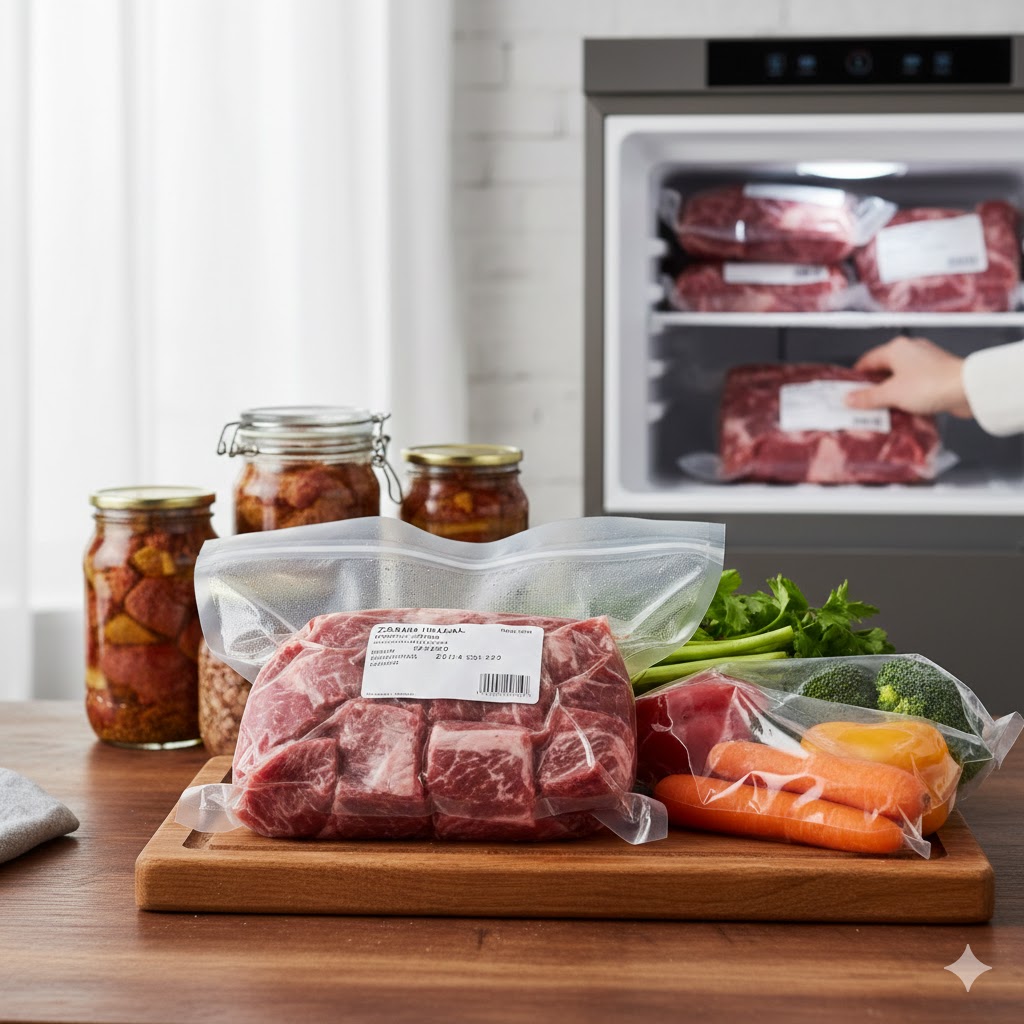
Freeze meat at −18°C (0°F) or lower to preserve vitamins and proteins.
-
Vacuum-sealing helps prevent freezer burn and nutrient loss.
-
Label packages with date and cut type for easy rotation.
Thawing
-
Thaw meat in the refrigerator or under cold running water, never at room temperature.
-
Avoid microwaving frozen meat directly, as uneven heating can reduce nutrient quality and affect texture.
Proper storage ensures that Zabiha meat maintains its minerals, protein integrity, and flavor until cooking.
3. Use Gentle Cooking Methods
Cooking affects nutrient retention, so choose methods that preserve vitamins and minerals:
Boiling or Simmering
-
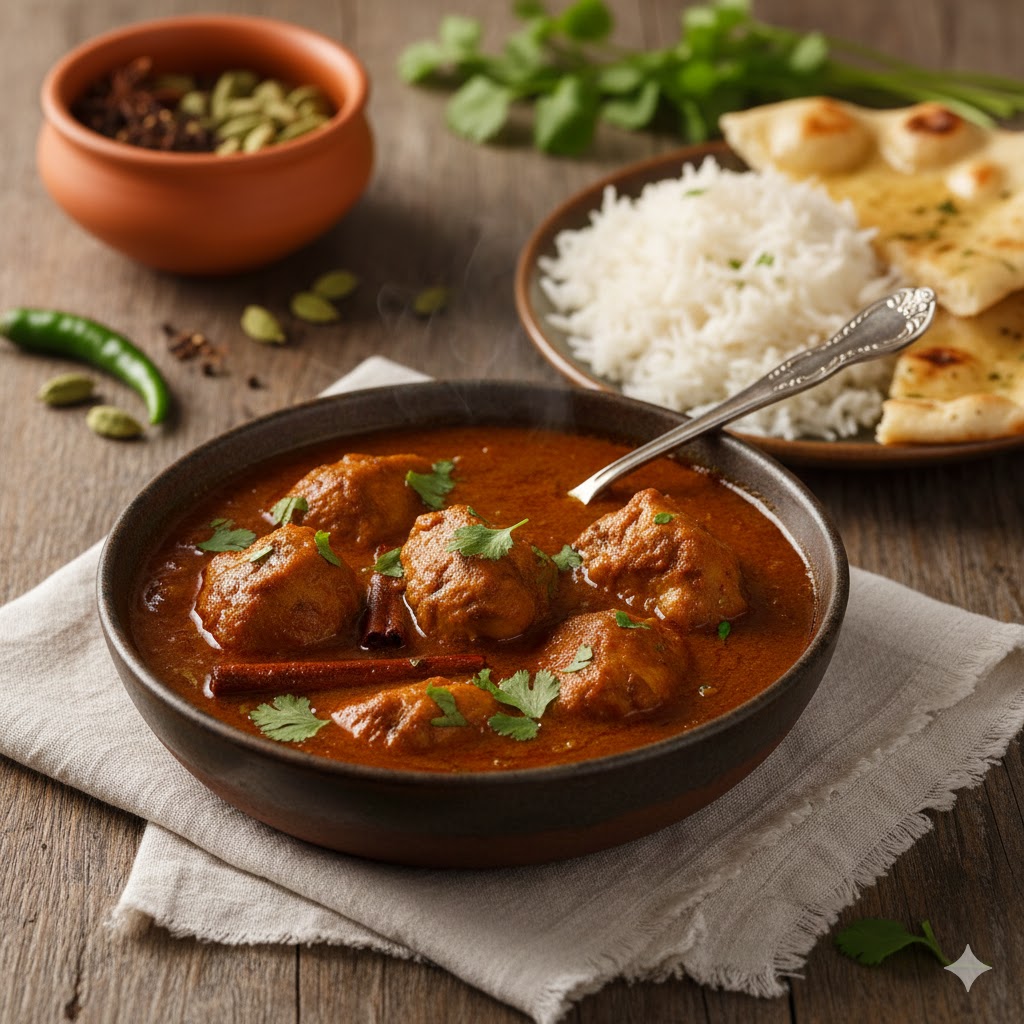
Slow cooking in liquid (soups or stews) retains water-soluble vitamins like B-complex and ensures minerals stay in the broth.
Steaming
-
Steaming meat helps maintain moisture and nutrients without requiring excessive heat.
Sous-Vide Cooking
-
Cooking meat at controlled low temperatures preserves protein structure, B vitamins, and iron content.
Avoid Overcooking
-
High heat or prolonged cooking can break down amino acids, reduce vitamin content, and make meat tough.
-
For chicken, cook to 165°F (74°C) internal temperature; for beef or lamb, 145–160°F (63–71°C) depending on preference.
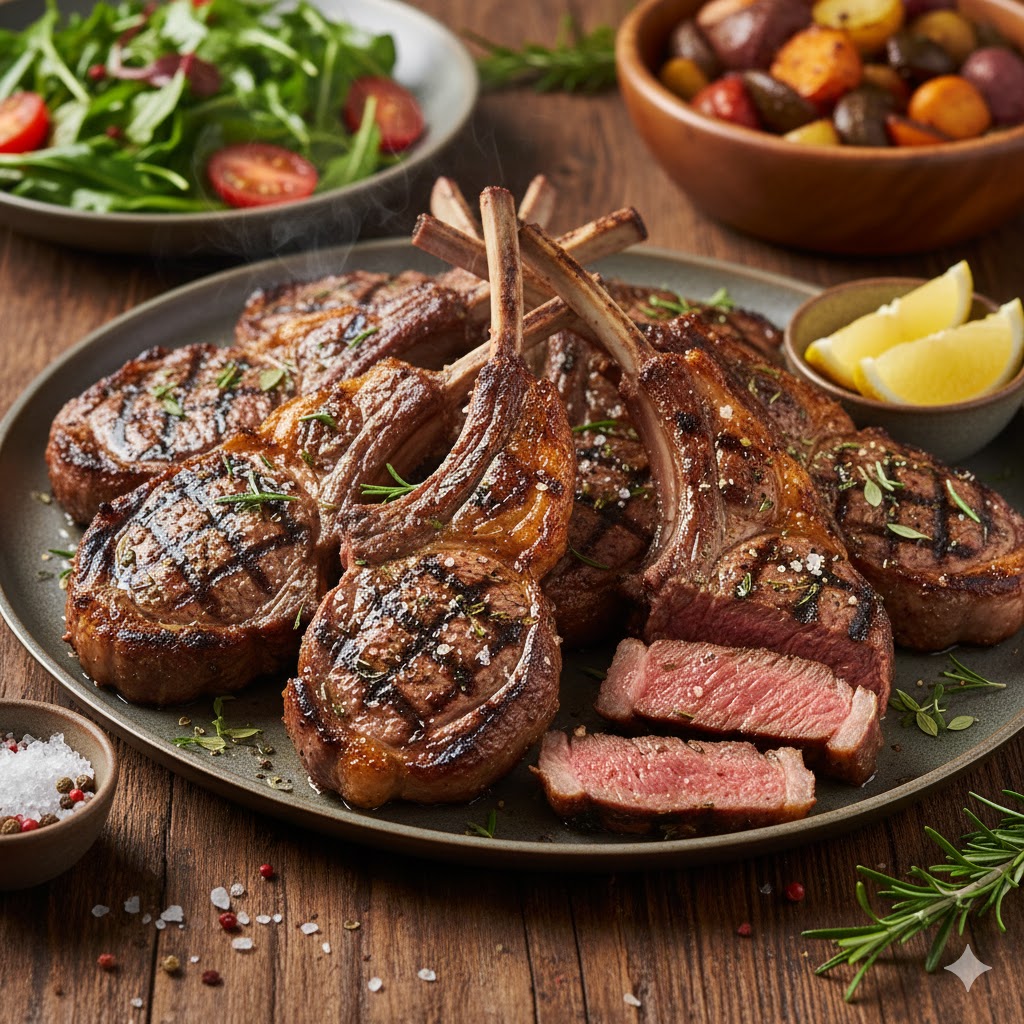
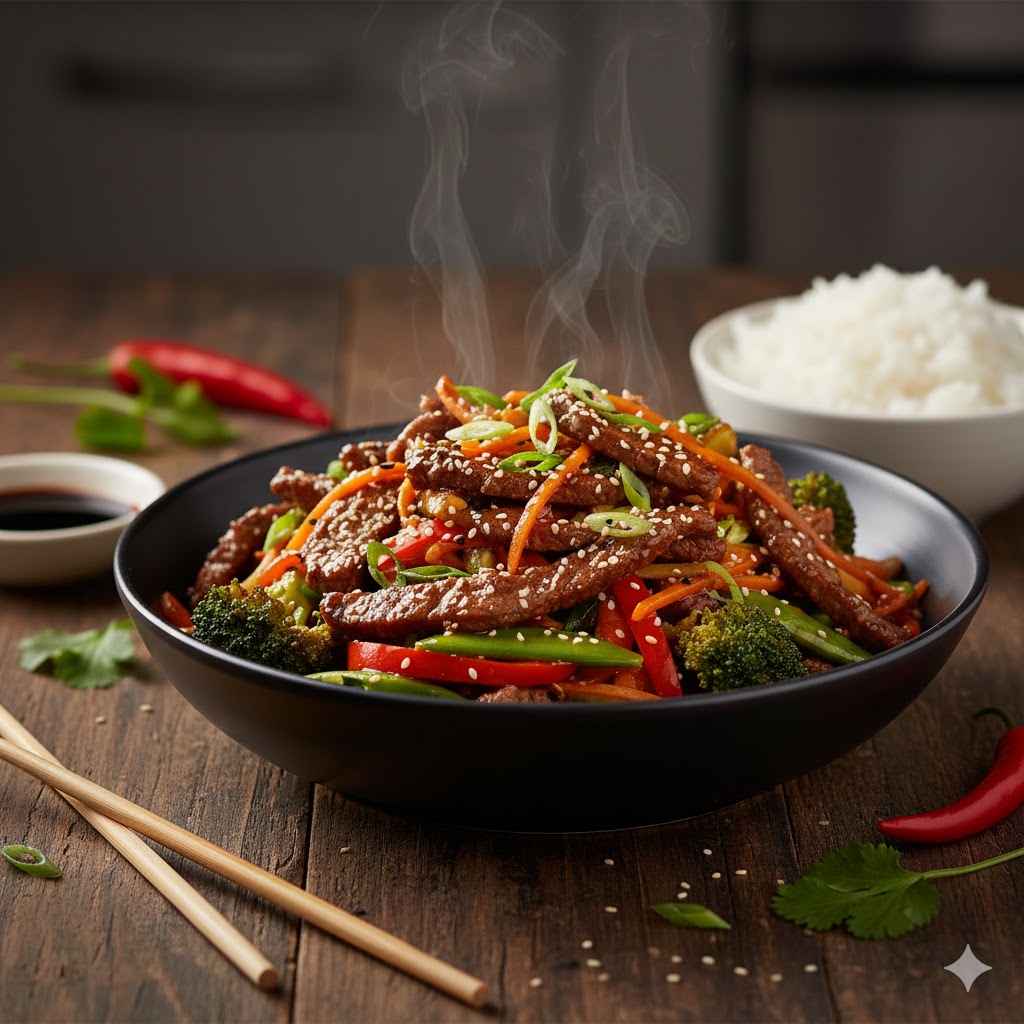
Gentle cooking ensures Zabiha meat stays tender, flavorful, and nutritionally rich.
4. Minimize Nutrient Loss During Preparation
Small steps during prep can make a big difference:
-
Avoid excessive trimming: Many nutrients are close to the fat and connective tissue; trim only what is necessary.
-
Cut after cooking when possible: Smaller cuts can lead to more nutrient loss during cooking.
-
Marinate wisely: Acidic marinades with lemon or yogurt can preserve protein quality and enhance mineral absorption.
Proper prep maximizes both nutrition and taste.
5. Pair Meat with Nutrient-Enhancing Foods
Combining Zabiha meat with other ingredients improves nutrient absorption:
-
Vitamin C-rich foods (tomatoes, peppers, citrus) increase iron absorption from red meat.
-
Whole grains and legumes complement amino acids, enhancing protein quality.
-
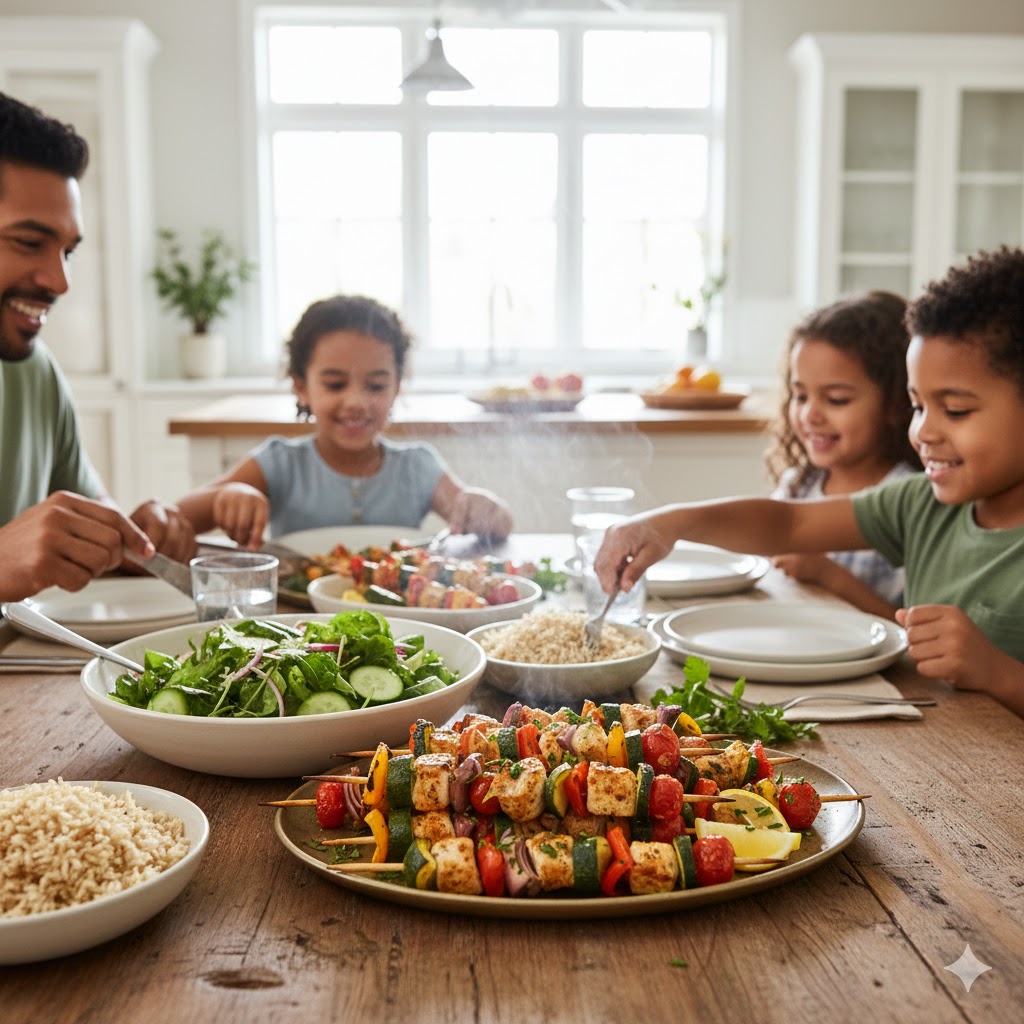
Healthy fats (olive oil, avocado) aid in absorbing fat-soluble vitamins.
Balanced meals preserve the full spectrum of nutrients while supporting overall health.
6. Avoid Practices That Reduce Nutrients
Some common practices can reduce the nutritional value of Zabiha meat:
-
Microwaving without covering: Causes moisture and vitamin loss.
-
High-temperature frying: Can oxidize fat and destroy heat-sensitive vitamins.
-
Reheating multiple times: Each reheating cycle reduces nutrient density.
-
Excessive water in cooking: Leaching of minerals and water-soluble vitamins if not consumed in broth.
Being mindful of these pitfalls ensures your meat retains maximum health benefits.
7. Storage of Leftovers
Proper handling of leftovers preserves nutrients and prevents spoilage:
-
Refrigerate promptly: Within two hours of cooking.
-
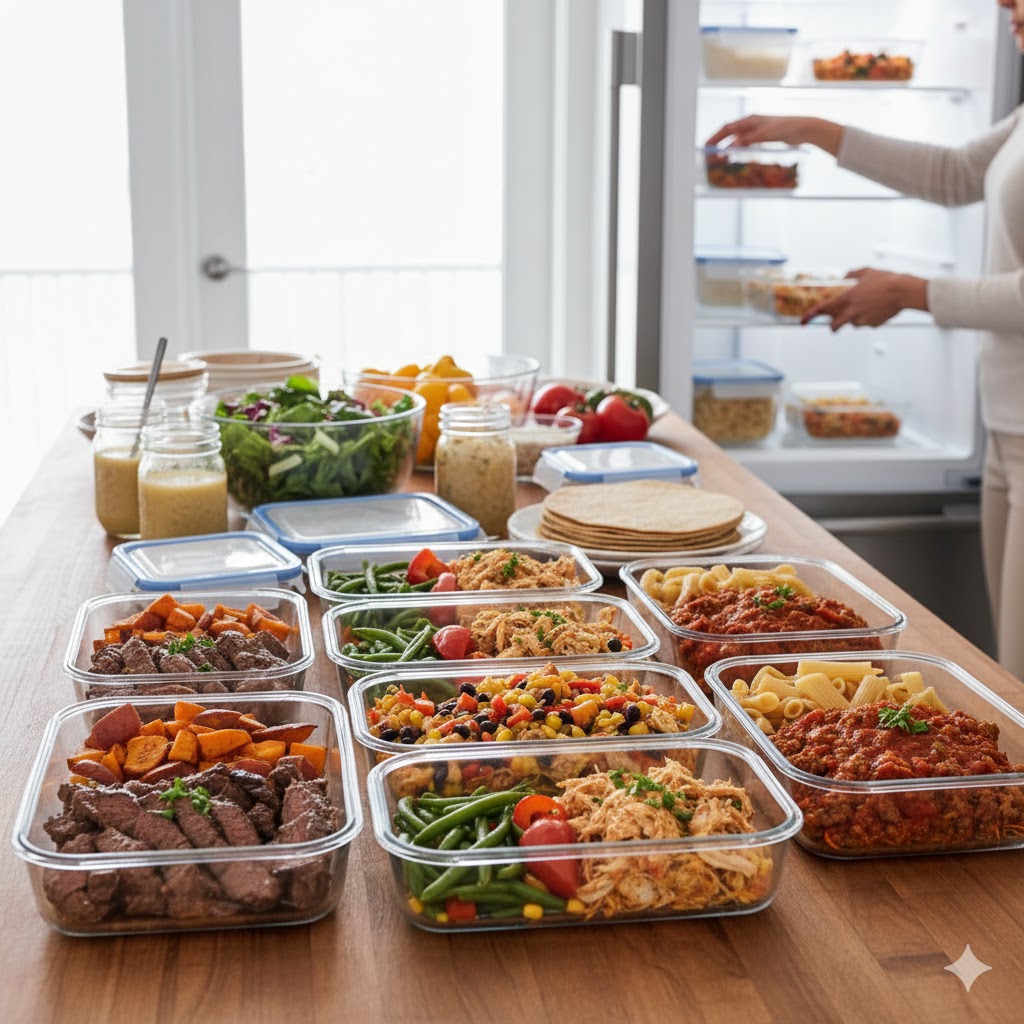
Store in airtight containers: Prevents exposure to air and moisture.
-
Use within 3–4 days in the fridge or 2–3 months if frozen.
-
Reheat gently: Prefer oven, steaming, or low-temperature stovetop heating.
Proper leftover management keeps Zabiha meat safe and nutritionally intact.
8. Plan Your Meals Around Nutrient Preservation
-
Use slow-cooked stews and soups early in the week.
-
Incorporate fresh vegetables and whole grains alongside Zabiha meat.
-
Pre-portion meals and store them properly for reheating without overcooking.
-
Rotate meats (chicken, lamb, beef) to maintain a varied nutrient intake.
Meal planning ensures that you maximize both health benefits and culinary enjoyment.
Conclusion
Preserving nutrients in Zabiha meat requires attention from purchase to preparation. By selecting fresh, certified meat, storing it correctly, cooking gently, and pairing it with complementary foods, you can enjoy high-quality, flavorful meals that retain their vitamins, minerals, and proteins.
Whether for everyday meals or special occasions, these practices ensure that every plate of Zabiha meat is not only halal and ethical but also nutritionally optimal, supporting your family’s health and well-being while respecting Islamic traditions.