Zabiha Meat Stew: Step by Step

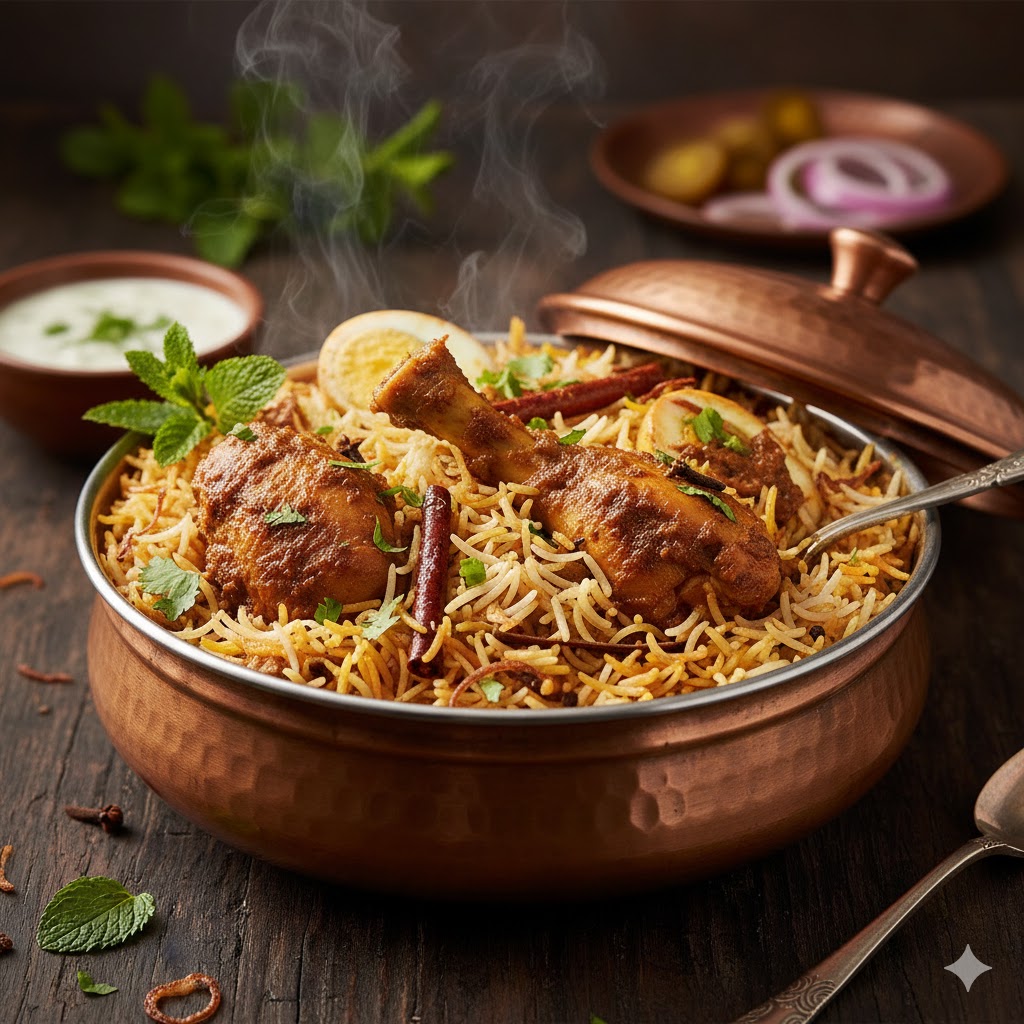
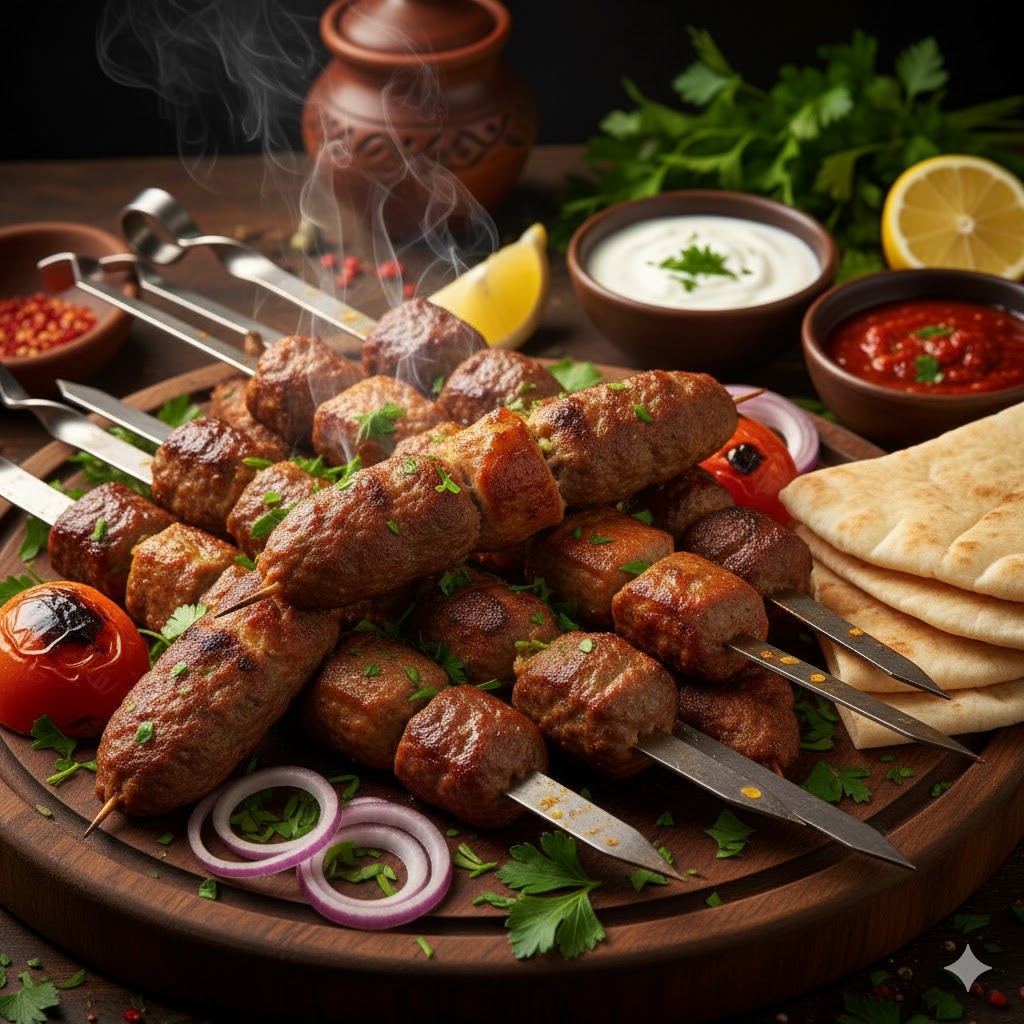
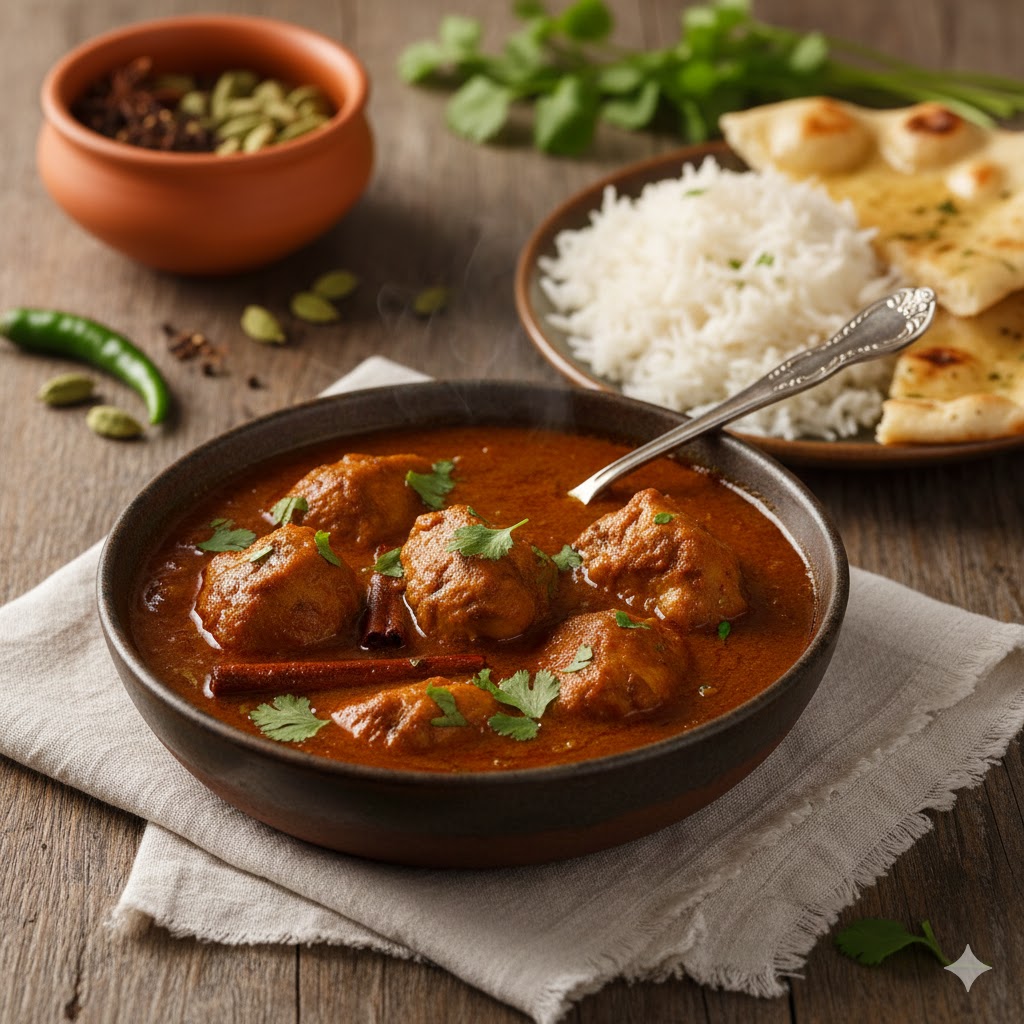
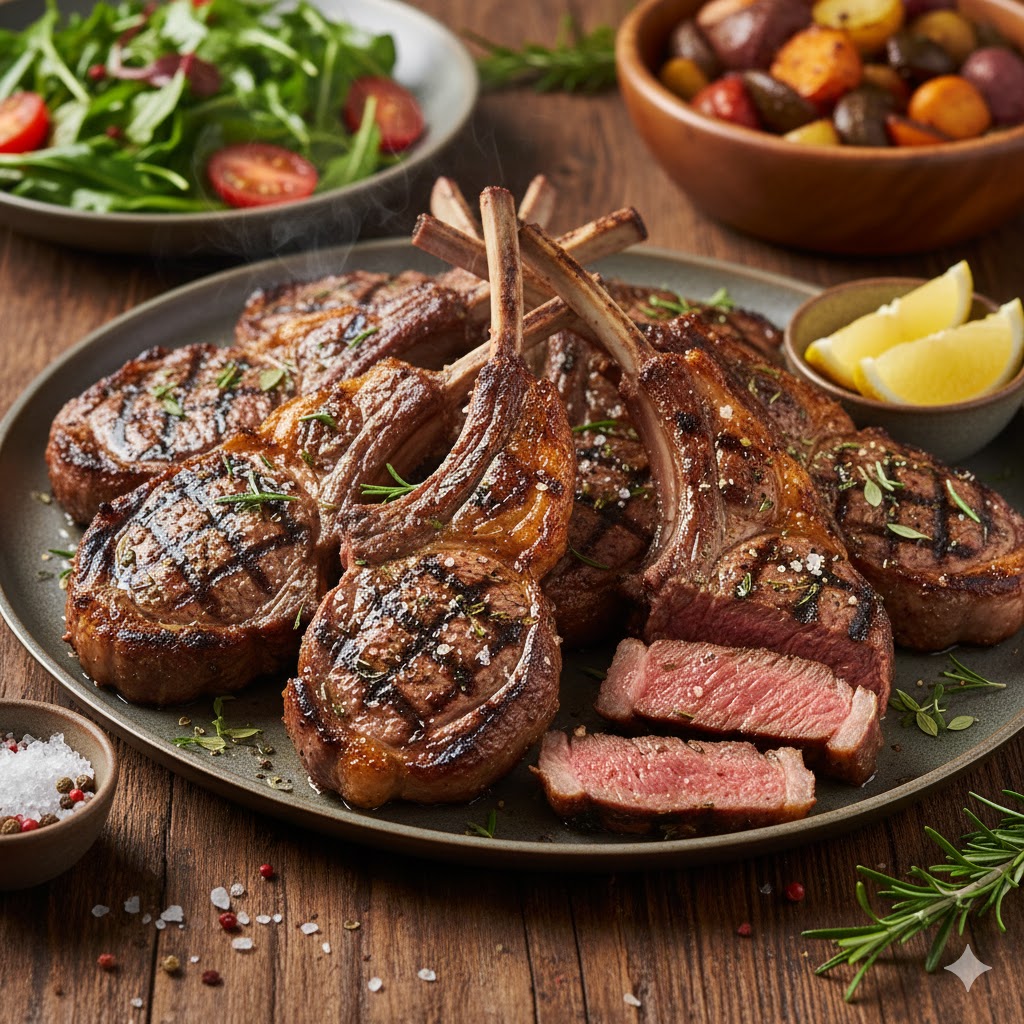
Zabiha meat stew is a hearty, flavorful dish that combines the richness of halal meat with vegetables and aromatic spices. Perfect for family meals, festive gatherings, or warming dinners, this stew highlights the nutritional and culinary benefits of Zabiha meat while remaining easy to prepare. Using high-quality, certified Zabiha meat ensures both ethical adherence and exceptional taste.
Here’s a detailed, step-by-step guide to making a delicious Zabiha meat stew.
1. Selecting the Right Zabiha Meat
Choosing the appropriate cut of meat is key to a tender and flavorful stew:
-
Beef: Chuck, shoulder, or stewing beef are ideal for slow cooking.
-
Lamb or Goat: Shoulder and leg cuts work well; they provide natural flavor and remain tender.
-
Chicken: Use bone-in thighs or drumsticks for richer flavor and better nutrient retention.
Always purchase fresh, certified Zabiha meat from trusted sources to ensure authenticity and quality.
2. Gather Your Ingredients
For a classic Zabiha meat stew, you’ll need:
Main Ingredients:
-
1 kg Zabiha meat (beef, lamb, or goat)
-
2 tablespoons vegetable oil or ghee
-
2 large onions, chopped
-
3–4 garlic cloves, minced
-
1-inch piece of ginger, grated
-
3 carrots, diced
-
2 potatoes, diced
-
1–2 stalks celery, chopped
-
2 tomatoes, chopped
-
4 cups low-sodium broth or water
Spices and Seasoning:
-
1 teaspoon cumin
-
1 teaspoon coriander
-
1 teaspoon paprika
-
½ teaspoon turmeric
-
½ teaspoon black pepper
-
Salt to taste
-
Fresh herbs: cilantro, parsley, or thyme
Optional: Bay leaf, cinnamon stick, or chili flakes for added aroma and warmth.
3. Preparing the Meat
Proper preparation ensures tenderness and flavor:
-
Trim excess fat from the meat to reduce greasiness.
-
Cut meat into bite-sized chunks for even cooking.
-
Optionally, marinate meat for 1–2 hours with yogurt, garlic, ginger, and spices. This step tenderizes meat and deepens flavor.
Marinating is especially helpful for tougher cuts like beef chuck or goat shoulder.
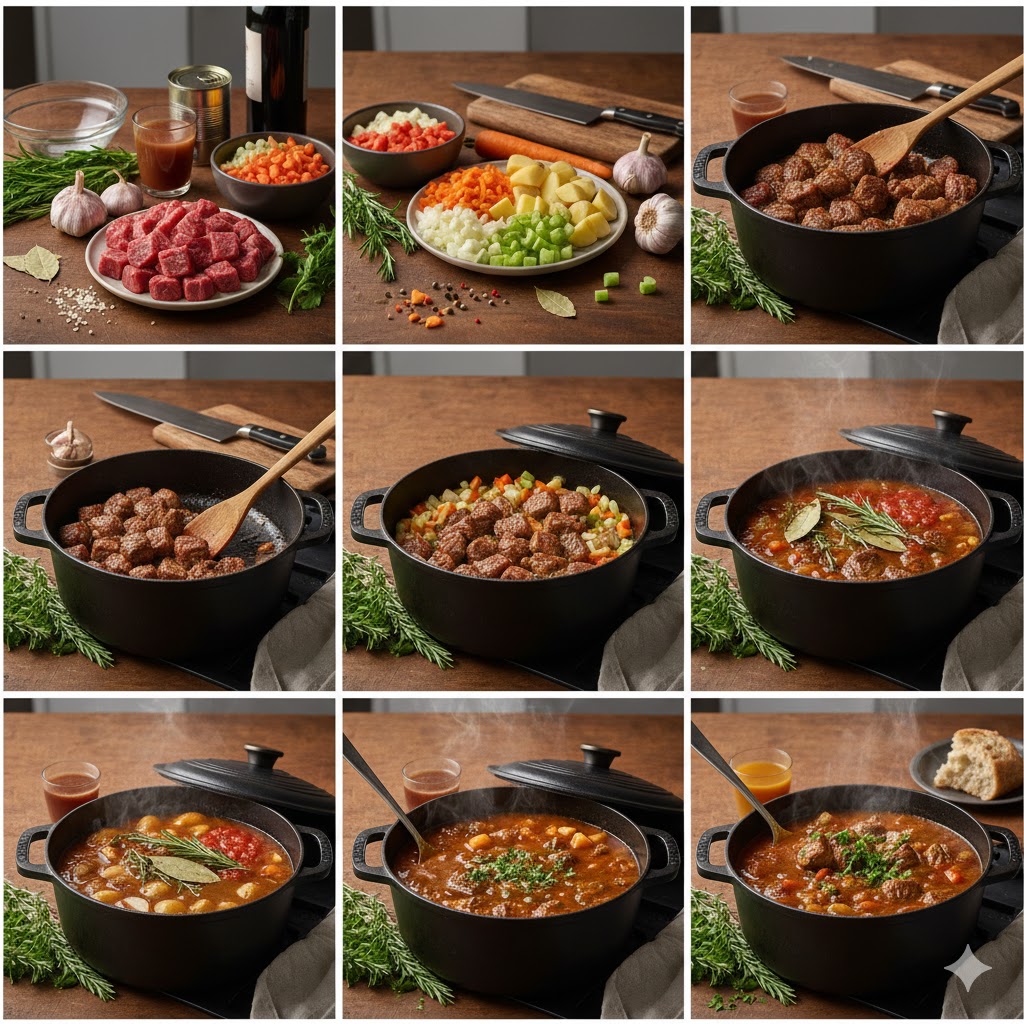
4. Browning the Meat
Browning adds depth to the stew:
-
Heat oil or ghee in a heavy-bottomed pot over medium-high heat.
-
Add meat chunks in batches, avoiding overcrowding.
-
Sear until all sides are browned — this locks in juices and creates rich flavor.
-
Remove meat and set aside while you sauté the aromatics.
Browning is a crucial step that enhances both taste and color of the stew.
5. Sautéing Aromatics
The flavor base of any stew starts with aromatics:
-
In the same pot, add chopped onions and cook until golden.
-
Stir in garlic and ginger; cook for 1–2 minutes until fragrant.
-
Add spices (cumin, coriander, paprika, turmeric, black pepper) and stir to release their aroma.
This step infuses the stew with layered, aromatic flavors.
6. Building the Stew
Now it’s time to combine meat and vegetables:
-
Return browned meat to the pot.
-
Add chopped carrots, potatoes, celery, and tomatoes.
-
Pour in broth or water until ingredients are just covered.
-
Add optional bay leaf, cinnamon stick, or herbs for extra flavor.
Bring the stew to a boil, then reduce heat to a simmer.
7. Slow Cooking for Tenderness
Simmering is key to tender Zabiha meat:
-
Cover the pot and cook over low heat for 1.5–2 hours for beef or lamb, or 45–60 minutes for chicken.
-
Stir occasionally to prevent sticking and ensure even cooking.
-
Check the liquid level; add more water or broth if necessary.
Slow cooking allows flavors to meld beautifully while breaking down connective tissue for soft, succulent meat.
8. Final Seasoning and Garnish
Before serving:
-
Taste the stew and adjust salt and pepper as needed.
-
Sprinkle chopped fresh herbs like parsley, cilantro, or thyme for freshness.
-
Optionally, add a squeeze of lemon for brightness.
The finishing touches elevate both flavor and presentation.
9. Serving Suggestions
Zabiha meat stew is versatile and pairs well with:
-
Rice or couscous: Absorbs the flavorful broth.
-
Bread: Naan, roti, or crusty bread for dipping.
-
Vegetable sides: Steamed greens or a fresh salad for a balanced meal.
Stew can also be made in bulk and frozen for later meals, making it convenient for busy households.
10. Health and Safety Tips
-
Use fresh, certified Zabiha meat from trusted sources.
-
Cook meat to safe internal temperatures (chicken 165°F, beef/lamb 145–160°F).
-
Avoid cross-contamination by using separate utensils and cutting boards for raw meat.
-
Refrigerate leftovers within 2 hours and consume within 3–4 days or freeze for longer storage.
Following these tips ensures a safe, nutritious, and flavorful meal.
Conclusion
Zabiha meat stew is a wholesome dish that brings warmth, nutrition, and flavor to any table. By carefully selecting cuts, using aromatic spices, slow cooking, and pairing with healthy sides, you can create a stew that is both tender and delicious.
Whether for daily family meals or festive occasions, a well-prepared Zabiha meat stew highlights the richness of halal meat while remaining nutritionally balanced and deeply satisfying. This classic recipe is a celebration of taste, tradition, and ethical food choices, perfect for anyone seeking a hearty and wholesome meal.