Zabiha vs. Conventional Meat: A Nutritional Comparison

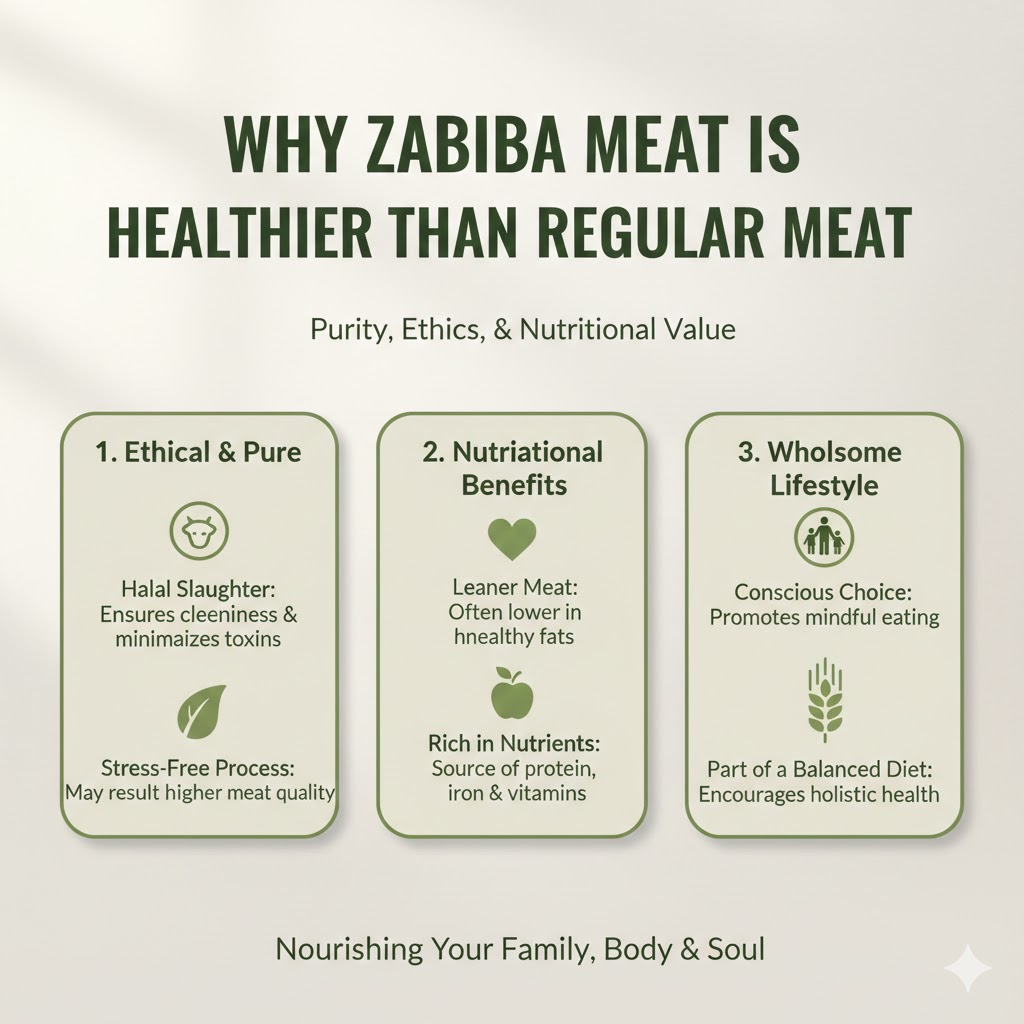
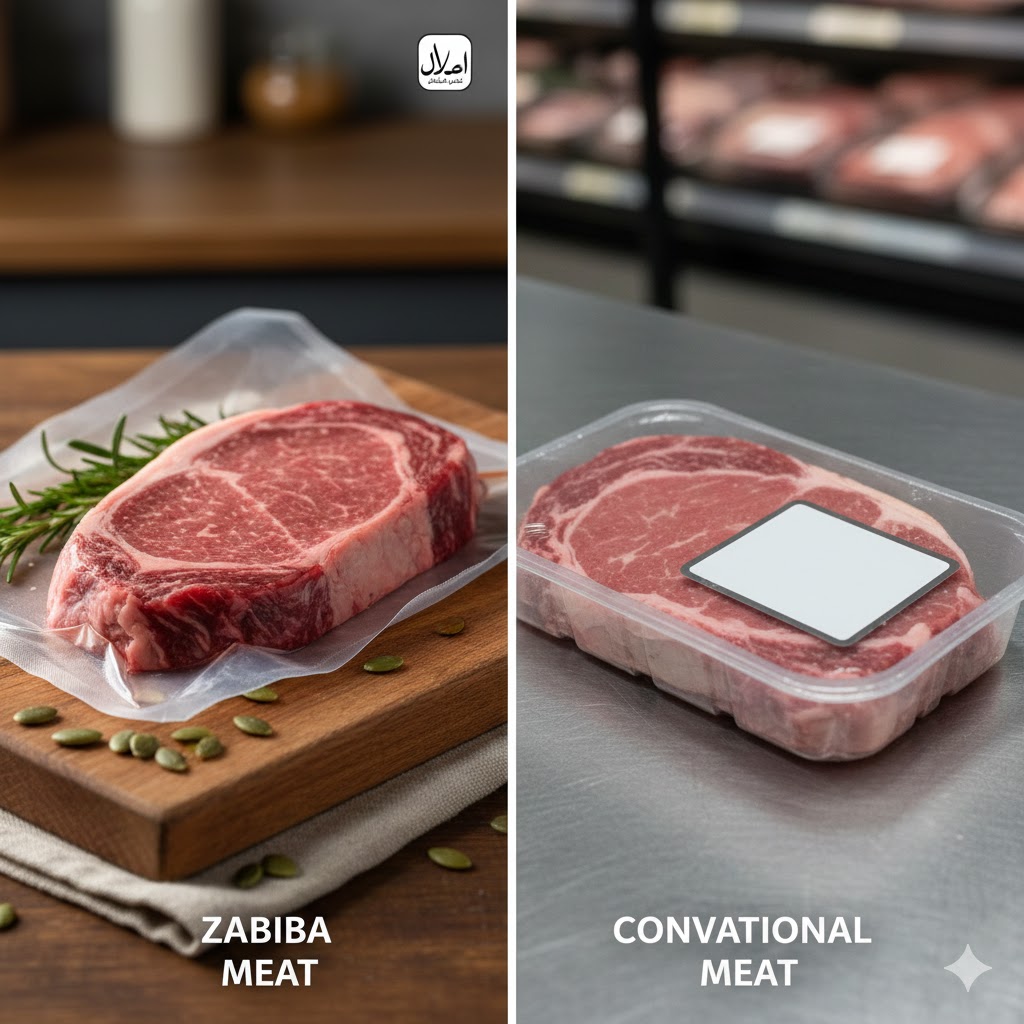
When choosing meat for your family, understanding the differences between Zabiha meat and conventional meat is essential. Zabiha meat is prepared according to halal principles, emphasizing ethical animal treatment, cleanliness, and humane slaughter, while conventional meat often comes from industrially raised animals. Beyond religious and ethical considerations, Zabiha meat offers distinct nutritional advantages that impact health, digestion, and overall wellness.
This guide explores a comprehensive nutritional comparison between Zabiha meat and conventional meat, highlighting why Zabiha is often the healthier choice.
1. Ethical Slaughter and Its Nutritional Impact
The Zabiha method involves:
-
A swift and precise cut to the throat, draining blood efficiently.
-
Ensuring animals are healthy and conscious before slaughter.
-
Hygienic handling, minimizing contamination.
Nutritional significance:
-
Lower stress in animals reduces cortisol and stress hormones in the meat.
-
Proper blood drainage results in leaner meat with less saturated fat and better preservation of nutrients.
Conventional meat may involve less careful handling or delayed processing, which can affect freshness, fat composition, and protein quality.
2. Fat Content Comparison
Fat content is a major factor influencing the healthfulness of meat:
-
Zabiha meat: Typically leaner due to ethical raising methods and proper slaughter. Fat is natural, often with higher ratios of unsaturated fats, particularly in grass-fed lamb or free-range chicken.
-
Conventional meat: Industrially raised animals often have higher saturated fat content, sometimes due to grain-heavy diets or additives.
Health implications:
-
Lower saturated fat in Zabiha meat supports heart health and digestion.
-
Moderate unsaturated fats improve cholesterol balance and provide essential fatty acids.
Lean Zabiha cuts are ideal for families aiming for a nutrient-rich, low-fat diet.
3. Protein Quality and Digestibility
Zabiha meat is rich in high-quality protein, which is essential for:
-
Muscle development and repair
-
Immune system support
-
Growth and energy in children and adults
Protein in Zabiha meat is easier to digest because of:
-
Lean cuts with minimal fat
-
Gentle handling and freshness that preserve natural enzymes
-
Appropriate cooking methods such as steaming, baking, or slow cooking
Conventional meat, especially highly processed cuts, may contain preservatives or excess fat that slows digestion and reduces nutrient bioavailability.
4. Vitamins and Minerals
Zabiha meat tends to retain higher levels of essential nutrients due to ethical rearing and minimal processing:
-
Iron: Critical for preventing anemia and supporting cognitive function.
-
Zinc: Boosts immunity, growth, and wound healing.
-
B vitamins: Support energy metabolism and nervous system health.
-
Fat-soluble vitamins (A, D, E, K): Better preserved in meat with moderate fat content.
Conventional meat may undergo longer storage, freezing, or chemical treatment, which can slightly reduce vitamin levels and affect flavor.
5. Fatty Acid Profile
The type of feed and lifestyle of the animal influences fat composition:
-
Zabiha meat: Grass-fed or free-range animals have higher omega-3 fatty acids, which are beneficial for heart, brain, and joint health.
-
Conventional meat: Grain-fed, confined animals often have higher omega-6 fatty acids and saturated fats, which, in excess, can promote inflammation.
This difference makes Zabiha meat more supportive of a balanced diet and anti-inflammatory nutrition.
6. Hygiene and Safety
Zabiha meat emphasizes clean, hygienic handling:
-
Complete blood drainage reduces bacterial contamination.
-
Minimal chemical processing reduces exposure to preservatives, additives, and antibiotics.
Conventional meat, particularly mass-produced options, may contain residues or preservatives, which can slightly increase the digestive burden or long-term health risks.
7. Digestive Benefits
Zabiha meat is generally easier to digest due to:
-
Leaner cuts and balanced fat content
-
Minimal processing and fresher supply
-
Proper preparation and cooking methods
This makes it suitable for children, elderly family members, and anyone with sensitive digestion. Conventional meat with high fat or preservatives may be heavier on the stomach, especially for slow-metabolizing individuals.
8. Taste and Cooking Flexibility
While nutrition is primary, taste also matters:
-
Zabiha meat is naturally tender and flavorful, often requiring minimal oil or heavy sauces.
-
Conventional meat may require additional fat or seasoning to enhance flavor, which can increase calorie content.
Using healthy cooking methods like baking, steaming, or grilling preserves both taste and nutrients.
Conclusion
Zabiha meat offers multiple advantages over conventional meat:
-
Lean and nutrient-dense, with lower saturated fat and higher unsaturated fat content
-
Easier to digest and better absorbed by the body
-
Richer in essential vitamins and minerals, particularly iron, zinc, and B vitamins
-
Ethically sourced, supporting humane treatment of animals and promoting mindful eating
-
Safer and fresher, with minimal preservatives or additives
Incorporating Zabiha meat into family meals supports balanced nutrition, ethical consumption, and digestive comfort, making it a superior choice for those who value both health and conscience.