Top Zabiha Certification Bodies Around the World

Zabiha meat is central to Islamic dietary laws, ensuring that animals are slaughtered ethically, blood is drained properly, and the name of Allah is invoked. For Muslims, buying Zabiha meat is not just about nutrition—it’s about faith, ethics, and compliance with halal standards. In today’s global market, where meat is traded and sold internationally, certification plays a crucial role in verifying that meat labeled as Zabiha is genuinely compliant with Islamic law.
This guide explores the top Zabiha certification bodies worldwide, their roles, and why their oversight is essential for consumers, families, and businesses.
1. What Is Zabiha Certification?
Zabiha certification is a process through which a halal authority or organization verifies that meat complies with Islamic guidelines:
-
The certification body ensures that the slaughterer is qualified, the animal is healthy, and proper blood drainage is performed.
-
It also verifies ethical handling, hygiene, and storage practices throughout the supply chain.
-
Certification provides consumer confidence, especially in international markets or online purchases.
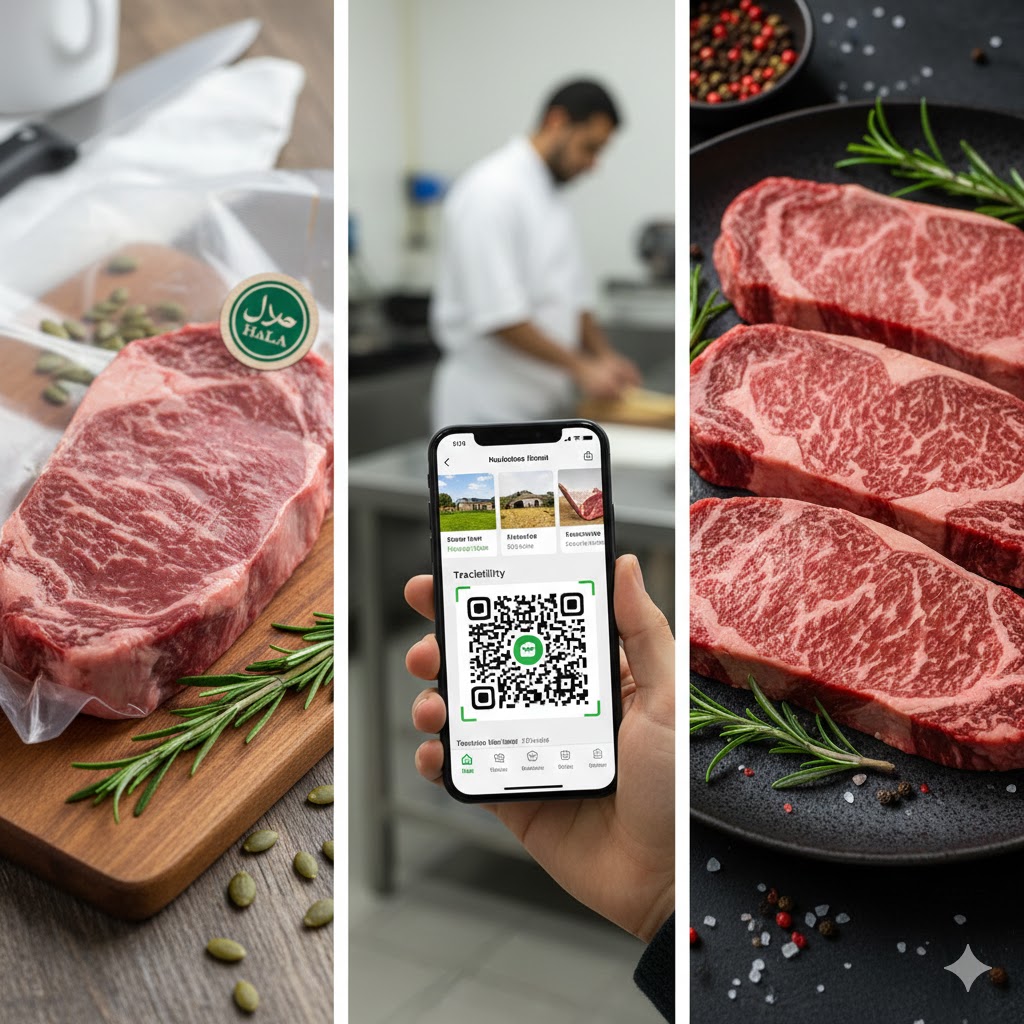
Certified Zabiha meat comes with labels or certificates confirming that the meat has met strict religious and ethical standards.
2. IFANCA (Islamic Food and Nutrition Council of America)
-
Region: North America
-
Overview: IFANCA is one of the most recognized halal certification bodies in the United States.
-
Role: It certifies meat, poultry, and food products to ensure they are 100% halal and Zabiha-compliant.
-
Process: IFANCA inspectors visit slaughterhouses and processing facilities to monitor hygiene, slaughter techniques, and compliance.
-
Global Reach: Their certification is trusted by Muslim communities across the U.S. and abroad.
IFANCA is particularly noted for its rigorous auditing process and transparent certification system.
3. HFA (Halal Food Authority)
-
Region: United Kingdom
-
Overview: HFA is a leading halal certification body in the UK, specializing in Zabiha meat, poultry, and processed foods.
-
Role: It ensures that animals are slaughtered by qualified Muslims, with proper invocation of Allah’s name.
-
Inspection: HFA conducts on-site inspections, including hygiene audits and traceability checks.
-
Reputation: HFA certification is widely recognized in European halal markets and is trusted by consumers for quality and compliance.
HFA also works closely with butchers, slaughterhouses, and restaurants, providing training and guidance on halal practices.
4. HMC (Halal Monitoring Committee)
-
Region: United Kingdom
-
Overview: HMC is one of the most influential halal certification bodies in the UK, focusing primarily on meat and poultry.
-
Role: HMC ensures strict adherence to Zabiha guidelines, with particular attention to humane animal treatment and hygienic practices.
-
Inspection: They perform continuous monitoring of slaughterhouses, verifying both religious compliance and ethical standards.
-
Global Impact: HMC-certified products are widely distributed in European and international markets, making it a trusted name for consumers.
HMC emphasizes community education, helping families and businesses understand authentic Zabiha practices.
5. JAKIM (Department of Islamic Development Malaysia)
-
Region: Malaysia
-
Overview: JAKIM is the government authority responsible for halal certification in Malaysia and one of the largest regulators of Zabiha meat in Southeast Asia.
-
Role: It ensures that meat is slaughtered, processed, and stored according to Islamic law, including Zabiha standards.
-
Inspection: JAKIM conducts regular audits of farms, slaughterhouses, and processing facilities, with strict enforcement of compliance.
-
Global Influence: Malaysian halal certification, particularly JAKIM, is recognized internationally for its rigorous standards and reliability.
JAKIM also promotes halal awareness and education, helping local and international consumers identify genuine Zabiha meat.
6. MUIS (Islamic Religious Council of Singapore)
-
Region: Singapore
-
Overview: MUIS oversees halal certification in Singapore and is recognized for its strict Zabiha compliance.
-
Role: MUIS ensures that meat and poultry are slaughtered ethically by qualified Muslims.
-
Certification Process: Includes inspection of slaughterhouses, packaging, and storage practices.
-
Global Relevance: MUIS certification is trusted by Asian and international markets, especially in countries where halal import regulations are strict.
MUIS also educates consumers on Zabiha principles and halal practices, promoting ethical meat consumption.
7. Importance of Certification for Consumers
Certified Zabiha meat offers multiple benefits:
-
Religious Compliance: Ensures meat is truly halal and permissible for Muslims.
-
Ethical Assurance: Confirms that animals are treated humanely and ethically.
-
Hygiene and Safety: Guarantees meat is processed, stored, and transported safely, reducing contamination risks.
-
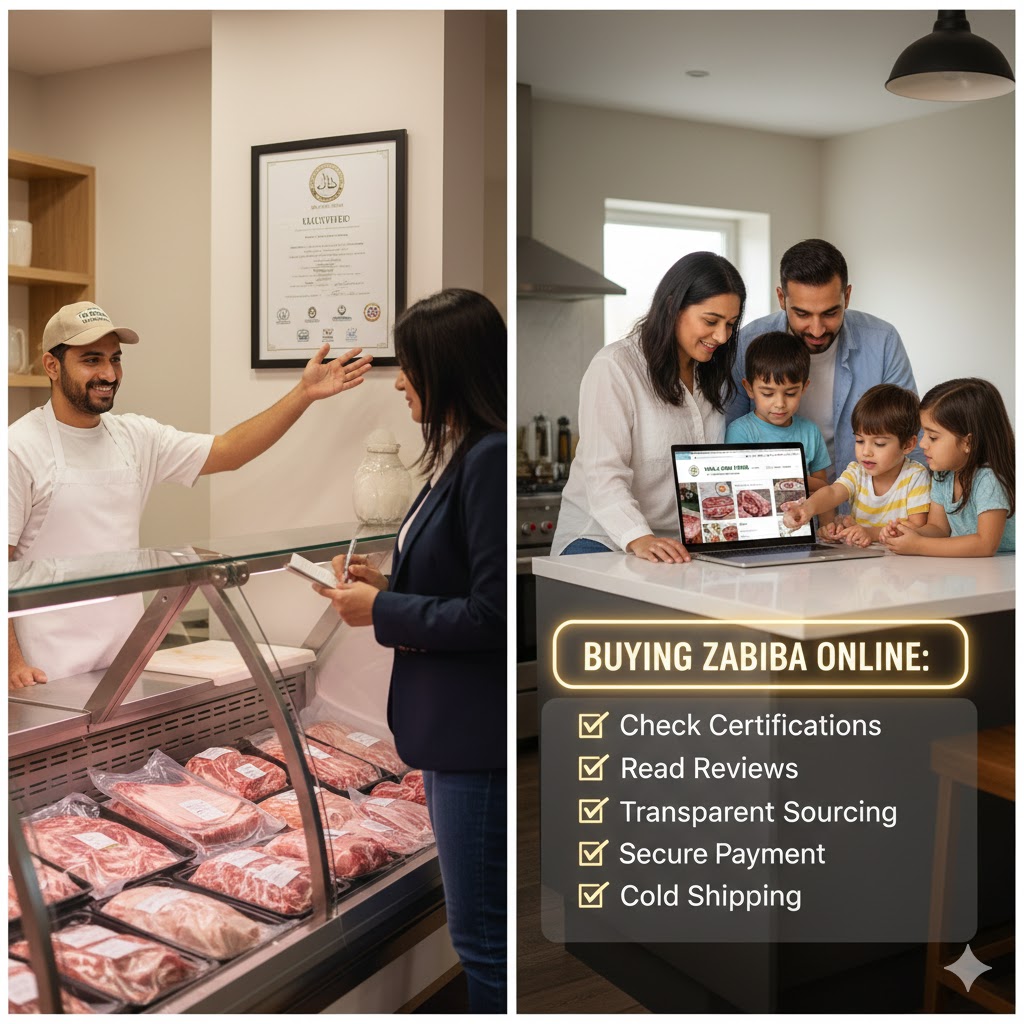
Global Trust: Certification labels provide confidence for online purchases, international trade, and family consumption.
Without certification, verifying the authenticity of Zabiha meat can be difficult, especially in unregulated markets.
8. Tips for Consumers
-
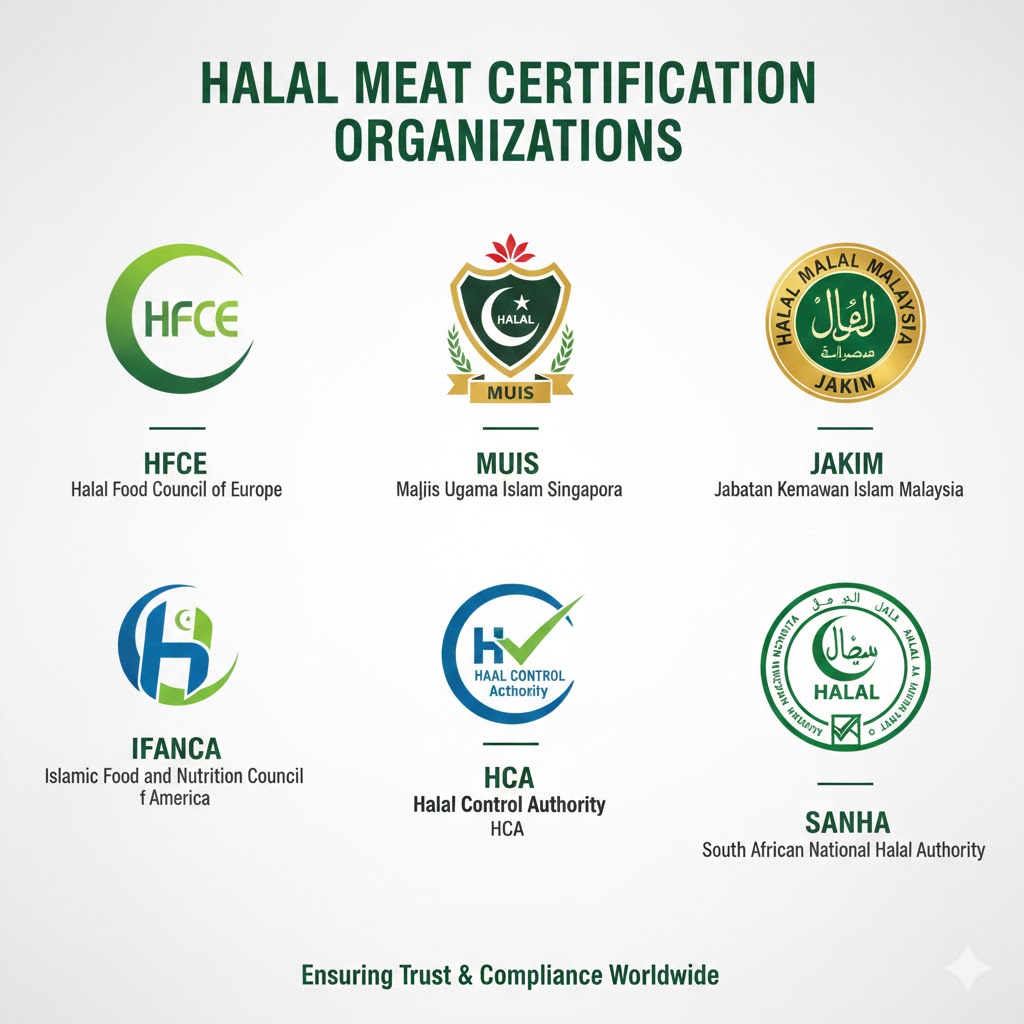
Look for recognized certification logos from IFANCA, HFA, HMC, JAKIM, or MUIS.
-
Verify the supplier’s credentials online or through official certification websites.
-
Ask butchers or vendors about slaughter practices and compliance.
-
Check packaging and expiration dates to ensure freshness and hygiene.
Educating yourself about certification bodies makes it easier to identify genuine Zabiha meat and avoid mislabeled products.
Conclusion
Zabiha meat certification is essential in today’s globalized food market, where ensuring religious compliance, ethical treatment, and safety can be challenging. Top certification bodies like IFANCA, HFA, HMC, JAKIM, and MUIS play a crucial role in verifying slaughter practices, hygiene, and ethical standards, giving consumers confidence in the meat they purchase.
For families, communities, and businesses, choosing certified Zabiha meat is not just about obeying Islamic law—it is about ensuring high-quality, ethically sourced, and safe food. Awareness of these top certification bodies allows consumers to make informed decisions, enjoy nutritious meat, and uphold the values of faith, ethics, and responsibility.