How to Identify Genuine Zabiha Meat

For Muslims, consuming meat is not just about nourishment—it is also a matter of faith, ethics, and religious compliance. Genuine Zabiha meat is meat that has been slaughtered according to Islamic law, ensuring that the animal is treated humanely, the blood is fully drained, and the name of Allah is invoked during the process. In today’s busy markets and online stores, distinguishing authentic Zabiha meat from meat falsely labeled as halal can be challenging. Understanding how to identify genuine Zabiha meat is essential for families, communities, and consumers who want to consume meat that is truly halal, safe, and ethical.
This guide highlights the key methods and indicators to help buyers verify the authenticity of Zabiha meat.
1. Look for Trusted Halal Certifications
The first and most reliable way to identify genuine Zabiha meat is to check for certification from recognized halal authorities.
-
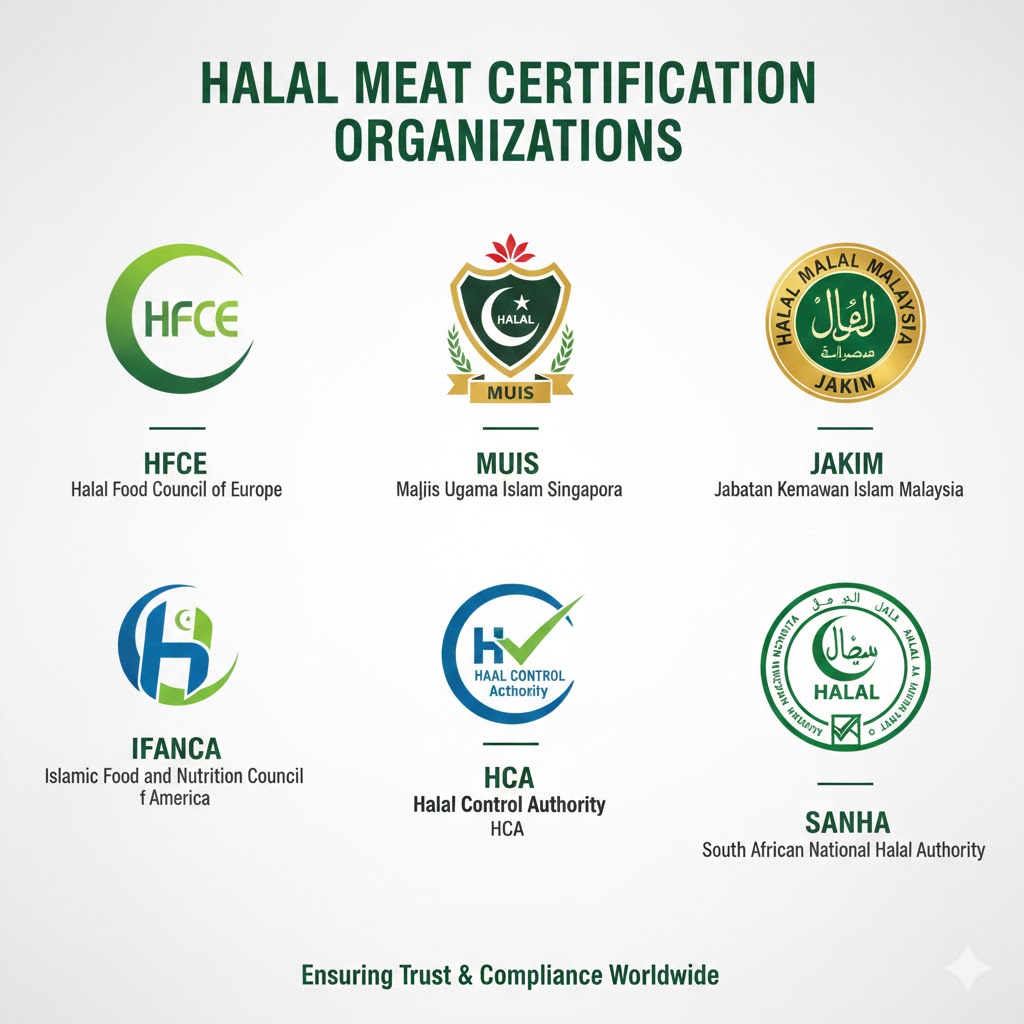
IFANCA (USA), HFA (UK), HMC (UK), JAKIM (Malaysia), and MUIS (Singapore) are some of the globally recognized bodies that certify Zabiha meat.
-
Certification ensures that the meat meets all religious requirements, including proper slaughter, blood drainage, and ethical treatment.
-
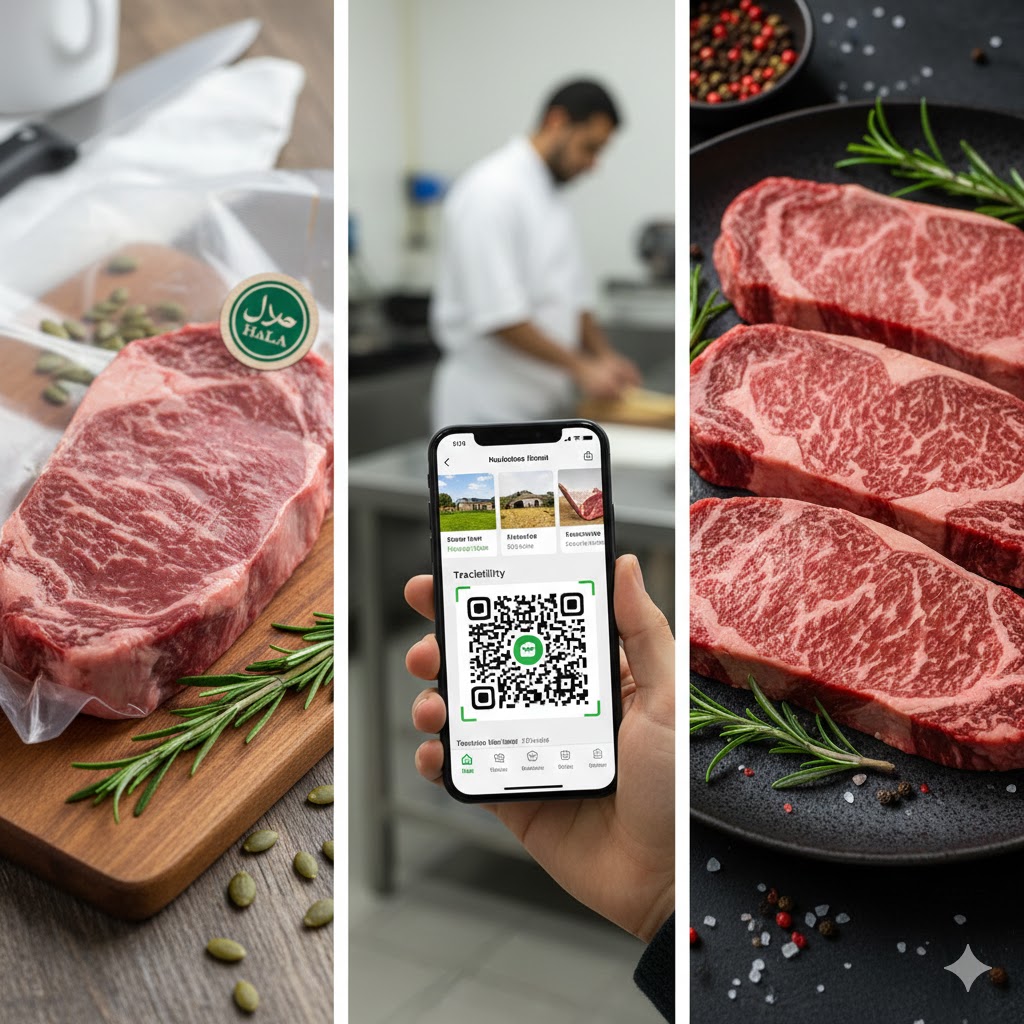
Always look for official labels, logos, or QR codes that can be verified online.
Tip: Avoid meat labeled simply as “halal” without verifiable certification, as it may not follow proper Zabiha practices.
2. Verify the Slaughterer’s Qualifications
A key requirement for Zabiha meat is that it is slaughtered by a qualified Muslim.
-
The person must be an adult Muslim, knowledgeable in Zabiha rules, and competent in humane slaughter techniques.
-
Proper Zabiha involves a swift incision severing the jugular veins, carotid arteries, and windpipe, with the name of Allah invoked.
-
If meat is sourced from unknown or uncertified slaughterers, its Zabiha status cannot be guaranteed.
Tip: When buying directly from a butcher, ask about their slaughtering process and the person performing it.
3. Observe Proper Blood Drainage
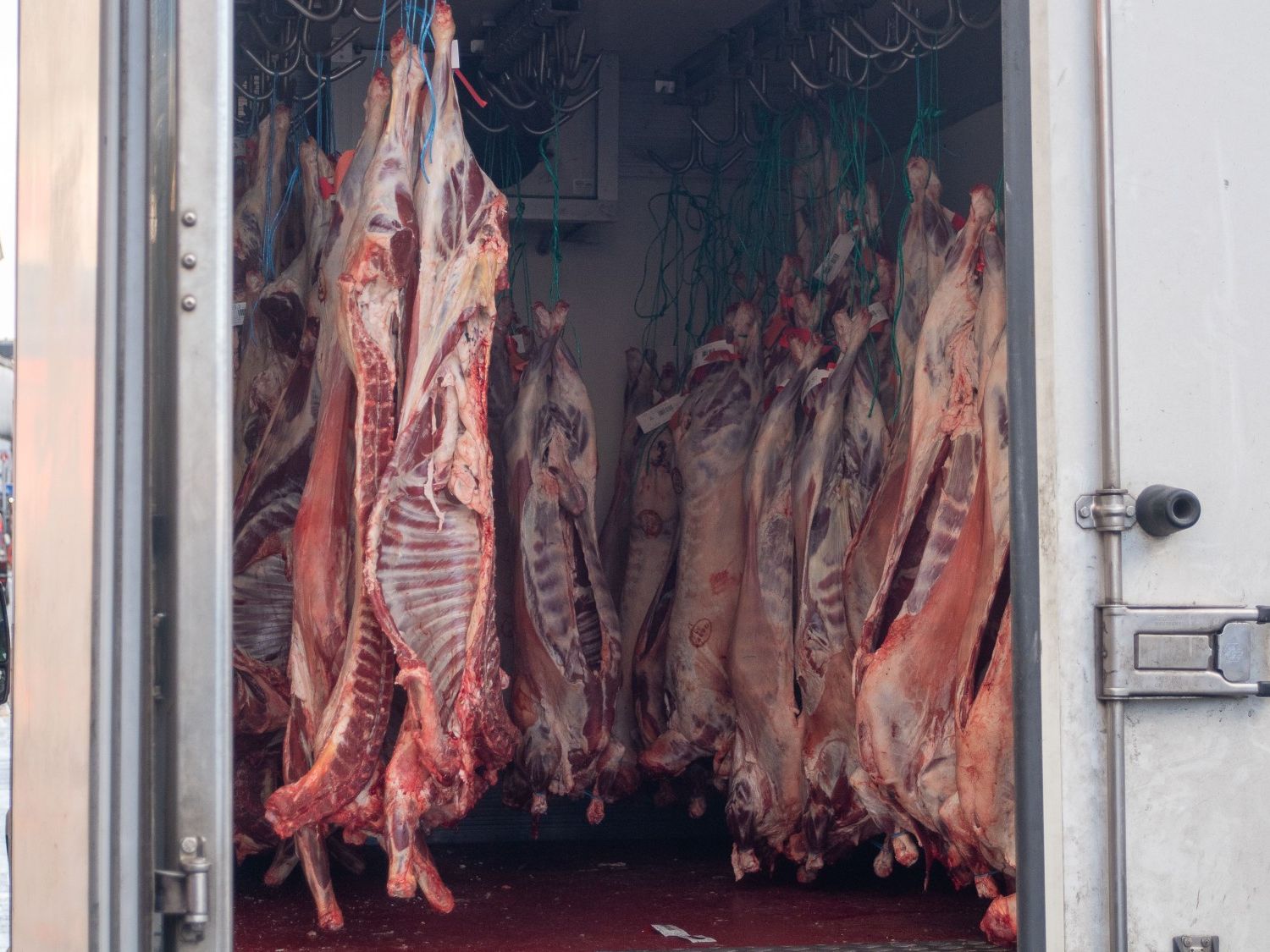
Complete blood drainage is a critical feature of Zabiha meat.
-
Blood is considered impure (haram), and draining it fully ensures the meat is halal and hygienic.
-
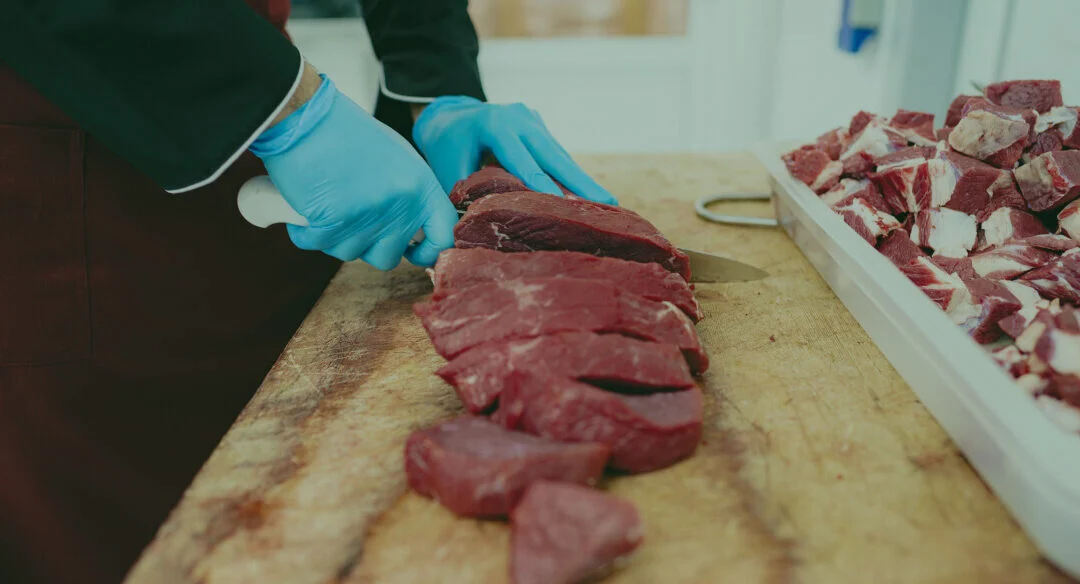
Zabiha meat generally has a bright red (beef/lamb) or pink (chicken) color, with minimal surface blood.
-
Meat that appears dark, wet, or has residual blood pools may not have been slaughtered according to proper Zabiha standards.
Tip: Visual inspection can help, but certification provides the most reliable confirmation.
4. Assess Animal Health and Meat Quality
Zabiha requires that only healthy, mature animals are slaughtered.
-
The meat should smell fresh, feel firm, and have a consistent color.
-
Avoid meat that is discolored, slimy, or emits a foul odor, as this may indicate poor handling or non-compliance.
-
Healthy animals produce better tasting, more tender, and nutritious meat, which is an important aspect of Zabiha.
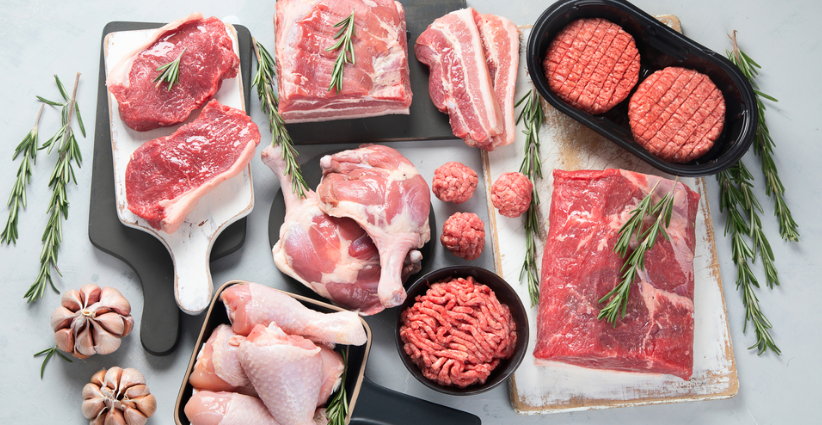
Tip: Familiarity with normal cuts of chicken, beef, and lamb helps in identifying any irregularities.
5. Examine Packaging and Source
How the meat is packaged and sourced can provide clues to authenticity:
-
Genuine Zabiha meat is often vacuum-sealed or hygienically packaged with the supplier’s name and certification clearly marked.
-
Reputable vendors provide farm or slaughterhouse information, showing transparency in sourcing.
-
Avoid unmarked or loosely packaged meat from unverified markets, as it may not meet Zabiha or hygiene standards.
Tip: Online suppliers should provide tracking information, certificates, and detailed sourcing information for each order.
6. Understand Processing and Storage
Even after slaughter, meat must be handled properly to retain its halal status:
-
Genuine Zabiha meat is stored, processed, and transported separately from non-halal meat.
-
It must remain cold, clean, and hygienically handled until it reaches the consumer.
-
Meat mixed with non-halal ingredients or handled in unregulated facilities may lose its halal integrity.
Tip: Ask vendors about segregation, freezing, and storage practices to ensure authenticity.
7. Rely on Verified Vendors
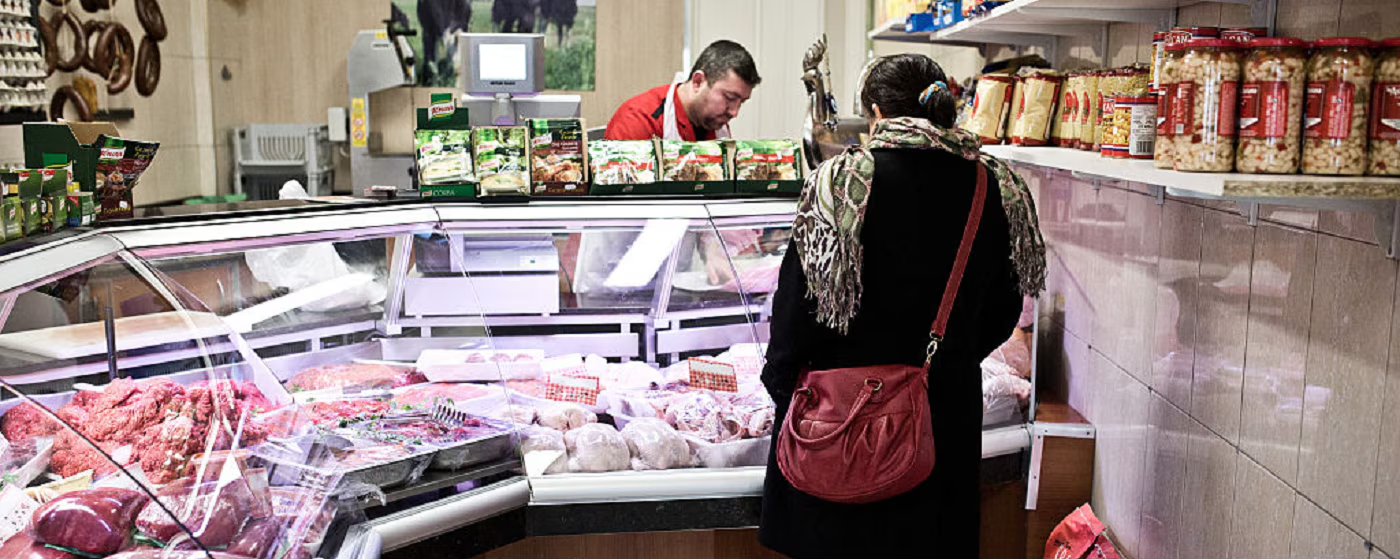
The most practical way to ensure genuine Zabiha meat is to purchase from trusted butchers, farms, or certified online suppliers.
-
Long-standing halal stores and certified online platforms follow strict Zabiha guidelines.
-
Check reputation, reviews, and certification logos before buying.
-
Be cautious of unusually cheap meat, as it may indicate compromised Zabiha practices.
Tip: Build a relationship with a reliable supplier for consistent access to genuine Zabiha meat.
8. Educate Yourself and Your Family
Knowledge is a key tool for identifying Zabiha meat:
-
Learn the principles of Zabiha slaughter, proper meat appearance, and certification logos.
-
Teach family members to check certification, source, and freshness before purchasing.
-
Awareness reduces the risk of consuming meat that is non-compliant or of poor quality.
Tip: Visit halal farms or slaughterhouses to gain first-hand understanding of Zabiha practices.
Conclusion
Identifying genuine Zabiha meat requires a combination of knowledge, vigilance, and trust in certified suppliers. Key indicators include:
-
Verified halal certification from trusted bodies
-
Slaughter performed by a qualified Muslim with proper invocation of Allah’s name
-
Complete blood drainage and healthy meat appearance
-
Transparent packaging, sourcing, and processing practices
-
Purchase from reliable vendors
By understanding these factors, consumers can ensure that the meat they serve is halal, ethical, safe, and nutritious. Choosing genuine Zabiha meat is not only a matter of religious compliance but also a commitment to ethical, hygienic, and spiritually mindful consumption.