Who Can Perform Zabiha?

Zabiha meat, prepared according to Islamic halal guidelines, is central to Muslim dietary practices. A key aspect of Zabiha is not only how the animal is slaughtered but also who performs the slaughter, as this affects the meat’s religious validity. Understanding who is qualified to perform Zabiha is crucial for families, butchers, and businesses, ensuring that the meat consumed is both ethically sourced and religiously compliant.
This guide explores the requirements, qualifications, and responsibilities of those who can perform Zabiha, along with practical tips for ensuring authenticity.
1. Definition of Zabiha
Zabiha refers to the Islamic method of slaughtering an animal for food. Key principles include:
-
The animal must be healthy, mature, and free of disease.
-
The slaughtering process involves a swift, deep cut to the throat, severing the jugular veins, carotid arteries, and windpipe.
-
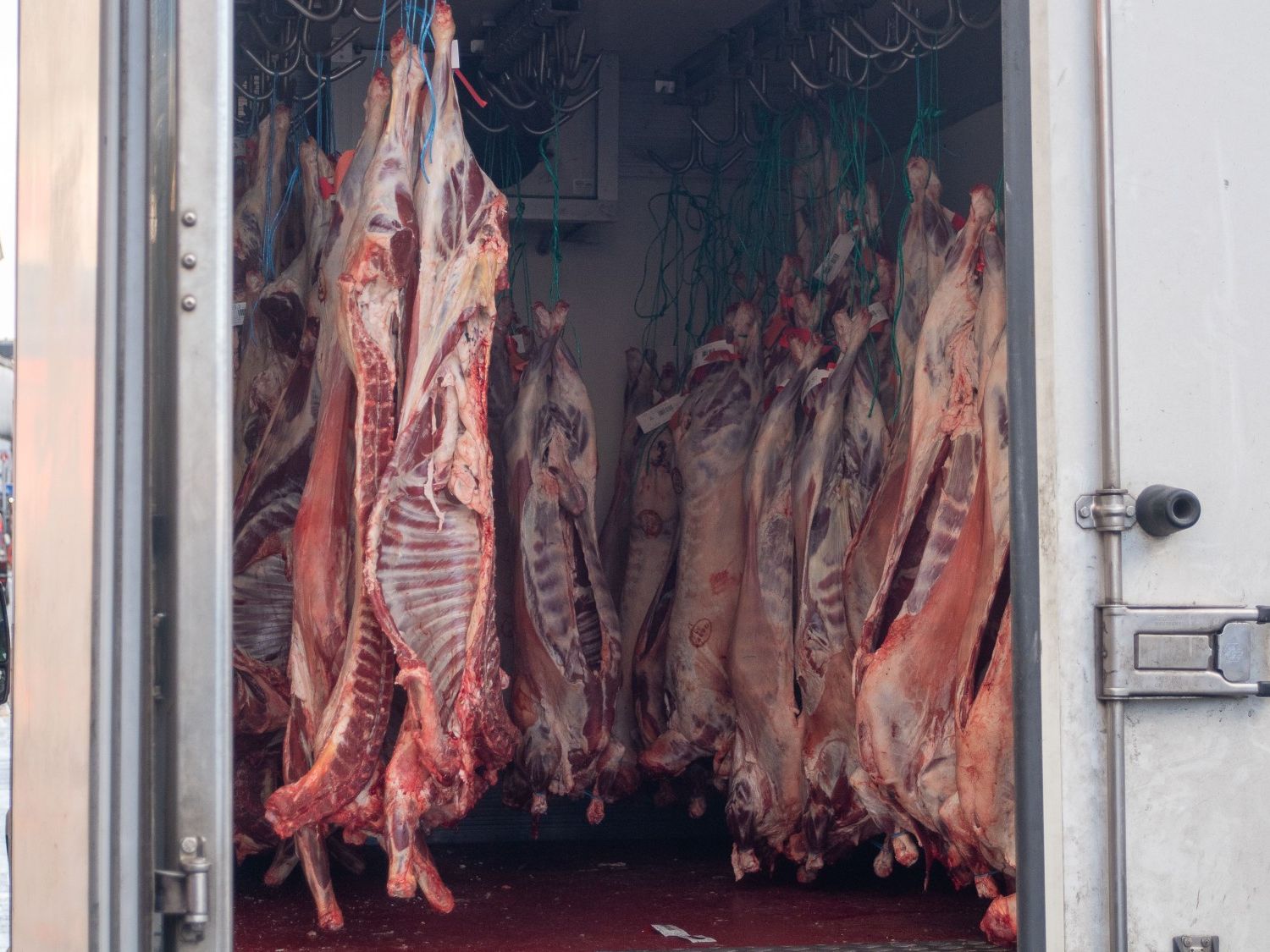
Blood must be drained completely, as consuming blood is prohibited.
-
The slaughterer must invoke the name of Allah (saying “Bismillah”) at the time of the cut.
The validity of Zabiha meat depends on both correct slaughtering methods and a qualified person performing the act.
2. Religious Requirements for the Slaughterer
Islamic teachings specify that the person performing Zabiha must meet certain criteria:
-
Muslim: The slaughterer must be a practicing Muslim who understands and adheres to Islamic dietary laws.
-
Adult: The individual should be of mature age and mentally capable of performing the act responsibly.
-
Sound of Mind: The person must be sane, alert, and capable of executing the procedure with precision.
-
Knowledgeable: Familiarity with Zabiha rules, animal anatomy, and hygiene practices is essential.
This ensures that the meat is religiously permissible and ethically slaughtered.
3. Can Non-Muslims Perform Zabiha?
In general:
-
Meat slaughtered by non-Muslims is not considered Zabiha, even if the proper cut is performed.
-
Some scholars allow meat from People of the Book (Jews and Christians) under specific circumstances, but mainstream practice requires a Muslim to perform the slaughter for certainty of halal compliance.
Families and businesses seeking fully authentic Zabiha meat should choose certified Muslim slaughterers or trusted Zabiha suppliers.
4. Professional Butchers and Slaughterhouse Workers
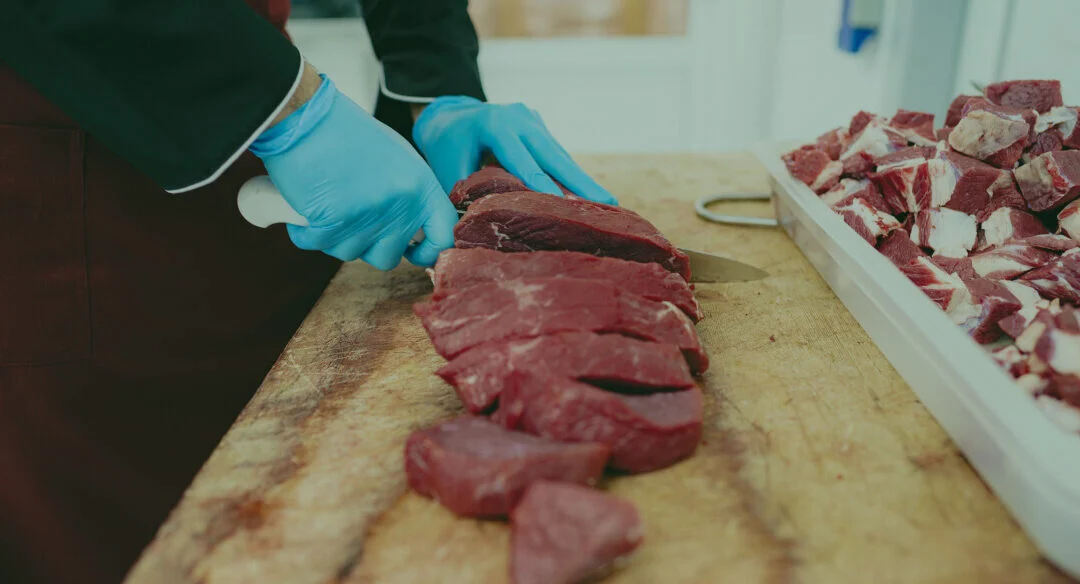
Many certified Zabiha suppliers employ trained Muslim butchers or slaughterhouse workers:
-
They are experienced in humane and ethical slaughter, reducing stress on animals.
-
They maintain hygiene and proper handling, ensuring safety and freshness.
-
They often work under halal certification authority supervision, ensuring compliance with religious standards.
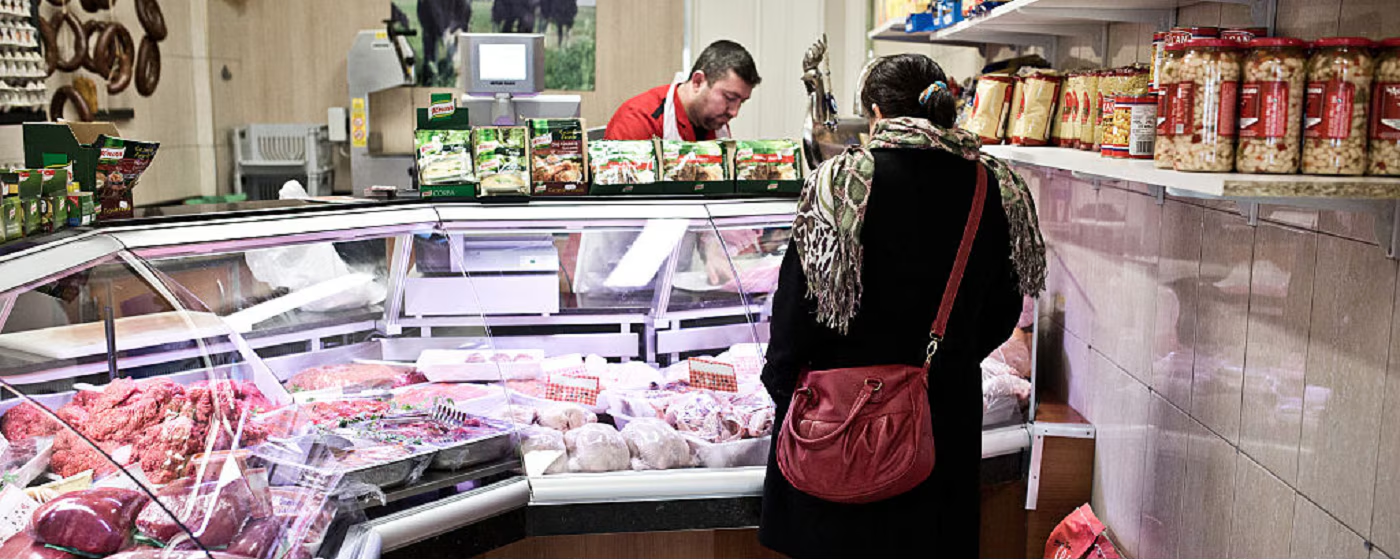
When buying Zabiha meat from stores or online, consumers should confirm that the meat was slaughtered by a qualified Muslim butcher.
5. Families Performing Zabiha at Home
In some Muslim households, families perform Zabiha themselves for special occasions like Eid:
-
A family member performing Zabiha should be adult, Muslim, and knowledgeable about the proper procedure.
-
They must invoke Allah’s name during the slaughter.
-
The animal should be handled ethically, ensuring minimal suffering.
While this is common during festivals, many families prefer purchasing pre-slaughtered Zabiha meat to ensure both safety and religious compliance.
6. Training and Knowledge
A person performing Zabiha should understand:
-
Anatomy of the animal: Knowing where to cut ensures quick, humane slaughter and proper blood drainage.
-
Ethical practices: Avoiding unnecessary harm or stress to the animal.
-
Hygiene: Keeping knives, surfaces, and hands clean to prevent contamination.
-
Invocation of Allah’s name: Performing the ritual correctly for religious validity.
Training is essential for both home and professional slaughter, ensuring Zabiha meat meets Islamic standards.
7. Role of Halal Certification Authorities
Halal certification bodies help ensure that Zabiha is performed by qualified personnel:
-
They audit slaughterhouses and inspect the qualifications of slaughterers.
-
Certification guarantees that meat comes from animals slaughtered by authorized, knowledgeable Muslims.
-
This is particularly important for commercial meat suppliers and online vendors, providing assurance to consumers.
Families purchasing Zabiha meat can rely on certification to verify that competent individuals performed the slaughter.
8. Practical Tips for Consumers
-
Ask about the slaughterer: Ensure the meat comes from a qualified Muslim.
-
Check halal certification: Only buy meat from certified suppliers who follow Zabiha standards.
-
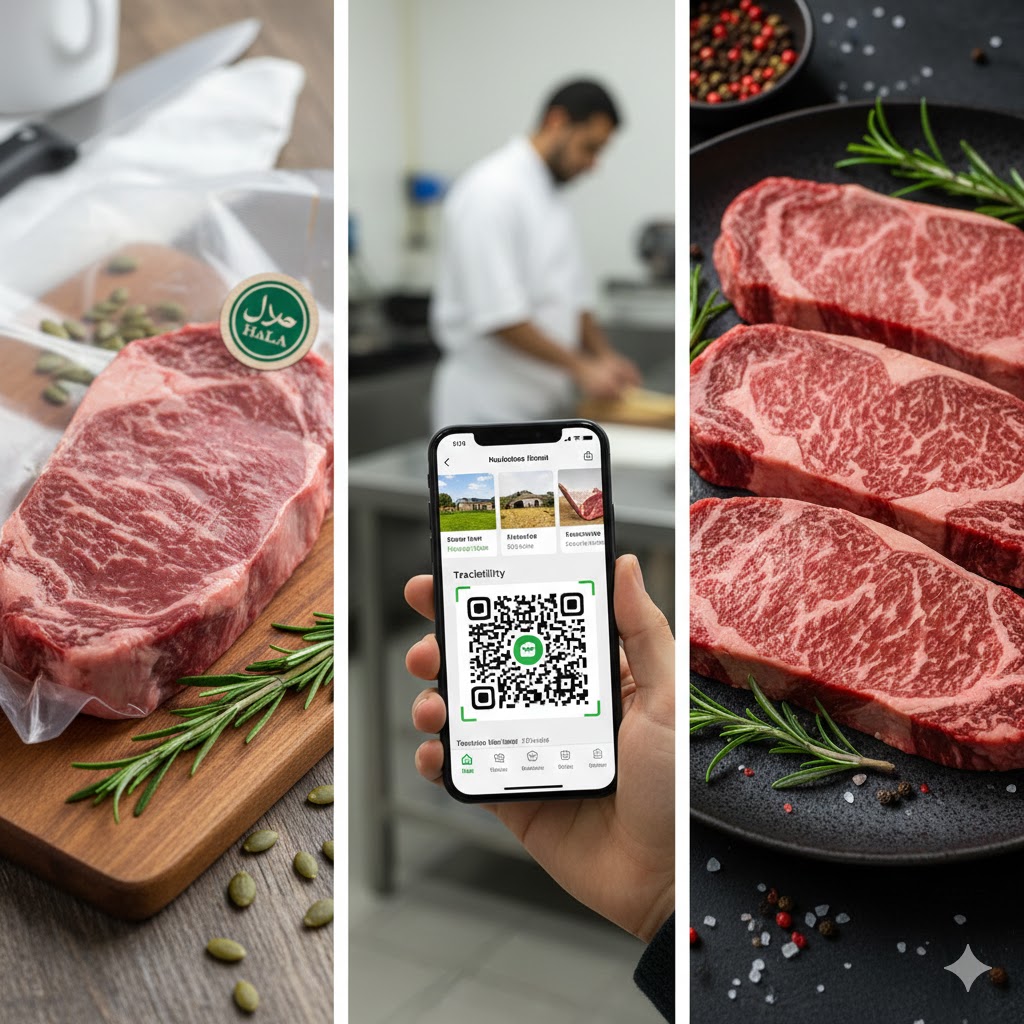
Observe packaging and labeling: Certificates and seals indicate compliance with religious guidelines.
-
Learn the basics: If performing Zabiha at home, seek guidance from knowledgeable community members or religious authorities.
Following these steps ensures meat is both religiously valid and ethically sourced.
Conclusion
Zabiha meat is not only about following a specific slaughtering method—it also relies heavily on who performs the slaughter. A genuine Zabiha slaughterer must be an adult Muslim, knowledgeable about halal rules, and capable of performing the act ethically. Whether in professional slaughterhouses or at home during religious festivals, adherence to these standards ensures the meat is halal, safe, and nutritious.
For families, businesses, and community kitchens, ensuring that Zabiha meat is prepared by qualified personnel provides confidence in both religious compliance and food quality. Verified Zabiha meat is a symbol of ethical consumption, humane treatment of animals, and spiritual observance, making the knowledge of who can perform it essential for all consumers.