Essential Conditions for Zabiha Slaughter

Zabiha slaughter is at the heart of halal meat practices in Islam. Beyond being a dietary requirement, it is a reflection of faith, ethics, and humane treatment of animals. To ensure that meat is genuinely halal, specific conditions must be met during the slaughter process. These conditions guarantee that the meat is religiously valid, safe for consumption, and ethically sourced.
Understanding these essential conditions is crucial for Muslims, families, butchers, and businesses involved in meat preparation and distribution. This guide highlights the key requirements for Zabiha slaughter and why they matter.
1. The Slaughterer Must Be a Muslim
One of the most fundamental requirements is that the person performing the slaughter must be a qualified Muslim:
-
The individual must be an adult, sane, and knowledgeable about Zabiha procedures.
-
A non-Muslim or an untrained person cannot perform a Zabiha slaughter, as the meat would not be halal.
-
The person should also demonstrate humility and mindfulness, as invoking Allah’s name is central to the process.
This condition ensures that Zabiha meat adheres to religious standards and spiritual mindfulness.
2. Invocation of Allah’s Name
During Zabiha slaughter, the name of Allah (“Bismillah”) must be pronounced at the moment the animal is cut.
-
This invocation sanctifies the act, making the meat permissible for consumption.
-
It distinguishes Zabiha from other forms of slaughter where no religious declaration is made.
-
The recitation reflects obedience, gratitude, and respect for the life of the animal.
Without this invocation, even properly handled meat would not meet halal requirements.
3. The Animal Must Be Healthy
Only healthy, mature animals are eligible for Zabiha slaughter:
-
Sick, injured, or diseased animals are not permitted, as consuming them is considered harmful and non-halal.
-
Animals must be free from obvious defects or conditions that could affect meat quality.
-
Choosing healthy animals also ensures better taste, nutrition, and safety for consumers.
This condition emphasizes both spiritual obedience and practical food safety.
4. Proper Slaughtering Technique
The method of slaughter is critical in Zabiha practices:
-
A swift, deep incision must sever the jugular veins, carotid arteries, and windpipe, allowing for rapid blood drainage.
-
The cut should be clean, ensuring the least suffering for the animal.
-
The knife must be sharp and free from defects to perform an efficient and humane cut.
Following this technique not only meets religious standards but also improves meat hygiene and quality.
5. Complete Blood Drainage
Blood is considered impure (haram) in Islam, and proper Zabiha slaughter ensures that it is drained fully:
-
Proper blood drainage prevents contamination, bacterial growth, and foul taste.
-
It also ensures that the meat is ethically processed and spiritually compliant.
-
Incomplete drainage can compromise both halal compliance and meat safety.
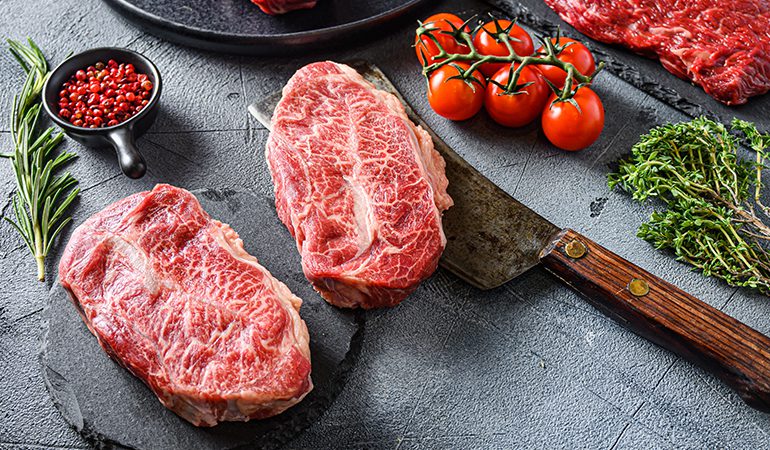
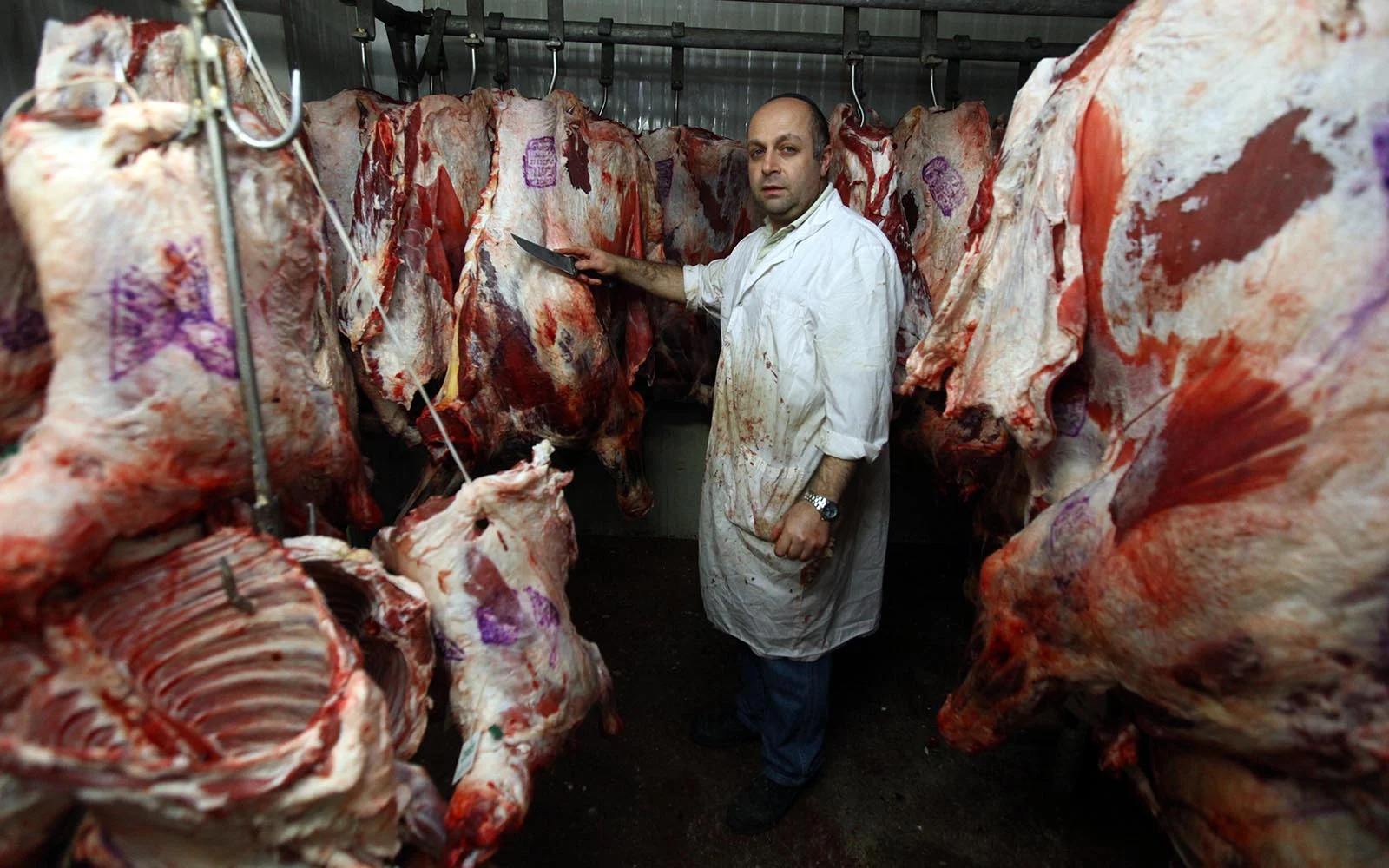
Tip: Meat should appear bright red (for beef or lamb) or pink (for chicken), with minimal surface blood.
6. Humane Treatment of the Animal
Islamic law emphasizes compassion and minimal suffering:
-
Animals must be handled gently and calmly, with proper feeding and resting before slaughter.
-
Excessive force, fear, or stress is prohibited, as it violates both ethical and religious principles.
-
Humane treatment improves meat quality, reduces bruising, and supports ethical consumption practices.
Zabiha slaughter integrates ethics, hygiene, and faith into a single process.
7. Cleanliness and Hygiene
Hygiene is an essential condition for Zabiha:
-
Tools, knives, and surfaces must be clean and sanitized to prevent contamination.
-
The slaughter area must be free of impurities and maintained to ensure safe handling.
-
Proper hygiene not only meets halal standards but also protects consumers’ health.
Certified slaughterhouses often follow strict hygiene protocols to maintain compliance.
8. Proper Handling After Slaughter
Even after the cut, meat must be handled correctly:
-
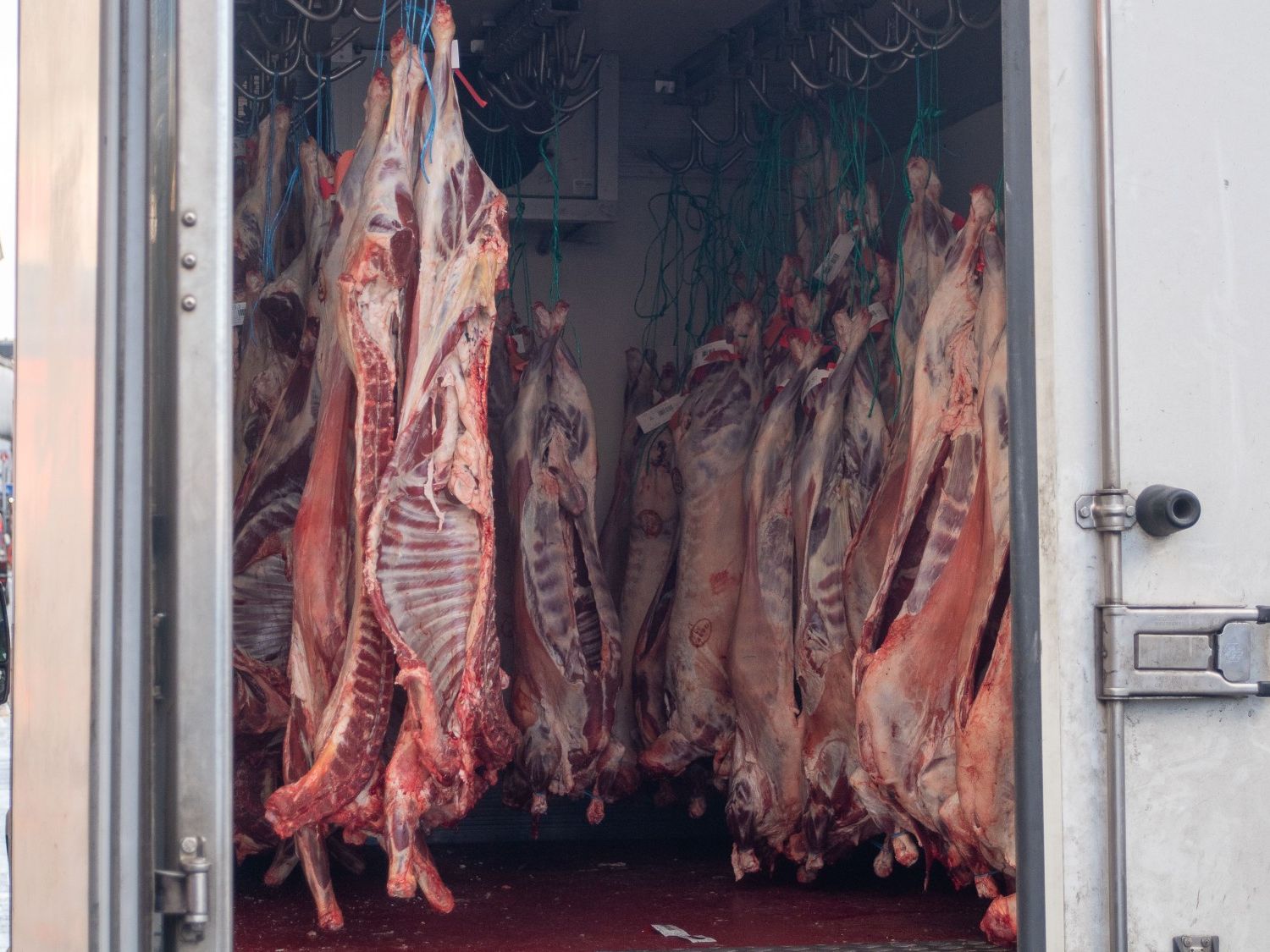
Meat should be stored, transported, and processed separately from non-halal meat.
-
Freezing, packaging, and refrigeration must be hygienic and safe.
-
Maintaining the chain of halal compliance from slaughter to kitchen ensures authenticity.
Neglecting post-slaughter handling can invalidate the halal status and reduce meat quality.
Conclusion
Zabiha slaughter is more than a ritual—it is a holistic process combining faith, ethics, and food safety. The essential conditions for Zabiha slaughter include:
-
The slaughterer must be a qualified Muslim
-
Invocation of Allah’s name (Bismillah)
-
Use of healthy, mature animals
-
Proper slaughtering technique
-
Complete blood drainage
-
Humane treatment of the animal
-
Strict cleanliness and hygiene
-
Correct handling and storage after slaughter
By following these conditions, Muslims ensure that the meat they consume is halal, ethical, and safe. Families, butchers, and businesses that adhere to these standards honor both religious obligations and practical responsibilities, maintaining the integrity of Zabiha meat from farm to table.