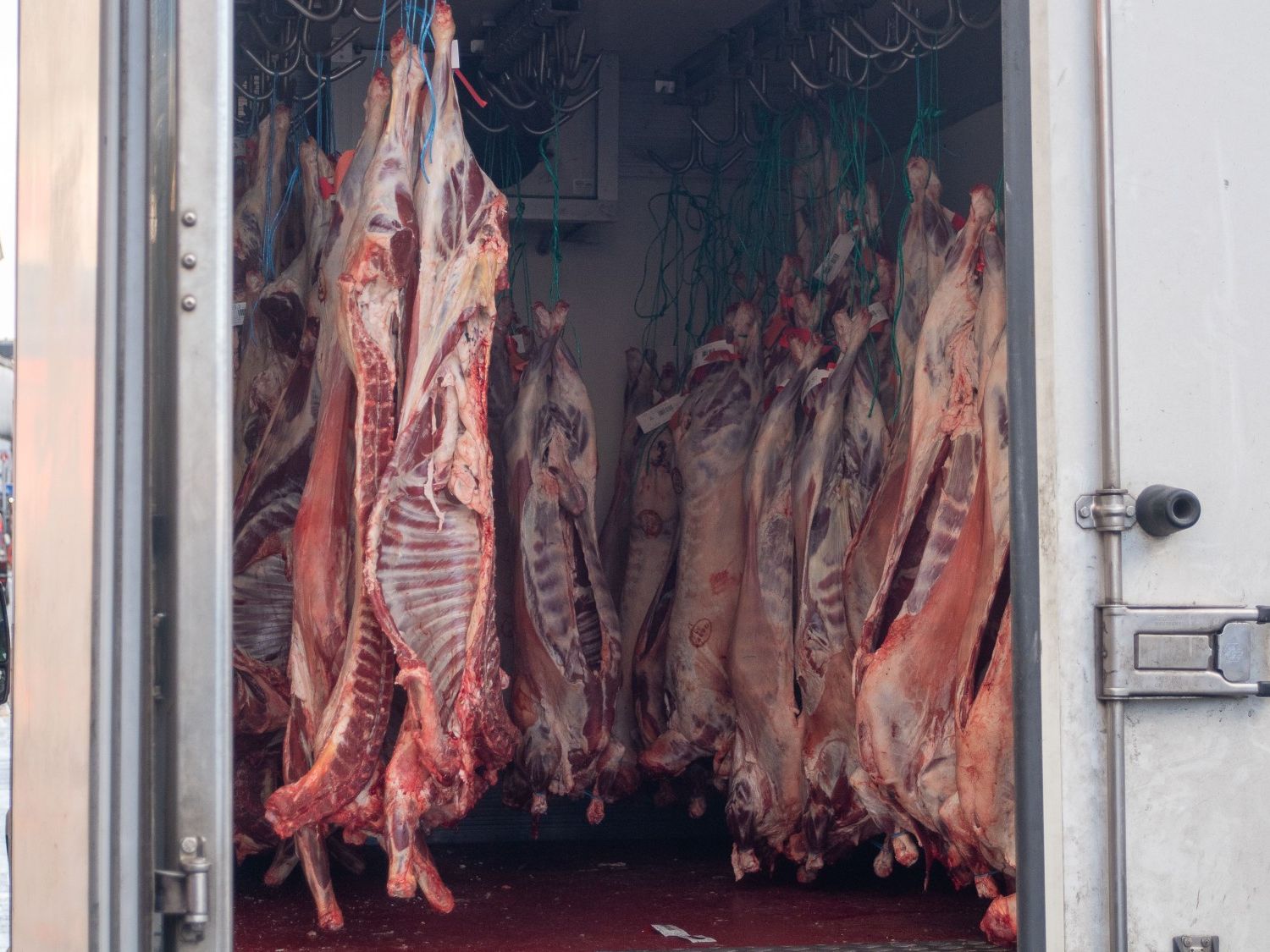
Understanding Zabiha: The Halal Method of Slaughter

Zabiha is the Islamic method of slaughtering animals, central to ensuring that meat consumed by Muslims is halal (permissible) and ethically sourced. More than just a dietary practice, Zabiha embodies spiritual mindfulness, ethical responsibility, and humane treatment of animals. Understanding the principles and methods of Zabiha allows consumers, families, and businesses to ensure that meat is religiously compliant, safe, and of high quality.
This guide explores the key aspects of Zabiha, from its religious foundations to modern applications, highlighting why it remains a vital practice in the Muslim world.
1. The Religious Foundation of Zabiha
Zabiha is rooted in Islamic teachings, particularly in the Qur’an and Sunnah.
-
The Qur’an instructs Muslims to consume halal and tayyib (pure) foods, emphasizing both spiritual and physical well-being.
-
Prophet Muhammad (peace be upon him) demonstrated and recommended the proper method of slaughter, ensuring that the act was ethical, humane, and compliant with divine guidance.
-
By following Zabiha, Muslims honor spiritual obligations, showing gratitude for the life taken and mindful awareness of the blessings of food.
Zabiha is not simply a ritual—it is a conscious practice of obedience, compassion, and ethical consumption.
2. The Essential Conditions for Zabiha
For meat to be considered genuine Zabiha, several essential conditions must be met:
-
Qualified Slaughterer: The animal must be slaughtered by a Muslim adult knowledgeable in Zabiha rules.
-
Invocation of Allah’s Name: “Bismillah” (In the name of Allah) must be pronounced at the moment of slaughter.
-
Healthy Animal: Only healthy, mature animals free from disease or injury may be slaughtered.
-
Proper Slaughter Technique: A swift, deep incision to the throat severs the jugular veins, carotid arteries, and windpipe, ensuring minimal suffering.
-
Complete Blood Drainage: Blood must be fully drained, as it is considered impure and detrimental to both health and religious compliance.
These conditions ensure that Zabiha meat is halal, hygienic, and ethically processed, meeting both spiritual and practical standards.
3. Humane Treatment of Animals
One of the most significant aspects of Zabiha is compassion for animals.
-
Islam requires that animals be treated gently, fed, rested, and free from stress before slaughter.
-
The Zabiha method minimizes suffering, using a sharp knife and swift incision to reduce pain.
-
Humane handling also improves meat quality, as stress and fear can affect texture, taste, and nutritional value.
Through Zabiha, Muslims honor ethical responsibilities, balancing dietary needs with compassion for living beings.
4. Health and Hygiene Benefits
Zabiha is not only spiritually significant but also practically beneficial for health:
-
Proper blood drainage reduces the risk of bacterial growth, contamination, and spoilage.
-
Zabiha meat is often fresher, leaner, and more nutrient-dense, preserving proteins, vitamins, and minerals.
-
Ethical slaughter and hygienic handling ensure safer meat for families, aligning religious principles with modern health standards.
This combination of spiritual and physical benefits makes Zabiha a holistic approach to food.
5. Modern Zabiha Practices
Today, Zabiha is practiced globally, including in Muslim-majority countries and diaspora communities:
-
Certified Slaughterhouses and Butchers: Halal certification bodies like IFANCA, HFA, HMC, JAKIM, and MUIS ensure that meat complies with Zabiha standards.
-
Online Suppliers and Farms: Modern technology allows Muslims worldwide to access fresh, certified Zabiha meat, even in countries where halal options are limited.
-
Ethical Farming Practices: Many suppliers now focus on humane treatment, organic feed, and ethical rearing, combining traditional Zabiha principles with modern animal welfare standards.
This demonstrates that Zabiha is not just a traditional practice but a living standard adapted to contemporary needs.
6. Cultural and Community Significance
Zabiha meat also plays a role in community and cultural practices:
-
It is central to Eid al-Adha, where Muslims perform sacrifices in remembrance of Prophet Ibrahim’s devotion to Allah.
-
Zabiha meat is often distributed to the needy, fostering charity, compassion, and social responsibility.
-
Families and communities gather around Zabiha meals, reinforcing social bonds and ethical consumption.
Through these practices, Zabiha becomes a symbol of faith, generosity, and ethical mindfulness.
7. Common Misunderstandings
Despite its importance, Zabiha is often misunderstood:
-
Not all halal-labeled meat is Zabiha. Verification through certification and trusted suppliers is essential.
-
Zabiha is sometimes viewed only as ritualistic, ignoring its ethical and health dimensions.
-
Proper training and humane handling are critical—any deviation can compromise both religious and ethical compliance.
Educating consumers about these aspects ensures faithful, safe, and responsible meat consumption.
Conclusion
Zabiha represents more than a method of slaughter—it is a holistic practice combining faith, ethics, and food safety. Key points include:
-
Religious Foundation: Complying with Qur’an and Sunnah.
-
Essential Conditions: Qualified slaughterer, invocation of Allah’s name, healthy animals, proper technique, and blood drainage.
-
Humane Treatment: Minimizing animal suffering while improving meat quality.
-
Health Benefits: Ensuring hygiene, freshness, and nutrient retention.
-
Modern Relevance: Certified suppliers and ethical farming practices.
-
Cultural Significance: Supporting festivals, charity, and community bonding.
Understanding Zabiha helps Muslims make informed, ethical, and spiritually mindful choices when consuming meat. It combines religious observance, practical health, and ethical responsibility, making every meal a reflection of faith and care for creation.